
MIMサプライヤー評価チェックリストは、バイヤーが実際のプロジェクトにおけるエンジニアリング、金型、材料、収縮、検査、生産リスクを管理できるかどうかを判断するのに役立ちます。これは、RFQ、金型製作、サンプル製作、または量産前の段階で行われます。重要なのは、サプライヤーが小さな金属部品の見積もりを出せるか、低価格を提供できるか、証明書を提示できるかではありません。重要なのは、サプライヤーが図面をレビューし、MIM特有のリスクを特定し、収縮補償について説明し、焼結状態と後加工の公差期待値を区別し、材料に関する文書をサポートし、部品が生産に入る前に初回生産品検査(FAI)を管理できるかどうかです。.
MIMサプライヤー評価ワークシート(印刷用)
このワークシートを使用して、エンジニアリング、金型、材料、検査、生産基準を同じように比較してMIMサプライヤーを評価してください。証拠とフォローアップのメモを直接空白フィールドに入力し、ワークシートを印刷するかPDFとして保存します。総合スコアは比較に役立ちますが、未解決のクリティカルフェイルゲートは、リスクが明確になるまでサプライヤーの決定を保留する必要があります。.
ワークシートの使用方法
- プロジェクトスコープ、図面改訂版、材料、年間生産量、重要寸法、表面要件、およびドキュメントの期待事項を確認してください。.
- 口頭での「製作可能です」という返答に頼るのではなく、すべての候補サプライヤーに比較可能な証拠を求めてください。.
- 各エリアを1から5で採点し、レビューした証拠、未解決のリスク、および必要なフォローアップを記録してください。.
- 総合的な結論を計算する前に、クリティカルフェイルゲートを確認してください。深刻な未解決のゲートは、高い総合スコアを上回る可能性があります。.
- 最終決定は、普遍的なサプライヤー認証ではなく、プロジェクトレビュー記録として使用してください。.
| 評価エリア | 確認事項 | レビュー済み証拠 | スコア 1~5 | リスク/フォローアップ注記 |
|---|---|---|---|---|
| エンジニアリングおよびDFMレビュー | 図面レビュー、機能寸法、肉厚、ゲート感受性表面、基準点戦略、アンダーカット、突き出し、および焼結サポートのリスク。. | |||
| MIMプロセス全体の能力 | 射出成形、グリーン部品の取り扱い、脱脂、焼結、二次加工、および最終検査の理解。. | |||
| 材料とフィードストックの経験 | 関連する材料ファミリーの経験、フィードストック経路、焼結への影響、熱処理、仕上げ、および文書化の制限。. | |||
| 金型と収縮制御 | 金型補正ロジック、収縮レビュー、初回サンプル修正経路、金型変更責任、および重要寸法戦略。. | |||
| 公差、検査、およびFAI(初回部品検査) | 焼結後加工品対非加工品の要求事項、基準点戦略、測定方法、検査範囲、および初回部品報告。. | |||
| 品質システムとトレーサビリティ | 材料記録、ロットトレーサビリティ、検査記録、不適合品管理、是正措置、再加工、および変更管理。. | |||
| RFQとコミュニケーションの明確さ | 不足情報の特定、見積もり仮定の明記、範囲の明確化(含まれるもの/除外されるもの)、および金型製作前の技術的リスクの伝達。. | |||
| 量産準備体制 | サンプル承認パス、量産立ち上げ管理、バッチ検査、梱包、生産文書、およびプロセスまたは図面変更への対応。. |
サプライヤー承認前の重要不合格ゲート
決定をマークする 保留 ゲートがプロジェクトに関連しているにもかかわらず、サプライヤーが技術的に信頼できる説明や証拠を提供できない場合。これらのゲートは、リスクの低いカテゴリでの高得点によって平均化されるべきではありません。.
| 重要ゲート | 合格証拠 | 保留条件 | ステータス / 備考 |
|---|---|---|---|
| 金型製作前の図面およびDFMレビュー | 金型リリース前に、プロジェクト固有の質問または文書化されたDFMの観察事項が提供されること。. | サプライヤーが図面、重要寸法、または機能面をレビューせずに、金型製作費の見積もりまたは承認を要求すること。. | |
| 収縮と金型補正 | サプライヤーが、材料、形状、金型スケール、サンプル、および修正をまとめてどのようにレビューするかを説明すること。. | 収縮に関する議論がない、またはプロジェクトレビューなしで全寸法が管理されるという根拠のない約束。. | |
| 寸法公差と検査戦略 | 焼結後状態および後加工されたフィーチャー、基準(データム)、方法、および初期成形検査(FAI)の範囲が明確に分離されている。. | サプライヤーは、重要寸法をどのように測定するか、またはどのフィーチャーに後加工が必要になる可能性があるかを説明できない。. | |
| 材料およびプロセス実現可能性 | 提案された材料とプロセスルートは、利用可能なMIMフィードストック、焼結、特性、仕上げ、および検査要件に関連付けられている。. | サプライヤーは、MIMの実現可能性とプロセスへの影響を確認せずに、要求されたあらゆる合金または特性を約束する。. | |
| トレーサビリティと不適合管理 | サプライヤーは、材料記録、バッチ識別、検査記録、不適合品(NCR)処理、是正措置、および変更管理について説明できる。. | 証明書のみが提示され、プロジェクトレベルのトレーサビリティ、不良品管理、または是正措置が不明確なまま。. |
評価決定

主な懸念が部品の形状または製造性である場合、 MIM DFM設計チェックリスト.
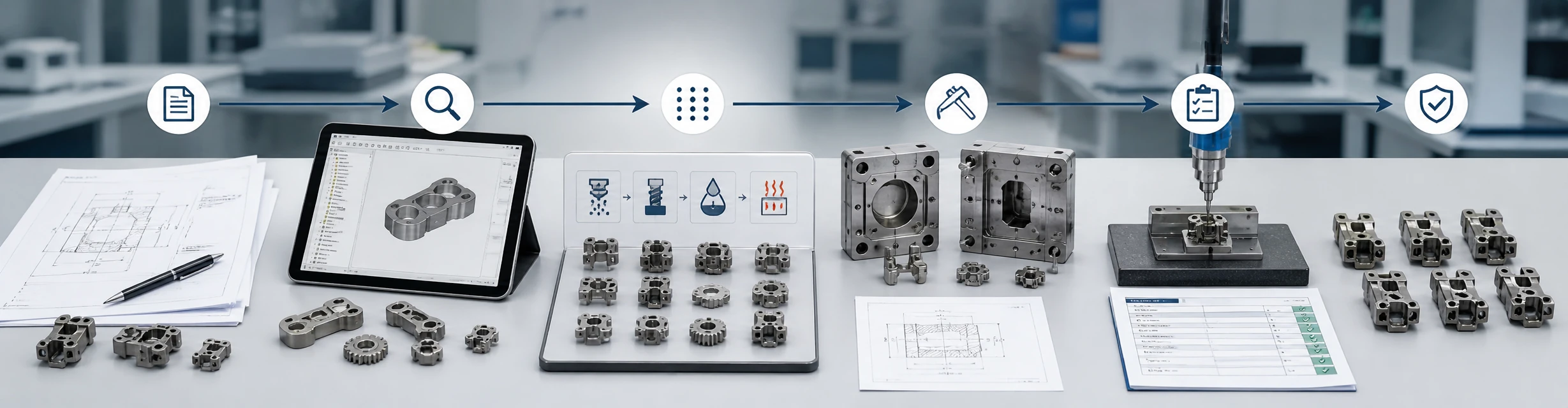
MIMサプライヤー評価チェックリストはいつ使用すべきか?
MIMサプライヤー評価チェックリストは、バイヤーが見積もりを技術的に信頼できるとみなす前に使用すべきです。実際には、多くのソーシング問題は、各サプライヤーが同じ材料、公差、金型、収縮、検査、および生産に関する仮定を評価したかどうかを確認する前に、バイヤーが単価を比較することから始まります。.
RFQ提出前
RFQを送信する前に、サプライヤーが基本的な部品サイズと年間生産量を超えてプロジェクトを評価できるか確認してください。プロフェッショナルなMIMサプライヤーは、図面、3D CADファイル、材料要件、重要寸法、表面仕上げのニーズ、後処理要件、年間生産量の推定値、および用途の背景を要求すべきです。.
- サプライヤーは2D図面と3D CADファイルを要求しましたか?
- 機能的、外観的、または組立重要寸法について質問しましたか?
- 寸法は焼結後(as-sintered)または機械加工後(after machining)のどちらを想定しているか質問しましたか?
- 表面仕上げ、熱処理、不動態化処理、コーティング、めっき、または洗浄について質問しましたか?
- 年間生産量、生産立ち上げ、および検査に関する期待について質問しましたか?
RFQ準備の詳細については、以下を参照してください。 RFQ準備ガイド.
金型投資前
MIM金型は単なるキャビティ形状ではありません。フィードストックの流れ、パーティングライン、ゲート位置、エジェクション、成形後のコンパクト処理、脱脂、焼結収縮、および金型補正を考慮する必要があります。金型投資前に、サプライヤーは金型設計を開始する前に確認すべき事項を説明すべきです。.
MIM金型を通常のプラスチック射出成形金型のように扱うのはよくある間違いです。MIMは金属粉末とバインダーのフィードストック、射出成形、脱脂、焼結を行います。したがって、金型レビューは成形段階だけでなく、MIMの全工程と結びつける必要があります。金型に関する詳細な議論については、こちらをご覧ください。 MIM金型設計.
プロトタイプまたは初回品レビューの前
初回サンプルは単なる「サンプル部品」ではありません。これらは、金型補正、焼結サポート、検査方法、およびプロセス上の仮定が連携して機能しているかどうかの証拠です。プロトタイプまたは初回品レビューの前に、どのような検査レポートが提供されるか、どの寸法が測定されるか、基準面がどのように使用されるか、そして公差外のフィーチャーがどのように修正されるかを購入者は尋ねるべきです。.
寸法リスクが主な懸念事項である場合、次を使用してください。 MIM公差・収縮チェックリスト.
量産移行前
少数の許容可能なサンプルを作成できるサプライヤーでも、安定した生産には苦労する場合があります。量産移行前に、バッチトレーサビリティ、検査頻度、材料文書、変更管理、梱包要件、および不適合部品の取り扱いを確認する必要があります。MIMプロジェクトの場合、生産準備性は、成形、脱脂、焼結、二次加工、および最終検査全体にわたる寸法安定性とプロセス再現性の両方を含む必要があります。.
MIMサプライヤーにどのような証拠を求めるべきか?
サプライヤー評価チェックリストは、質問を証拠に結び付けることで、より有用になります。バイヤーは機密の顧客データや非現実的な保証を必要としませんが、サプライヤーが部品を正しくレビューしたかどうかを理解するために十分なプロジェクトレベルの情報を提供するように求めるべきです。.
| 評価エリア | 要求すべき証拠 | 良い兆候 | 注意点 |
|---|---|---|---|
| DFMレビュー | 肉厚、穴、アンダーカット、ゲート感度面、基準面、および焼結サポートリスクに関する簡単なDFMノート。. | サプライヤーは、金型製作前に主なリスクを説明し、設計上の懸念と生産上の仮定を分離します。. | サプライヤーは、形状、公差、または機能面をレビューせずに、「作れます」と言うだけです。. |
| 材料確認 | 利用可能なMIM材料ファミリー、可能なグレードオプション、熱処理適合性、および表面仕上げの制限。. | サプライヤーは、材料選択が収縮、特性、耐食性、または後処理にどのように影響するかを議論します。. | サプライヤーは、MIM加工および焼結に適しているかどうかを確認せずに、あらゆる材料を約束します。. |
| 金型設計と収縮 | 金型補正、収縮レビュー、初回サンプル修正ルート、および重要寸法戦略の説明。. | サプライヤーは、金型設計の仮定、焼結挙動、および初回品修正ロジックを分離します。. | サプライヤーは、収縮について議論しないか、すべての寸法がレビューなしで管理されると述べています。. |
| 検査と初回部品検査(FAI) | 初回部品検査の範囲、基準(データム)戦略、測定方法、および報告書形式。. | サプライヤーは、初回サンプル後に重要寸法がどのように測定およびレビューされるかを説明できます。. | サプライヤーは、部品がどのように検査されるか、またはどの寸法が重要であるかを説明できません。. |
| トレーサビリティとNCR/CAPA | 一般的なトレーサビリティフロー、材料文書化アプローチ、不適合品管理、および是正措置プロセス。. | サプライヤーは、材料、製造、検査、および品質記録がプロジェクトレベルでどのように連携しているかを説明できます。. | サプライヤーは証明書に言及していますが、プロジェクトレベルのトレーサビリティや是正措置の処理について説明できません。. |
| 量産立ち上げ | サンプル承認プロセス、修正ループ、量産準備レビュー、梱包要件、および変更管理プロセス。. | サプライヤーは、RFQから金型、サンプル、承認、安定生産までのプロジェクトの進め方を説明します。. | サプライヤーは、サンプル承認と生産管理のステップを明確にせずに、即時の大量生産を推進します。. |
サプライヤー評価中に実際の工場および検査証拠をどのように使用すべきか?
実際の工場および検査画像は、サプライヤーが識別可能な生産または品質環境を持っていることを確認できますが、ワークショップの写真は、要求されたすべての公差、測定方法、材料要件、または検査文書が自動的に利用可能であることの証明として扱われるべきではありません。サプライヤー評価は、実際の設備証拠と、プロジェクト固有のDFMノート、合意された検査方法、初回品記録、およびトレーサビリティ要件を組み合わせるべきです。.
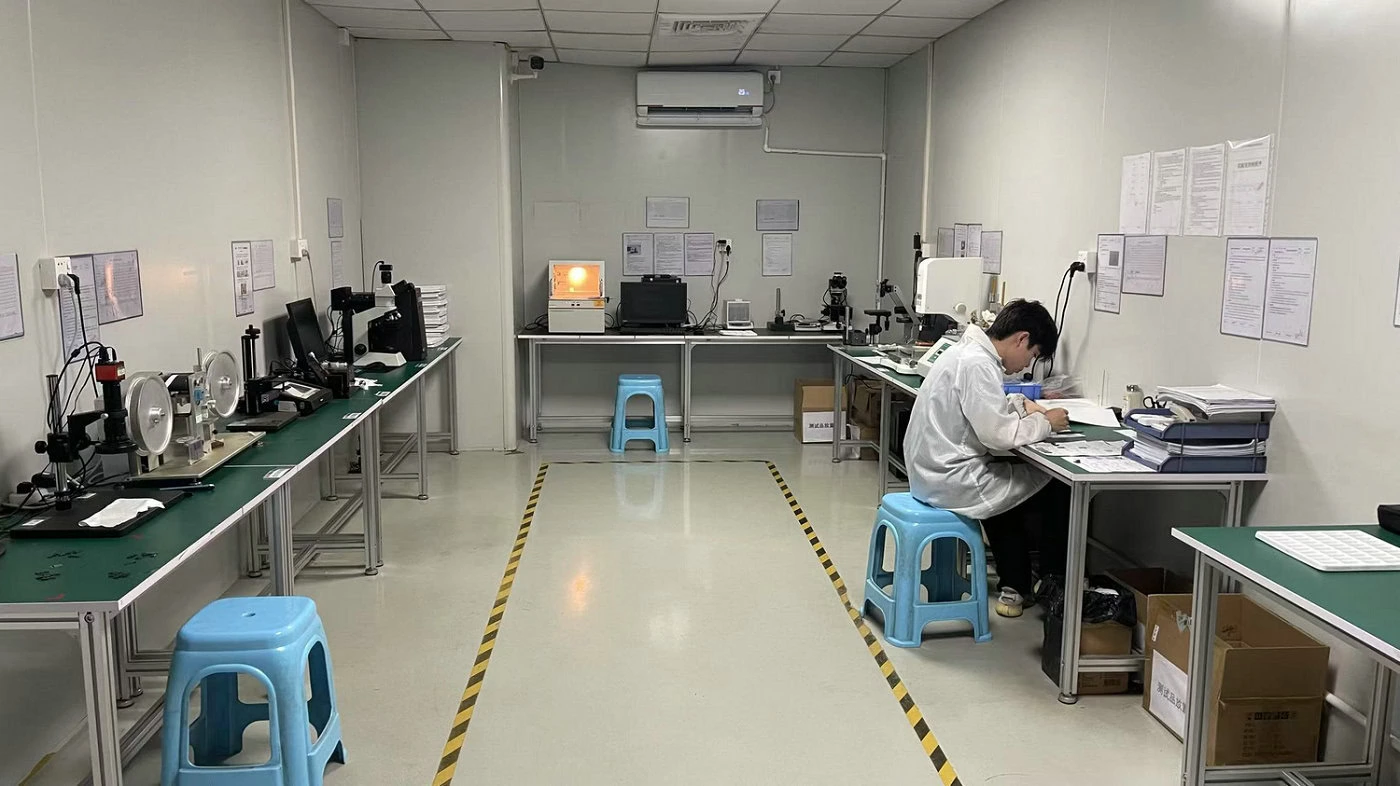
寸法、材料、表面、および報告サポートの詳細については、XTMIMの MIM検査・試験能力.
工場実績
実際のワークショップおよび生産画像を参考に、サプライヤーが識別可能な運用環境を持っていることを確認してください。示されたエリアでどのような活動が行われているか、そしてそれらの活動にどのプロジェクト記録を関連付けられるかを質問してください。.
DFM(製造性)の実証
プロジェクト固有の図面に関する質問、重要寸法のマーク、金型リスクに関する注記、ゲートまたは突き出しに関する懸念、焼結サポートのリスク、および未解決のエンジニアリングアクションについてご要望ください。一般的なプロセス画像は、実際のDFMフィードバックに代わるものではありません。.
検査証拠
実際の部品に対する測定方法、基準戦略、検査範囲、レポート形式、サンプリング要件、および合格基準を確認してください。ワークショップの画像は信頼性を高めますが、合意された検査計画に代わるものではありません。使用する MIM品質検査チェックリスト CTQ寸法、FAI範囲、検査方法、サンプル承認、および生産受入記録の詳細なレビューが必要なプロジェクトの場合。.
保護のための証拠
顧客図面、部品画像、レポート、およびプロジェクトデータは機密情報となる場合があります。資格のあるサプライヤーは、他の顧客の専有情報を公開することなく、そのレビューおよび管理プロセスを説明できます。.
サプライヤーは、見積もり前にMIM設計リスクをレビューできますか?
資格のあるMIMサプライヤーは、見積もりまたは金型製作前に設計リスクを特定できる必要があります。これは、サプライヤーが顧客の製品を文脈なしに再設計すべきであるという意味ではありません。これは、サプライヤーがコストとリードタイムを約束する前に、エンジニアリングレビューを必要とするジオメトリ、公差、材料、および機能要件を知っているべきであるという意味です。.

重要な寸法と機能面
サプライヤーは、組み立て、シール、回転、位置合わせ、摩耗、圧入、磁気性能、またはその他の機能を制御する寸法について質問する必要があります。MIM部品には、しばしば小さなフィーチャー、複雑なプロファイル、内部形状、薄肉、および複数の基準面が含まれます。すべての寸法に同じ製造上の注意を払う必要はありません。.
- 機能上重要な寸法
- 外観または非重要寸法
- 焼結後寸法
- 機械加工または研削が必要な寸法
- ゲートマーク、パーティングライン、またはサポート接触の影響を受ける表面
- 検査および組立制御のための基準面
より厳しい公差計画については、 MIM公差.
肉厚と肉厚の急激な変化
肉厚は、フィードストックの流れ、成形後のコンパクト強度、脱脂挙動、焼結時の歪み、および最終的な寸法安定性に影響します。サプライヤー評価の観点からは、サプライヤーが肉厚の規則を繰り返せるかどうかという問題ではありません。問題は、急激な肉厚の変化、孤立した厚肉部、支持されていない薄肉部、および焼結中に歪む可能性のあるフィーチャーを特定できるかどうかです。.
詳細な肉厚ガイドについては、 MIM肉厚ガイド.
穴、スロット、アンダーカット、および突き出しリスク
穴、スロット、アンダーカット、溝、サイドフィーチャー、および小さな窓はMIMを選択する強力な理由になるかもしれませんが、それらは依然として金型複雑性、コアピン、突き出し、グリーン部品の取り扱い、および焼結サポートに影響します。サプライヤーは、その形状がスライド、リフター、壊れやすいコアピン、特殊な突き出し戦略、サポート、二次加工、または金型製作前の設計調整を必要とするかどうかを説明すべきです。.
フィーチャーごとのレビューについては、 MIMにおける穴、スロット、アンダーカット.
ゲート位置、流路、および目視面のリスク
ゲート位置は、フィードストックの充填、ウェルドライン、巻き込み空気、ゲート跡、目視面の仕上がり、および局所的な密度ばらつきに影響します。サプライヤーは、ゲートマークがどこに現れる可能性があり、それが機能面または外観面に影響するかどうかを説明できる必要があります。目視面、流動長、薄肉部、および公差域をレビューする前にゲート位置が重要ではないと言うサプライヤーは要注意です。.
詳細については、以下を参照してください。 MIMゲート設計.
金型製造前のDFMフィードバック
有用なMIMサプライヤーは、金型製造開始前にDFMフィードバックを提供するべきです。フィードバックは長文である必要はありませんが、最も重要な形状、公差、金型、材料、および品質のリスクを特定する必要があります。より広範な設計ルールについては、以下を参照してください。 MIMのDFM.
サプライヤーはMIMプロセスチェーン全体を管理していますか?
MIMサプライヤーは、成形能力だけでなく、プロセスチェーン全体で評価されるべきです。MIMでは、最終部品はフィードストックの準備または選定、射出成形、脱脂、焼結、場合によっては二次加工、そして最終検査を経て製造されます。いずれかの段階での弱点は、後工程でクラック、変形、密度ばらつき、表面品質不良、または寸法不良として現れる可能性があります。.
これらの要件と比較してXTMIMを評価されるバイヤー様は、弊社の 金属射出成形(MIM)の能力 について、製造、金型調整、エンジニアリングレビュー、プロジェクト開発、品質管理、検査、工場実績、および認証の各側面からご確認いただけます。.
フィードストックと材料準備
フィードストックは、流動挙動、金型充填、成形後のコンパクト強度、脱脂安定性、収縮挙動、および最終特性に影響します。バイヤーは、サプライヤーが必要な材料ファミリーの経験を持っているか、また、再現性のある生産のためにフィードストックの取り扱いが十分に管理されているかを確認すべきです。.
さらに読むには、以下を参照してください。 フィードストックがMIM部品の品質に与える影響.
射出成形プロセスの安定性
MIM射出成形は、ショートショット、フローマーク、巻き込み空気、ウェルドライン、バインダー分離、ゲート欠陥、およびコンパクト損傷を回避しながら、複雑なキャビティを充填する必要があります。成形、脱脂、焼結の取り扱いについて議論せずに、「成形できる」とだけ言うサプライヤーは、プロセス全体を評価していない可能性があります。.
関連記事: 射出成形がMIM部品の品質に与える影響.
脱脂・焼結のリスク管理
脱脂は焼結前にバインダーを除去する工程です。脱脂が適切に管理されない場合、亀裂、膨れ、変形、汚染、内部強度低下などの欠陥が発生する可能性があります。焼結は最終的な高密度金属部品を製造しますが、収縮や変形の风险も伴います。そのため、サプライヤー評価では収縮管理、サポート戦略、炉プロセス安定性、寸法検証を含める必要があります。.
プロセスリスクの詳細については、 脱脂と焼結がMIM部品の品質に与える影響 および MIM焼結支持.
二次加工と最終検査
一部のMIMプロジェクトでは、機械加工、ねじ切り、研削、研磨、熱処理、不動態化処理、コーティング、めっき、洗浄、または組立が必要となります。バイヤーは、焼結後そのままの状態(as-sintered)で達成可能なことと、後加工が必要なことをサプライヤーが明確に区別できるか確認する必要があります。最終検査は、3Dモデルに示された形状だけでなく、部品の機能的リスクに合致する必要があります。.
より広範な品質要因については、 MIM部品の品質に影響を与える要因は?.
サプライヤーは収縮、公差、初品修正に対応できますか?
収縮と寸法管理は、MIMサプライヤー評価の中心です。金型製作前に収縮がどのように扱われるかを説明できないサプライヤーは、初回サンプル製作後にコスト、スケジュール、および承認の問題を引き起こす可能性があります。.
焼結後そのままの状態(As-Sintered)と後加工(Post-Machined)の公差
優れたサプライヤーは、焼結後そのままの状態(as-sintered)で期待される寸法と、機械加工やその他の後加工を必要とする寸法を区別すべきです。これは、すべての公差要件をMIMプロセス自体で解決する必要はないため重要です。一部の機能的な穴、基準面、シール面、および組立インターフェースには、機械加工、研削、または専用の測定計画が必要になる場合があります。.
金型製作前の収縮補正
MIM金型は収縮補償を考慮して製作されます。サプライヤーは、金型設計前に部品形状、材料、予想される収縮率、焼結挙動、および重要寸法をどのようにレビューするかを説明する必要があります。バイヤーが収縮率を計算する必要はありませんが、最終的な部品要件を金型およびプロセス設定に反映させるための管理された方法がサプライヤーにあることを確認する必要があります。詳細な技術的議論については、 MIM収縮補償.
初品検査と修正ループ
初品検査は単なる合否判定ではありません。MIMプロジェクトでは、金型、焼結、検査、そして顧客承認の間で行われる修正ループの一部となることがよくあります。サプライヤーは、初品サンプルがどのように検査されるか、公差外のフィーチャーがどのように分析されるか、そして修正に金型修正、プロセス調整、サポート変更、検査明確化、または機械加工が必要かどうかを説明できるべきです。.
代表的なエンジニアリングシナリオ:最初のサンプルで重要な穴の位置が不合格
シナリオ開示: この代表的なシナリオは、説明のために繰り返し発生するMIMサプライヤー評価のリスクを組み合わせています。特定の顧客プロジェクト、文書化されたXTMIMの生産事例、または検証済みのサプライヤー監査として提示されるものではありません。.
発生した問題: バイヤーは競争力のある見積もりを受け取った後、金型を承認しました。初品サンプルが製造されましたが、いくつかの重要穴の位置がアセンブリ要件を満たしていませんでした。.
発生理由: サプライヤーは、どの穴が機能的で、どの寸法が基準寸法であるかを尋ねずに部品の見積もりを行いました。アセンブリではより厳しい位置制御が必要でしたが、穴は通常の焼結済みフィーチャーとして扱われました。.
真のシステム原因: 問題は収縮だけではありませんでした。実際のシステム原因は、金型製作前の重要寸法レビューの欠如でした。ゲート位置、焼結サポート、基準計画、検査方法、および可能な二次機械加工は、金型設計前に議論されませんでした。.
修正方法: プロジェクトチームは、重要寸法と非重要寸法を分離し、検査計画を改訂し、サポート戦略を見直し、機能穴に対して金型調整または二次機械加工が必要かどうかを評価しました。.
再発防止策: 金型製作前に、バイヤーは図面に重要寸法をマークし、基準要件を確認し、サプライヤーにDFMレビューを依頼し、収縮と検査がどのように管理されるかを尋ねるべきです。関連記事: 部品寸法が最終的なMIM部品品質に与える影響.
サプライヤーは関連する材料およびフィードストックの経験を持っていますか?
材料の経験は重要です。なぜなら、MIM材料の選定は、焼結挙動、収縮安定性、機械的特性、耐食性、磁気応答、熱処理、表面仕上げ、および検査要件に影響を与えるからです。バイヤーは、サプライヤーが材料グレードを名前で言えるかどうかだけでなく、材料ファミリーおよびアプリケーション要件に関する関連経験を持っているかどうかを尋ねるべきです。.
材料ファミリーの経験
サプライヤーは、ステンレス鋼、低合金鋼、軟磁性合金、タングステン合金、またはその他のMIMに適した金属などのターゲット材料ファミリーに関する経験について議論できるべきです。サプライヤーは機密の顧客プロジェクトを開示する必要はありませんが、材料ファミリーのプロセス上の考慮事項を説明できるべきです。.
焼結密度と機械的特性
機能部品の場合、材料評価には期待される密度、機械的特性要件、熱処理の必要性、および使用環境を含める必要があります。最終的な特性は、材料、焼結、後処理、および検査要件に依存するため、バイヤーはプロジェクト固有の確認なしに一般的な材料記述を受け入れることを避けるべきです。.
熱処理と表面仕上げの適合性
一部のMIM部品は、熱処理、不動態化、コーティング、研磨、研削、めっき、または洗浄を必要とします。これらの工程は、寸法、表面状態、耐食性、磁気特性、およびコストに影響を与える可能性があります。サプライヤーは、これらの要件が見積もりに含まれているかどうか、およびそれらが検査要件を変更するかどうかを明確にする必要があります。.
材料固有のプロジェクトレビューについては、 MIM材料選定チェックリスト. を参照してください。詳細については、 材料選定がMIM部品の品質に与える影響.
バイヤーは品質システム、検査、およびトレーサビリティをどのように確認すべきか?
品質証明書はサプライヤー評価をサポートできますが、プロジェクトレベルのレビューに取って代わるべきではありません。MIMバイヤーにとって、実用的な質問は、サプライヤーが品質システムをプロジェクト固有の検査、トレーサビリティ、不適合部品管理、および是正処置に翻訳できるかどうかです。.
ISO 9001、ISO 13485、またはIATF 16949の要件
バイヤーは、サプライヤーの品質システムがプロジェクトの業界要件と一致しているかどうかを尋ねるべきです。一般的な産業用部品は、医療、自動車、航空宇宙関連、または安全関連の用途とは異なる文書レベルを必要とする場合があります。認証はサプライヤーの適格性をサポートできますが、サプライヤーが特定のMIM部品の収縮、公差、材料、および検査リスクをレビューしたことを証明するものではありません。.
初品検査(FAI)
FAIは、最初のサンプルが合意された図面、公差、材料、および機能要件を満たしていることを確認する必要があります。MIMプロジェクトの場合、FAIは収縮補償、金型設計、焼結サポート、および検査方法が期待どおりに機能しているかどうかを判断するのにも役立つはずです。.
ロットトレーサビリティと材料文書
トレーサビリティにより、購入者とサプライヤーは納入された部品を材料ロット、生産バッチ、検査記録、およびプロセス履歴に結びつけることができます。必要なトレーサビリティレベルは、プロジェクトのリスク、業界の要件、および顧客仕様によって異なります。購入者は、生産出荷が開始された後ではなく、サンプル承認前に文書化の期待事項を定義する必要があります。.
不適合部品の管理と是正措置
購入者は、サプライヤーが不適合部品をどのように管理しているか、処分の決定権者は誰か、 rework(修正)が許可されているか、 reworkはどのように検査されるか、そして再発防止策はどのように講じられているかについて質問すべきです。MIMにおいては、フィードストック、成形条件、脱脂、焼結、金型、二次加工、または検査方法の変更が最終品質に影響を与える可能性があります。.
サプライヤーはRFQおよびプロジェクトレビュー中に明確にコミュニケーションできますか?
サプライヤーとのコミュニケーションはリスク管理の一部です。プロフェッショナルなMIMサプライヤーは、迅速に応答するだけでなく、適切な質問をし、不足している情報を特定し、見積もりの背後にある技術的な仮定を説明する必要があります。.
見積もり前のエンジニアリングに関する質問
- どのような材料が必要ですか?
- どの寸法が重要ですか?
- どの表面が機能的または外観用ですか?
- 重要な特徴に対して機械加工は許可されていますか?
- 特別な検査書類が必要ですか?
見積もりの前提条件の透明性
- 金型費用と金型に関する前提条件
- サンプル費用と承認範囲
- 単価に関する前提条件
- 二次加工
- 検査およびドキュメントスコープ
価格のみの見積もりでは、サプライヤーごとに技術スコープが異なる可能性があるため、サプライヤーを公平に比較することが困難になります。プロジェクトがエンジニアリングレビューの準備ができた際には、次のことが可能です。 図面をレビュー用に提出する.
バイヤーは2つのMIMサプライヤーの見積もりをどのように比較すべきか?
2つのMIM見積もりは、技術スコープが大きく異なる場合でも、同様に見えることがあります。サプライヤーを選択する前に、バイヤーはエンジニアリングレビュー、金型計画、材料の前提条件、検査スコープ、および修正プロセスに含まれる内容を比較する必要があります。見積もりに二次加工、サンプル修正、ドキュメント、または現実的な公差管理が含まれていない場合、単価が低い方が高価になる可能性があります。.
| 見積項目 | 比較すべき点 | 重要性 |
|---|---|---|
| DFMレビューの範囲 | サプライヤーが形状、肉厚、ゲート感応部、重要寸法、および焼結サポートのリスクをレビューしたかどうか。. | DFMレビューを含まない見積もりでは、金型変更やサンプル修正のコストが隠されている可能性があります。. |
| 材料の仮定 | 材料ファミリー、グレードオプション、熱処理、表面処理、および代替品の有無に関する正確な情報。. | 材料の選択は、収縮率、密度、機械的特性、耐食性、仕上げ、および価格に影響します。. |
| 金型および収縮率計画 | 金型補正、サンプル試作の想定回数、および初品偏差の修正方法。. | MIM金型の決定は、最終的な寸法管理と修正リードタイムに影響します。. |
| 公差および二次加工 | どの寸法が焼結後そのまま(as-sintered)で、どの寸法が機械加工、研削、またはその他の二次加工を必要とするかの指定。. | 二次加工を考慮しない見積もりは安価に見えるかもしれませんが、機能要件を満たせない可能性があります。. |
| 検査および書類 | 初回部品検査(FAI)レポート、測定方法、材料証明書、トレーサビリティレベル、および品質記録に関する要求事項。. | サンプル承認および量産受入は、合意された検査証拠に依存します。. |
| 量産準備体制 | サプライヤーがサンプル承認から量産バッチ、梱包、変更管理、および不適合部品の取り扱いまで、どのように移行するか。. | 安定したサンプル生産が、必ずしも安定した量産を証明するわけではありません。. |
MIMサプライヤーが不適切である可能性を示す要注意サインは何ですか?
要注意サインは、必ずしもサプライヤーが無能であることを意味しませんが、バイヤーは金型製作、サンプリング、または生産前に立ち止まって明確化を求めるべきです。MIMプロジェクトにおいて、最も深刻なリスクは高価格ではなく、金型製作開始前の不明確な技術的責任であることがよくあります。.

| 注意点 | 重要性 | バイヤーが確認すべきこと |
|---|---|---|
| 図面またはCADなしのサプライヤー見積もり | 価格が、形状、公差、材料のレビューに基づかず、仮定に基づいている可能性があります。. | 材料、公差、金型、検査にどのような仮定が使用されましたか? |
| 収縮に関する議論がない | MIMの寸法は、収縮補償、焼結サポート、およびプロセス制御に依存します。. | ツーリング前に収縮はどのようにレビューされますか? |
| サプライヤーは全てのタイトな公差を約束します | 全ての公差が焼結後そのまま適用できるわけではありません。特に機能穴、基準面、またはシール面は注意が必要です。. | どの寸法に機械加工または特別な検査が必要ですか? |
| DFMフィードバックなし | 金型製作後に設計リスクが発見される可能性があり、その場合の修正は遅く、より高価になります。. | ツーリング前に簡単なDFMレビューを提供していただけますか? |
| FAIまたは検査計画なし | 測定方法、基準、および報告フォーマットが定義されていない場合、サンプル承認は不明確になります。. | 初回サンプルにはどのような検査報告書が提供されますか? |
| 材料ドキュメントなし | 品質とトレーサビリティのリスクが増加します。特に規制対象部品や性能が重要な部品では顕著です。. | どのような材質証明書または適合証明書が提供されますか? |
| MIMをCNC、粉末冶金(PM)、またはプラスチック射出成形のように扱うこと | フィードストックの挙動、脱脂、焼結収縮、金型補正などのプロセス固有のリスクが見落とされる可能性があります。. | フィードストック、脱脂、焼結、収縮、および検査はどのように管理されますか? |
サプライヤーレビューで回避可能な設計リスクが明らかになった場合、 MIM設計でよくあるミス このガイドは、金型製作前に明確にすべき問題を特定するのに役立ちます。.
MIMサプライヤーを評価する前に、どのような情報を提供すべきですか?
サプライヤー評価の質は、買い手が提供する情報の質に依存します。完全なRFQパッケージは、サプライヤーがリスクを早期に特定し、隠れた仮定を少なくしてプロジェクトを見積もるのに役立ちます。.
| RFQ入力項目 | サプライヤー評価において、なぜ重要なのか |
|---|---|
| 2D図面 | 公差、基準、材質注記、表面仕上げ、および検査の期待値を定義します。. |
| 3D CADファイル | 金型、形状、流路、突き出し、およびフィーチャーのレビューをサポートします。. |
| 材料要件 | フィードストック、焼結、機械的特性、コスト、および後処理に影響します。. |
| 重要寸法 | 公差、基準、金型補正、検査の優先順位を特定するのに役立ちます。. |
| 機能面 | 重要な領域のゲートマーク、パーティングライン、サポートマーク、変形、または仕上げの問題を回避するのに役立ちます。. |
| 表面仕上げ要件 | 二次加工、外観基準、洗浄、耐食性、コストに影響します。. |
| 年間数量 | MIMの適用性、金型経済性、生産計画、サンプリング戦略に影響します。. |
| 適用背景 | サプライヤーが負荷、摩耗、腐食、温度、磁気機能、または規制の状況を理解するのに役立ちます。. |
| 検査要件 | レポート形式、測定方法、サンプリングレベル、承認プロセスを決定します。. |
バイヤーの役割別 MIM サプライヤー評価チェックリスト
製品エンジニア向け
サプライヤーが設計、形状、材料、公差、機能のリスクを特定できるかに焦点を当てます。サプライヤーは、実用的な DFM フィードバックを提供し、設計変更、二次加工、または公差の明確化が必要になる可能性のある箇所を説明する必要があります。.
関連ガイド: MIM部品設計.
購買チーム向け
技術的な前提条件が明確になった後にのみ、見積もりを比較してください。二次加工、検査、文書化、梱包要件、または現実的な金型修正が含まれていない場合、単価が低くても最良とは限りません。.
品質エンジニアおよびSQE向け
ドキュメント、トレーサビリティ、検査、不適合品管理、是正処置に焦点を当てます。規制対象または安全関連の用途では、サンプル注文前に品質要件を定義する必要があります。.
プロジェクトマネージャー向け
RFQから金型、サンプル、修正、承認、量産立ち上げ、変更管理までの開発パス全体をサプライヤーがサポートできるかどうかを評価します。.
RFQまたは金型製作前のMIMサプライヤー評価が必要ですか?
新規または移管プロジェクトのMIMサプライヤーを評価している場合は、2D図面、3D CADファイル、材料要件、重要公差、表面仕上げの注記、年間推定数量、および用途の背景情報をXTMIMに送信して、エンジニアリングレビューを受けてください。.
XTMIMは、部品がMIMに適しているか、DFMの注意が必要な設計上の特徴、材料および公差の期待値が現実的か、収縮や焼結歪みのリスクがどこに現れる可能性があるか、そして金型製作、初回部品検査、または量産承認の前に明確にすべきことなどをレビューするお手伝いができます。.
- 2D図面と3D CADファイル
- 材料要件またはターゲット材料ファミリー
- 重要公差、基準注記、および機能面
- 表面仕上げ、熱処理、コーティング、または洗浄要件
- 推定年間数量と用途背景
- 利用可能な場合、現在のサプライヤーの問題、サンプル不良、または量産移管の懸念
規格および技術参考資料
MIMプロジェクトのサプライヤー評価は、プロジェクト固有のエンジニアリングレビューと関連業界の参照情報を組み合わせる必要があります。規格や協会は、材料、プロセス、品質に関する議論をサポートできますが、サプライヤー固有のDFM、金型、収縮、材料、および検査レビューに取って代わるものではありません。プロジェクト要件は、バイヤーの図面、材料仕様、顧客要件、および正式な規格文書に対して確認する必要があります。.
- 金属射出成形(MIM)のMIMAプロセス概要MIMプロセスルートの理解に役立ち、なぜサプライヤー評価で射出成形、脱脂、焼結、収縮、寸法管理をまとめて考慮する必要があるのかを理解するのに役立ちます。.
- MIMA材料範囲MIM材料の入手可能性と代替オプションについて、実際のサプライヤーに確認する必要がある理由を理解するのに役立ちます。.
- MPIF Standard 35 参照情報粉末冶金およびMIM関連仕様における材料と特性のコンテキストに役立ちます。.
- ASTM B883: 該当する場合、鉄系金属粉末射出成形材料仕様の文脈で関連します。.
- EPMA 金属射出成形の概要: MIMを他の粉末冶金ルートと区別し、複雑な大量金属部品にMIMが適している場合を理解するのに役立ちます。.
MIMサプライヤー評価に関するFAQ
MIMサプライヤー評価チェックリストとは何ですか?
MIMサプライヤー評価チェックリストは、金属射出成形サプライヤーが特定のプロジェクトに必要なエンジニアリング、プロセス、金型、品質、検査、およびコミュニケーション能力を備えているかを評価するための構造化ツールです。これにより、バイヤーが価格のみでサプライヤーを選定することを防ぎます。有用なチェックリストは、DFMレビュー、材料経験、焼結収縮管理、公差戦略、初品検査、トレーサビリティ、文書化、および生産準備性を網羅する必要があります。.
MIMサプライヤーを評価すべきタイミングはいつですか?
RFQ提出、金型投資、初回品承認、生産移管、またはサプライヤー変更の前に、MIMサプライヤーを評価すべきです。評価を早期に行うほど、図面の欠落、不明瞭な公差、材料リスク、表面仕上げ要件、検査ニーズ、コスト前提条件を特定しやすくなります。部品に厳しい機能寸法、複雑な形状、特殊な材料要件、または規制対象の品質要件がある場合、サプライヤー評価は特に重要です。.
MIMサプライヤー選定にISO認証だけで十分ですか?
いいえ。ISO認証はサプライヤー評価を支援しますが、プロジェクト固有のエンジニアリングレビューを代替するものではありません。バイヤーは、サプライヤーがMIM設計リスクのレビュー、収縮補償の管理、初回品検査の提供、材料トレーサビリティの維持、不適合部品の管理、必要な文書のサポートができるかどうかを確認する必要があります。医療や自動車プロジェクトの場合、顧客の要件に応じて追加の品質システム要件が適用されることもあります。.
MIMサプライヤーにどのようなエビデンスを求めるべきですか?
サプライヤーの技術的仮定を裏付けるプロジェクトレベルのエビデンス(DFMフィードバック、材料確認、金型・焼結収縮レビュー、初回品検査範囲、測定方法、トレーサビリティ手法、不適合品管理プロセスなど)を求めます。サプライヤーは機密の顧客情報を開示する必要はありませんが、貴社の部品が金型製作、サンプリング、量産前にどのようにレビューされるかを説明できる必要があります。.
サプライヤーが公差を達成可能と言っている場合、最も低いMIM見積もりを選ぶべきですか?
見積もり範囲を確認せずに判断してはいけません。低価格のMIM見積もりには、二次加工、特別検査、サンプル修正、材料証明書、包装要件、または現実的な金型補償が含まれていない場合があります。最安値を選ぶ前に、各サプライヤーが重要寸法のレビュー、焼結状態と機械加工後の公差、収縮制御、初回品検査(FAI)要件、および量産準備状況を比較しているか確認してください。.
MIMのRFQを送る前に確認すべき質問は?
MIMのRFQを送る前に、サプライヤーが2D図面、3D CADファイル、材料要件、重要寸法、表面仕上げの期待値、年間数量、後処理要件、およびアプリケーションの背景を必要とするかどうかを確認してください。能力のあるサプライヤーは、どの寸法が機能的なものか、機械加工が許可されているか、どのような検査文書が必要か、プロジェクトに規制や業界固有の品質要件があるかどうかも尋ねるべきです。.
サプライヤーがMIMの収縮と公差を理解しているかどうか、どのように判断すればよいですか?
MIMの収縮と公差を理解しているサプライヤーは、金型補正のレビュー方法、焼結状態で制御可能な寸法、機械加工が必要な可能性のある形状、重要寸法の検査方法、初回品の修正対応について説明できる必要があります。形状、材料、焼結挙動、データム要件、検査方法を確認せずにすべての厳しい公差を約束するサプライヤーは要注意です。.
MIMメーカー選定における最大の注意点は何ですか?
最大の注意点としては、図面なしでの見積もり、収縮に関する議論の欠如、DFMフィードバックの不在、過度な厳しい公差の約束、初回品補正の説明不足、検査文書の不備、材料トレーサビリティの不明確さ、そしてMIMをCNC加工や従来の粉末冶金、プラスチック射出成形と同様に扱うことなどが挙げられます。これらの兆候は必ずしもサプライヤーが能力不足であることを意味するわけではありませんが、金型製作や量産前に詳細な技術レビューを促すべきです。.
XTMIMへのサプライヤー評価またはRFQレビューのために何を送付すべきですか?
2D図面、3D CADファイル、材料要件、重要公差、機能面、表面仕上げ要件、推定年間数量、用途背景、および現在の製造上の問題点をお送りください。これらの詳細情報により、エンジニアリングチームは金型製作の決定前に、MIM適合性、DFMリスク、収縮と公差に関する懸念、材料の実現可能性、検査要件、生産実現性を評価できます。.