
カスタムMIM材料:確立された合金の生産認定
図面で指定された合金が、ほとんどの工場で標準的なMIM材料リストにない場合。合金は既に存在し、他のサプライヤーがMIM粉末または加工の証拠を発表しているかもしれませんが、それでも認定部品にできるメーカーが必要です。中国本土でMIM製造を調達する海外OEMにとって、課題となるのは、その証拠をレビューし、異なる設備で合金を認定する意欲のある地元のパートナーを見つけることです。新しい合金ではなく、実用的なフィードストックと生産プロセス、サンプル承認、そしてリピート注文への現実的な道筋が必要です。
XTMIMは、確立されているが日常的ではない合金の問い合わせをケースバイケースでレビューします。図面、材料証拠、サプライヤーの準備状況、プロセス制約、および潜在的な試験ルートを評価できます。特殊な粉末およびペレット化されたフィードストックには専門のパートナーが必要な場合があり、脱脂および焼結には装置の互換性チェックまたは資格のある外部サポートが必要な場合があります。特定の材料および装置の要件を確認した後でのみ、利用可能な生産オプションを確認します。
- 新しい組成だけでなく、特定された合金と特定の部品要件。
- 他のサプライヤーからのMIM粉末、フィードストック、試験、テスト、または生産の証拠。
- 段階的な試験を正当化する図面、受け入れ要件、および意図された生産計画。
クイックアンサー:非標準MIM合金の認定方法は?
非標準MIM合金が必要な場合は、量産金型の発注前に材料の実現可能性レビューから始めてください。正確なグレード、図面、要求される特性、検査基準、年間予想需要、および既存のMIMテストまたは生産記録を送付してください。工場は、実行可能な工程、特殊なフィードストックサポートが必要な箇所、および成形、脱脂、焼結設備がその材料に対応できるかどうかを確認する必要があります。これらの質問が回答されたら、小さく測定可能なトライアルに合意してください。前の段階が合意された基準を満たした場合のみ、部品サンプルとパイロット生産に進んでください。フィードストックまたは炉の適合性が不確かなままの場合は、それらのギャップを調査するか、まず認定された外部パートナーを検討してください。
合金グレード、MIMパウダー、ペレット化されたフィードストック、および完成部品の生産結果について、個別の確認を依頼してください。いずれか一つでの成功が、他のものを確立するわけではありません。
お客様の合金はMIMプロセスの認定候補となりますか?
図面では、選択したMIMメーカーがこれまで処理したことのない、確立されたUNSまたはEN合金が指定される場合があります。お客様は既に粉末仕様、サプライヤーの試験報告書、または他社で製造されたMIM部品をお持ちかもしれません。この状況では、カスタム材料開発は通常、利用可能な技術的根拠を新しいメーカーに移管し、実際の部品に対して独自のプロセスを認定することを意味します。
確立された合金の認定 vs. 新規合金開発
プロセス認定 既存の材料を、新しいメーカーのフィードストック供給、成形、バインダー除去、焼結、仕上げ、検査、および生産管理に対して評価することです。 新合金開発 実績のない組成から始まり、広範な合金設計、粉末製造、バインダー研究、および基本的なプロセス開発が必要になる場合があります。XTMIMが意図するレビュー範囲は前者、すなわち信頼できる外部の証拠と現実的な生産計画に裏打ちされた、確立された合金の製造実現可能性です。開かれた合金発明は日常的なサービスではありません。
指定されたグレードが、確立されたMIM材料または承認された代替品で対応できる場合、サプライヤーの主導で必須の図面要件を変更することなく、そのオプションを検討すべきです。顧客が承認した代替品は、指定された合金を黙って置き換えることとは異なります。
既存のどの証拠が材料のレビューに値するか?
実際にどのステップがテストされたかを、メーカーと粉末サプライヤーに特定するように依頼してください。カタログのエントリは粉末の入手可能性を確認できますが、成形、焼結、検査された部品の証拠は、生産計画のより強力な基盤を提供します。
| 手元にある証拠 | それが確立するもの | 新しいメーカーがまだ確認する必要があること |
|---|---|---|
| 認識されている合金グレードまたは鍛造/鋳造データシート | 目標とする化学組成と参照特性が存在します。 | 実際のMIMプロセスが実証されているか。グレード名だけでは不十分です。 |
| MIM用に明示的に提供されている粉末 | 候補となる粉末供給ルートが存在します。 | バインダー配合、ペレット化されたフィードストックの入手可能性、加工および完成部品の特性。 |
| サプライヤーMIMフィードストックまたは焼結試験片の証拠 | MIMプロセスのいくつかのステップが実証されています。 | 新しい設備、形状、仕様、およびサプライチェーンへの移行可能性。 |
| 実際のMIM部品の検証または量産記録 | 材料が他の場所での部品生産をサポートできることを示すより強力な証拠。 | 独立した試験、再現性、コスト、および新しい工場での承認。 |
バインダージェッティング、レーザーパウダーベッドフュージョン、または従来のプレス&シンタリングからの結果は材料選定に役立ちますが、成形とバインダー除去の工程は異なります。信頼できるMIMの基盤が存在しない場合、XTMIMはプロセス移管プロジェクトを検討する前に、まず専門家からの証拠を必要とします。
合金の評価を希望するMIMメーカーの評価方法
中国本土で特殊合金のMIM部品を調達する際は、サプライヤーのウェブサイトにある材料リストだけでなく、さらに踏み込んでください。適切なメーカーは、共有が許可されている既存のプロセス記録を確認し、自社の設備能力を把握し、必要に応じて専門の粉末またはフィードストックサプライヤーを導入し、金型承認前に何をテストする必要があるかを説明できるべきです。一般的なステンレス鋼の経験だけでは、異なる焼結や汚染リスクを持つ銅合金に対する適合性は確立されません。
能力に関する質問
- どのMIM工程が社内で行われ、どの工程が認定されたパートナーによって行われますか?
- 工場は同等の合金ファミリーを認定したことがありますか、または他のサプライヤーのフィードストックを移管したことがありますか?
- その金型・成形チームは、実際の部品形状と収縮リスクを評価できますか?
- 焼結の約束をする前に、工場は実際の炉の構成を確認しますか?
協力に関する質問
- 誰が粉末/フィードストックサプライヤーに連絡し、材料仕様を文書化しますか?
- どの以前の技術記録を合法的に共有できますか、そして新しい工場で工程ステップを再検証するのは誰ですか?
- 有料トライアルを定義する前に、どのような技術的証拠が必要ですか?
- 長期的な生産量が信頼できる場合、管理されたトライアル数量でプロジェクトを開始できますか?
- 各工程の承認者は誰か、結果はどのように報告されるか、トライアルが失敗した場合はどうなるか?
書面で要求すべき事項: 有用なサプライヤーの回答は以下を特定します 既に利用可能な設備とプロセス, 専門パートナーに依存する作業、 トライアルを必要とする質問. 表は、実行可能な回答がどのようなものかを示しています。
| サプライヤーレビューのポイント | 有用な文書化された回答 | 明確化を要求する理由 |
|---|---|---|
| プロセス所有権 | 成形、脱脂、炉適合性、フィードストック、最終検査を評価する担当者名を特定し、外部パートナーを明記します。 | "「あらゆる合金が製造可能」としながら、設備能力や担当エンジニアを特定しない場合。 |
| 材料準備の証拠 | MIM固有の粉末、ペレット化されたフィードストック、試験片、および認定された部品生産を分離し、正確な合金グレードを特定します。 | 鍛造合金データシート、SLM粉末リスト、またはバインダージェッティングの結果をMIM量産品の証明として使用します。 |
| 設備と汚染 | 炉適合性レビュー、承認されたトライアル場所、および確立された生産への干渉を防ぐための計画を提供します。 | 鉄系炉が、その温度範囲が十分であるという理由だけで、特殊な銅合金を処理できると仮定しています。 |
| トライアル承認 | 限定的なテスト、書面による受け入れ基準、責任、コスト境界、および続行/修正/停止の決定を提案します。 | 重要な未知数が調査される前に、完全な量産金型を要求するか、量産価格を約束します。 |
合金が提案されたラインで処理されたことがない場合、信頼できる見積もりは、何が暫定的なままであるかを特定する必要があります。最終的な特性、単価、および納期は、合意された材料供給、炉ルート、金型、および受け入れテストに依存します。
XTMIMは、 図面およびプロセスレビュー 製造上の制約を特定し、トライアル計画を検討するため。
最初の実現可能性レビューのために工場と共有すべきものは?
最初の問い合わせでは、部品図面、材料および性能要件、そしてその合金に関する過去のMIM実績の3点を結びつけることが有効です。材料検索の開始にはグレード名で十分ですが、量産見積もりには不十分です。許可がある場合のみ既存のサプライヤー記録を共有してください。新しい工場は、独自の加工条件を確立する必要があります。
- 正確な合金グレード、適用規格、および要求される組成限界
- 公差が明記された2D図面、可能であれば3D CAD
- 部品機能、組立条件、および動作環境
- 完成部品の受け入れ目標:密度、硬度、強度または機能特性
- 既存のMIM粉末仕様、フィードストックデータ、またはトライアルレポート
- サプライヤー連絡先、または追加の粉末/フィードストック文書を要求する許可
- 比較可能なサンプル部品または既知の製造実績(共有可能な場合)
- 表面仕上げ、めっき、熱処理、および検査要件
- 年間予想生産量、試作数量、および量産立ち上げ計画
- 技術検証の目標スケジュールと予算
- 必須または交渉可能な材料または性能要件
材料仕様のみをお持ちの場合: MIM粉末およびフィードストックの入手可能性と、可能な炉の制限について初期チェックを依頼してください。意味のある部品の見積もりには、形状、数量、および許容基準が必要です。グレードの変更が提案された場合は、顧客のエンジニアリング承認が必要です。
初回お問い合わせの例: "Our component requires [exact alloy and standard] because of [mandatory function or specification]. We can share [drawings, required properties and existing MIM evidence], and expect [initial validation demand] followed by [estimated annual volume]. Can your team identify the available feedstock and sintering route, the documents needed for a feasibility decision, and the scope of an initial paid trial before production tooling?" The factory can then tell you which documents or decisions are missing before a trial can be priced.
工場では、材料とプロセスの実現可能性をどのように評価しますか?
合金と部品の要件が明確になったら、工場は粉末から最終部品までの製造シーケンスをチェックします。適切な粉末が購入可能であっても、フィードストックデータの不足、不安定なバインダー除去、不適切な焼結条件、または寸法再現性の悪さが生産を妨げる可能性があります。
既存のMIM実績、粉末およびフィードストックの入手可能性
正確なグレード、粉末化学組成、粒子特性、酸素/不純物要件、サプライヤーの能力、最小注文数量、および供給継続性を確認することから始めます。サプライヤーは、MIMに適した粉末を販売していても、認定されたペレット化されたフィードストックを供給していない場合があります。また、フィードストックの配合を持っていても、それが新しい部品のバインダー除去および焼結条件に適合するという証拠がない場合もあります。
専門の粉末またはフィードストックサプライヤーが通常、材料配合を準備し、 成形準備済みMIMフィードストック. XTMIMでは、粉末の溶射や粉末・バインダーの配合を日常的な社内業務としては行っていません。新しいフィードストックの手配には、一貫性、文書化、およびトライアルに対する責任を定義する必要があります。
以前のサプライヤーから要求する記録: 中国の工場へ材料を移管する際は、粉末証明書とバッチ情報、フィードストックまたはバインダーファミリー、脱脂方法、焼結雰囲気、 specimen description、後処理工程、測定された特性および既知の欠陥について、開示が許可されている範囲で要求してください。編集された試験報告書でも、サプライヤーの専有レシピを公開することなく、新しい工場が開始点を判断するのに役立ちます。レーザー粉末床溶融結合法(LPBF)およびバインダージェッティングの記録は有用な材料参照として残りますが、それらは置き換わるものではありません。 射出成形と脱脂 トライアル。
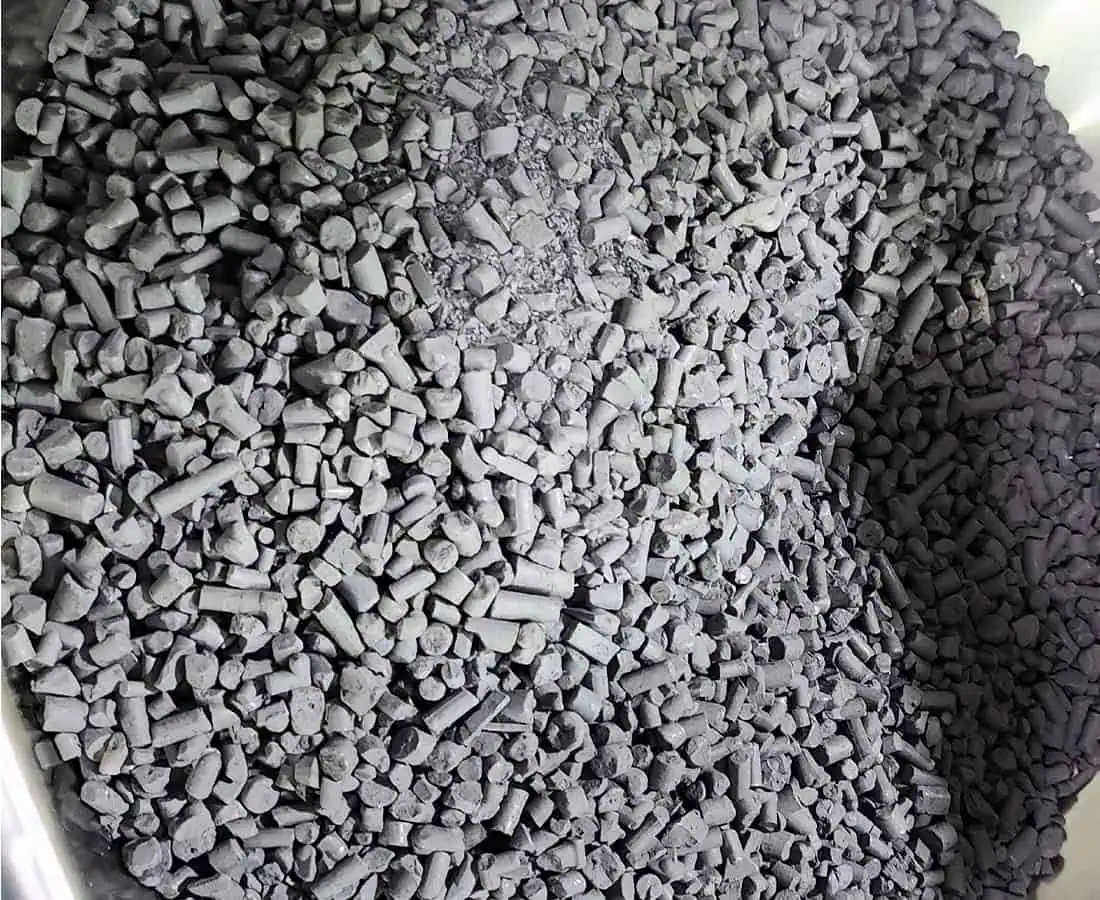
射出成形と脱脂の適合性
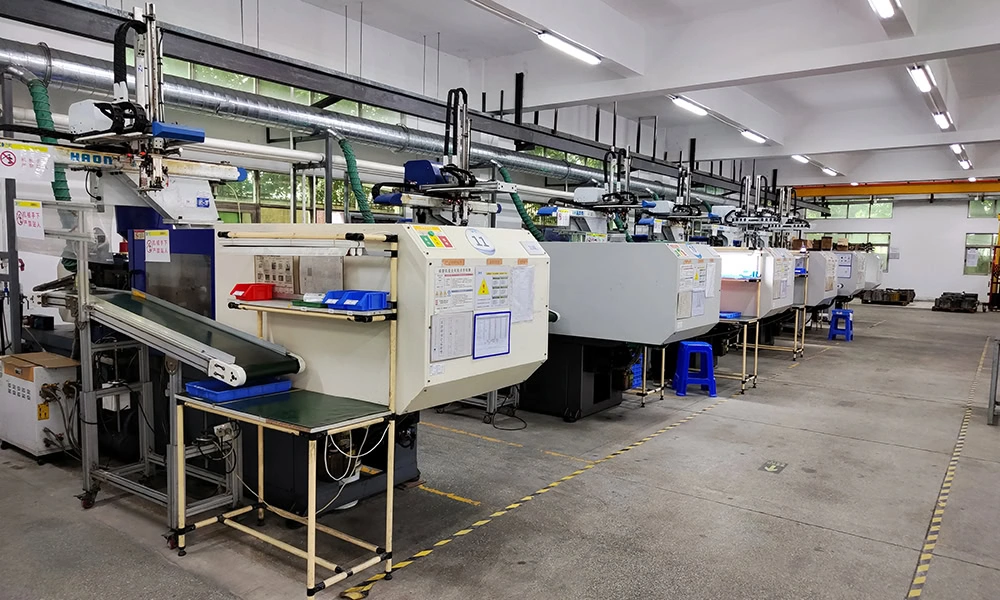
工場は、生産金型のコミットメントの前に、フィードストックの流れ、薄肉部や特徴部の充填、グリーン強度、ゲート効果、バインダー除去、および歪みを検査する必要があります。別のサプライヤーからの射出設定、バインダーシステム、および収縮データは有用な初期証拠となり得ますが、自動的に移管可能とはみなせません。材料トライアルでは、高価な生産金型を発注する前に、標準クーポン、適切なトライアルツール、または代表的なジオメトリが必要になる場合があります。
完成部品の性能と受入要件
承認は、 加工済み部品、鍛造合金のデータシート値や粉末化学組成のみに基づくものではありません。化学組成、密度、重要寸法、収縮率、表面状態、硬度、強度、熱特性、コーティング、その他の機能要件をどのように測定するかを事前に合意してください。熱処理や機械加工が必要な場合は、焼結のみで特性を保証するのではなく、資格のある工程に含めてください。
| 認定ゲート | 工場が回答すべき質問 | 進捗前の典型的な証拠 |
|---|---|---|
| 材料供給 | 指定された粉末とフィードストックは一貫して調達可能か? | サプライヤーデータ、仕様、トレーサビリティ、およびトライアル数量の合意 |
| 成形と脱脂 | フィードストックは目標形状を形成し、バインダー除去に耐えられるか? | 代表的なトライアル、欠陥レビュー、および文書化された加工ウィンドウ |
| 焼結と寸法 | 選択した設備で、要求される密度と安定した収縮率を達成できるか? | 実際の炉のレビュー、テストピースおよび寸法測定 |
| 完成品 | 最終的な特性と機能は、顧客の受け入れ計画を満たしていますか? | 検査、機能テスト、および顧客承認済みの試用結果 |
既存の焼結設備は新しい合金をサポートできますか?
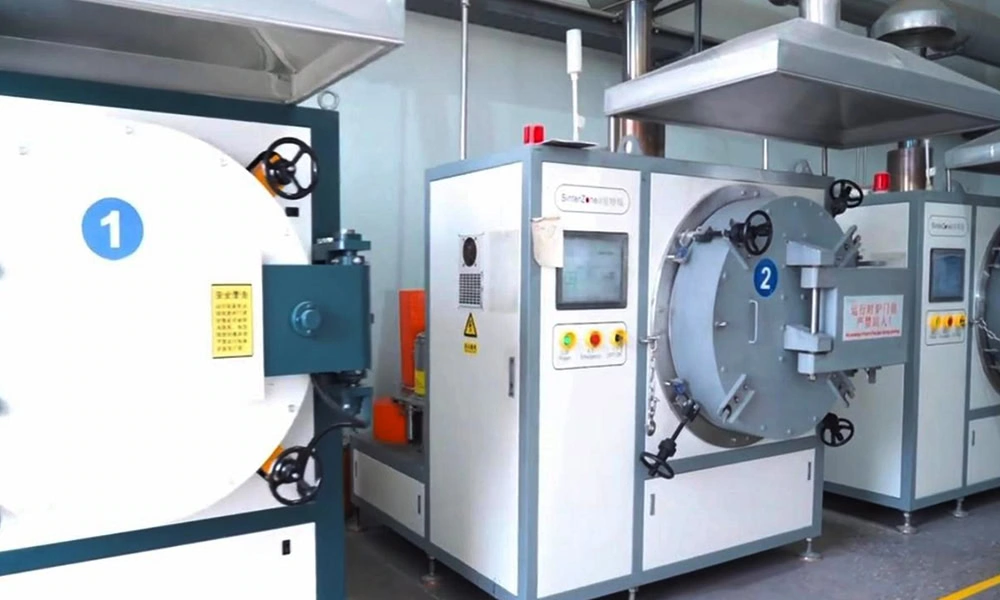
新しい合金の試作を行う前に、工場では炉の最高温度以上の確認が必要です。炉の種類、ホットゾーンと治具の材質、使用可能なガス、真空または圧力制御、バインダー排気、加熱および冷却条件、そして潜在的な汚染はすべて、材料が処理可能かどうかに関係します。これは、既存ラインが主に鉄系合金を焼結しており、提案された材料が揮発性または酸素に敏感な成分を含んでいる場合に特に重要です。
炉雰囲気、ホットゾーン、および汚染適合性
一部の銅系合金は厳密な酸素管理を必要とし、一部の合金元素は反応や汚染に関する追加の懸念を引き起こします。Cu-Zn真鍮の場合、高温での粉末焼結中の亜鉛損失は文書化されたリスクです。2025年のCu-Zn粉末の研究では、試験雰囲気中の水素の増加が焼結挙動を改善しましたが、亜鉛蒸発に関連する質量損失も増加しました。これは、1つのガス調整で問題が解決すると仮定することへの警告であり、推奨される炉レシピではありません。したがって、可能な亜鉛含有堆積物、排気処理、最終組成、およびその後の鉄系生産には、慎重な設備レビューが必要です。この研究は、CW508LまたはCW510L MIM部品の認定を確立するものではありません。
炉の評価では、提案された雰囲気、治具、および汚染制御が、既存の注文に影響を与えることなく、必要な組成と特性を保護できるかどうかを明記する必要があります。それらの条件が確認されるまで、社内焼結は生産プロセスとしてではなく、評価のためのオプションとして残ります。
プロセス調整、設備改造、または外部焼結?
| 可能なルート | 検討すべき時期 | 試作前に必要な決定 |
|---|---|---|
| 設備制限内でのプロセス調整 | 炉材、ガスシステム、運転範囲は既に適合しています。 | サプライヤーのドキュメント、装置の制限、試運転管理を確認してください。 |
| Limited configuration changes | Fixtures, monitoring or approved handling arrangements need alteration. | Obtain equipment-provider approval and define cleaning, inspection and restoration requirements. |
| Dedicated furnace or major modification | Contamination, atmosphere or hardware restrictions prevent a safe shared route. | Confirm engineering scope, investment, downtime and production-volume justification. |
| Qualified external sintering partner | The current line is not a suitable location for specialty-alloy trials. | Confirm process traceability, part acceptance, responsibility and confidentiality arrangements. |
Some may be compatible with existing equipment after controlled trials; others may not be suitable at all. A modified furnace is not necessarily limited forever to one material, but switching back requires appropriate contamination-control and process requalification. XTMIM should only confirm a particular route after reviewing the actual equipment and project conditions.
Return-to-production controls: For materials that may produce volatile deposits, the trial plan should name the approved furnace or isolated location, required inspection and cleaning, and the person responsible for releasing equipment back to routine production. The process owner and equipment specialist must approve these controls before any Cu-Zn trial; XTMIM has not qualified a brass retrofit under the projects discussed here.
この MIM焼結プロセス page explains the underlying sintering stages; the additional checks here concern a new alloy on a specific production line.
What Do C18150 and Cu-Zn Brass Inquiries Reveal About MIM Qualification?
XTMIM has received inquiries involving C18150 copper-chromium-zirconium and CuZn37/CuZn42 brass. Both involve established alloy designations, but their outstanding manufacturing questions are different. The examples below describe the information available during initial assessment; neither has been qualified for production at XTMIM.
C18150 CuCrZr: From MIM Powder Availability to Factory Qualification
開始点: A project specifies a copper-chromium-zirconium alloy with functional and dimensional requirements. A supplier has indicated that specialty powder may be arranged to order, but the local project does not yet have confirmed pelletized MIM feedstock, validated processing data or firm material pricing.
Available material evidence: Sandvik publicly lists Osprey C18150 powder designed for Metal Injection Moulding. That makes a specialist powder supply worth investigating. XTMIM would still need pelletized feedstock, suitable injection and debinding conditions, a workable sintering route and finished-part testing. Published C18150 Binder Jetting results are not equivalent to an injection-molded MIM process.
Next review steps: Confirm the precise drawing grade and governing composition limits before obtaining a feedstock quotation; a callout such as CuCr1.3 must not be treated as interchangeable with UNS C18150 without a standards check and customer approval. Next, engage an MIM feedstock specialist, assess the actual furnace and possible post-sinter heat treatment, and agree on tests for the finished part's conductivity, mechanical performance, dimensions and coating requirements where specified. Wrought or powder-catalog properties cannot be promised for the finished MIM component.
First qualification milestone: Identify the supplier's confirmed powder offer, whether a binder-compatible MIM feedstock and appropriate debinding data actually exist, and the furnace route proposed for a limited test. If the feedstock or furnace route is not yet supported, the first quotation should cover investigation only. Passing a material coupon test would then support a separate decision on part-specific trials.
Current status: Candidate for further supplier-supported feasibility assessment; no verified XTMIM volume-production outcome is claimed. The Sandvik Osprey C18150 source is linked in the technical references below.
CuZn37 and CuZn42: When an Established Brass Grade Still Lacks MIM Readiness
開始点: An inquiry identifies CuZn37 (CW508L) or CuZn42 (CW510L), both recognized industrial brass grades, with associated material requirements. At the initial review stage, there is insufficient part-level information and no confirmed, transferable MIM feedstock and production route for these exact grades.
Key uncertainty: The existence of a conventional brass grade or powder is not proof of MIM suitability. Zn evaporation, final alloy composition, sintering atmosphere and possible deposits inside the furnace require investigation. Peer-reviewed Cu-Zn powder-sintering research identifies Zn-loss mechanisms, but that work does not establish a validated CW508L or CW510L MIM production process.
Next review steps: Request the full part drawings and acceptance criteria, confirm grade-specific MIM evidence and supplier support, assess equipment compatibility and possible external sintering, then consider trial and investment economics. A claim that a supplier can prepare powder is insufficient to authorize furnace modification or tooling.
Checks needed before a brass trial can be approved: If a qualified specialist proposes a technically acceptable route, record incoming alloy chemistry and compare it with the resulting sintered specimen against customer-defined limits. Document test conditions and evidence of zinc loss or equipment deposits where applicable, alongside density and dimensional response. This assessment has not produced an approved CuZn37/CuZn42 sintering recipe or accepted trial results. Certification and batch traceability must also be checked against the customer's material specification.
Current status: Insufficient evidence for an immediate production commitment; major equipment investment should not be approved without a viable trial basis and credible production plan. The Cu-Zn powder-sintering study is linked in the technical references below.
| 確認事項 | C18150 CuCrZr inquiry | CuZn37 / CuZn42 brass inquiry |
|---|---|---|
| What is established? | Recognized grade and published MIM-oriented powder offering | Recognized brass grades; general Cu-Zn sintering-risk literature |
| What is missing for XTMIM? | Confirmed pelletized feedstock, actual process route and finished-part test results | Grade-specific MIM evidence, feedstock route, part details and furnace compatibility |
| Primary engineering risk | Process transfer, density, properties, heat treatment and repeatability | Zn loss, chemistry retention, equipment contamination and process uncertainty |
| Responsible next decision | Investigate supplier-supported material/process qualification | Gather evidence and assess feasibility before approving major trials or modifications |
For alloy-family context rather than the full qualification pathway, see MIM用銅合金.
What Must Be Agreed Before Specialty MIM Material Trials Begin?
Before purchasing trial feedstock or commissioning tooling, the customer and factory should agree on exactly what the first trial will test and how the results will be judged. The agreement should set the budget, pass/rework/stop conditions, data ownership, approval for repeat tests, and costs that will not be included in the eventual production unit price. A material trial should not imply an open-ended commitment to new-alloy research or equipment investment.
Trial Scope, Costs and Responsibility Allocation
| Agreement item | What to clarify before spending | Typical lead party |
|---|---|---|
| Material specification and usable evidence | Exact grade, required chemistry, document access and whether alternative materials are permitted | Customer with material supplier and factory |
| Powder and pelletized feedstock | Available stock, trial quantity, minimum order, preparation charge, documentation and batch traceability | Specialist powder/feedstock supplier |
| Molding, debinding and sintering trial | Test article, equipment route, number of iterations, constraints and what counts as an acceptable result | XTMIM and any qualified external process partner |
| Inspection and property tests | Methods, specimens, laboratory, acceptance limits, report format and who approves deviations | Customer and agreed testing parties |
| Tooling and possible furnace changes | What must be proven first; tooling cost, retrofit approval, line downtime and contamination controls | Joint approval, with appropriate equipment specialists |
| Commercial terms and decisions | Trial budget, payment responsibility, schedule assumptions, failed-trial treatment and stop criteria | Customer and XTMIM by written agreement |
Example trial brief: An OEM has a documented specialty-alloy powder source, but pelletized feedstock and a compatible furnace route have not yet been confirmed.
Question to answer: Can the agreed feedstock and approved equipment route produce representative specimens with acceptable binder removal, material chemistry and basic dimensional response, without creating an unaccepted furnace risk?
Evidence to collect: Source material and feedstock batch identification; supplier-declared processing constraints; approved trial location; observed defects; agreed incoming-versus-processed chemistry and physical checks; and the resulting inspection report. Exact test methods, sample quantities and thresholds must be agreed for the real project.
Go / revise / stop: Go only when the pre-agreed preliminary acceptance conditions are demonstrated; revise when a bounded corrective test is technically justified and funded; stop or change route when material supply, safety, equipment compatibility or customer-defined requirements cannot be met. Passing this trial authorizes only the next agreed phase, not production release.
A low initial trial quantity can be sensible when an OEM has a real annual demand and funds a staged qualification. That is different from a one-off purchase of a few finished parts with no production program. Specialty powder MOQs, test work and engineering time must be assessed against the anticipated life of the project.
Tooling risk: A production mold should not be fully specified around assumed shrinkage. MIM dimensional behavior depends on feedstock, geometry, binder removal, sintering conditions and secondary operations. Confirm enough of the material route first to avoid expensive compensation changes later. For general cost factors, see 金属射出成形コスト.
When Should a Specialty MIM Material Project Proceed, Pause or Change Route?
A useful feasibility response ends with a next action and the evidence needed to authorize it. An alloy may be technically possible but still need supplier records, a limited trial or a different manufacturing route before the project can proceed.
| 決定 | Evidence or condition | 推奨される次のステップ |
|---|---|---|
| Proceed to defined trials | Credible MIM evidence or a supported feedstock route, suitable equipment strategy, clear acceptance criteria and a production case | Approve trial scope, responsibilities and test plan |
| Validate evidence first | Candidate MIM powder exists but feedstock, furnace fit or part-performance evidence is incomplete | Seek supplier records or conduct a limited preliminary assessment |
| Pause investment | Potential major retrofit or material development cost, but unclear demand, drawing or technical basis | Do not commit production tooling or equipment modification yet |
| Change route with approval | A proven material, heat treatment, finishing route or another manufacturing process may meet the functional requirement | Present options for customer engineering approval |
| Decline open-ended R&D | No credible MIM basis and the request would require inventing new alloy chemistry and a process from scratch | Explain the current qualification boundary; refer to appropriate research capability if needed |
Before proposing a substitute alloy: Pure copper is not an automatic replacement for C18150 or CuZn37/CuZn42 simply because a factory has a more established copper MIM process. A replacement must be checked against the specified chemistry, mechanical behavior, conductivity, joining or plating requirements and any contractual certification rules. When the alloy grade is mandatory, a proposed material change remains a customer engineering decision.
Even where a substitute can meet the functional target, the customer must approve changes to a mandatory grade or certification requirement. Separately, compare the expected annual demand with powder minimum orders, trial costs and any required equipment changes before releasing funds.
How Does a Specialty MIM Alloy Move from Trials to Volume Production?
Moving a specialty alloy into production requires more than a successful sintered specimen. The factory must verify the actual component, repeat results across controlled trial batches, and obtain approval for the material supply and manufacturing conditions before releasing volume orders.
Initial Material Trials Before Production Tooling
Resolve the highest-cost uncertainties before ordering dedicated production tooling. A supplier sample, standard test piece, existing evaluation tool or representative geometry may provide early evidence of binder removal, sintering, shrinkage and basic properties. Material test pieces can establish a starting process window, but part geometry, tolerance and function still need separate checks.
Part Samples and Small-Batch Production Validation
Treat prototype approval and pilot-production approval as separate decisions. The first verifies actual-part geometry, dimensions, density and required functionality; the second checks whether those results can be repeated under controlled trial-batch conditions, including scrap and process variation. The pilot report then provides the basis for judging whether the process is ready for repeat orders.
Production Qualification, Repeatability and Scale-Up
Release production only against the agreed component-specific acceptance plan, including incoming material checks, feedstock traceability, process and furnace controls, inspection methods, required secondary operations, change control and supplier continuity. A new batch, equipment change or alternate feedstock source may require additional approval rather than automatic use of the original trial results.
Record for future production orders: the feedstock and powder lots, the actual trial furnace route, the tooling or specimen revision, any approved heat treatment or plating, the sample size and inspection basis, observed defects and the customer disposition. On repeat orders, a changed powder source, binder/feedstock formulation, furnace configuration, secondary-processing step or critical drawing revision should trigger documented impact review and any required requalification. Keep the records with the approved process so later batches can be compared against the qualification conditions.
Evidence and drawing review. Check the specified grade, existing MIM records, part drawing and expected demand. List the missing information before contacting material suppliers.
Supplier and equipment route. Confirm a feedstock supplier, the molding and debinding approach, and where sintering could take place. Price the investigation before scheduling equipment.
Material/process trial. Test the agreed specimens or representative geometry. Compare recorded properties and defects with the approval criteria before proceeding.
Part samples and customer acceptance. Inspect the actual part geometry, dimensions and required properties. Customer feedback determines whether further tooling or process changes are needed.
Pilot production. Run a controlled batch and record consistency, inspection results, process variation and scrap. Confirm that the results are repeatable under the agreed conditions.
Controlled volume release. Release the approved supply chain, process specification, inspection plan and change-control responsibilities for subsequent orders.
The sequence can be shortened or extended according to the part and material risks. Each approved stage should leave enough records for the next production decision; a process used elsewhere still needs confirmation on the selected factory's equipment.
Discuss a Specialty Alloy MIM Qualification Project
If you are looking for a mainland China MIM manufacturing partner for a non-routine grade such as C18150, CuZn37 or CuZn42, send the exact material specification, any transferable MIM evidence, part drawing, functional acceptance targets and planned trial-to-production quantities. XTMIM can assess whether a supplier-supported qualification route is worth pursuing; a listed grade is not an assurance that the material is already in our production range.
After the first review, we can identify the missing technical records, propose a defined trial where appropriate, or explain why another material or manufacturing route is better suited to the project. Any production commitment depends on an agreed qualification result.
Send Your Drawings & Material RequirementsFrequently Asked Questions About Custom MIM Materials
XTMIMは、全く新しい合金をゼロから開発していますか?
いいえ。ここで説明する範囲は、信頼できる技術的証拠のある確立された合金の実現可能性レビューとプロセス認定に焦点を当てています。新しい合金組成の開かれた発明や実証されていないMIMシステムは、日常的なサービスではありません。
MIM用金属粉末は、ペレット化されたフィードストックと同じですか?
MIM専用粉末は可能な出発原料ですが、ペレット化されたフィードストックには、独自の準備、成形、脱脂要件を持つバインダーシステムが含まれます。新しい工場がプロセスを検証する前に、専門サプライヤーがフィードストックの入手可能性と適合性を確認する必要があります。
特殊合金はすべて焼結炉の改造が必要ですか?
いいえ。適合性は、実際の炉、雰囲気、ホットゾーン、治具、汚染リスク、および材料仕様に依存します。一部の合金は既存の設備制限内で評価できる場合がありますが、他の合金は承認された変更、外部の専門家、または続行しないという決定が必要になる場合があります。
小ロットでの試作は可能ですか?
将来の信頼できる量産プログラムの定義された段階であり、その材料、テスト、および金型費用が合意されている場合、可能性としては可能です。量産計画のない単発の少量完成品注文では、特殊フィードストックの認定を正当化できない場合があります。
C18150粉末のデータシートは、最終的なMIM部品の導電性を保証できますか?
粉末組成および公開されている鍛造または他のプロセス特性は、新しいMIM部品の導電性を確立するものではありません。最終的な性能は、認定されたフィードストック、焼結、熱処理、および合意された受け入れ仕様に対する実際の部品テストに依存します。
合金仕様はあるが、まだ部品図がない場合はどうすればよいですか?
工場では、粉末/フィードストックの入手可能性と、考えられる設備上の制約について初期レビューを行う場合があります。部品固有の成形性、収縮率、コスト、検査、および生産の実現可能性については、図面、機能要件、および推定生産量が必要です。
規格と技術参考資料
Metal Injection Molding Association (MIMA): Process Overview describes the linked feedstock, molding, debinding and sintering stages. MPIF規格35-MIM (2025 edition) covers commonly specified MIM materials; it should not be taken as certification that all specialty alloys are standardized or that a new factory has qualified a listed grade.
Sandvik Osprey C18150 documents MIM-oriented CuCrZr powder. Watanabe et al., Sinterability of Cu-Zn Alloy Powders (2025) discusses zinc evaporation in powder sintering, not qualification of CW508L/CW510L MIM parts. Copper industry alloy designations identify CuZn37/CW508L and CuZn42/CW510L.
Use the customer drawing, applicable material specification, agreed test methods and recorded production results as the acceptance basis. For related technical background, see the MIM材料選定ガイド および MIM脱脂プロセス.