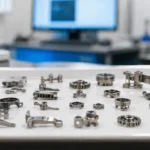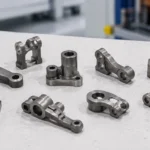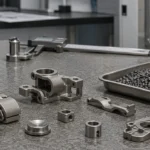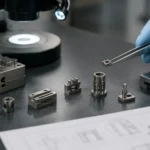
دليل ملاءمة أجزاء MIM ليست كل الأجزاء المعدنية الصغيرة مرشحة جيدة للقولبة بالحقن المعدني (MIM). يساعد دليل ملاءمة أجزاء MIM هذا مهندسي المنتجات وفرق المشتريات ومديري مشاريع OEM على تحديد ما إذا كان المكون المعدني الصغير يستحق الإرسال لمراجعة رسومات MIM قبل تصنيع القوالب. إذا كنت بحاجة أولاً إلى التعريف الأساسي قبل الحكم على الملاءمة ...
دليل ملاءمة أجزاء MIM
ليست كل الأجزاء المعدنية الصغيرة مرشحة جيدة للقولبة بالحقن المعدني (MIM). هذا دليل ملاءمة أجزاء MIM يساعد مهندسي المنتجات وفرق المشتريات ومديري مشاريع OEM على تحديد ما إذا كان المكون المعدني الصغير يستحق الإرسال لـ مراجعة رسم MIM قبل تصنيع القالب.
إذا كنت بحاجة أولاً إلى التعريف الأساسي قبل الحكم على الملاءمة، فاقرأ ما هي أجزاء MIM وكيفية تصنيع أجزاء MIM قبل مقارنة رسمك بقائمة التحقق هذه للملاءمة.
في مراجعة مشروع MIM حقيقية، لا يكون السؤال الأول ببساطة ما إذا كان الجزء يمكن يمكن تصنيعه بتقنية MIM. السؤال الأفضل هو ما إذا كانت MIM هي المسار التصنيعي الأكثر منطقية لهذا الجزء عند فحص الحجم والشكل ومتطلبات أداء المواد وحجم الإنتاج السنوي واستراتيجية التفاوتات واحتياجات العمليات الثانوية معًا.
عادةً ما يجمع الجزء المناسب لـ MIM بين الحجم الصغير إلى المتوسط، والشكل ثلاثي الأبعاد المعقد، ومتطلبات الأداء المعدني الحقيقي، وطلب الإنتاج المستقر، وضغط التكلفة الكافي من التشغيل الآلي أو التجميع لتبرير تطوير الأدوات والعمليات.
تدعم هذه الصفحة أجزاء MIM الموضوع من خلال توفير فلتر ملاءمة مبكر أعمق. إنها ليست قائمة كاملة دليل تصميم MIM, وليست دليل اختيار مواد، وليست قائمة تدقيق كاملة لطلب عرض الأسعار. الغرض منها هو مساعدتك في تحديد ما إذا كان الرسم يجب أن ينتقل إلى مراجعة هندسية قبل مناقشة التسعير أو الأدوات.
تمت المراجعة من منظور قابلية التصنيع بتقنية MIM: هذا الدليل مكتوب للفحص الأولي لملاءمة العملية. يجب تأكيد الجدوى النهائية من خلال مراجعة الرسومات، وتأكيد المواد، ومراجعة التفاوتات، وتقييم الأدوات، وأخذ العينات، والتحقق من صحة التلبيد، وتخطيط الفحص.
إجابة سريعة: ما هي الأجزاء المناسبة لـ MIM؟
عادةً ما تكون الأجزاء مناسبة لـ MIM عندما تكون مكونات معدنية صغيرة أو متوسطة الحجم ذات شكل معقد، وطلب إنتاج مستقر، ومتطلبات أداء معدني حقيقي، وتوقعات تفاوت واقعية.
تشمل الأجزاء النموذجية المناسبة لتقنية MIM غالبًا الإشارات التالية:
- مكونات معدنية صغيرة إلى متوسطة الحجم؛;
- معقدة هندسياً؛;
- صعبة أو مكلفة في التشغيل الآلي بشكل متكرر؛;
- مطلوبة بكميات إنتاج متوسطة إلى عالية؛;
- مصنوعة من مواد معدنية هندسية؛;
- قادرة على الاستفادة من دمج الأجزاء؛;
- مناسبة للتشكيل بالشكل شبه النهائي (near-net-shape) مع تشغيل آلي ثانوي اختياري فقط عند الحاجة.
نادراً ما يكون المرشح الجيد لتقنية MIM مجرد “جزء معدني صغير”. الحجم وحده لا يكفي، ويجب ألا تتنافس صفحة حول ملاءمة أجزاء MIM مع المحور الأوسع لأجزاء MIM. الغرض الصحيح لهذا الدليل هو المساعدة في تحديد ما إذا كان الرسم الهندسي المحدد يستحق مراجعة هندسية.
من منظور مراجعة التصنيع، تصبح تقنية MIM أكثر قيمة عندما تعقيد الشكل الهندسي، حجم الإنتاج، وأداء المادة تظهر معًا. إذا كان الجزء صغيرًا ولكنه بسيط جدًا، فقد لا تحقق تقنية MIM قيمة كافية. إذا كان الجزء معقدًا ولكنه مطلوب فقط لعدد قليل من النماذج الأولية، فقد تظل تقنية التشغيل الآلي CNC أكثر منطقية. إذا كان الجزء يتطلب أداءً معدنيًا قويًا ولكنه يتطلب أيضًا متطلبات تفاوت صارمة على معظم الأسطح، فقد يقلل تكلفة التشغيل الآلي الثانوية من ميزة MIM.
أفضل المرشحين لتقنية MIM هم الأجزاء التي يكون تشكيلها الهندسي مكلفًا عند تشغيلها آليًا بشكل متكرر، ولكن يمكن تشكيلها بكفاءة من خلال الأدوات بمجرد استقرار التصميم والعملية.
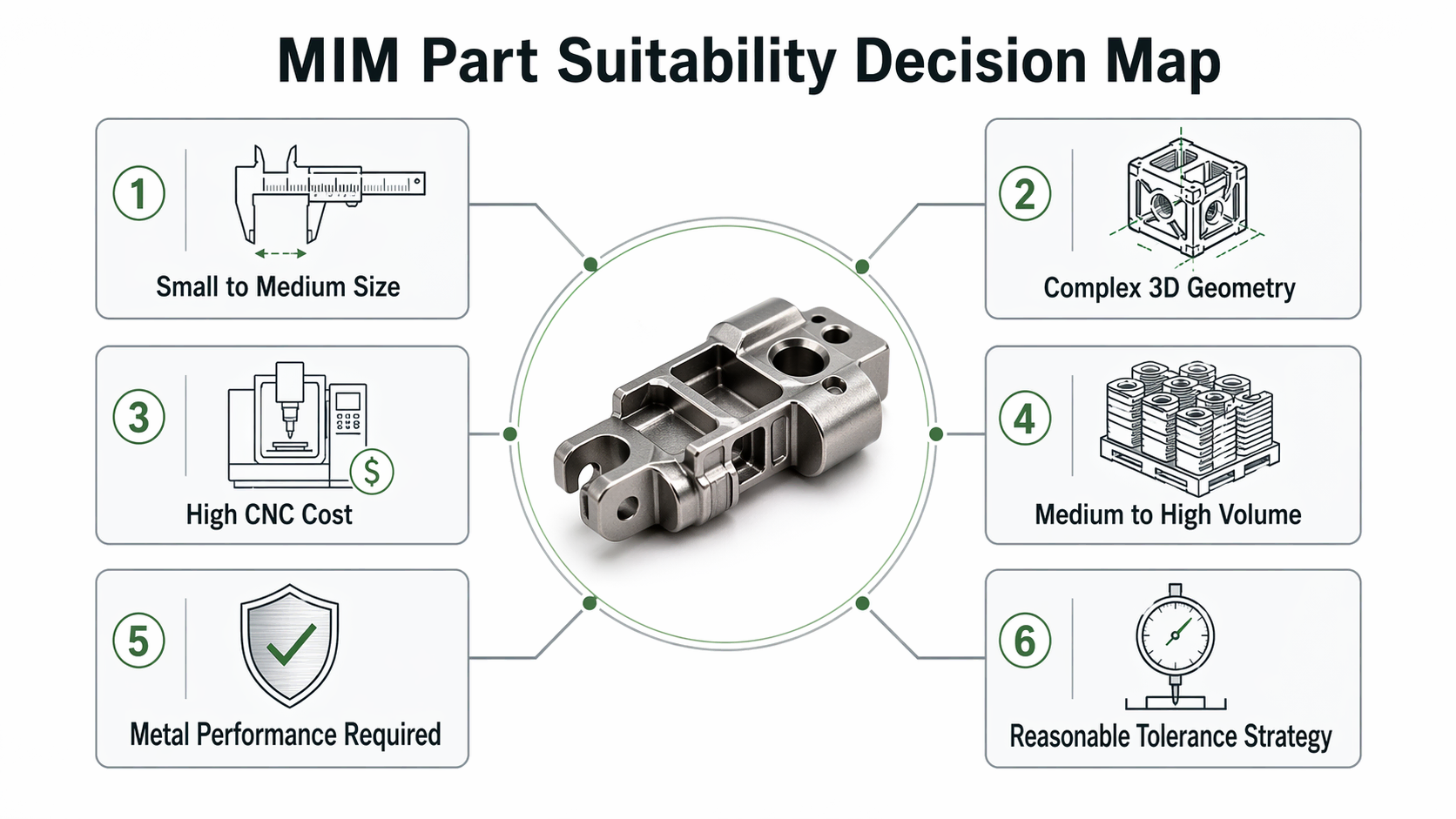
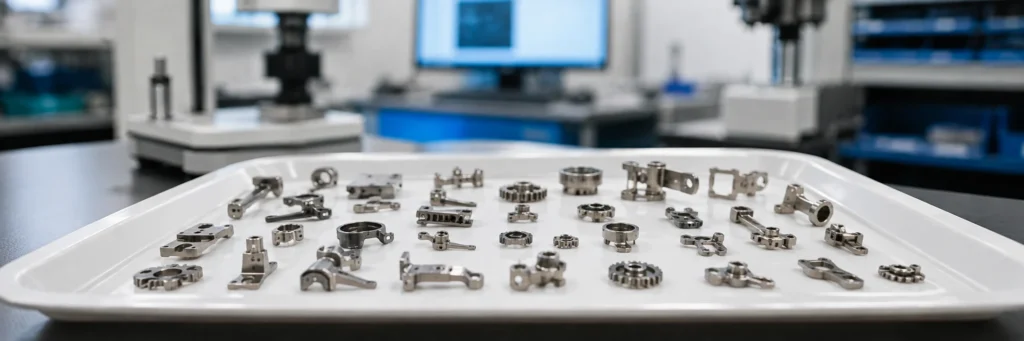
خلاصة الصورة: لا ينبغي الحكم على الأجزاء المناسبة لتقنية MIM بناءً على الحجم وحده. يجب أن يأخذ المراجعة الأولية المفيدة في الاعتبار الحجم، والشكل الهندسي، والحجم، وأداء المادة، واستراتيجية التفاوت، وتكلفة التصنيع الحالية معًا.
قائمة فحص ملاءمة أجزاء MIM
استخدم قائمة الفحص هذه كأداة فحص أولية قبل طلب مراجعة DFM كاملة لتقنية MIM أو عرض أسعار. عادةً ما تظهر المرشحات الأقوى عدة إشارات إيجابية في نفس الوقت.
| عنصر الفحص | إشارة MIM قوية | إشارة MIM ضعيفة | الخطوة التالية الموصى بها |
|---|---|---|---|
| الحجم والكتلة | جزء معدني صغير أو متوسط بسمك جدار متوازن وتوزيع كتلة يمكن التحكم فيه. | جزء كبير، ثقيل، سميك يشبه الكتلة، أو انتقال حاد من سميك إلى رقيق. | أرسل الرسم الهندسي للمراجعة الملاءمة إذا كانت الهندسة والحجم مناسبين أيضًا. |
| تعقيد الهندسة | فتحات متعددة، شقوق، أضلاع، أخاديد، درجات، مناطق تحت القطع، أسطح منحنية، أو ميزات متعددة الاتجاهات. | لوحة مسطحة بسيطة، حلقة، فاصل، دبوس مستقيم، أو شكل تم تشكيله بعملية واحدة. | راجع ما إذا كانت تقنية MIM يمكنها تقليل خطوات التشغيل الآلي أو التجميع المتكررة. |
| الطلب الإنتاجي | حجم سنوي متوسط أو مرتفع ثابت، أو زيادة إنتاج واضحة بعد التحقق. | نموذج أولي لمرة واحدة، طلب غير مستقر، أو تصميم لا يزال يتغير بشكل متكرر. | تأكيد الحجم السنوي ونضج التصميم قبل مناقشة الأدوات. |
| أداء المادة | يتطلب أداء معدني هندسي مثل القوة، مقاومة التآكل، مقاومة الصدأ، الصلابة، أو الوظيفة المغناطيسية. | مادة ذات أداء منخفض مقبولة ويمكن لعملية أخرى منخفضة التكلفة تشكيل الشكل. | تأكيد المادة المستهدفة وافتراضات المعالجة اللاحقة مبكرًا. |
| استراتيجية التفاوتات | يمكن أن تكون معظم الأبعاد قريبة من الشكل النهائي؛ فقط الميزات الهامة المختارة تحتاج إلى تشغيل آلي أو تشطيب. | يتطلب كل سطح تقريبًا تفاوتًا بمستوى التشغيل الآلي أو تحكمًا صارمًا في الاستواء/الموضع. | حدد أسطح البيانات، والأبعاد الهامة، وطريقة الفحص قبل طلب عرض الأسعار (RFQ). |
| محرك التكلفة | تأتي تكلفة العملية الحالية من إعدادات CNC المتكررة، أو إزالة النتوءات، أو تغييرات التثبيت، أو التجميع، أو الفحص عبر الحجم. | العملية الحالية بسيطة وسريعة ومرنة وذات مخاطر منخفضة بالفعل. | قارن تقنية MIM فقط عندما تحل مشكلة حقيقية في تكلفة التصنيع أو استقراره. |
مرشحو أجزاء MIM الأقوياء، والحدوديون، والضعفاء
لا تقتصر مراجعة ملاءمة أجزاء MIM العملية على القول بأنها مناسبة أو غير مناسبة. بل تصنف الرسم إلى حالة مرشح قوي أو حدودي أو ضعيف بحيث يكون الإجراء التالي واضحًا.
| نوع المرشح | وصف نموذجي | ما يعنيه عادةً | الخطوة التالية |
|---|---|---|---|
| مرشح MIM قوي | جزء معدني صغير معقد بحجم ثابت، وميزات ثلاثية الأبعاد مفيدة، وأداء مادي حقيقي، واحتياجات محدودة للتشغيل الآلي الثانوي. | تستحق تقنية MIM مراجعة DFM و RFQ مفصلة. | تقديم الرسم، والمادة المستهدفة، والحجم السنوي، وملاحظات التفاوت، ومتطلبات التشطيب. |
| مرشح MIM حدودي | إشارات MIM جيدة، ولكن مع حجم غير مؤكد، أو سمك جدار صعب، أو تفاوت صارم، أو احتياجات سطحية خاصة، أو افتراضات مادية غير واضحة. | قد يكون الجزء مناسبًا، ولكن يجب إجراء مراجعة هندسية قبل التسعير أو التصنيع. | توضيح الأبعاد الحرجة، والأسطح الوظيفية، والمادة، والعمليات الثانوية، وتوقعات الفحص. |
| مرشح MIM ضعيف | أبعاد كبيرة، بسيطة، حجم إنتاج منخفض جدًا، تغييرات متكررة، أو تفاوتات قصوى على معظم الأبعاد. | من المحتمل أن تكون تقنية MIM ليست العملية الأولى التي يجب النظر فيها. | قارن بين تقنيات CNC، الختم (Stamping)، الصب (Casting)، التشكيل بالمسحوق التقليدي (Conventional PM)، أو التصنيع الإضافي (Additive Manufacturing) قبل البدء في تصميم قوالب MIM. |
الأساس الهندسي للحكم على ملاءمة تقنية MIM
في مراجعة طلب عرض سعر حقيقية، عادةً لا نوافق على مسار MIM فقط بناءً على حجم الجزء أو وزنه. نتحقق أولاً من مصدر القيمة التصنيعية. هل التكلفة ناتجة عن عمليات CNC متكررة؟ هل الجزء صعب إزالة النتوءات منه؟ هل يمكن تشكيل عدة ميزات معًا؟ هل هناك حجم إنتاج كافٍ لتبرير تكلفة الأدوات؟ هل يمكن التحكم في متطلبات المواد والتفاوت بعد إزالة المادة والتلبيد؟
تستخدم هذه المقالة أربعة عوامل هندسية عملية للحكم على ملاءمة تقنية MIM:
| العامل الهندسي | أهميته بالنسبة لـ MIM | ما يجب التحقق منه أولاً |
|---|---|---|
| تعقيد الشكل الهندسي للجزء | تخلق تقنية MIM قيمة أكبر عندما تكون الميزات ثلاثية الأبعاد المعقدة مكلفة في التشغيل الآلي أو التجميع بشكل متكرر. | الثقوب، والشقوق، والأضلاع، والأخاديد، والنتوءات السفلية، والخطوات الوظيفية، والميزات متعددة الاتجاهات. |
| كمية الإنتاج وهيكل التكلفة | تتطلب تقنية MIM أدوات تصنيع واستقرارًا للعملية، لذا يجب أن يدعم حجم الإنتاج الاستثمار الأولي. | الطلب السنوي، وعمر المنتج، وتكلفة CNC الحالية، وتكلفة التجميع، وهدف خفض التكلفة. |
| متطلبات أداء المواد | يتم اختيار تقنية MIM عندما يحتاج الجزء إلى خصائص معدنية حقيقية، وليس مجرد شكل يشبه المعدن. | القوة، الصلابة، مقاومة التآكل، مقاومة البلى، الخصائص المغناطيسية، أو مقاومة الحرارة. |
| التفاوتات واستراتيجية العمليات الثانوية | تقنية MIM تنتج أجزاء قريبة من الشكل النهائي (near-net-shape)، ولكن قد لا تزال الأسطح الحرجة المختارة بحاجة إلى تشغيل آلي أو تشطيب. | الأبعاد الحرجة، والأسطح المرجعية، ومناطق التزاوج، وأسطح الختم، والتسطيح، والموضع، وطريقة الفحص. |
لماذا هذا مهم: تصف جمعية القولبة بالحقن المعدني (MIM Association) فعالية تكلفة تقنية MIM فيما يتعلق باختيار المواد، وكمية الإنتاج، وتعقيد الشكل، وتكلفة المكون. يُستخدم معيار MPIF Standard 35-MIM بشكل شائع كمرجع لمعايير المواد للأجزاء المصنعة بتقنية القولبة بالحقن المعدني، ويغطي معيار ASTM B883 المواد المعدنية الحديدية المصنعة بتقنية MIM من خلال خلط المسحوق والمادة الرابطة، والقولبة بالحقن، وإزالة المادة الرابطة، والتلبيد، والمعالجة الحرارية الاختيارية.
المراجع: MIMA — التصميم باستخدام تقنية MIM, MPIF — المعيار 35-MIM, ASTM B883-24
الملف الشخصي الأساسي للجزء المرشح الجيد لتقنية MIM
عادةً ما يكون للجزء المرشح الجيد لتقنية MIM سبب تصنيع واضح لاختيار MIM. لا يتم اختياره لأن MIM تبدو أكثر تقدمًا. يتم اختياره لأن شكل الجزء وحجمه ومتطلبات الأداء تجعل العمليات التقليدية أقل كفاءة.
قد يكون للجزء المناسب النموذجي الملف الشخصي التالي:
| عامل الملاءمة | مرشح جيد لتقنية MIM | مرشح ضعيف لتقنية MIM |
|---|---|---|
| الحجم | صغير أو متوسط الحجم | كتلة كبيرة أو ثقيلة أو سميكة |
| الهندسة | ميزات ثلاثية الأبعاد معقدة | هندسة بسيطة مسطحة أو مستقيمة |
| تكلفة التشغيل الآلي | العديد من عمليات CNC المطلوبة | سهولة التشغيل في عملية واحدة أو عمليتين |
| الحجم | طلب سنوي متوسط إلى مرتفع | كمية نماذج أولية منخفضة جدًا |
| متطلبات المواد | تحتاج إلى القوة، مقاومة التآكل، مقاومة التآكل، الصلابة، أو الخصائص المغناطيسية | مادة ذات أداء منخفض مقبولة |
| منطق التفاوتات | يمكن تشكيل معظم الأبعاد بشكل قريب من الشكل النهائي (near-net-shaped)، مع تشطيب مناطق محددة لاحقًا | يتطلب كل بُعد تقريبًا تفاوت تشغيل دقيق للغاية |
| قيمة التجميع | يمكن أن تحل محل أجزاء صغيرة متعددة | بالفعل جزء واحد بسيط |
| استقرار التصميم | ناضج بما يكفي لمراجعة أدوات التصنيع | لا يزال يتغير بشكل متكرر |
من الناحية العملية، عادةً ما تأتي أقوى مشاريع MIM من الأجزاء المعقدة للغاية بحيث يصعب تصنيعها آليًا على نطاق واسع بتكلفة زهيدة، ولكنها ليست كبيرة جدًا أو غير مستقرة بحيث يصبح تشكيلها وإزالة المادة الرابطة وتلبيدها صعب التحكم فيه.
الخطأ الشائع هو الحكم على الملاءمة بناءً على حجم الرسم فقط. قد يبدو الجزء صغيرًا، ولكن إذا كان يحتوي على أقسام سميكة معزولة، أو ميزات طويلة غير مدعومة، أو تجاويف مغلقة، أو متطلبات تفاوت صارمة جدًا على العديد من الأسطح، فإنه لا يزال بحاجة إلى مراجعة هندسية قبل اعتباره مرشحًا قويًا لـ MIM.

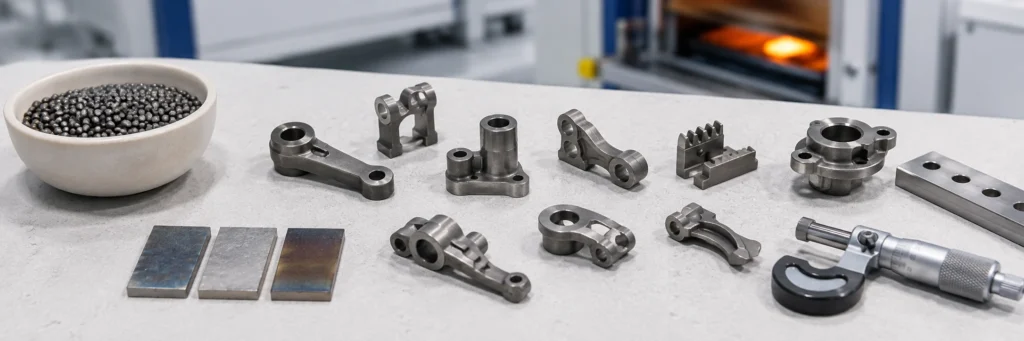
خلاصة الصورة: MIM ليست عملية لكل مكون معدني صغير. إنها الأكثر فائدة عندما يكون الجزء صغيرًا، ومعقدًا، ووظيفيًا، ويتم إنتاجه بكميات مستقرة، ومكلفًا في التصنيع بشكل متكرر عن طريق التصنيع الآلي أو التجميع.
مصفوفة تفصيلية لملاءمة أجزاء MIM لمراجعة طلبات عروض الأسعار (RFQ)
قبل الانتقال إلى مراجعة تصميم MIM كاملة، من المفيد التحقق مما إذا كان الجزء يظهر إشارات كافية إيجابية لـ MIM. عادةً ما لا يكون عامل واحد كافيًا. الجزء الصغير ليس مناسبًا تلقائيًا. الجزء المعقد ليس مناسبًا تلقائيًا. الجزء ذو الحجم الكبير ليس مناسبًا تلقائيًا أيضًا.
تصبح تقنية MIM أقوى عندما تظهر عدة إشارات ملاءمة معًا.
| سؤال المراجعة | إشارة MIM قوية | إشارة MIM ضعيفة |
|---|---|---|
| هل الجزء صغير أم متوسط الحجم؟ | مكون معدني دقيق صغير | جزء كبير، ثقيل، أو سميك يشبه الكتلة |
| هل الهندسة معقدة؟ | فتحات متعددة، شقوق، أخاديد، أضلاع، درجات، أو ميزات ثلاثية الأبعاد | هندسة مسطحة بسيطة، دائرية، أو مستقيمة |
| هل تصنيع CNC غير فعال؟ | إعدادات متعددة، تشغيل متعدد الاتجاهات، صعوبة إزالة النتوءات | تشغيل بسيط في عملية واحدة |
| هل حجم الإنتاج مستقر؟ | حجم متوسط إلى مرتفع أو خطة إنتاج واضحة | نموذج أولي لمرة واحدة أو طلب غير مؤكد |
| هل يحتاج الجزء إلى أداء معدني؟ | القوة، الصلابة، مقاومة التآكل، مقاومة الصدأ، أو وظيفة مغناطيسية | مادة ذات أداء منخفض مقبولة |
| هل توقعات التفاوتات واقعية؟ | يمكن أن تكون معظم الأبعاد قريبة من الشكل النهائي، مع تشطيب ميزات حرجة مختارة لاحقًا | كل الأبعاد تقريبًا تتطلب تفاوتات دقيقة للغاية |
| هل التصميم مستقر؟ | الهندسة ناضجة بما يكفي لمراجعة أدوات التصنيع | يتغير التصميم بشكل متكرر |
لا يحتاج الجزء إلى الحصول على درجة مثالية في كل فئة. ولكن إذا كانت معظم الإشارات ضعيفة، فقد لا تكون القولبة بالحقن المعدني (MIM) هي الحل الأنسب. إذا كانت معظم الإشارات قوية، فإن الجزء عادةً ما يستحق الإرسال لمراجعة مدى ملاءمة MIM.
تساعد هذه المصفوفة أيضًا في منع خطأ مهم في تحديد المصادر: اختيار MIM فقط لأن الجزء صغير. قد يكون الفاصل البسيط الصغير، أو الغسالة، أو الدبوس، أو اللوحة أسهل وأرخص عن طريق التشغيل الآلي، أو الختم، أو تقنية المسحوق المعدني التقليدية. تصبح القولبة بالحقن المعدني (MIM) أكثر أهمية عندما يكون للجزء تعقيد كافٍ لتبرير العملية.
أمثلة نموذجية لملاءمة القولبة بالحقن المعدني (MIM)
توضح الأمثلة التالية سيناريوهات هندسية مبسطة. إنها ليست قواعد عالمية، لكنها توضح كيف قد يفكر مورد MIM أثناء الفحص المبكر للمشروع.
| مثال على جزء | الملاءمة المحتملة | سبب الحكم | خطوة المراجعة التالية |
|---|---|---|---|
| مخل قفل صغير بأسنان، وفتحة جانبية، وسطح تلامس منحني | مرشح قوي | هندسة مدمجة، ميزات وظيفية متعددة، تكلفة CNC متكررة، متطلبات تآكل المعادن. | الانتقال إلى مراجعة DFM لتقنية MIM وتأكيد المواد. |
| حلقة مسطحة بسيطة أو فاصل | مرشح ضعيف | الهندسة بسيطة للغاية؛ قد يكون الختم، الخراطة، أو التشغيل الآلي التقليدي أكثر اقتصادية. | مقارنة العمليات البديلة قبل تسعير MIM. |
| مكون صغير لجهاز طبي بتصميم معقد ومتطلبات سطح صارمة | مرشح على الحد الفاصل | قد تناسب الهندسة تقنية MIM، ولكن يجب مراجعة متطلبات التشطيب والتنظيف والتحقق والفحص مبكرًا. | مراجعة توقعات المواد، والتشطيب السطحي، والتفاوتات، والتنظيف، والتحقق. |
| كتلة سميكة من الفولاذ المقاوم للصدأ مع ثقب ملولب واحد | مرشح ضعيف أو على الحد الفاصل | قد تتسبب الكتلة السميكة في مخاطر إزالة المادة الرابطة والتلبيد، بينما تكون التعقيدات الهندسية منخفضة. | تحقق من خيارات التشغيل الآلي باستخدام الحاسب الآلي (CNC)، أو الصب، أو إعادة التصميم أولاً. |
| جزء مفصلي صغير أو جزء ميكانيكي مع عدة نتوءات، وأخاديد، وميزات اقتران. | مرشح قوي | يمكن تشكيل العديد من الميزات معًا، مما يقلل من تكلفة التشغيل الآلي والتجميع المتكرر. | راجع قابلية التشكيل، ودعامات التلبيد، والأبعاد الحرجة. |
1. الأجزاء المعدنية الصغيرة إلى المتوسطة الحجم هي عادةً مرشحة أفضل.
تعتبر تقنية القولبة بالحقن المعدني (MIM) بشكل عام أكثر ملاءمة للمكونات المعدنية الدقيقة الصغيرة إلى المتوسطة الحجم مقارنة بالأجزاء الكبيرة الثقيلة.
هذا لأن أجزاء MIM تمر بمراحل التشكيل، وإزالة المادة الرابطة، والتلبيد. أثناء التلبيد، ينكمش الجزء ويتكثف. كلما أصبح الجزء أكبر وأثقل، زادت صعوبة التحكم في التشوه، واتساق الأبعاد، وتحميل الفرن، وظروف الدعم.
ومع ذلك، لا ينبغي الحكم على حجم الجزء فقط من خلال البعد الأطول.
من منظور مراجعة التصميم، غالبًا ما تكون الأسئلة التالية أكثر أهمية:
- هل الكتلة متركزة في منطقة سميكة واحدة؟
- هل توجد ميزات رفيعة متصلة بأقسام سميكة؟
- هل ستحتاج القطعة إلى دعم ثابت أثناء التلبيد؟
- هل سمك الجدار متوازن بشكل معقول؟
- هل تحتوي القطعة على هندسة طويلة ورفيعة وغير مدعومة؟
- هل سيؤثر تباين الانكماش على الأبعاد الوظيفية؟
قد يكون الجزء الصغير ذو التوزيع المتوازن للكتلة مرشحًا أفضل لتقنية MIM مقارنة بجزء أكبر قليلاً ذي انتقالات سميكة إلى رفيعة وخطر تشوه عالٍ. إذا كان عدم اليقين الرئيسي هو توازن الجدران، فراجع تصميم سمك جدار MIM الإرشادات قبل الانتقال إلى مناقشة القوالب.
هذا لا يعني أنه لا يمكن تصنيع قطع كبيرة بتقنية MIM. هذا يعني أنه لا ينبغي افتراض أن القطع الكبيرة أو الثقيلة مناسبة دون مراجعة العملية. يجب أن يكون السؤال الأول هو ما إذا كانت هندسة القطعة وتوزيع الكتلة يمكن أن يظل مستقرًا خلال مراحل إزالة المادة الرابطة والتلبيد.
2. الهندسة ثلاثية الأبعاد المعقدة تزيد من قيمة MIM
تكون تقنية MIM أكثر قيمة عندما تحتوي القطعة على هندسة يصعب أو يستغرق وقتًا طويلاً أو يكون تصنيعها مكلفًا عن طريق التشغيل الآلي.
تشمل القطع المناسبة لـ MIM غالبًا:
- فتحات جانبية؛;
- فتحات متقاطعة؛;
- أخاديد صغيرة؛;
- خطوات وظيفية;
- مقاطع خارجية غير منتظمة;
- أضلاع صغيرة;
- تفاصيل داخلية أو خارجية;
- ميزات قفل دقيقة;
- أسطح متعددة الوظائف;
- أشكال معقدة تتطلب عدة إعدادات CNC.
تأتي قيمة القولبة بالحقن المعدني (MIM) من تشكيل الكثير من هذه الهندسة مباشرة في القالب، بدلاً من قطع كل ميزة على حدة.
على سبيل المثال، قد يتطلب مكون صغير من الفولاذ المقاوم للصدأ مع عدة ثقوب جانبية، وأخاديد، وخطوات قفل، وأسطح وظيفية منحنية، عمليات CNC متعددة. كل إعداد يضيف تكلفة، ووقت فحص، وتآكل للأدوات، وخطر تراكم التفاوتات. إذا تم إنتاج الجزء بكميات كبيرة، يمكن أن تصبح تكلفة التشغيل المتكررة هذه سببًا قويًا لتقييم تقنية MIM.
لكن التعقيد وحده لا يجعل الجزء مناسبًا تلقائيًا.
يمكن أن يكون الجزء معقدًا ولكنه لا يزال محفوفًا بالمخاطر لتقنية MIM إذا كان يحتوي على ثقوب عمياء عميقة جدًا، أو جدران رفيعة معزولة، أو انتقالات حادة، أو اتجاهات إزالة صعبة من القالب، أو ميزات لا يمكن دعمها بشكل صحيح أثناء التلبيد. يجب مراجعة هذه التفاصيل لاحقًا في عملية DFM مخصصة. بالنسبة لحدود التصميم على مستوى الميزة، استخدم دليل الثقوب والفتحات والأخاديد في تقنية MIM بعد اجتياز الجزء لهذه الشاشة الأولى للملاءمة.
في مرحلة الملاءمة، يكون السؤال أبسط: هل يحتوي الجزء على تعقيد ثلاثي الأبعاد مفيد بما يكفي لجعل تقنية MIM تستحق التقييم؟
إذا كانت الإجابة نعم، فقد يكون الجزء مرشحًا جيدًا لمزيد من المراجعة.
3. أجزاء بها فتحات متعددة، شقوق، أخاديد، ضلوع، أو ميزات وظيفية
العديد من المرشحين الأقوياء لتقنية MIM ليسوا كبارًا بصريًا أو معقدين للوهلة الأولى. تصبح قيمتهم واضحة عندما تعد عدد الميزات الوظيفية.
قد يكون الجزء المعدني الصغير مناسبًا لتقنية MIM إذا كان يتضمن العديد مما يلي:
- فتحات متعددة في اتجاهات مختلفة؛;
- شقوق أو أخاديد ضيقة؛;
- ضلوع صغيرة أو ميزات تقوية؛;
- أسنان قفل أو هياكل تشابك؛;
- نتوءات وظيفية أو درجات؛;
- مقاطع منحنية؛;
- تفاصيل داخلية أو خارجية يصعب تشغيلها بشكل متكرر؛;
- ميزات تتطلب تجميعًا ثانويًا إذا تم تصنيعها بطريقة أخرى.
بالنسبة للتصنيع باستخدام آلات التحكم الرقمي (CNC)، قد تتطلب كل ميزة من هذه الميزات مسار أداة مختلفًا، أو تجهيزة تثبيت، أو تغييرًا للأداة، أو خطوة لإزالة النتوءات، أو نقطة فحص. بالنسبة للإنتاج بكميات منخفضة، قد يكون ذلك مقبولاً. أما بالنسبة للإنتاج المستقر بكميات كبيرة، فقد يصبح مكلفًا ويصعب التحكم فيه.
غالبًا ما يمكن لتقنية القولبة بالحقن المعدني (MIM) تشكيل العديد من هذه الميزات كجزء من الهندسة المشكلة بالقولبة. هذا هو المكان الذي يمكن فيه لتقنية MIM تقليل جهود التشغيل المتكررة.
النقطة المهمة ليست ببساطة “المزيد من الميزات أفضل”. يجب أن تكون الميزات قابلة للتصنيع من خلال القولبة، وإزالة المادة الرابطة، والتلبيد. على سبيل المثال، قد يساعد الضلع الرقيق في وظيفة الجزء، ولكن إذا كان معزولًا جدًا أو متصلاً بكتلة سميكة، فقد يتسبب في تشوه أو خطر حدوث تشقق. قد تكون الفتحة الصغيرة ممكنة، ولكن إذا كان تحمل موقعها حرجًا، فقد لا تزال تتطلب تشغيلًا ثانويًا.
الميزات الوظيفية المتعددة تحسن ملاءمة تقنية MIM عندما تقلل من تكلفة التشغيل أو التجميع دون خلق مخاطر مفرطة في العملية.
أمثلة شائعة للأجزاء المناسبة لتقنية MIM
يتم فهم الأجزاء المناسبة لتقنية MIM بشكل أفضل من خلال خصائص الجزء بدلاً من أسماء الصناعة. يمكن أن ينطبق نفس منطق MIM على الأجهزة الطبية، والأقفال، والأدوات، والإلكترونيات، وأنظمة السيارات، والآليات الصناعية إذا كان الجزء يتمتع بالهندسة الصحيحة، والحجم المناسب، ومتطلبات الأداء المطلوبة.
الصناعة وحدها لا تحدد الملاءمة. قد يكون الجزء الطبي غير مناسب لتقنية MIM، وقد يكون الجزء الصناعي البسيط غير مناسب أيضًا. هندسة الجزء، ومتطلبات المواد، ومنطق التفاوتات، وحجم الإنتاج أهم من تسمية الصناعة.
أجزاء القفل والترابط الصغيرة
غالبًا ما تحتوي أجزاء القفل الصغيرة على أسنان، أو أخاديد، أو درجات، أو فتحات، أو أسطح تلامس يجب أن تعمل معًا في مساحة مدمجة. إذا تم تشغيلها قطعة قطعة، يمكن لهذه الميزات أن تخلق تكلفة CNC عالية وجهد فحص كبير.
يمكن أن تكون تقنية MIM مناسبة عندما يكون حجم الجزء مستقرًا ويمكن التحكم في الأسطح الوظيفية من خلال القولبة بالإضافة إلى التشطيبات المختارة. غالبًا ما تكون هذه الأجزاء مرشحة جيدة لأنها تجمع بين الهندسة المدمجة، والميزات المتكررة، ومتطلبات المعادن الوظيفية.
السؤال النموذجي للمراجعة هو: هل يمكن تشكيل ميزات القفل باستمرار دون الحاجة إلى تشغيل إضافي مفرط؟
إذا كانت الإجابة نعم، فقد يكون تقييم تقنية MIM جديرًا بالاهتمام.
الأقواس والموصلات الدقيقة
قد تكون الأقواس والموصلات الصغيرة المكونات الاحتفاظية مناسبة لتقنية MIM عندما تتضمن رؤوسًا متعددة، أو ثقوبًا، أو درجات، أو أسطحًا منحنية، أو ميزات ثلاثية الأبعاد يصعب إنتاجها بالختم أو التشغيل الآلي البسيط.
إذا كان الجزء مسطحًا في الغالب، فقد يكون الختم أو القطع بالليزر أكثر عملية. ولكن إذا ابتعد الجزء عن شكل الصفائح المعدنية المسطحة وأصبح مكونًا معدنيًا ثلاثي الأبعاد حقيقيًا، فقد تصبح تقنية MIM خيارًا أقوى.
الحكم الرئيسي هو ما إذا كان الجزء يحتاج إلى مزيج من الحجم المدمج، وتعقيد الميزات، وتكرار الإنتاج.
مكونات الآليات الصغيرة
يمكن أن تكون أجزاء الآليات المستخدمة في المفصلات، والأقفال، وأنظمة الضبط، والأدوات، والأجهزة الصغيرة مرشحة جيدة لتقنية MIM عندما تحتاج إلى القوة، ومقاومة التآكل، واتساق الأبعاد المتكرر.
غالبًا ما تجمع هذه الأجزاء بين عدة أسطح وظيفية في مكون واحد مدمج. قد تتطلب أيضًا اتصالًا انزلاقيًا، أو محورًا، أو تشابكًا، أو سلوك تآكل متحكمًا فيه.
قد تكون تقنية MIM مناسبة عندما لا يكون تحدي التصنيع الرئيسي هو سطح واحد حرج، بل الإنشاء المتكرر لعدة مناطق وظيفية معقدة عبر العديد من الأجزاء.
المكونات الطبية والأدوات
قد تكون المكونات الطبية أو الأدوات الصغيرة مناسبة عندما تحتاج إلى شكل معقد، أو مقاومة للتآكل، أو قوة، أو تفاصيل وظيفية دقيقة.
ومع ذلك، تتطلب الأجزاء الطبية مراجعة أكثر حذرًا من الأجزاء الصناعية العادية. ملاءمة الشكل وحدها لا تكفي. يجب أيضًا مراعاة التحكم في المواد، ومتطلبات التنظيف، وإمكانية التتبع، والتحقق من الصحة، وحالة السطح، والمخاطر الخاصة بالتطبيق.
قد يبدو الجزء الطبي مرشحًا جيدًا لتقنية MIM من وجهة نظر هندسية، ولكنه لا يزال يتطلب مراجعة إضافية بسبب المتطلبات التنظيمية أو متطلبات النظافة أو متطلبات الموثوقية الوظيفية.
مكونات معدنية للإلكترونيات الاستهلاكية
قد تكون الأجزاء المعدنية الصغيرة المستخدمة في الأجهزة الإلكترونية مناسبة عندما تجمع بين الهندسة المدمجة، والتوقعات الجمالية، والميزات الرقيقة، وحجم الإنتاج الكبير.
يمكن النظر في تقنية MIM عندما تصبح عمليات التشغيل الآلي باستخدام الحاسب الآلي (CNC)، أو الختم، أو التجميع غير فعالة على نطاق واسع. على سبيل المثال، قد يكون الجزء الهيكلي الداخلي الصغير الذي يحتوي على عدة نتوءات، وميزات تشابك، وملفات تعريف معقدة أكثر ملاءمة لتقنية MIM من درع مسطح بسيط أو قوس تثبيت.
يجب أن يفصل المراجعة بين متطلبات المظهر والمتطلبات الوظيفية. إذا كان الجزء لديه توقعات جمالية عالية، فيجب مراعاة حالة السطح والمعالجة اللاحقة في وقت مبكر.
أجزاء وظيفية صغيرة للسيارات والصناعة
قد تكون المكونات المعدنية الصغيرة للسيارات أو الصناعة مناسبة عندما تتطلب حجم إنتاج كبير، وموثوقية ميكانيكية، وهندسة معقدة.
غالبًا ما تستحق تقنية MIM المراجعة عندما يحتاج الجزء إلى أداء معدني ثابت وتتطلب العملية الحالية الكثير من خطوات التشغيل الآلي أو التجميع. قد تشمل الأمثلة أجزاء المشغلات الصغيرة، والمكونات المعدنية المتعلقة بالمستشعرات، وعناصر القفل، وأجزاء التآكل، أو قطع الآليات الدقيقة.
يجب أن تركز مراجعة الملاءمة على الحمل، والتآكل، والتجميع، والاستقرار الأبعادي، وما إذا كانت تكلفة العملية الحالية ناتجة بشكل أساسي عن إنشاء الميزات المتكررة.
4. الأجزاء باهظة الثمن أو غير فعالة للتشغيل الآلي باستخدام الحاسب الآلي (CNC)
واحدة من أوضح العلامات على أن الجزء قد يكون مناسبًا لتقنية MIM هي ارتفاع تكلفة التشغيل الآلي باستخدام الحاسب الآلي (CNC) بسبب الهندسة.
تستحق تقنية MIM المراجعة عندما يتطلب جزء معدني صغير:
- إعدادات متعددة;
- التشغيل الآلي من اتجاهات متعددة؛;
- الحفر أو التفريز المتكرر؛;
- أدوات صغيرة معقدة؛;
- إزالة النتوءات الصعبة؛;
- هدر كبير للمواد؛;
- وقت دورة طويل لكل جزء؛;
- فحص دقيق للعديد من الميزات المشغلة آليًا الصغيرة.
في هذه الحالات، لا تقتصر مشكلة التكلفة على المواد فقط. التكلفة الحقيقية تأتي من إنشاء هندسة معقدة بشكل متكرر، جزء واحد في كل مرة.
تغير تقنية MIM هيكل التكلفة. تتطلب أدوات وتطوير عمليات في البداية، ولكن بمجرد استقرار العملية، يمكن تكرار العديد من الميزات المعقدة من خلال القولبة والتلبيد مع تقليل الحاجة إلى التشغيل الآلي لكل جزء.
هذا لا يعني أن تقنية MIM تحل دائمًا محل التشغيل الآلي باستخدام الحاسب الآلي (CNC).
غالبًا ما يكون التشغيل الآلي باستخدام الحاسب الآلي (CNC) أفضل للنماذج الأولية، والأجزاء ذات الكميات المنخفضة، والأجزاء البسيطة، والأجزاء التي تتطلب تفاوتًا دقيقًا جدًا على العديد من الأسطح. تصبح تقنية MIM أكثر جاذبية عندما يكون للجزء حجم إنتاج مستقر وتكون تكلفة التشغيل الآلي مدفوعة بالميزات المعقدة المتكررة.
السؤال المفيد هو: إذا انتقل هذا الجزء من 100 قطعة إلى 100,000 قطعة، فهل سيظل التشغيل الآلي باستخدام الحاسب الآلي (CNC) هو الطريقة الأكثر كفاءة لصنع كل ميزة؟
إذا كانت الإجابة لا، فقد تستحق تقنية MIM مراجعة جادة.
نقطة رئيسية: تقنية MIM ليست بديلاً عن التشغيل الآلي باستخدام الحاسب الآلي (CNC) في كل حالة. تصبح جذابة عندما تكون تكلفة التشغيل الآلي باستخدام الحاسب الآلي مدفوعة بإنشاء ميزات متكررة، وليس بالتشطيب الدقيق لمرة واحدة.

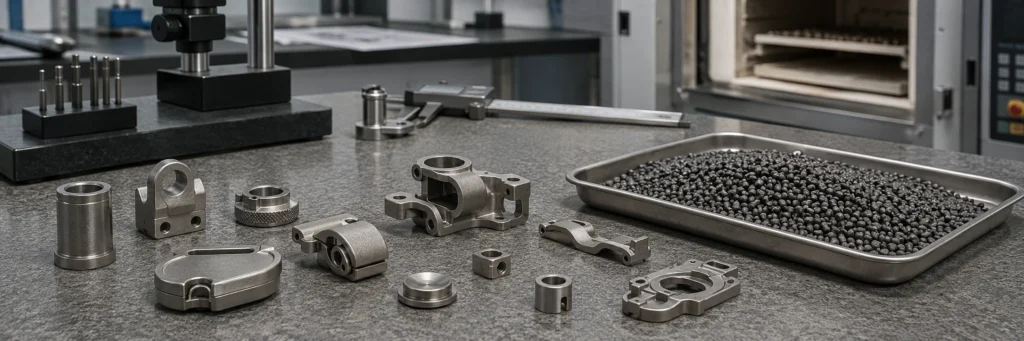
خلاصة الصورة: المقارنة الحقيقية ليست بين MIM و CNC بشكل عام. السؤال الأفضل هو من أين تأتي التكلفة. إذا كانت التكلفة تأتي من خطوات تشغيل آلية متكررة عبر حجم الإنتاج، فقد تستحق تقنية MIM المراجعة.
5. أجزاء يمكن أن تحل محل تجميعات متعددة الأجزاء
يمكن أن تكون تقنية MIM مناسبة أيضًا عندما تسمح بدمج عدة مكونات معدنية صغيرة في جزء واحد.
يمكن أن يكون هذا ذا قيمة عندما يعتمد التصميم الحالي على:
- دعامات صغيرة مجمعة معًا؛;
- تفاصيل معدنية ملحومة أو مثبتة بمسامير؛;
- دبابيس، خطافات، أو ميزات قفل مضافة بشكل منفصل؛;
- مكونات مشغلة آليًا متعددة مع تفاوتات متراكمة؛;
- خطوات تجميع يدوية؛;
- فحص عدة أجزاء صغيرة قبل التجميع النهائي.
إذا كان بإمكان تقنية MIM دمج هذه الميزات في مكون واحد قريب من الشكل النهائي (near-net-shape)، فقد يقلل المشروع من تكاليف عمالة التجميع، ومشاكل المحاذاة، وعدد الأجزاء، وتعقيد سلسلة التوريد.
ومع ذلك، يجب مراجعة دمج الأجزاء بعناية.
الخطأ الشائع هو افتراض أن دمج الأجزاء دائمًا أفضل. قد يصبح الجزء المدمج بتقنية MIM سميكًا جدًا، أو صعبًا جدًا في القولبة، أو غير مستقر جدًا أثناء التلبيد إذا لم يتم أخذ الهندسة في الاعتبار بشكل صحيح. لا تكون عملية الدمج ذات قيمة إلا عندما يمكن تشكيل الجزء النهائي وإزالة المادة الرابطة وتلبيده وفحصه واستخدامه بشكل موثوق.
في مرحلة الملاءمة، السؤال الرئيسي هو: هل يمكن لتقنية MIM تقليل خطوات التجميع أو التشغيل الآلي دون خلق مشكلة تصنيع أكثر صعوبة؟
إذا كانت الإجابة نعم، فقد يكون الجزء مرشحًا قويًا.
6. الأجزاء التي تتطلب أداءً معدنيًا حقيقيًا
يجب النظر في تقنية MIM عندما يحتاج الجزء إلى أداء معدني حقيقي، وليس مجرد شكل يشبه المعدن.
غالبًا ما تتطلب الأجزاء المناسبة لتقنية MIM واحدًا أو أكثر مما يلي:
- القوة؛;
- الصلابة؛;
- مقاومة التآكل؛;
- مقاومة التآكل؛;
- مقاومة الحرارة;
- الخصائص المغناطيسية;
- الموثوقية الهيكلية;
- أداء ميكانيكي قابل للتكرار في الإنتاج.
قد تشمل عائلات مواد MIM الشائعة الفولاذ المقاوم للصدأ، والصلب منخفض السبائك، وفولاذ الأدوات، والسبائك المغناطيسية اللينة، وسبائك التنجستن، وسبائك التيتانيوم. تعتمد المادة المناسبة على التطبيق، ومتطلبات الأداء، والمعالجة اللاحقة، وتوقعات الجودة. للمقارنة بين عائلات المواد، استخدم دليل اختيار مواد MIM بدلاً من اعتبار هذه المقالة حول الملاءمة كقائمة مواد.
هذه المقالة ليست دليلاً لاختيار المواد، لذا فإن النقطة الرئيسية بسيطة:
يصبح الجزء مرشحًا أفضل لتقنية MIM عندما يحتاج إلى هندسة معقدة وأداء معدني هندسي.
إذا كان الجزء يحتاج فقط إلى شكل بسيط وأداء معتدل، فقد تكون عملية أخرى أكثر اقتصادا. إذا كان الجزء يحتاج إلى أداء معدني متقدم ولكنه يتطلب أيضًا تحملًا شديدًا أو متطلبات سطحية، فلا يزال من الممكن استخدام MIM، ولكن يجب مراجعته مع عمليات التشغيل الآلي الثانوية والمعالجة الحرارية ومتطلبات الفحص.
يجب دائمًا تأكيد ملاءمة المواد أثناء المراجعة الخاصة بالمشروع. عند الحاجة إلى مراجع مواد رسمية،, معيار MPIF 35-MIM وقد تُستخدم معايير ASTM أو ISO ذات الصلة كنقاط مرجعية، اعتمادًا على المادة والتطبيق.
7. حجم الإنتاج المتوسط إلى العالي مهم
حجم الإنتاج هو أحد أهم العوامل في ملاءمة تقنية MIM.
تتطلب القولبة بالحقن المعدني (MIM) عادةً:
- استثمار في القالب؛;
- تطوير المادة الخام وعملية التصنيع؛;
- التحقق من صحة إزالة المادة الرابطة والتلبيد؛;
- التحكم في الانكماش؛;
- التحقق من الأبعاد؛;
- أخذ العينات وتحقيق استقرار العملية.
لهذا السبب، تكون القولبة بالحقن المعدني (MIM) أكثر ملاءمة للكميات الإنتاجية المتوسطة إلى العالية مقارنة باحتياجات النماذج الأولية ذات الكميات المنخفضة جدًا.
بالنسبة للنماذج الأولية لمرة واحدة، قد يكون التصنيع باستخدام آلات CNC أو التصنيع الإضافي أسرع وأكثر عملية. بالنسبة للأجزاء ذات الطلب الإنتاجي طويل الأجل، قد تصبح القولبة بالحقن المعدني (MIM) أكثر تنافسية لأن تكاليف الأدوات والتطوير يمكن توزيعها على عدد أكبر من الأجزاء.
ومع ذلك، لا ينبغي الحكم على الحجم الإنتاجي بناءً على طلب العينة الأول فقط.
يبدأ بعض العملاء بكمية تجريبية صغيرة ولكن لديهم مسار واضح للإنتاج. في هذه الحالة، قد لا تزال القولبة بالحقن المعدني (MIM) تستحق التقييم المبكر، خاصة إذا كانت هندسة الجزء تتماشى بوضوح مع مزايا القولبة بالحقن المعدني (MIM).
السؤال الحقيقي هو: هل هناك طلب إنتاجي متوقع كافٍ لتبرير تكاليف الأدوات وأخذ العينات وتحقيق استقرار العملية؟
إذا كانت الإجابة نعم، فقد تكون تقنية MIM مناسبة. إذا كان التصميم غير مؤكد، أو كان حجم الإنتاج السنوي غير واضح، أو قد يتغير المنتج بشكل متكرر، فيجب مراجعة المشروع بعناية قبل الالتزام بأدوات تصنيع MIM.
8. أجزاء ذات توقعات تفاوت معقولة
MIM هي عملية دقيقة قريبة من الشكل النهائي (near-net-shape)، ولكن لا ينبغي اعتبارها مماثلة لتشغيل CNC.
عادةً ما يكون مرشح MIM الجيد لديه استراتيجية تفاوت معقولة:
- يمكن التحكم في معظم الأبعاد من خلال القولبة والتلبيد؛;
- الأبعاد الوظيفية المختارة فقط تتطلب تشغيلًا ثانويًا؛;
- الأسطح الحرجة محددة بوضوح؛;
- يتم فصل الأبعاد الجمالية وغير الحرجة والوظيفية؛;
- يفهم العميل أنه يجب إدارة انكماش التلبيد واستقراره.
غالبًا ما يكون مرشح MIM الضعيف في وضع معاكس:
- يتم تمييز كل بُعد تقريبًا على أنه حرج؛;
- تتطلب العديد من الأسطح تفاوتًا بمستوى التشغيل الآلي (machining-level tolerance)؛;
- متطلبات الاستواء والتركيز والموضع ضيقة للغاية عبر الجزء بأكمله؛;
- لا يفصل الرسم الأبعاد الوظيفية عن الأبعاد العامة.
هذا مهم لأن التشغيل الآلي الثانوي يمكن أن يقلل من الميزة الاقتصادية لتقنية MIM. إذا احتاجت العديد من الأسطح إلى التشغيل الآلي بعد التلبيد، فقد يفقد الجزء الفائدة الاقتصادية التي جعلت MIM جذابة في المقام الأول.
تتمثل استراتيجية التفاوتات العملية لـ MIM في: ليس “عدم التشغيل الآلي”. بل هي:
استخدم MIM لتشكيل الشكل المعقد، ثم قم بتطبيق التشغيل الآلي الثانوي فقط حيث تتطلب الوظيفة ذلك حقًا.
للتخطيط للتفاوتات على مستوى الصفحة، راجع دليل تفاوتات MIM بعد التحقق من الملاءمة هذا. يجب تأكيد توقعات التفاوت الرسمية من خلال معايير MIM المعترف بها مثل معيار MPIF 35-MIM ومراجعة DFM الخاصة بالمشروع. لا يُعد من المسؤولية الوعد بقدرة تفاوت عالمية دون مراجعة هندسة الجزء والمادة وسلوك التلبيد وطريقة الفحص.
ما هي الأجزاء التي لا تكون مناسبة عادةً لـ MIM؟
لا ينبغي لمراجعة ملاءمة MIM الاحترافية أن تشرح فقط ما هو مناسب. بل يجب أن تشرح أيضًا ما هو غير مناسب عادةً.
قد لا تكون MIM هي الخيار الأفضل لأنواع الأجزاء التالية.

خلاصة الصورة: يجب أن تحدد مراجعة MIM الموثوقة أيضًا المرشحين الضعفاء. يمكن تصنيع بعض الأجزاء تقنيًا بواسطة MIM، ولكن قد لا تكون معقولة اقتصاديًا أو تقنيًا.
الأجزاء المعدنية الكبيرة جدًا أو الثقيلة
قد تشكل الأجزاء الكبيرة والثقيلة خطرًا أعلى في التحكم بالانكماش، ودعم التلبيد، وتحميل الفرن، والتشوه، والتكلفة. قد تتطلب أيضًا المزيد من مادة التغذية (feedstock) والتحقق من صحة العملية لفترة أطول. في كثير من الحالات، قد تكون عمليات الصب، أو الطرق، أو التشغيل الآلي، أو عملية أخرى أكثر عملية.
أجزاء سميكة شبيهة بالكتل
يمكن أن تجعل المقاطع الصلبة السميكة عملية إزالة المادة الرابطة والتلبيد أكثر صعوبة. يجب التحكم في إزالة المادة الرابطة، وقد تزيد المناطق السميكة من خطر العيوب الداخلية، أو التشقق، أو التشوه. الجزء الذي يبدو بسيطًا ولكنه يحتوي على قسم سميك شبيه بالكتلة ليس مناسبًا تلقائيًا لتقنية MIM.
أجزاء مسطحة بسيطة
إذا كان الجزء عبارة عن لوحة مسطحة بسيطة، أو شكل يشبه الحلقات (washer-like)، أو دعامة (bracket)، أو شكل معدني بسيط للصفائح، فقد لا تقدم تقنية MIM قيمة كافية. قد يكون الختم (stamping)، أو القطع بالليزر، أو الثني، أو التشغيل الآلي أكثر اقتصادية.
تكون تقنية MIM أقوى عندما تشكل هندسة ثلاثية الأبعاد معقدة. إذا لم تكن هناك تعقيدات هندسية ذات مغزى، فقد لا تكون تكلفة الأدوات والعملية مبررة.
أجزاء نماذج أولية بكميات منخفضة جدًا
بالنسبة للنماذج الأولية المبكرة أو الأجزاء ذات الكميات المنخفضة جدًا، قد يكون التشغيل الآلي باستخدام الحاسب الآلي (CNC) أو التصنيع الإضافي أسرع وأكثر مرونة. تصبح أدوات MIM منطقية أكثر عندما يكون للجزء مسار نحو إنتاج مستقر.
أجزاء ذات تفاوتات صارمة على معظم الأبعاد
يمكن لتقنية MIM دعم الإنتاج الدقيق، ولكن إذا كانت كل الأبعاد تقريبًا تتطلب تفاوتًا دقيقًا بمستوى التشغيل الآلي، فإن ذلك قد يتطلب... العمليات الثانوية لـ MIM قد يكون مطلوبًا. يمكن أن يقلل هذا من الميزة التكلفة لتقنية MIM أو يزيلها.
أجزاء ذات تغييرات متكررة في التصميم
تستخدم تقنية MIM أدوات تصنيع (tooling). إذا كان التصميم لا يزال يتغير بشكل متكرر، فقد تصبح تعديلات القالب مكلفة وتستغرق وقتًا طويلاً. في مثل هذه الحالات، قد يكون من الأفضل استخدام CNC أو عملية مرنة أخرى حتى يصبح التصميم مستقرًا.
أجزاء لا تتمتع بميزة واضحة في التكلفة أو الأداء
يمكن تصنيع بعض الأجزاء تقنيًا بتقنية MIM، ولكن هذا لا يعني أنه يجب استخدامها. إذا كان بإمكان عملية أخرى تصنيع الجزء ببساطة أكبر، وبتكلفة أقل ومخاطر أقل، فقد لا تكون MIM هي الخيار الصحيح.
حكم تفصيلي للملاءمة على ثلاثة مستويات
في مراجعة المشاريع الفعلية، نادرًا ما يتم الحكم على الجزء على أنه “مناسب” أو “غير مناسب” فقط. النهج الأكثر عملية هو تصنيف الجزء إلى ثلاثة مستويات.
| مستوى الملاءمة | المعنى | موقف نموذجي |
|---|---|---|
| مرشح MIM قوي | الجزء يستحق بوضوح مراجعة MIM | صغير، معقد، حجم إنتاج كبير، تكلفة تصنيع آلية عالية، مع توقعات واقعية للتفاوتات |
| مرشح على الحد | قد يكون الجزء مناسبًا، ولكن يجب مراجعة عوامل الخطر | هندسة معقدة ولكن حجم إنتاج غير مؤكد، سمك جدار غير متساوٍ، تفاوتات صارمة، أو متطلبات مواد صعبة |
| مرشح ضعيف لتقنية MIM | عادةً لا تكون القولبة بالحقن المعدني (MIM) هي العملية الأولى التي يجب التفكير فيها | كبيرة، بسيطة، حجم إنتاج منخفض جدًا، تتغير بشكل متكرر، أو تتطلب تفاوتات صارمة على معظم الأبعاد |

خلاصة الصورة: السؤال الأفضل ليس فقط ما إذا كان يمكن تصنيع جزء بتقنية MIM. السؤال الأفضل هو ما إذا كان الجزء مرشحًا قويًا، أو مرشحًا على الحد الفاصل، أو مرشحًا ضعيفًا لإنتاج MIM.
يمكن للجزء المرشح بقوة الانتقال بسرعة إلى مراجعة DFM الخاصة بـ MIM. يحتاج المرشح على الحد الفاصل إلى مناقشة هندسية قبل عرض الأسعار. قد يكون من الأفضل خدمة المرشح الضعيف عن طريق التشغيل الآلي باستخدام الحاسب الآلي (CNC)، أو الختم، أو الصب، أو التشكيل التقليدي بالمسحوق (PM)، أو عملية أخرى.
يساعد هذا الحكم ثلاثي المستويات في منع خطأين شائعين.
الخطأ الأول هو رفض جزء مبكرًا جدًا لمجرد أنه يحتوي على بعض الميزات الصعبة. يمكن لبعض الأجزاء الصعبة أن تصبح مناسبة بعد تعديل التصميم.
الخطأ الثاني هو قبول جزء بسرعة كبيرة لمجرد أنه صغير ومعقد. لا تزال بعض الأجزاء الصغيرة المعقدة تفشل كمرشحين لـ MIM إذا لم تكن التفاوتات، أو سمك الجدار، أو حجم الإنتاج، أو استقرار التصميم واقعية.
بالنسبة للمشتري أو المهندس، هذا التفكير ثلاثي المستويات أكثر فائدة من مجرد طرح السؤال: “هل يمكن تصنيع هذا الجزء بتقنية MIM؟”
الحالات على الحد الفاصل: عندما يحتاج الجزء إلى مراجعة هندسية
بعض الأجزاء ليست مناسبة أو غير مناسبة بوضوح. هذه هي الحالات التي تكون فيها المراجعة الهندسية ضرورية قبل اتخاذ قرار بشأن العملية.
تشمل الحالات على الحد الفاصل:
- أجزاء صغيرة ذات سمك جدار غير متساوٍ للغاية؛;
- أجزاء معقدة ذات حجم سنوي غير مؤكد؛;
- أجزاء ذات أضلاع رفيعة متصلة بأقسام سميكة؛;
- أجزاء ذات ثقوب عميقة أو ميزات عمياء؛;
- أجزاء ذات متطلبات سطحية تجميلية صارمة؛;
- أجزاء تتطلب معالجة حرارية وتحكمًا دقيقًا في الأبعاد؛;
- أجزاء ذات أسطح مانعة للتسرب وظيفية؛;
- أجزاء ذات أسطح انزلاقية أو دوارة أو متزايدة؛;
- أجزاء تتطلب كلاً من أداء المواد العالي والتفاوت الضيق؛;
- أجزاء مصنوعة حاليًا بواسطة CNC ولكن بتفاصيل تكلفة غير واضحة.
لا ينبغي رفض هذه الأجزاء على الفور. ولكن لا ينبغي أيضًا الانتقال مباشرة إلى التسعير بناءً على المواد أو الوزن أو الحجم الخارجي فقط.
من منظور المراجعة، النهج الأفضل هو السؤال:
- ما هي الأبعاد الوظيفية حقًا؟
- ما هي الميزات التي تسبب أعلى تكلفة في العملية الحالية؟
- ما هي الأسطح التي قد تحتاج إلى تشغيل آلي ثانوي؟
- هل يمكن لسماكة الجدار وتوزيع الكتلة دعم التلبيد المستقر؟
- هل الحجم كافٍ لتبرير تكلفة القالب؟
- هل يمكن تجميد التصميم قبل تطوير القالب؟
يمكن أن يصبح الجزء الحدودي مرشحًا جيدًا لتقنية MIM بعد مراجعة هندسية مناسبة. يمكن أن يصبح أيضًا مرشحًا ضعيفًا إذا كانت افتراضات التصميم أو التفاوت أو الحجم غير واقعية.
MIM مقابل CNC، والصب، والختم، والتصنيع التقليدي بالمسحوق: متى يكون MIM أكثر منطقية
يجب اختيار MIM لأنها تحل مشكلة تصنيع حقيقية، وليس لمجرد أنها متاحة.
يقدم الجدول أدناه مقارنة عملية على المستوى الأول.
| العملية | عادةً ما يكون أفضل عندما | قد تكون MIM أفضل عندما |
|---|---|---|
| التصنيع باستخدام الحاسب الآلي (CNC) | حجم إنتاج منخفض، نماذج أولية، هندسة بسيطة، تفاوتات ضيقة جدًا | الأجزاء الصغيرة المعقدة تتطلب تشغيلًا متعدد المحاور متكررًا بكميات إنتاجية |
| الصب | أجزاء أكبر، هندسة أقل تفصيلاً، متطلبات دقة أقل | الأجزاء الصغيرة تحتاج إلى تفاصيل أدق، تكرارية أفضل للميزات، أو هندسة صغيرة أكثر تعقيدًا |
| الختم | أشكال الصفائح المعدنية المسطحة، الأقواس البسيطة، الحلقات، الأجزاء الشبيهة بالزنبرك | يحتاج الجزء إلى هندسة ثلاثية الأبعاد حقيقية، سمك، أو ميزات وظيفية تتجاوز تشكيل الصفائح |
| الميتالورجيا التقليدية للمساحيق | أشكال مضغوطة بسيطة، تعقيد أقل، ميزات محورية | يحتاج الجزء إلى هندسة ثلاثية الأبعاد معقدة، ميزات جانبية، أو مزيد من حرية التصميم |
| MIM | أجزاء معدنية صغيرة معقدة ذات أداء معدني بكميات إنتاجية | الأفضل عندما يتوافق التعقيد والحجم والأداء المادي |
لا ينبغي التعامل مع هذه المقارنة كقاعدة اختيار عملية نهائية. إنها نقطة انطلاق.
في العديد من المشاريع الحقيقية، يعتمد القرار الأفضل على هدف التكلفة، الحجم السنوي، المادة، التفاوت، طريقة الفحص، ومتطلبات التجميع اللاحقة. تصبح القولبة بالحقن المعدني (MIM) أكثر جاذبية عندما تواجه العمليات الأخرى صعوبة في الهندسة المعقدة المتكررة أو تكلفة التجميع.
كيفية الحكم على ما إذا كان يجب أن يدخل جزءك في مراجعة MIM
قبل طلب مراجعة DFM كاملة لتقنية MIM، يمكنك استخدام فحص بسيط للملاءمة.
قد يكون جزءك جديرًا بالمراجعة لتقنية MIM إذا:
- كان مكونًا معدنيًا صغيرًا أو متوسط الحجم؛;
- كان له هندسة ثلاثية الأبعاد معقدة؛;
- كان يتطلب العديد من عمليات CNC حاليًا؛;
- كان يحتوي على ثقوب، أخاديد، أضلاع، درجات، أو تفاصيل وظيفية؛;
- كان يمكن أن يحل محل أجزاء مجمعة متعددة؛;
- كان يتطلب أداءً معدنيًا هندسيًا؛;
- كان حجم الإنتاج السنوي مستقرًا أو من المتوقع أن ينمو؛;
- يمكن أن تكون معظم الأبعاد قريبة من الشكل النهائي (near-net-shaped)؛;
- الأبعاد الحرجة المختارة فقط تحتاج إلى تشغيل آلي ثانوي.
قد يحتاج جزءك إلى عملية أخرى إذا:
- الأمر بسيط للغاية؛;
- إنه كبير جدًا أو ثقيل جدًا؛;
- إنها كتلة صلبة سميكة؛;
- مطلوب بكميات قليلة جدًا فقط؛;
- التصميم لا يزال يتغير بشكل متكرر؛;
- معظم الأبعاد تتطلب تفاوتًا صارمًا؛;
- يمكن لعمليات الختم، أو التشغيل الآلي باستخدام الحاسب الآلي، أو الصب، أو التشكيل التقليدي بالمسحوق أن تجعله أكثر اقتصادية.
هذه ليست قائمة تدقيق للموافقة النهائية. إنها فلتر أولي.
إذا اجتاز الجزء فحص الملاءمة الأولي هذا، فإن الخطوة التالية هي مراجعة MIM خاصة بالمشروع. يجب أن تنظر مراجعة الملاءمة الأولية لتقنية MIM في الرسم والمادة المستهدفة وحجم الإنتاج السنوي المقدر والأبعاد الوظيفية ومتطلبات السطح ونقاط الضعف الحالية في التصنيع وما إذا كان التصميم مستقرًا بما يكفي للأدوات. لإعداد طلب عرض الأسعار، استخدم ماذا ترسل لطلب عرض أسعار MIM قبل طلب عرض أسعار مفصل.
قيود هامة: هذا الدليل ليس موافقة نهائية على قابلية التصنيع. تعتمد ملاءمة MIM على تفاصيل الرسم، ودرجة المادة، وسُمك الجدار، وتراكم التفاوتات، وحجم الإنتاج السنوي، واستراتيجية الأدوات، ونظام المادة الرابطة، وطريقة إزالة المادة الرابطة، ودعم التلبيد، وخطة العمليات الثانوية، وطريقة الفحص.
أسئلة متكررة حول الأجزاء المناسبة لـ MIM
ما هو حجم الأجزاء المناسب عادةً للقولبة بالحقن المعدني (MIM)؟
تكون القولبة بالحقن المعدني (MIM) أكثر ملاءمة بشكل عام للأجزاء المعدنية الدقيقة الصغيرة إلى المتوسطة الحجم مقارنة بالمكونات الكبيرة والثقيلة. ومع ذلك، فإن الحجم وحده لا يكفي. يجب أيضًا مراجعة توزيع الكتلة، وتوازن سمك الجدار، ودعامات التلبيد، والأبعاد الوظيفية.
هل تقنية MIM أرخص من التصنيع باستخدام الحاسب الآلي؟
يمكن أن تكون القولبة بالحقن المعدني (MIM) أكثر اقتصادية من التشغيل الآلي باستخدام الحاسب الآلي (CNC) عندما يتطلب جزء صغير معقد تشغيلًا متعدد المحاور متكررًا، وحفرًا، وتفريزًا، وإزالة للحواف، وفحصًا بكميات إنتاجية. بالنسبة للنماذج الأولية، أو الأجزاء ذات الكميات المنخفضة، أو الأجزاء البسيطة، أو الأجزاء ذات التفاوتات الضيقة للغاية، قد يظل التشغيل الآلي باستخدام الحاسب الآلي (CNC) هو الأكثر عملية.
هل الأجزاء المعدنية البسيطة مناسبة لتقنية MIM؟
عادةً ما تكون الأجزاء المعدنية البسيطة مرشحة ضعيفة لتقنية القولبة بالحقن المعدني (MIM) ما لم يكن هناك سبب قوي آخر، مثل أداء مادة خاص أو قيمة تجميع عالية الحجم. قد يكون من الأفضل تصنيع حلقات الغسيل البسيطة، والألواح المسطحة، والفواصل، والأقواس الأساسية عن طريق الختم، أو القطع بالليزر، أو الخراطة، أو التشغيل الآلي.
ما الذي يجعل الجزء مرشحًا قويًا لتقنية MIM؟
عادةً ما يجمع المرشح القوي لتقنية القولبة بالحقن المعدني (MIM) بين الحجم الصغير، والهندسة ثلاثية الأبعاد المعقدة، وحجم إنتاج مستقر، ومتطلبات أداء معدنية حقيقية، وتكلفة تصنيع أو تجميع حالية مرتفعة، وتوقعات واقعية للتفاوتات المسموح بها.
متى لا ينبغي استخدام تقنية MIM للأجزاء؟
قد لا تكون تقنية القولبة بالحقن المعدني (MIM) مناسبة عندما يكون الجزء كبيرًا جدًا، أو سميكًا جدًا، أو بسيطًا جدًا، أو بكميات منخفضة للغاية، أو يتغير تصميمه بشكل متكرر، أو عندما تتطلب كل الأبعاد تقريبًا تفاوتات بمستوى التشغيل الآلي.
هل تتطلب القولبة بالحقن المعدني (MIM) تشغيلًا آليًا ثانويًا؟
يمكن استخدام بعض أجزاء MIM بالشكل شبه النهائي (near-net-shape)، بينما تتطلب أجزاء أخرى تشغيلًا آليًا ثانويًا على أبعاد وظيفية محددة، أو خيوط، أو أسطح إحكام، أو ميزات اقتران دقيقة. يستخدم مشروع MIM الجيد التشغيل الآلي الثانوي فقط حيث تتطلب الوظيفة ذلك حقًا.
هل MIM مناسبة للإنتاج بكميات منخفضة؟
عادةً ما لا تكون القولبة بالحقن المعدني (MIM) الخيار الأول للنماذج الأولية ذات الكميات المنخفضة جدًا نظرًا للحاجة إلى تطوير الأدوات والعمليات. ومع ذلك، إذا كان الطلب الأول صغيرًا ولكن المشروع لديه مسار واضح نحو حجم إنتاج متوسط أو مرتفع، فقد تظل مراجعة MIM المبكرة معقولة.
الخلاصة الهندسية النهائية
أفضل أجزاء MIM ليست مجرد أجزاء معدنية صغيرة.
إنها أجزاء تتوافق فيها عدة شروط: الهندسة معقدة، والجزء صعب أو مكلف تصنيعه بشكل متكرر، وحجم الإنتاج مرتفع بما يكفي لتبرير تكلفة القالب، وأداء المادة مهم، واستراتيجية التفاوت واقعية، ويمكن مراجعة التصميم وتثبيته قبل الإنتاج.
يكون الجزء مناسبًا للقولبة بالحقن المعدني (MIM) عندما تحل تقنية MIM مشكلة تصنيع حقيقية: تقليل التصنيع المتكرر، وتشكيل ميزات معقدة، وتوحيد التجميعات الصغيرة، وإنتاج مكونات معدنية مستقرة بكميات كبيرة.
إذا كان الجزء بسيطًا، أو بكميات قليلة، أو كبير الحجم، أو سميكًا جدًا، أو كانت توقعات التفاوت غير واقعية، فقد تكون عملية أخرى أفضل.
في الممارسة العملية، تبدأ أقوى مشاريع MIM بتقييم واضح للملاءمة قبل تحسين التصميم التفصيلي أو بدء المشروع. يساعد هذا التقييم الأولي على تجنب تكاليف القوالب المهدرة، وعروض الأسعار غير الواقعية، ومخاطر الإنتاج لاحقًا في المشروع.
اقتراح مراجعة MIM الأولية: إذا لم تكن متأكدًا مما إذا كان جزء CNC الخاص بك مرشحًا قويًا لتقنية MIM، فقم بإعداد الرسم والمادة المستهدفة وحجم الإنتاج السنوي المقدر ومتطلبات التفاوت ومتطلبات السطح وطريقة التصنيع الحالية ونقاط الضعف المعروفة في التكلفة أو الجودة قبل طلب تقييم MIM. الخطوة العملية التالية هي تقديم الرسم لمراجعة ملاءمة MIM.
هل تحتاج إلى التحقق مما إذا كان جزء معدني مخصص مناسبًا لتقنية MIM؟
قم بإعداد الرسم ثنائي الأبعاد، والنموذج ثلاثي الأبعاد إذا كان متاحًا، والمادة المستهدفة، وحجم الإنتاج السنوي المقدر، والأبعاد الهامة، ومتطلبات السطح، ونقاط الضعف الحالية في التصنيع. ثم أرسل الرسم لمراجعة هندسية قبل اتخاذ قرار بشأن الأدوات.
إرسال الرسم للمراجعة · مراجعة دليل إعداد طلب عرض الأسعار · طلب عرض سعر