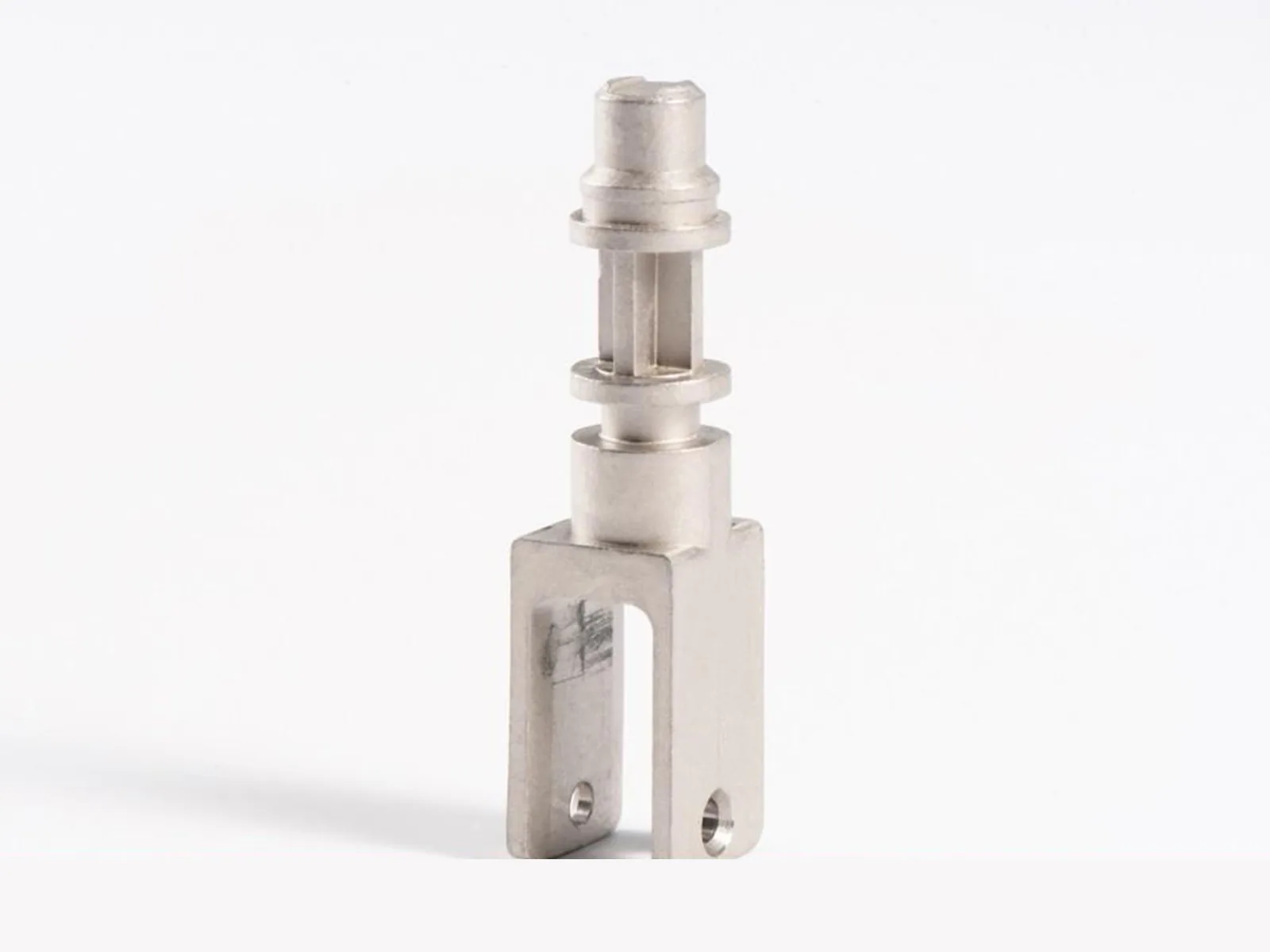
طلب عرض سعر للقولبة بالحقن المعدني

شارك الرسم الخاص بك، متطلبات المواد، الكمية السنوية، احتياجات التفاوتات، أو تفاصيل التطبيق. سيقوم فريقنا الهندسي بمراجعة مشروع MIM الخاص بك والرد بتعليقات فنية أو عرض سعر.

High-Volume MIM Engineering Review

تصنيع الأجزاء المعدنية الصغيرة عالية الإنتاج بتقنية MIM

Metal injection molding (MIM) can be an efficient manufacturing solution for high-volume small metal parts when complex geometry, stable demand, and tooling investment align. XTMIM evaluates part design, materials, production volume, critical tolerances, manufacturing costs, and quality requirements to determine whether MIM is technically feasible, economically justified, and suitable for consistent mass production.

إجابة سريعة

Metal injection molding (MIM) is worth evaluating for high-volume small metal parts when repeat demand is stable, the design integrates useful three-dimensional features, and the project can justify tooling, validation, and consistent production control. MIM is not chosen on volume alone: material availability, part geometry, critical tolerances, secondary operations, and the cost of accepted finished parts determine whether it is competitive.

A part that passes prototype inspection may still be difficult to manufacture at scale. Repeated machining time, assembly and handling work, bottlenecks, and part-to-part variation can restrict output or increase total cost. The practical question is whether the part can be tooled, validated, produced, inspected, and released repeatedly at the required quantity and quality.

A small, simple plate or shaft may be better suited to CNC, stamping, or conventional powder metallurgy. MIM is most useful when feature integration and repeat demand justify its production and qualification requirements.

Manufacturing Process Fit

Is MIM the Right Process for Your High-Volume Small Metal Parts?

A good MIM candidate has more than a high production forecast. Look for part features that benefit from molding, a practical feedstock route, a stable design and enough repeat demand to recover tooling costs.

What Part Features and Production Conditions Favor MIM?

Compact levers, latches, gears, brackets, housings, retainers, and other feature-rich metal components can be worth screening when near-net-shape molding may reduce machining operations or part assembly. That does not make any part family automatically suitable: load paths, wear, joint interfaces, support during sintering, and inspection access still require review.

For small-diameter parts produced in high volume, check ejection, green-part strength, furnace support, bulk handling, measurement access, and whether CNC turning would be simpler or more economical. Diameter or part size alone cannot establish MIM suitability.

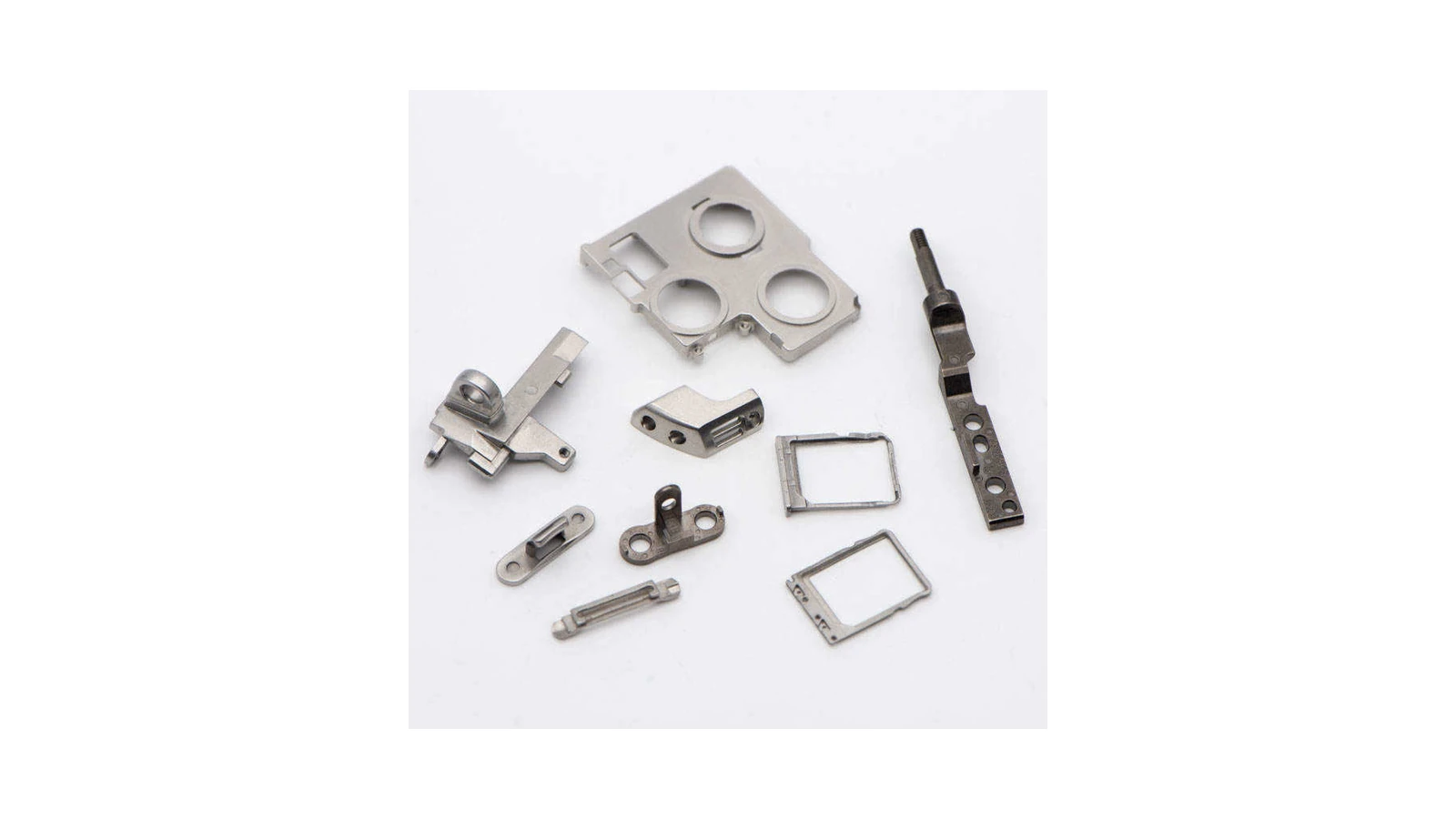
Small feature-rich metal components shown in the XTMIM image library
Image: XTMIM media library. Compact, feature-rich parts illustrate the geometry considered for MIM; a photograph alone does not establish the production volume, tolerance capability, or approval status of a particular part.

ملاءمة قوية

إشارات تبرر عادةً مراجعة الجدوى

  • الطلب مستقر بما يكفي لتقييم حجم المشروع الإجمالي، وليس فقط أمر شراء واحد.
  • التصميم قريب من الإصدار ومن غير المرجح أن تتغير الواجهات الرئيسية بشكل متكرر.
  • يمكن إنشاء العديد من الميزات الوظيفية في الهندسة المقولبة.
  • الأبعاد أو الأسطح المختارة فقط تتطلب تشطيبًا خاصًا أو تحكمًا أدق.
  • الخليط المعدني المطلوب متاح عبر مسار تغذية MIM عملي.
  • يمكن دعم المكون والتعامل معه وإزالة المادة الرابطة منه وتلبيده وفحصه كجزء قابل للتكرار.

يحتاج إلى مراجعة هندسية

الحالات التي قد تكون قابلة للتطبيق بعد تغييرات التصميم أو العملية

  • من المتوقع أن ينمو الطلب السنوي ولكن التوقعات والعمر الافتراضي للمنتج لا يزالان غير مؤكدين.
  • قد تتسبب سماكة الجدار، الكتلة المحلية، الأذرع الطويلة، الأسطح المسطحة الواسعة، أو المناطق غير المدعومة في خطر التشوه.
  • يطبق الرسم تفاوتات صارمة بأسلوب CNC على معظم الأبعاد.
  • قد تتطلب المسننات، الثقوب، أسطح الإغلاق، أسطح التحميل، أو المناطق الجمالية عمليات ثانوية.
  • الجزء صغير بما يكفي لدرجة أن التعامل معه، أو تثبيته، أو الوصول إليه للقياس يصبح صعبًا.
  • يتم النظر في أدوات التصنيع متعددة التجويفات قبل فهم توازن التجويف واحتياجات مراقبة الجودة.

عادةً ما يكون هناك عدم تطابق جيد

يشير إلى أن مسارًا آخر قد يكون أكثر عملية

  • حجم الإنتاج منخفض، غير منتظم، أو تهيمن عليه مراجعات التصميم المتكررة.
  • المكون كبير وبسيط، مثل لوحة أساسية، كتلة، أو عمود طويل.
  • كل سطح وكل بُعد تقريبًا يتطلب تشغيلًا دقيقًا بعد التلبيد.
  • لا يوجد مسار توريد أو تحقق مستقر بتقنية MIM للمادة أو متطلبات الخصائص النهائية.
  • لا توجد خطة واقعية لاسترداد تكاليف أدوات التصنيع، والتجارب، وأدوات التثبيت، وأعمال التأهيل.
  • The project expects a direct process swap without design-for-manufacturability (DFM), shrinkage, inspection, or finishing review.

When Should CNC, Stamping, or Conventional PM Be Considered Instead?

Use the process that fits the geometry, required material properties, volume profile, design-change frequency, quality requirements, and accepted-part cost. The following routes are screening directions, not production approvals.

وضع التصنيع المسار المرجح للمراجعة السبب
حجم منخفض، نماذج أولية، أو تغييرات تصميم متكررة التصنيع باستخدام الحاسب الآلي أو الطباعة المعدنية ثلاثية الأبعاد المسارات التي لا تتطلب أدوات أو تتطلب أدوات أقل تحافظ على المرونة قبل استقرار التصميم.
حجم كبير مع هندسة صفائح مسطحة بشكل أساسي الختم قد يكون التشكيل التدريجي أكثر كفاءة عندما يتبع التصميم هندسة الصفائح المعدنية وحدود التشكيل الاتجاهي.
مكونات أكبر ذات هندسة مناسبة للصب الصب بالقالب أو الصب بالاستثمار قد يتوافق حجم الجزء، ومسار السبائك، وهيكل الجدار، واقتصاديات الأدوات، واحتياجات التشطيب بشكل أفضل مع الصب.
هندسة مسحوق معدني بسيطة محاذية للمحاور ميتالورجيا المساحيق التقليدية قد يكون الضغط اقتصادياً عندما تتبع الهندسة اتجاه الضغط ولا تحتاج إلى حرية ميزات القولبة بالحقن.
مكون معدني صغير، غني بالميزات، للطلب المتكرر القولبة بالحقن المعدني قد تقلل الإنتاج المعتمد على الأدوات ودمج الميزات شبه الصافية من الحاجة إلى التشغيل الآلي المتكرر أو التجميع.
جسم MIM مع واجهات دقيقة مختارة MIM بالإضافة إلى التشغيل الآلي الثانوي أو القياس يحمل الجسم المصبوب الهندسة العامة بينما تتلقى الأسطح الحرجة المختارة تحكماً إضافياً.

For detailed decisions about available alloys, finishing, and post-sintering work, see the دليل اختيار مواد MIM و العمليات الثانوية.

Published Industry Example · MIMA · 2021

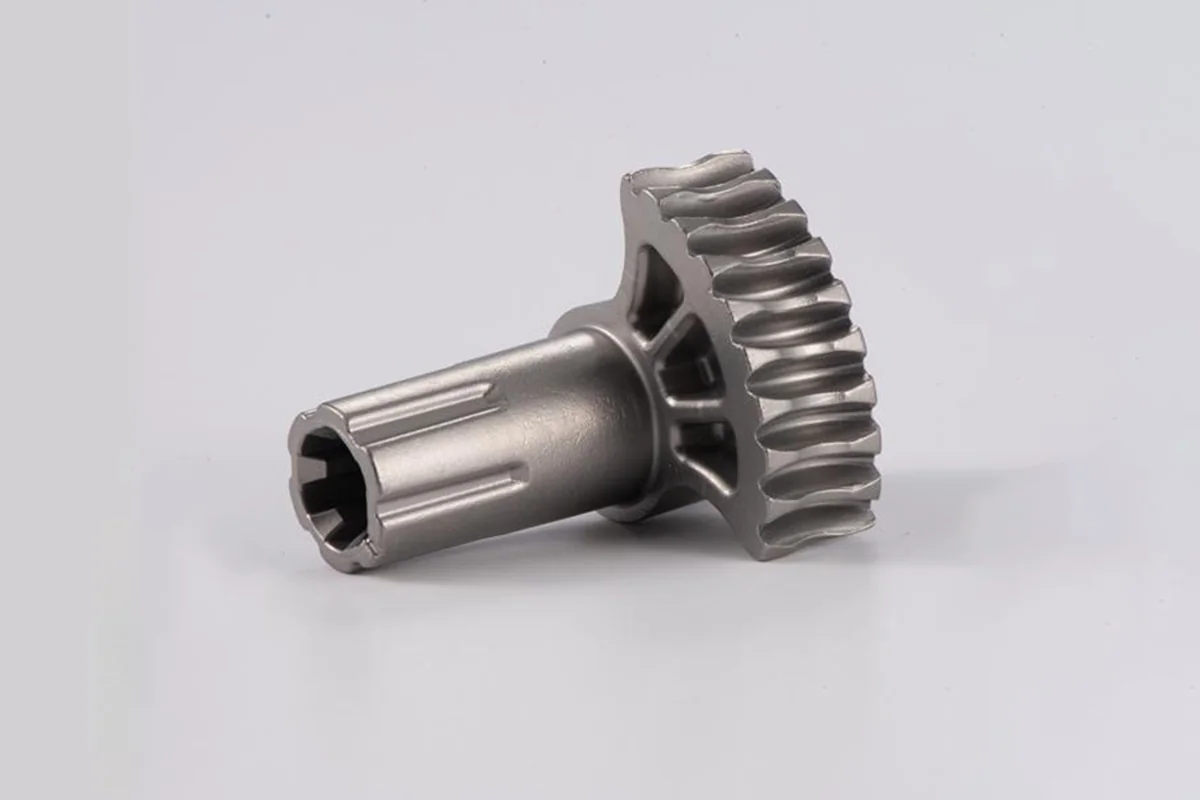
Parking-lock worm gear: single-cavity tooling for complex geometry

A 17-4 PH stainless steel worm gear for a commercial-vehicle parking-lock mechanism combines helical teeth and an adjacent torque-transmitting shaft. The published MIMA project used one injection-mold cavity and three interlocking slides to form the geometry. The finished gear required no post-sintering secondary operations to function with the mating assembly.

A single cavity did not prevent this complex geometry from being a practical MIM application. For a similar gear, check the mating fit, tooling action, finish requirements and forecast before selecting the cavity count.

MIMA documented 17-4 PH MIM worm gear with helical teeth and torque-transmitting shaft for commercial-vehicle parking lock
مصدر الصورة: جمعية القولبة بالحقن المعدني (MIMA). Published third-party case, not an XTMIM project.

Production Volume Economics

When Is MIM Cost-Effective for High-Volume Small Parts?

MIM requires tooling and validation before production begins. Whether it lowers cost depends on lifetime demand and the total cost of each accepted finished part, including necessary machining and inspection.

How Do Tooling Investment and Lifetime Volume Affect Unit Cost?

لا يحدد عرض أسعار الأدوات لمرة واحدة اقتصاديات المشروع بمفرده. يجب أن تأخذ المراجعة في الاعتبار الطلب الشهري المتوقع، والطلب السنوي، وعمر المنتج، ومتطلبات قطع الغيار، ونضج التصميم، وصيانة القالب، وعدد التجاويف المحتمل، واحتمالية حدوث تغييرات هندسية.

Which Costs Determine the Total Cost of an Accepted Part?

إذا كانت كل قطعة تتطلب تشغيلًا آليًا مكثفًا، أو تجليخًا، أو تلميعًا، أو معالجة حرارية، أو طلاءً، أو فحصًا كاملاً للأبعاد، فقد لا يُترجم ارتفاع إنتاج القولبة إلى تكلفة منخفضة للقطعة المقبولة. يجب تحديد العمليات الحرجة قبل الأدوات بحيث يتم تصميم جسم القولبة بالحقن المعدني (MIM) والمسار الثانوي معًا.

For an initial cost screen, estimate MIM cost per accepted part = one-time project investment divided by forecast lifetime accepted quantity + recurring cost per accepted part. One-time investment may include tooling, project-specific engineering, fixtures, and qualification; recurring cost should account for molding, secondary operations, inspection, and expected scrap or rework. Compare this with an alternative process meeting the same functional and quality requirements. The result is only as reliable as the demand, yield, and design-stability assumptions used.

عامل التكلفة طلب متكرر منخفض أو غير مؤكد طلب مرتفع ومستقر بكميات كبيرة سؤال هندسي
إطفاء تكلفة القالب تؤدي أدوات التصنيع والتحقق إلى تكلفة عالية لكل جزء مقبول. يمكن توزيع الاستثمار على مدى العمر المتوقع للمنتج. ما هو إجمالي الطلب الواقعي قبل مراجعة التصميم أو نهاية العمر الافتراضي؟
إعداد العملية الكميات الصغيرة المتكررة تستوعب جهود الإعداد والجدولة والإصدار. يمكن للإنتاج المستقر استخدام طرق تخطيط وتحكم قابلة للتكرار للكميات. هل أنماط الطلب مستقرة بما يكفي لدعم تخطيط الإنتاج؟
العمليات الثانوية يمكن أن تهيمن التشطيبات اليدوية أو الدقيقة على تكلفة الوحدة. يجب قصر العمليات على الميزات الحرجة (CTQ) المختارة أو الأسطح الوظيفية. ما هي الميزات التي تتطلب حقًا التشغيل الآلي، أو القياس، أو التجليخ، أو التنصيص، أو التشطيب؟
الفحص تخلق الفحوصات المخصصة وإعدادات الكميات الصغيرة جهد فحص عالي. يمكن تطوير مقاييس مستقرة، ومنطق أخذ العينات، وتجهيزات، وخطط للميزات الحرجة (CTQ). هل يمكن تحويل المواصفات إلى مسار فحص قابل للتطوير؟
تغيير التصميم يظل خطر إعادة تشكيل الأداة أو استبدالها مرتفعًا. نضج التصميم يحمي قيمة أداة الإنتاج. هل تم تجميد الواجهات والمواد والأبعاد الحرجة وظروف التجميع؟
A large purchase order does not automatically make MIM cheaper. A stable, sufficiently long production program with useful feature integration may justify tooling, while a simple part requiring extensive post-sintering machining may not.

إن نظرة عامة على MIM من اتحاد صناعات المساحيق المعدنية يصف العملية بأنها مناسبة للأشكال المعقدة بكميات كبيرة ويشير إلى أن معدلات الإنتاج العالية قد تكون مدعومة من خلال أدوات متعددة التجويف. لا تزال استراتيجية التجويف الفعلية والاقتصاديات تتطلب مراجعة خاصة بالمشروع.

For a closer cost comparison, see استهلاك تكلفة الأدوات حسب الحجم السنوي عند تقييم العلاقة بين استثمار الأدوات والطلب المتوقع وهيكل سعر الوحدة.

Published Industry Example · MIMA · 2012

Cable-tie installation tool with six 17-4 PH MIM components

MIMA documents a cable-tie installation tool containing six 17-4 PH MIM parts—a pinion, nosepiece, pawl gripper, insertable rack, cutoff cam, and short link. Four parts still needed limited reaming or coining to meet functional requirements. The published project changed from an investment-casting route, and MIMA reports an overall cost reduction without publishing a universal percentage.

Reaming or coining on four of the six parts adds to the finished-tool cost. Compare quotations using the cost of accepted components, including finishing, inspection, tooling and fixtures—not the price of the molded blank alone.

MIMA cable-tie installation hand tool and six documented 17-4 PH metal injection molded mechanism components
مصدر الصورة: جمعية القولبة بالحقن المعدني (MIMA). Published third-party case, not an XTMIM project.

Repeatable Volume Production

Can MIM Meet the Required Production Volume Consistently?

Production capacity is limited by the complete route—not by injection output in isolation. The design, tooling, molding, debinding, sintering, secondary operations, and inspection must support the same approved part at the required delivery rate.

Which Part Design Features Can Affect Production Repeatability?

Wall-thickness transitions, local mass concentration, unsupported arms or flats, and datum placement can affect molding, binder removal, sintering shrinkage, and distortion. Feature integration adds value only when the part remains practical to eject, support, handle, finish, and measure. Critical holes, bearing faces, sealing interfaces, and other function-critical features may require selective machining or sizing rather than unrealistic as-sintered limits.

Material selection must also fit an available, validated feedstock and sintering route. Strength, wear, corrosion, magnetic, and surface requirements should be tied to the actual part specification; an alloy name alone does not guarantee a suitable finished MIM part.

How Do Tooling Cavities and Production Bottlenecks Affect Capacity?

01

تخطيط أدوات التصنيع والتجويف

مراجعة موقع البوابة، والتهوية، والطرد، وتوازن التجويف، ومناطق التآكل، وسهولة الوصول للصيانة، وما إذا كان عدد التجويف متوافقًا مع قدرة الملء المستقر والفحص.
02

استقرار الحقن

التحكم في سلوك الملء، والطلقات القصيرة، وخطوط اللحام، والفلاش، ووزن الجزء الأخضر، وحالة الطرد، وأضرار المناولة قبل أن يتم تثبيت التباين في المراحل اللاحقة في الدفعة.
03

تخطيط تحميل إزالة المادة الرابطة والتلبيد

ربط المادة، وسماكة المقطع، وكثافة التحميل، وطريقة الدعم، ومسار الفرن، وسلوك الانكماش، واتجاه الحساسية للتشوه.
04

التحكم في العمليات الثانوية

تطبيق التشكيل، أو التشغيل الآلي، أو المعالجة الحرارية، أو التشطيب السطحي، أو PVD فقط حيث تبرر المواصفات والوظيفة التكلفة المضافة والتباين.
05

Inspection and Release Throughput

Ensure measurement, acceptance checks, and release decisions can keep pace with the required delivery schedule; inspection can become a capacity bottleneck even when parts are molded on time.

Why Does Qualified Output Matter More Than Theoretical Capacity?

Output must be evaluated as the quantity of accepted parts available for delivery after molding, furnace processing, secondary work, inspection, and expected rework or rejection. Estimate deliverable output for each required stage using realistic cycle or batch capacity, planned downtime, and demonstrated yield; the slowest stage determines the credible production rate. Compare that rate with the monthly demand forecast. A high injection rate cannot offset a slower furnace, finishing, or release stage.

!

أدوات القولبة متعددة التجاويف ليست حلاً تلقائياً للتكلفة

يمكن أن تزيد التجاويف المتعددة من الإنتاج، ولكنها قد تزيد أيضاً من توازن التجاويف، والتآكل، والصيانة، والارتباط البعدي، وأخذ العينات، ومتطلبات الفحص. يجب أن يتبع عدد التجاويف قدرة العملية المثبتة واقتصاديات الإنتاج، وليس هدف حجم الإنتاج بمعزل عن غيره.

Automotive MIM at scale: AFT’s 183 million cumulative turbocharger vanes

On 21 October 2022, PIM International reported that AFT had cumulatively manufactured 183 million metal-injection-molded turbocharger vanes since the company's establishment in 2001. The report identifies HK30 steel and demanding automotive operating conditions. This is a documented industry-scale manufacturing example—not an annual output figure, a universal MIM production rate, or a claim about XTMIM's capacity.

Request the planned output of accepted parts from the slowest stage, including injection, debinding, sintering, required finishing, inspection, and maintenance downtime. The supplier's forecast should match your required delivery schedule; an impressive lifetime production figure from another manufacturer does not establish capacity for your part.

Read the original 2022 AFT report

Batch Quality and Inspection

How Is Consistent Part Quality Maintained Across Production Batches?

High-volume consistency is not achieved by specifying the tightest tolerance for every dimension. The approved drawing must distinguish general as-sintered geometry from functional requirements that need closer process control, selective machining, heat treatment, surface finishing, or dedicated inspection.

Which Critical Dimensions and Properties Need Process Control?

تحديد critical-to-quality (CTQ) dimensions and properties from the part function: datums, location and assembly fits, bores, wear or sealing surfaces, material condition, and specified cosmetic areas. Shrinkage behavior, fixture and furnace support, cavity variation, downstream finishing, and the measurement method must be reviewed together.

مراجعة تخطيط تفاوتات MIM →
مراجعة قدرات الفحص والاختبار →
نوع الميزة مسار التحكم النموذجي خطر الإنتاج الرئيسي مراجعة قبل التصنيع
الهندسة الخارجية العامة تعويض القالب، استقرار العملية، التحكم في التلبيد الانكماش العام، التشوه الموضعي، انحراف نقطة المرجع اتجاه الجزء، الدعم، نقطة مرجع القياس، منطق تفاوت الرسم
سطح التحديد أو التجميع التحكم في العملية، القياس، أو التشغيل الآلي الانتقائي انحراف التجميع أو خطأ التراص نقطة مرجع وظيفية، حالة الجزء المتزاوج، طريقة القياس
فتحة أو تجويف وظيفي مراجعة الشكل المشكل، التوسيع، الحفر، أو التشغيل الآلي عند الحاجة القطر، الاستدارة، الموضع، الوصول تطابق الدبوس أو العمود، الوصول للأداة، الوصول للفحص
سطح تجميلي سطح القالب، التحكم في المناولة، التشطيب، المعايير المرئية علامات التدفق، علامات التلامس، تباين اللون أو الملمس منطقة المشاهدة، حد العيوب المقبولة، مسار التشطيب
واجهة الحركة، الختم، أو التآكل مراجعة التحكم في CTQ بالإضافة إلى المواد، المعالجة الحرارية، أو التشطيب الثانوي فشل وظيفي رغم الأبعاد العامة المقبولة الحمل، زوج التآكل، الصلابة، حالة السطح، الهندسة المتزايدة

How Should Inspection and Batch Acceptance Be Defined?

Before production release, agree on the inspection characteristics, datum references, measurement access and methods, sampling or full-inspection needs, visual acceptance criteria, traceability, and actions for nonconforming batches. Those actions may include holding affected parts, investigating the cause, correcting the process, and rechecking the relevant characteristics. A measurement method suitable for prototype samples may be too slow or inconsistent for repeated production.

Confirm that critical characteristics remain acceptable across relevant cavities, production batches, and downstream operations, using customer-approved acceptance criteria. Sampling alone is not evidence that a drifting manufacturing process is stable.

Published Industry Example · MIMA · 2021

304L MIM latch assembly for an infusion pump

MIMA's 304L stainless steel MIM pump-latch case includes a molded component, minor machining, a roller and rivet, and dedicated assembly fixturing. The case makes an important distinction: a molded piece can meet its own drawing while the full latch still depends on downstream features and assembly quality.

For a similar mechanism, inspection needs to cover engagement surfaces, fitted parts and assembled function as well as the sintered component. This case does not establish any XTMIM production yield, test result, or medical-device approval.

MIMA documented 304L stainless steel metal injection molded IV infusion pump latch with machined and assembled features
مصدر الصورة: جمعية القولبة بالحقن المعدني (MIMA). Published third-party case, not an XTMIM project.

Engineering and Production Validation

What Must Be Validated Before High-Volume MIM Production Begins?

A sample that meets the drawing is an important milestone, but it is not proof that the complete production route is ready. The project should move through defined decisions and verified results before volume is increased.

What Should Be Confirmed During Tooling and Sample Trials?

Start by confirming the actual application, volume forecast, material, critical interfaces, inspection needs, and drawing maturity. Engineering review should then resolve process-sensitive features before tooling and use trials to correct molding, sintering, and dimensional issues.

مراجعة الرسومات والطلب

تأكيد الوظيفة، الهندسة، العملية الحالية، المواد، التوقعات، دورة حياة المشروع، ضغط التكلفة، أبعاد CTQ، واحتياجات القبول.

تأكيد DFM والمواد

مراجعة اتجاه القولبة، توازن الجدران والكتلة، مخاطر البوابة والطرد، الانكماش، الدعم، مسار مادة التغذية، التشطيب، والوصول للفحص.

تطوير أدوات التصنيع

تنسيق مراجعة تصميم القالب، بناء الأداة، وصول القالب، التحضير للتجربة، استراتيجية التجويف، احتياجات الصيانة، وأولويات التصحيح.

What Should Be Verified Before Production Ramp-Up and Approval?

Sample and pilot results should demonstrate the required functional and dimensional condition, a feasible processing route, an inspection method that can be repeated at volume, and the agreed delivery-rate assumptions. Resolve trial nonconformities and repeat the necessary checks before scaling output. Final production approval should follow the customer's documented acceptance requirements, not sample appearance alone.

Tool Trials and Sampling

Use the required trial and correction cycles to review filling, ejection, green-part condition, debinding, sintering, dimensions, cosmetics, and secondary-operation issues; trial counts depend on the project.

التحقق من الأبعاد والوظائف

مقارنة العينات بالرسم المعتمد، خطة CTQ، حالة المواد، التجميع، السطح، والمتطلبات الوظيفية.

إصدار الإنتاج والتحكم في الدُفعات

تحديد مسار العملية المعتمد، طريقة الفحص، معايير الإصدار، السجلات، ملاحظات الصيانة، وتوقعات التحكم في التغيير.

Published Industry Example · MPIF / PickPM · 2018

17-4 PH shaft-grounding guide: two-plate mold after design review

منشور 17-4 PH MIM shaft-grounding guide section contains internal sliding-track features that appear to require complex tooling. The MPIF/PickPM case reports that customer–manufacturer design reviews made a two-plate mold without slides possible. The record also notes customer-side functional testing with mating assemblies.

The revised tooling concept still needed dimensional and functional checks with the mating assembly. A successful mold trial alone cannot justify high-volume release; the agreed dimensional, functional and throughput requirements must also be met.

MPIF PickPM 17-4 PH MIM shaft-grounding guide section with internal sliding tracks and mounting features
مصدر الصورة: MPIF / PickPM. Published third-party case, not an XTMIM project.

Additional Production Questions

ما هو حجم الإنتاج الذي يجعل تقنية MIM جديرة بالدراسة؟
لا يوجد حد إنتاجي عالمي يجعل تقنية القولبة بالحقن المعدني (MIM) اقتصادية. يجب أن يأخذ التقييم في الاعتبار تكلفة أدوات التصنيع والتحقق، والطلب الشهري والسنوي، والعمر المتوقع للمشروع، ونضج التصميم، واستراتيجية التجويف، والمادة، والعمليات الثانوية، والفحص، وتكلفة الجزء النهائي المقبول. يمكن أن يكون التنبؤ المستقر لعدة سنوات أكثر جدوى من أمر شراء واحد كبير.
هل جميع الأجزاء المعدنية الصغيرة مناسبة للإنتاج بكميات كبيرة بتقنية MIM؟
لا. يمكن أن يكون الجزء صغيرًا ولكنه لا يزال مرشحًا ضعيفًا لتقنية MIM إذا كان بسيطًا هندسيًا، أو يتم إنتاجه بشكل غير منتظم، أو من المحتمل أن يتغير، أو غير متوفر بمادة تغذية (feedstock) مناسبة، أو يصعب دعمه أثناء التلبيد، أو يعتمد على التشغيل الآلي الدقيق عبر كل سطح تقريبًا. يجب مراجعة الحجم الصغير جنبًا إلى جنب مع الهندسة، والحجم، والمادة، والتفاوتات، والتشطيب، والفحص.
هل يمكن لتقنية MIM الحفاظ على تفاوتات دقيقة في الإنتاج الضخم؟
يمكن لتقنية MIM دعم الأبعاد المضبوطة، ولكن يجب أن يميز مخطط التفاوت بين الهندسة العامة بعد التلبيد والأسطح الحرجة للجودة (CTQ). يؤثر انكماش التلبيد، وهندسة الجزء، واستراتيجية المرجع، وارتباط التجويف، والدعم، والمادة، وتحميل الفرن، وطريقة الفحص، جميعها على اتساق الإنتاج. قد لا تزال بعض الثقوب أو الأوجه أو التجميعات أو أسطح التآكل المختارة تتطلب عمليات تحجيم أو تشغيل ثانوية.
هل يمكن لأدوات القولبة متعددة التجويفات أن تقلل تكلفة الوحدة؟
يمكن لأدوات القولبة متعددة التجويف زيادة الإنتاج وتحسين استهلاك الأدوات عند استقرار التعبئة، وتوازن التجويف، والتآكل، والإخراج، والارتباط البعدي، والصيانة، والفحص. يمكنها أيضًا زيادة تعقيد الأدوات ومتطلبات مراقبة الجودة. يجب اختيار عدد التجويفات بناءً على اقتصاديات المشروع وقدرة العملية المثبتة بدلاً من الحجم وحده.
ما هي المواد المناسبة لأجزاء MIM ذات الحجم الكبير؟
تشمل المسارات الشائعة للقولبة بالحقن المعدني (MIM) الفولاذ المقاوم للصدأ، والصلب منخفض السبائك، والمواد المغناطيسية اللينة، وسبائك خاصة مختارة. تعتمد الملاءمة على مادة التغذية (feedstock) المتاحة، والقوة المطلوبة، والصلابة، وبيئة التآكل أو التآكل، والسلوك المغناطيسي أو الحراري، والمعالجة الحرارية، والحالة السطحية، وتوقعات الكثافة، وطريقة الفحص. اسم السبيكة وحده لا يكفي للموافقة على المشروع.
ما هي المعلومات المطلوبة لمراجعة الجدوى الإنتاجية؟
أرسل الرسم ثنائي الأبعاد، والنموذج ثلاثي الأبعاد، ومتطلبات المادة، والطلب الشهري والسنوي، وعمر المشروع المتوقع، والأبعاد الحرجة، ومتطلبات المعالجة السطحية والحرارية، وطريقة التصنيع الحالية، ومخاوف التكلفة أو السعة الحالية، وظروف التشغيل أو التجميع، وتوقعات الفحص أو التعبئة. معلومات واضحة عن الأبعاد الحرجة (CTQ) والتوقعات تجعل المراجعة الأولية أكثر فائدة.

Next Step: Engineering Feasibility

What Should You Submit for a High-Volume MIM Feasibility Review?

Share the drawing package, material and condition, stable or forecast production demand, expected project life, critical-to-quality dimensions, surface and heat-treatment requirements, inspection needs, and any current cost or capacity problem. XTMIM can then review whether the part is a practical MIM candidate, needs design or tolerance adjustment, may benefit from MIM with selected machining, or should be evaluated for another process.

  • رسم ثنائي الأبعاد ونموذج ثلاثي الأبعاد
  • الطلب الشهري والسنوي
  • العمر المتوقع للمشروع
  • المادة والحالة
  • أبعاد ونقاط مرجعية CTQ
  • المعالجة السطحية والحرارية
  • العملية الحالية أو ضغط التكلفة
  • احتياجات الفحص والتعبئة