تعتبر تكلفة أدوات القولبة بالحقن المعدني (MIM) مرتفعة لأن القالب يجب أن يفعل أكثر من مجرد إعادة إنتاج الشكل المرئي للجزء المعدني. يجب أن يشكل جزءًا أخضر مستقرًا، ويحرر الهندسة الهشة دون تلف، ويعوض انكماش إزالة المادة الرابطة والتلبيد، ويسمح بالتصحيح التجريبي، ويظل قابلاً للتكرار أثناء الإنتاج. بالنسبة لمديري المشتريات وفرق المشاريع، فإن السؤال العملي هو ليس ببساطة ما إذا كانت رسوم الأدوات تبدو مرتفعة. السؤال هو ما إذا كان هذا الاستثمار الأولي مبررًا بتعقيد الجزء، واستقرار التصميم، والحجم السنوي، وعمر المشروع، وانخفاض تكلفة الإنتاج المتكررة. عادةً ما تصبح أدوات القولبة بالحقن المعدني أسهل في التبرير عندما يحل تصميم مستقر محل التشغيل الآلي باستخدام الحاسب الآلي المتكرر، أو التثبيت الصعب، أو التجميع متعدد الأجزاء، أو عملية أخرى ذات تكلفة طويلة الأجل أعلى. عادة ما يكون من الصعب تبريرها عندما يكون المشروع مخصصًا للنماذج الأولية فقط، أو لا يزال الرسم يتغير، أو يكون حجم الإنتاج منخفضًا جدًا، أو لا يزال الجزء يتطلب تشغيلًا آليًا ثانويًا مكثفًا بعد القولبة والتلبيد.
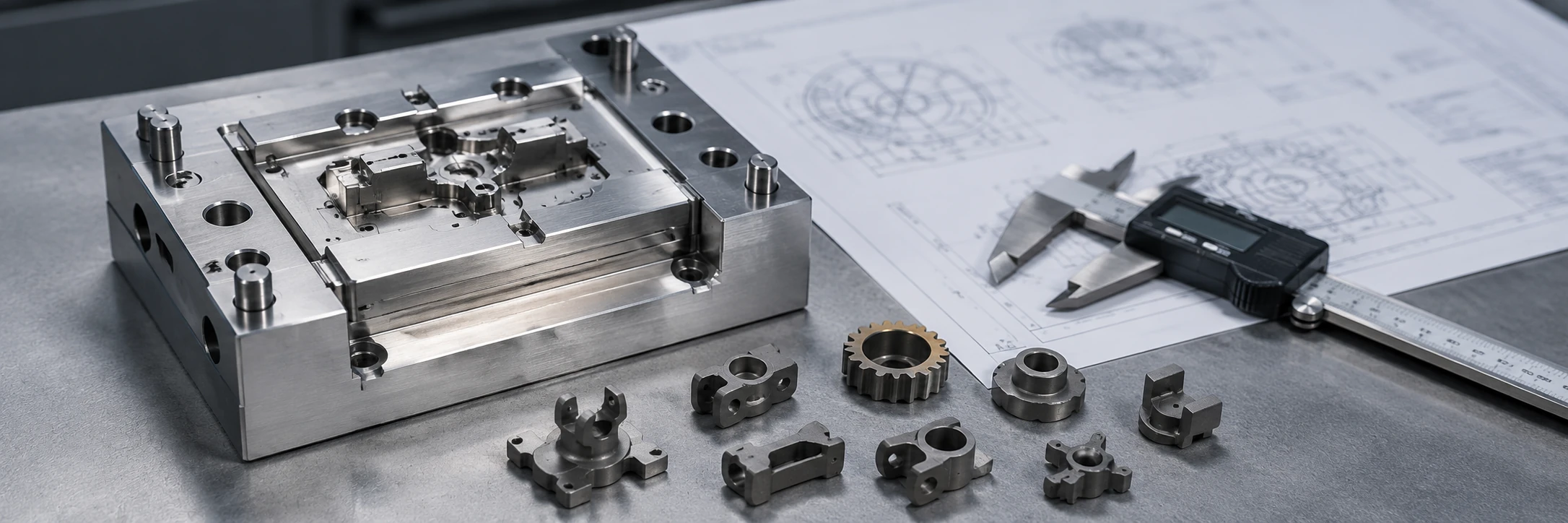
تعتبر تكلفة أدوات القولبة بالحقن المعدني (MIM) مرتفعة لأن القالب يجب أن يفعل أكثر من مجرد إعادة إنتاج الشكل المرئي للجزء المعدني. يجب أن يشكل جزءًا أخضر مستقرًا، ويحرر الهندسة الهشة دون تلف، ويعوض انكماش إزالة المادة الرابطة والتلبيد، ويسمح بالتصحيح التجريبي، ويظل قابلاً للتكرار أثناء الإنتاج. بالنسبة لمديري المشتريات وفرق المشاريع، فإن السؤال العملي هو ليس ببساطة ما إذا كانت رسوم الأدوات تبدو مرتفعة. السؤال هو ما إذا كان هذا الاستثمار الأولي مبررًا بتعقيد الجزء، واستقرار التصميم، والحجم السنوي، وعمر المشروع، وانخفاض تكلفة الإنتاج المتكررة. عادةً ما تصبح أدوات القولبة بالحقن المعدني أسهل في التبرير عندما يحل تصميم مستقر محل التشغيل الآلي باستخدام الحاسب الآلي المتكرر، أو التثبيت الصعب، أو التجميع متعدد الأجزاء، أو عملية أخرى ذات تكلفة طويلة الأجل أعلى. عادة ما يكون من الصعب تبريرها عندما يكون المشروع مخصصًا للنماذج الأولية فقط، أو لا يزال الرسم يتغير، أو يكون حجم الإنتاج منخفضًا جدًا، أو لا يزال الجزء يتطلب تشغيلًا آليًا ثانويًا مكثفًا بعد القولبة والتلبيد.
إجابة سريعة: عادةً ما تكون رسوم أدوات القولبة بالحقن المعدني (MIM)، أو تكلفة القالب، مرتفعة لأن الأداة يجب أن تتحكم في أكثر من شكل التجويف المرئي. يجب أن تدعم تعبئة مادة التغذية، وإخراج الجزء الأخضر، وتعويض انكماش التلبيد، وعينات الاختبار، وتصحيح الأداة، والإنتاج المتكرر. السؤال الصحيح ليس فقط ما تعنيه تكلفة الأدوات في عرض الأسعار، ولكن ما إذا كانت خطة القالب مبررة بالرسومات المستقرة، والحجم السنوي، وتعقيد الجزء، ومخاطر التفاوت، وعمر المشروع المتوقع. قد لا يزال عرض أسعار القالب المنخفض محفوفًا بالمخاطر إذا تجاهل انكماش التلبيد أو تصحيح العينات، بينما قد يكون عرض الأسعار الأعلى معقولًا عندما يمكن للجزء أن يحل محل التشغيل الآلي CNC المتكرر أو تجميع الأجزاء المتعددة. للحصول على إطار التكلفة الأوسع، راجع مراجعة تكلفة القولبة بالحقن المعدني.
لقطة قرار تكلفة الأدوات
استخدم هذه المراجعة السريعة قبل مقارنة عروض أسعار قوالب القولبة بالحقن المعدني (MIM). يجب أن يعتمد قرار الأدوات على جاهزية المشروع، وليس فقط على أقل سعر مقدم للقالب.
| حالة المشروع | قرار الأدوات |
|---|---|
| تصميم مستقر، إنتاج متكرر، وهندسة معقدة | يستحق المراجعة لأدوات القولبة بالحقن المعدني (MIM) واستهلاك التكلفة. |
| طلب نماذج أولية فقط أو رسم لا يزال يتغير | عادةً غير جاهز لأدوات الإنتاج. |
| جزء بسيط كبير بهندسة منتظمة | قارن أولاً بين تقنيات التشكيل بالمسحوق (PM)، والتشغيل الآلي باستخدام الحاسب الآلي (CNC)، والختم، والصب، أو العمليات الأخرى. |
| لا تزال هناك حاجة إلى تشغيل آلي ثانوي ثقيل بعد عملية MIM | أعد التحقق من التكلفة الإجمالية للمشروع قبل الموافقة على أدوات التصنيع. |
تكلفة أدوات تصنيع MIM مرتفعة لأن القالب يقوم بأكثر من مجرد تشكيل الشكل
الخطأ الشائع هو مقارنة أدوات تصنيع MIM بتركيبة تشغيل آلية بسيطة أو قالب أولي أساسي. في الممارسة العملية، يجب أن يدعم قالب MIM عملية الحقن المعدني، وإخراج الجزء الأخضر، والتحكم في الانكماش، والتكرارية الأبعاد، واستقرار الإنتاج. شكل التجويف هو جزء واحد فقط من قرار أدوات التصنيع.
من منظور مراجعة التصميم، يجب أن يجيب القالب على عدة أسئلة قبل إصداره:
- هل يمكن لمادة التغذية (feedstock) ملء الجدران الرقيقة، والميزات الصغيرة، والفتحات، والثقوب، والمناطق الوظيفية بشكل متسق؟
- هل يمكن إخراج الجزء الأخضر (green part) دون تشقق، أو تشوه، أو تلف في الحواف؟
- هل سيؤدي موقع البوابة (gate) إلى إنشاء مناطق ضعيفة، أو خطوط لحام، أو علامات مرئية، أو عدم توازن في الملء؟
- هل يمكن وضع خط الفصل (parting line) بعيدًا عن الأسطح الحرجة للإغلاق، أو الانزلاق، أو الأسطح الجمالية؟
- هل ستكون هناك حاجة إلى إدراجات (inserts)، أو منزلقات (sliders)، أو آليات جانبية (side actions) للتعامل مع التجاوزات (undercuts) أو الثقوب الجانبية؟
- هل يمكن للقالب دعم الإنتاج المتكرر دون تصحيح أو صيانة مفرطة؟
تؤثر هذه الأسئلة على تكلفة الأدوات (tooling) لأن كل إجابة قد تتطلب عمل تصميم إضافي للقالب، أو دقة تصنيع أعلى، أو تركيبًا، أو تلميعًا، أو إدراجات، أو مكونات متحركة، أو السماح بوقت للتصحيحات التجريبية.

| عنصر الأدوات (Tooling Element) | لماذا يؤثر على التكلفة | ما الذي يمكن أن يحدث بشكل خاطئ إذا تم تجاهله |
|---|---|---|
| موقع البوابة | يتحكم في تدفق مادة التغذية، وضغط الملء، وقوة الجزء الأخضر. | نقص الملء (Short shot)، ضعف الميزات، خطوط اللحام، علامات البوابة المرئية. |
| تصميم العدّاء (Runner design) | يؤثر على توازن ملء التجويف واستقرار العملية. | ملء غير متساوٍ، وزن جزء غير متناسق، خطر زيادة الخردة. |
| نظام الطرد (Ejection system) | يحرر الأجزاء الخضراء الهشة من التجويف. | تشققات، تشوه، تلف الحواف، انبعاج. |
| خط الفصل | يتحكم في موقع الفلاش (flash) وانقطاع السطح. | تشطيب إضافي، خطر على السطح الوظيفي، مشاكل في المظهر. |
| الحشوات والمنزلقات (Inserts and sliders) | السماح بالفتحات الجانبية، أو التجاويف العميقة، أو التفاصيل المعقدة. | تكلفة قالب أعلى، ووقت تركيب أطول، وصيانة أكثر. |
| تصميم تجويف متعدد | يحسن إنتاجية الإنتاج ولكنه يزيد من تعقيد التصميم. | عدم توازن التجويف، انكماش غير متناسق، صعوبة أكبر في التصحيح. |
يجب أن ينتج القالب جزءًا أخضر مستقرًا، وليس مجرد شكل مرئي.
تتكون مادة تغذية MIM من مسحوق معدني دقيق ومادة رابطة. بعد القولبة بالحقن، يكون للجزء الأخضر الشكل الهندسي المقصود، ولكنه لا يمتلك بعد الكثافة النهائية أو القوة أو الحجم للمكون المعدني النهائي. هذا يعني أن القالب يجب أن يشكل جزءًا يمكنه تحمل المناولة و عملية إزالة المادة الرابطة والتلبيد في MIM قبل أن يصبح جزءًا معدنيًا قابلاً للاستخدام.
هذا مهم لأن بعض الأشكال الهندسية تبدو سهلة في نموذج CAD ولكنها تصبح صعبة أثناء القولبة. الجدران الرقيقة، والانتقالات الحادة، والميزات الطويلة النحيلة، والفتحات العميقة، والدبابيس الصغيرة قد تملأ بشكل سيء أو تصبح هشة أثناء الإخراج. إذا كان القالب ينشئ الشكل فقط ولكنه لا يحمي استقرار الجزء الأخضر، فقد يواجه المشروع تشققات، أو تشوهًا، أو انحرافًا في الأبعاد، أو فشلًا متكررًا في التجارب.
قرارات البوابة، والمجرى، والإخراج تؤثر على كل من التكلفة والجودة
تصميم البوابة والمجرى ليسا تفاصيل ثانوية في أدوات MIM. فهما يؤثران على كيفية دخول مادة التغذية إلى التجويف، وكيفية توزيع الضغط، وكيف يمتلئ الجزء الأخضر، وأين قد تظهر علامات أو مناطق ضعيفة. تصميم الإخراج مهم أيضًا لأن الأجزاء الخضراء أكثر هشاشة من الأجزاء المعدنية الملبدة النهائية.
قد يبدو عرض سعر أقل لأدوات التصنيع جذابًا إذا بسّط هذه القرارات، ولكنه قد ينقل المخاطر إلى مرحلة التجربة. إذا كان مكان البوابة غير مناسب، فقد يتطلب المشروع تصحيحًا للقالب. إذا لم تتم مراجعة آلية الإخراج بعناية، فقد يتشقق الجزء قبل وصوله إلى مرحلة إزالة المادة الرابطة. إذا كان توازن التجويف ضعيفًا في قالب متعدد التجويفات، فقد يكون ناتج الإنتاج غير مستقر حتى لو بدت العينة الأولى مقبولة. للحصول على دعم خاص بأدوات التصنيع، راجع دعم تصميم أدوات MIM وتجربتها من XTMIM دعم تصميم أدوات MIM وتجربتها.
تعويض الانكماش يجعل أدوات MIM مختلفة عن قوالب الحقن العادية
يُعد تعويض الانكماش أحد الأسباب الرئيسية التي تجعل أدوات MIM تتطلب مراجعة هندسية متخصصة. لا يتم بناء قالب MIM فقط للحجم النهائي في CAD. يتم بناؤه للنتيجة المتلبدة المتوقعة بعد مرور الجزء الأخضر بمراحل إزالة المادة الرابطة والتلبيد.
أثناء إنتاج MIM، يكون الجزء الأخضر المصبوب أكبر من المكون النهائي. تتم إزالة المادة الرابطة أثناء إزالة المادة الرابطة، ويتكثف الجزء أثناء التلبيد. لذلك، يجب قياس القالب وتصحيحه وفقًا للمادة، وسلوك مادة التغذية، وسمك الجدار، وهندسة الجزء، والأبعاد الحرجة، وخبرة التلبيد.

يختلف هذا عن مجرد تشغيل تجويف ليناسب الحجم النهائي في الرسم. يجب على مصمم القالب توقع كيفية انكماش الجزء وما إذا كانت المناطق المختلفة قد تتصرف بشكل مختلف. إذا كان الجزء يحتوي على أقسام جدار غير متساوية، أو ميزات رفيعة طويلة، أو ثقوب صغيرة، أو أسطح وظيفية متعددة، يصبح تعويض الانكماش أكثر صعوبة.
يتم بناء القالب للنتيجة المتلبدة، وليس فقط نموذج CAD
من منظور أدوات التصنيع، فإن الرسم النهائي هو الهدف، ولكن تجويف القالب هو أداة العملية المستخدمة للوصول إلى هذا الهدف بعد الانكماش. لهذا السبب، يجب أن تربط مراجعة أدوات MIM بين الرسم، واختيار المواد، ومادة التغذية، وطريقة التلبيد، ومتطلبات الفحص.
على سبيل المثال، قد تبدو المسافة من ثقب إلى ثقب بسيطة في CAD. في الإنتاج، قد تتأثر هذه المسافة بقياس القالب، والانكماش المحلي، ودعم الجزء أثناء التلبيد، وسمك الميزة، وطريقة الفحص. إذا كان هذا البعد حرجًا للتجميع، فيجب تحديده قبل إصدار أدوات التصنيع. بخلاف ذلك، قد لا يعرف المورد الأبعاد التي تتطلب تخطيطًا إضافيًا للتصحيح.
للحصول على إرشادات أعمق خاصة بالتصميم، راجع مراجعة تعويض انكماش MIM.
زيادة سماكة الجدران غير المتساوية والأبعاد الحرجة تزيد من مخاطر التصحيح
الأجزاء ذات الأقسام الجدارية الموحدة تكون عمومًا أسهل في المراجعة للانكماش. الأجزاء ذات الأقسام الثقيلة بجوار الأضلاع الرقيقة، أو الامتدادات الطويلة غير المدعومة، أو أسطح الإسناد المتعددة تتطلب تقييمًا أكثر دقة. قد تزداد تكلفة الأدوات لأن القالب يحتاج إلى تخطيط تعويض أفضل، أو بدل تصحيح، أو مراجعة تجريبية دقيقة، أو إدراجات إضافية في المناطق التي قد يُتوقع فيها تعديل الأبعاد.
| حالة التصميم | لماذا يصبح تعويض الانكماش أصعب؟ | تركيز المراجعة قبل تصنيع القالب |
|---|---|---|
| سُمك جدار غير متساوٍ | قد تنكمش أو تتشوه الأقسام المختلفة بشكل مختلف. | انتقال الجدار، تقليل الكتلة، دعم التلبيد. |
| هندسة طويلة ورفيعة | خطر أعلى للانحناء أو التشوه. | الاستقامة، طريقة الدعم، التفاوت الوظيفي. |
| مسافة ضيقة بين الثقوب | قد يؤثر انحراف الانكماش الصغير على التجميع. | تحديد الأبعاد الحرجة وخطة الفحص. |
| أسطح وظيفية متعددة | يجب التحكم في المزيد من الأبعاد معًا. | استراتيجية المرجع وأولوية التفاوت. |
| الأضلاع الرقيقة أو الميزات الدقيقة | قد يكون سلوك الملء والتلبيد أقل استقرارًا. | قابلية القولبة، وسهولة الإخراج، وجدوى القياس. |
عينات الاختبار وتصحيحات القالب هي جزء من تكلفة القالب الحقيقية
لا ينبغي تقييم تكلفة أدوات MIM فقط كتكلفة تشغيل القالب. في العديد من المشاريع، يستمر العمل على الأدوات من خلال العينات الأولى، والفحص البعدي، والتصحيح، وإعادة التحقق من صحة العينات.
تساعد عينات التجربة الأولى في تأكيد ما إذا كان القالب يمكنه ملء الجزء، وإخراج الجزء الأخضر، واجتياز عمليات إزالة المادة الرابطة والتلبيد، والوصول إلى الأبعاد المطلوبة. قد تُظهر العينة الأولى أن الشكل العام مقبول ولكن بُعدًا حرجًا خارج التوقعات، أو أن قسمًا رفيعًا ضعيف، أو أن علامة البوابة تؤثر على منطقة وظيفية، أو أن تشوه التلبيد يحتاج إلى مزيد من المراجعة.

قد يتضمن تصحيح القالب تعديل التجويف، أو تعديل الإدراج، أو تغيير البوابة، أو ملاءمة خط الفصل، أو تحسين المُخرج، أو مناقشة تصميم محلية مع العميل. بالنسبة لأجزاء MIM المعقدة، فإن عملية التصحيح هذه ليست فشلاً في المشروع. غالبًا ما تكون جزءًا من إدخال مكون مصبوب وملبد في نافذة إنتاج مستقرة.
| نتيجة التجربة | الاستجابة المحتملة للأدوات | تأثير المشروع |
|---|---|---|
| انحراف الأبعاد الحرجة | تصحيح التجويف أو تعديل الإدراج. | تشغيل إضافي وإعادة التحقق. |
| تشققات أثناء القذف | إعادة تصميم القذف، مراجعة الزاوية، أو تعديل الهندسة. | تعديل القالب قبل الموافقة على العينة. |
| تشوه التلبيد | مراجعة الدعم، مراجعة الهندسة، أو مناقشة التفاوتات. | قد يتطلب تعديل التصميم أو العملية. |
| نتوء عند خط الفصل | تركيب القالب أو تصحيح سطح الفصل. | تركيب إضافي للقالب وأخذ عينات. |
| الصب القصير أو الملء الضعيف | تعديل البوابة أو العدّاء. | تعديل القالب وعينات تجريبية جديدة. |
العينات الأولى تكشف أكثر من الدقة البعدية
قد يركز فريق التوريد فقط على ما إذا كانت العينات الأولى تلبي أبعاد الرسم. سيقوم مهندس MIM أيضًا بمراجعة جودة الملء، وإخراج الجزء الأخضر، وسلوك إزالة المادة الرابطة، وتشوه التلبيد، وموقع علامة البوابة، وحالة السطح، وجدوى الفحص.
هذا مهم لأن الجزء يمكن أن يلبي عدة أبعاد في دفعة عينات صغيرة ولا يزال يمثل خطرًا للإنتاج. إذا ظهر تلف في الإخراج بشكل متقطع، أو إذا اختلفت الميزات الرقيقة من تجويف إلى آخر، أو إذا كان دعم التلبيد غير مستقر، فقد يتطلب قرار الأدوات تصحيحًا قبل إصدار الإنتاج.
القالب الرخيص يمكن أن يصبح مكلفًا إذا لم يتم التخطيط للتصحيح
لا يعني انخفاض تكلفة الأدوات بالضرورة أنه سيء، ولكن يجب مراجعته بعناية. قد يأتي عرض السعر المنخفض من تصميم قالب بسيط، أو عدد أقل من الإدراجات، أو سماح محدود للتصحيح، أو إخراج مبسط، أو نقص في مراجعة الانكماش التفصيلية. إذا احتاج المشروع لاحقًا إلى تصحيح متكرر، فقد يختفي التوفير الظاهري.
بالنسبة للمشترين، السؤال الأفضل ليس “أي مورد لديه أقل تكلفة للأدوات؟” السؤال الأفضل هو “هل تدعم خطة الأدوات هذه العينات المستقرة، والتصحيح، والإنتاج؟”
سيناريو ميداني مركب للتدريب الهندسي: عرض سعر منخفض للأدوات، مخاطر تصحيح عالية
تم عرض مكون دقيق صغير بتكلفة قالب منخفضة. اختار المشتري خطة الأدوات بشكل أساسي لأن السعر الأولي كان جذابًا. ملأت العينات الأولى بصريًا، ولكن العديد من الأبعاد الوظيفية تحولت بعد التلبيد، وأظهرت ميزة جانبية رفيعة تلفًا عرضيًا أثناء الإخراج.
ما هي ميزات الأجزاء التي تزيد عادةً من تكلفة قوالب MIM؟
لا تتطلب كل قطعة MIM نفس استثمار أدوات التصنيع. بعض ميزات الأجزاء تزيد من تكلفة القالب لأنها تتطلب هيكل قالب أكثر تعقيدًا. ميزات أخرى تزيد التكلفة لأنها تخلق مخاطر أعلى أثناء الملء، أو الإخراج، أو تعويض الانكماش، أو التصحيح، أو الفحص.
هذا القسم ليس تحذيرًا ضد الأجزاء المعقدة. غالبًا ما يتم اختيار MIM لأنه يمكنه إنتاج مكونات معدنية صغيرة ومعقدة ستكون مكلفة في التشغيل الآلي بشكل متكرر. النقطة العملية هي أنه يجب على المشترين فهم الميزات التي قد تزيد من مخاطر أدوات التصنيع قبل مقارنة عروض الأسعار.
| ميزة الجزء | تأثير تكلفة أدوات التصنيع | محور المراجعة الهندسية |
|---|---|---|
| عائق | قد تتطلب منزلقًا، أو إدخالًا، أو تغييرًا في التصميم. | إصدار القالب، عمر الأداة، سهولة الوصول للتصحيح. |
| فتحة جانبية | قد تتطلب حركة جانبية أو إدخالًا. | قوة القلب، المحاذاة، الصيانة. |
| جدار رقيق | يزيد من مخاطر الملء والإخراج. | التدفق، القوة الخضراء، التشوه. |
| فتحة عميقة | قد يتطلب تصميم قلب صعب. | الملء، استقرار القلب، التنظيف. |
| ميزة دقيقة | يتطلب دقة أعلى في الأدوات. | الملء، القياس، خطر التلف. |
| زاوية حادة | قد يؤثر على التدفق وتركيز الإجهاد. | مراجعة نصف القطر وخطر التشقق. |
| تفاوت دقيق في نقطة الإسناد | يزيد من متطلبات التصحيح والفحص. | طريقة القياس وقدرة العملية. |
| سطح تجميلي | قد تتطلب تخطيطًا أفضل لخط الفصل والبوابة. | علامات مرئية، فلاش، تشطيب ثانوي. |
التعشقات والميزات الجانبية والمحركات المنزلقة تزيد من التعقيد الميكانيكي.
التعشقات والثقوب الجانبية ممكنة غالبًا في MIM، ولكنها قد تتطلب محركات منزلقة، أو إدخالات، أو إجراءات جانبية، أو تسوية في التصميم. هذه العناصر في أدوات التصنيع تزيد من جهد التشغيل الآلي، والملاءمة، والصيانة، وتصحيح الأخطاء التجريبية.
لا ينبغي للمشتري رفض MIM فقط لأن جزءًا ما يحتوي على ميزات جانبية. ومع ذلك، يجب مراجعة هذه الميزات مبكرًا. في بعض الحالات، يمكن لتغيير تصميم صغير إزالة الحاجة إلى محرك منزلق. في حالات أخرى، قد يظل الاحتفاظ بالميزة مبررًا إذا قلل من تكلفة التشغيل الآلي باستخدام CNC أو تكلفة التجميع لاحقًا.
الجدران الرقيقة والميزات الدقيقة تزيد من مخاطر الملء والإخراج.
قد تكون الجدران الرقيقة والتفاصيل الصغيرة جزءًا من سبب اختيار MIM، ولكنها تحتاج أيضًا إلى مراجعة قابلية التشكيل. قد يكون من الصعب ملء الأقسام الرقيقة باستمرار. قد تتضرر الميزات الدقيقة أثناء الإخراج أو يصعب فحصها. يمكن أن تزيد الهندسة الطويلة الرقيقة أيضًا من خطر تشوه التلبيد.
يأتي التأثير على التكلفة من الحاجة إلى تصميم قالب أفضل، والتحقق التجريبي، والتحكم في العملية، وأحيانًا تعديل تصميم الجزء قبل الموافقة على أدوات التصنيع.
التفاوتات الضيقة يمكن أن تحول التكلفة من أدوات التصنيع إلى التصحيح والفحص.
التفاوتات الضيقة لا تؤثر فقط على الفحص. يمكن أن تؤثر على قياس القالب، وتصحيح التجويف، ومراجعة التلبيد، وتخطيط العمليات الثانوية، والتواصل مع المورد. إذا تم التعامل مع كل بُعد على أنه حرج، فقد يصبح المشروع مكلفًا بشكل غير ضروري أو صعب الاستقرار.
من منظور RFQ عملي، يجب على المشترين تحديد الأبعاد التي تكون وظيفية حقًا والأبعاد التي يمكن أن تتبع توقعات التفاوت العامة. هذا يساعد مراجعة أدوات التصنيع على التركيز على المجالات الأكثر أهمية.
متى يصبح استثمار أدوات القولبة بالحقن المعدني (MIM) مجديًا؟
يصبح استثمار أدوات القولبة بالحقن المعدني (MIM) أسهل في التبرير عندما يمكن استيعاب الاستثمار الأولي للقالب من خلال الإنتاج المتكرر وعندما تسمح هندسة الجزء بتقنية MIM بتقليل تكلفة التصنيع طويلة الأجل. يجب أن يأخذ القرار في الاعتبار عمر المشروع، والطلب السنوي، وتعقيد الجزء، وتكلفة العملية الحالية، واستقرار التصميم.
المفتاح ليس فقط الحجم السنوي. قد لا يبرر الجزء البسيط ذو الحجم المعتدل تقنية MIM إذا كان بإمكان عملية أخرى تصنيعه اقتصاديًا. قد يبرر الجزء المعقد ذو وقت دورة CNC الأطول، أو الإعدادات المتعددة، أو إمكانية تقليل التجميع، الاستثمار في الأدوات بشكل أسرع. كلما استفاد المشروع بشكل أكبر من الإنتاج بالشكل القريب من الشكل النهائي (near-net-shape)، والتكرارية، وتقليل التشغيل الآلي، أصبحت أدوات MIM أكثر قيمة.

| الحالة | لماذا يدعم استثمار أدوات القولبة بالحقن المعدني (MIM) |
|---|---|
| الطلب السنوي المستقر | يمكن استهلاك تكلفة الأدوات على مدار الإنتاج المتكرر. |
| عمر المشروع الطويل | تتم مشاركة تكلفة القالب الأولية بين أجزاء أكثر. |
| هندسة معقدة | قد تقلل تقنية MIM من خطوات التشغيل الآلي أو التجميع. |
| وقت دورة تشغيل CNC مرتفع | يمكن لتقنية MIM تقليل تكلفة الجزء المتكررة. |
| يمكن دمج تجميعات الأجزاء المتعددة | قد تقلل أدوات التصنيع من تكاليف تجميع العمالة وتنوع الجودة. |
| رسم مستقر | مخاطر أقل لتغييرات القالب المكلفة. |
| استراتيجية تفاوت واقعية | فرصة أفضل لإنتاج مستقر دون الحاجة إلى تشغيل آلي مفرط. |
| مادة وهندسة مناسبة | مخاطر أقل أثناء إزالة المادة الرابطة، والتلبيد، والفحص. |
تصبح أدوات التصنيع أسهل في التبرير عندما يمكن للحجم استيعاب التكلفة الأولية
يُقصد بإطفاء تكلفة أدوات التصنيع توزيع الاستثمار الأولي للقالب على الأجزاء المنتجة خلال المشروع. إذا كان حجم الإنتاج صغيرًا، فإن كل جزء يتحمل حصة أكبر من تكلفة أدوات التصنيع. إذا كان حجم الإنتاج مستقرًا وطال عمر المشروع، فإن تكلفة أدوات التصنيع لديها فرصة أكبر للاستيعاب.
هذا لا ينشئ حدًا حجميًا عالميًا واحدًا لكل مشروع MIM. تعتمد نقطة التعادل على هندسة الجزء، والمادة، واستراتيجية التجويف، وطريقة التصنيع الحالية، والعمليات الثانوية، ومتطلبات الفحص، وعمر الإنتاج المتوقع.
الهندسة المعقدة تجعل أدوات تصنيع MIM أكثر قيمة
غالبًا ما تصبح أدوات تصنيع MIM أكثر قيمة عندما يكون الجزء صغيرًا ومعقدًا ومكلفًا في التشغيل الآلي بشكل متكرر. إذا كان المكون يتطلب إعدادات CNC متعددة، أو أدوات صغيرة، أو تثبيتًا صعبًا، أو تجميعًا لعدة أجزاء معدنية صغيرة، فقد تقلل MIM التكلفة المتكررة بعد الموافقة على أدوات التصنيع.
قد تكون تكلفة أدوات التصنيع أعلى في البداية، ولكن يمكن أن يصبح مسار الإنتاج أكثر استقرارًا إذا كان التصميم مناسبًا للقولبة، وإزالة المادة الرابطة، والتلبيد، والفحص النهائي.
التصميم المستقر أكثر أهمية من عرض سعر منخفض لأدوات التصنيع
يُعد الرسم الهندسي المستقر أحد أهم شروط الاستثمار في أدوات تصنيع MIM. إذا كان التصميم لا يزال يتغير، فإن المشتري يخاطر بدفع تكاليف لتغييرات القالب أو حتى أدوات تصنيع جديدة. إذا لم يتم تأكيد متطلبات المواد أو التفاوتات أو التشطيب السطحي أو متطلبات التجميع، فقد لا يعكس عرض السعر مسار الإنتاج الفعلي.
قبل إصدار أدوات التصنيع، يجب على المشتري تأكيد ما يلي:
- الأبعاد الوظيفية؛;
- متطلبات التجميع؛;
- درجة المادة أو عائلة المواد؛;
- الحجم السنوي وعمر المشروع؛;
- متطلبات التشطيب السطحي أو الطلاء؛;
- ما إذا كان من المتوقع إجراء تشغيل آلي ثانوي؛;
- معايير الفحص والقبول.
مثال على المراجعة الهندسية: أصبحت أدوات التصنيع مبررة بعد مراجعة تكلفة CNC
قد تبدو المكونات المعدنية المدمجة باهظة الثمن في مرحلة أدوات التصنيع إذا قارن المشتري أدوات تصنيع MIM فقط بدفعة CNC واحدة. عند مراجعة الحجم السنوي، وإعدادات CNC المتكررة، وجهد الفحص، والعمليات الثانوية، وعمر المشروع معًا، قد يصبح الاستثمار في أدوات التصنيع معقولًا. التصحيح ليس افتراض أن MIM أرخص، بل مقارنة التكلفة الإجمالية للمشروع قبل الموافقة على القالب أو رفضه.
متى لا تكون أدوات تصنيع MIM مجدية عادةً
يجب أن يكون المورد المحترف لتقنية القولبة بالحقن المعدني (MIM) قادرًا على شرح متى لا تكون أدوات التصنيع مبررة. تقنية MIM ليست العملية الأفضل لكل جزء معدني، وتصبح تكلفة الأدوات المرتفعة مشكلة عندما لا يستطيع المشروع استيعاب الاستثمار الأولي أو عندما لا يكون التصميم جاهزًا لأدوات الإنتاج.
عادةً ما يكون من الصعب تبرير أدوات MIM عندما يكون المشروع مخصصًا للنماذج الأولية فقط، أو يكون حجم الإنتاج السنوي منخفضًا جدًا، أو لا يزال التصميم قيد التغيير، أو يكون شكل الجزء كبيرًا وبسيطًا. قد تكون أيضًا أقل جاذبية عندما تلبي تقنيات مثل التشكيل بالمسحوق (PM) أو التشغيل الآلي باستخدام الحاسب الآلي (CNC) أو الختم أو الصب أو الطباعة ثلاثية الأبعاد للمعادن المتطلبات بتكلفة اقتصادية أكبر.
| الموقف | لماذا قد لا تكون الأدوات مبررة |
|---|---|
| الطلب على النماذج الأولية فقط | لا يوجد حجم إنتاج لتوزيع تكلفة الأدوات. |
| التصميم لا يزال قيد التغيير | قد تصبح تغييرات القالب مكلفة. |
| حجم سنوي منخفض جدًا | قد تهيمن تكلفة الأدوات على التكلفة الإجمالية. |
| هندسة بسيطة كبيرة الحجم | قد تكون العمليات الأخرى أكثر اقتصادية. |
| يمكن لتقنية PM تلبية التصميم | قد تكون تقنية MIM معقدة بشكل غير ضروري. |
| التشغيل الآلي باستخدام الحاسب الآلي (CNC) اقتصادي بالفعل | قد لا تقلل أدوات التصنيع التكلفة الإجمالية. |
| تظل عمليات التشغيل الآلي الثانوية الثقيلة قائمة | تفقد تقنية MIM ميزتها التنافسية من حيث التكلفة للأجزاء شبه النهائية الشكل. |
| توقع تفاوتات غير واقعية | لا يمكن لأدوات التصنيع وحدها تلبية جميع المتطلبات البعدية. |
المشاريع النموذجية فقط نادراً ما تبرر تكلفة أدوات الإنتاج.
إذا كان الجزء لا يزال في مرحلة الاختبار المبكر، فقد تكون أدوات الإنتاج سابقة لأوانها. يمكن أن تصبح تغييرات التصميم بعد إصدار القالب مكلفة، خاصة إذا أثرت على الأبعاد الحرجة، أو موقع البوابة، أو الإخراج، أو الإدراجات، أو تعويض الانكماش.
للتحقق المبكر من صحة التصميم، قد يفكر المشترون في التصنيع باستخدام الحاسب الآلي (CNC)، أو الطباعة ثلاثية الأبعاد للمعادن، أو طريقة أخرى للنماذج الأولية قبل الانتقال إلى MIM. يجب عادةً النظر في MIM عندما يكون التصميم مستقرًا بما يكفي لتخطيط الإنتاج.
قد تكون الأجزاء البسيطة أكثر ملاءمة لتكنولوجيا المسحوق المعدني (PM)، أو التصنيع باستخدام الحاسب الآلي (CNC)، أو الختم، أو الصب.
غالباً ما تكون تقنية MIM الأقوى للمكونات المعدنية الصغيرة والمعقدة. إذا كان الجزء بسيطًا وكبيرًا نسبيًا وسهل التشغيل أو الختم أو الصب أو الضغط والتلبيد، فقد لا توفر أدوات MIM قيمة كافية. أ عملية بديلة للمسحوق المعدني يمكن أن تكون أكثر اقتصادا لبعض الأجزاء ذات الحجم الكبير والهندسة المنتظمة نسبيًا. أ بديل التصنيع باستخدام الحاسب الآلي (CNC) قد تظل أفضل للأحجام المنخفضة أو التصميمات المتغيرة بشكل متكرر.
هذا لا يعني أن MIM لا يمكنها تصنيع أجزاء بسيطة. هذا يعني أن الاستثمار في الأدوات يجب أن يكون مبررًا بقيمة الإنتاج.
الآلات الثانوية المفرطة يمكن أن تضعف ميزة تكلفة MIM.
MIM هي عملية قريبة من الشكل النهائي (near-net-shape)، ولكن لا ينبغي توقع أن تكون كل الميزات جاهزة مباشرة بعد القولبة والتلبيد. قد لا تزال بعض الأسطح الحرجة، أو الثقوب، أو الأبعاد فائقة الدقة تتطلب تشغيلًا آليًا ثانويًا.
إذا كان التشغيل الآلي الثانوي المتبقي بعد MIM كبيرًا جدًا، فقد تضعف ميزة التكلفة. يجب بعد ذلك مراجعة المشروع بعناية: هل لا تزال MIM تقلل ما يكفي من التشغيل الآلي، أو التجميع، أو هدر المواد، أو تباين الإنتاج لتبرير تكلفة الأدوات؟
كيف يمكن للمشترين تقليل مخاطر الأدوات قبل طلب عرض الأسعار (RFQ)
يمكن للمشترين تقليل مخاطر الأدوات عن طريق تحسين جودة المعلومات المرسلة قبل تقديم عروض الأسعار. لا يمكن لمورد MIM تقييم تكلفة الأدوات بدقة من لقطة شاشة، أو رسم غير مكتمل، أو نموذج ثلاثي الأبعاد فقط بدون أبعاد. تعتمد تكلفة الأدوات على هندسة الجزء، والمادة، والأبعاد الحرجة، والحجم السنوي، وتوقعات السطح، ومسار الإنتاج.
الهدف ليس جعل الرسم أكثر تعقيدًا. الهدف هو إظهار المتطلبات المهمة حقًا حتى يتمكن المورد من مراجعة تصميم القالب، وتعويض الانكماش، والعمليات الثانوية، وطريقة الفحص بشكل صحيح.
| إجراءات المشتري | لماذا يساعد ذلك |
|---|---|
| توفير رسم ثنائي الأبعاد ونموذج CAD ثلاثي الأبعاد | يدعم قابلية القولبة ومراجعة الأبعاد. |
| تحديد الأبعاد الحرجة | يساعد في تركيز التصحيح وتخطيط الفحص. |
| فصل التفاوتات الوظيفية وغير الحرجة | يتجنب أعباء الأدوات والفحص غير الضرورية. |
| تحديد الحجم السنوي وعمر المشروع | يدعم تقدير استهلاك الأدوات. |
| مشاركة مسار التصنيع الحالي | يساعد في مقارنة MIM مع CNC، أو PM، أو الصب، أو العمليات الأخرى. |
| توضيح متطلبات التشطيب السطحي | يتجنب تكاليف التشطيب أو التلميع المخفية. |
| تأكيد توقعات المواد | يدعم مراجعة الانكماش والتلبيد. |
| شرح ظروف التطبيق | يساعد في تحديد مخاطر القوة، التآكل، الصدأ، أو الفحص. |
فصل الأبعاد الحرجة عن الأبعاد غير الحرجة
تتمثل إحدى المشكلات الشائعة في طلبات عروض الأسعار (RFQ) في أن كل بُعد يبدو بنفس الأهمية. في الواقع، تتحكم بعض الأبعاد في التجميع، أو الإحكام، أو المحاذاة، أو الحركة، أو قبول الفحص. قد تكون الأبعاد الأخرى غير حرجة.
يساعد تحديد الأبعاد الحرجة المورد على تقييم المناطق التي تحتاج إلى تحكم أدق في الأدوات، أو السماح بتصحيح محتمل، أو تشغيل ثانوي، أو فحص إضافي. يمكن أن يؤدي ذلك إلى تقليل التكاليف غير الضرورية وتحسين دقة عروض الأسعار.
توفير حجم المشروع وعمره، وليس فقط الرسومات
لا يمكن الحكم على تكلفة الأدوات دون سياق الإنتاج. قد يبرر جزء معقد ذو عمر مشروع طويل وحجم ثابت الاستثمار في الأدوات. قد لا ينطبق نفس الشيء على جزء في طلبية واحدة ذات حجم منخفض.
يجب على المشترين تقديم حجم الإنتاج السنوي المقدر، وعمر الإنتاج المتوقع، وجدول الإطلاق، وما إذا كان الطلب مستقرًا أم غير مؤكد. يتيح ذلك للمورد مناقشة استثمار الأدوات بشكل أكثر واقعية.
هل تحتاج إلى مراجعة الأدوات بناءً على الرسم؟
إذا كان جزءك قريبًا من مرحلة طلب عرض الأسعار (RFQ)، يمكنك تقديم رسمك لمراجعة DFM. يجب أن تتضمن مناقشة الأدوات المفيدة الهندسة، والأبعاد الحرجة، والمواد، ومتطلبات السطح، والحجم السنوي، وطريقة التصنيع الحالية.
ما هي المعلومات التي يجب إرسالها لمراجعة تكلفة أدوات MIM؟
تتطلب مراجعة تكلفة أدوات مفيدة معلومات أكثر من مجرد اسم الجزء والسعر المستهدف. يحتاج المورد إلى معلومات كافية للحكم على تعقيد القالب، وتعويض الانكماش، ومخاطر تصحيح التجربة، وحجم الإنتاج، ومتطلبات الفحص.
| المعلومات | لماذا يهم الأمر لتكلفة الأدوات |
|---|---|
| الرسم ثنائي الأبعاد | يؤكد على التفاوتات (Tolerances)، ونقاط الإسناد (Datums)، والملاحظات، ومتطلبات الفحص. |
| ملف CAD ثلاثي الأبعاد | يدعم تصميم القالب، ومراجعة خط الفصل (Parting Line)، وتقييم DFM (قابلية التصنيع). |
| متطلبات المواد | يؤثر على سلوك الانكماش، ومسار التلبيد، والخصائص النهائية. |
| الأبعاد الحرجة | يحدد أولويات التصحيح والفحص. |
| الكمية السنوية | يحدد ما إذا كان يمكن استهلاك تكلفة الأدوات على المدى الطويل. |
| العمر التقديري للمشروع | يساعد في الحكم على قيمة الإنتاج طويلة الأجل. |
| متطلبات تشطيب السطح | قد يؤثر على سطح القالب، وتخطيط البوابة (Gate Planning)، أو العمليات الثانوية. |
| طريقة التصنيع الحالية | يساعد في مقارنة MIM مقابل التكلفة الحالية وحدود العملية. |
| خلفية التطبيق | يساعد في تقييم المخاطر الوظيفية ومتطلبات القبول. |
| توقعات العمليات الثانوية | يحدد ما إذا كانت هناك حاجة إلى التشغيل الآلي، أو الطلاء، أو المعالجة الحرارية، أو التجميع. |
لا يحتاج المشتري إلى معرفة كل تفاصيل عملية MIM قبل طلب المراجعة. ومع ذلك، كلما تم تحديد متطلبات المشروع بوضوح أكبر، أصبحت مناقشة تكلفة الأدوات أكثر فائدة. للحصول على تفاصيل إعداد عروض الأسعار، راجع " دليل إعداد طلب عرض أسعار MIM.
القرار النهائي: يجب تبرير تكلفة الأدوات المرتفعة، وليس تجنبها ببساطة
لا تُعد تكلفة أدوات MIM المرتفعة مشكلة تلقائيًا. ولا تُعد تكلفة الأدوات المنخفضة قرارًا جيدًا تلقائيًا. السؤال الصحيح هو ما إذا كانت خطة الأدوات تدعم الإنتاج المستقر، وتعويض الانكماش الواقعي، والتحكم الأبعاد المقبول، وعمل التصحيح المعقول، وتكلفة التصنيع طويلة الأجل الأقل.
تصبح أدوات MIM مجدية عندما يكون تصميم الجزء مستقرًا، ويمكن للحجم السنوي استيعاب استثمار القالب، وتستفيد الهندسة من الإنتاج بالشكل القريب من الشكل النهائي (near-net-shape)، وتكون العملية الحالية بها قيود في التكلفة المتكررة أو الجودة. غالبًا ما يكون من الصعب تبريرها عندما لا يزال الجزء قيد التغيير، أو يكون الطلب للنماذج الأولية فقط، أو يمكن لعملية أخرى تلبية المتطلب بتكلفة إجمالية أقل.
قبل الموافقة على الأدوات، يجب على المشترين طلب مراجعة مستندة إلى الرسم. يجب أن تشمل المراجعة هندسة الجزء، والمادة، والأبعاد الحرجة، والحجم السنوي، والعمليات الثانوية، واحتياجات الفحص، وطريقة التصنيع الحالية. هذه هي الطريقة الأكثر موثوقية لتحديد ما إذا كانت أدوات MIM نفقات غير ضرورية أو استثمارًا مبررًا للإنتاج المتكرر.
اطلب مراجعة تكلفة وأدوات MIM
إذا كان جزءك صغيرًا ومعقدًا ومن المتوقع أن ينتقل إلى الإنتاج المتكرر، فيجب مراجعة أدوات MIM قبل الموافقة على القالب. أرسل رسمك ثنائي الأبعاد، وملف CAD ثلاثي الأبعاد، ومتطلبات المواد، والتفاوتات الحرجة، وتوقعات تشطيب السطح، والحجم السنوي، وطريقة التصنيع الحالية.
يمكن لفريق هندسة XTMIM مراجعة ما إذا كانت أدوات MIM مبررة، وما هي ميزات الجزء التي قد تزيد من تكلفة القالب، وما إذا كان تعويض الانكماش يحتاج إلى اهتمام خاص، وما هي القضايا التي يجب تأكيدها قبل الأدوات، أو أخذ العينات، أو الإنتاج.
الأسئلة الشائعة: تكلفة أدوات MIM ومراجعة المشروع
لماذا تكون تكلفة أدوات القولبة بالحقن المعدني (MIM) مرتفعة؟
تعتبر تكلفة أدوات تصنيع MIM مرتفعة لأن القالب يجب أن يدعم القولبة بالحقن، وإخراج الجزء الأخضر (green part)، وتعويض الانكماش، وتصحيح العينات، والإنتاج المتكرر. الأداة ليست مجرد تجويف يشبه الجزء النهائي. يجب تصميمها لجزء أخضر سيمر لاحقًا بعمليات إزالة المادة الرابطة والتلبيد قبل الوصول إلى الحجم والكثافة النهائية.
هل تكلفة أدوات تصنيع MIM هي تكلفة لمرة واحدة؟
في العديد من المشاريع، يتم دفع الاستثمار الرئيسي في أدوات التصنيع قبل الإنتاج، ولكن لا ينبغي للمشترين اعتباره التكلفة الوحيدة المتعلقة بأدوات التصنيع. قد تؤدي صيانة القالب، وتغييرات التصميم، وتصحيح العينات، واستبدال الإدراجات، وتغييرات العملية إلى تكاليف إضافية. يعتمد الترتيب النهائي على اتفاقية المورد ومتطلبات المشروع.
هل تشمل تكلفة أدوات MIM (القولبة بالحقن المعدني) التصحيحات التجريبية؟
يعتمد ذلك على اتفاقية المورد ونطاق المشروع. تتضمن بعض عروض أسعار الأدوات مرحلة محددة للعينات والتصحيح، بينما تفصل مراحل أخرى تشغيل القالب، وأخذ العينات، والتعديلات اللاحقة. قبل الموافقة على الأدوات، يجب على المشترين تأكيد كيفية التعامل مع عينات T1، وردود الفعل البعدية، وتصحيح التجويف، وتغييرات الإدراج، وإعادة أخذ العينات.
متى تصبح أدوات القولبة بالحقن المعدني (MIM) مجدية اقتصاديًا؟
تصبح أدوات القولبة بالحقن المعدني (MIM) أسهل في التبرير عندما يكون التصميم مستقرًا، وحجم الإنتاج السنوي كافيًا، وعمر المشروع طويلاً بما فيه الكفاية، وتستفيد هندسة الجزء من الإنتاج بالشكل شبه النهائي. وهي ذات صلة خاصة عندما يمكن لتقنية MIM تقليل عمليات التشغيل الآلي CNC المتكررة، أو تجميع الأجزاء المتعددة، أو تكاليف الإنتاج المتكررة الأخرى.
هل يمكن للمشاريع ذات الحجم المنخفض بتقنية MIM تبرير تكلفة القالب؟
يمكن مراجعة بعض المشاريع ذات الحجم المنخفض، ولكن يصعب تبرير العديد منها لأن تكلفة القالب يجب أن تُوزع على عدد قليل جدًا من الأجزاء. قد يكون إنتاج أجزاء MIM بكميات منخفضة منطقيًا فقط عندما يكون الجزء معقدًا للغاية، أو تكون تكلفة التصنيع الحالية مرتفعة، أو يكون عمر المشروع طويلاً، أو تبرر قيمة التطبيق الاستثمار الأولي في القالب.
هل يمكن تقليل تكلفة أدوات تصنيع MIM؟
يمكن غالباً تقليل مخاطر القوالب قبل طلب عرض الأسعار (RFQ) عن طريق تبسيط النتوءات غير الضرورية، ومراجعة الجدران الرقيقة، وتحديد الأبعاد الحرجة، وتجنب التفاوتات المفرطة، وتوضيح متطلبات السطح، وتثبيت الرسم قبل إصدار القالب. لا ينبغي أن يأتي خفض التكاليف من تجاهل تعويض الانكماش، أو مخاطر الإخراج، أو تخطيط تصحيحات التجربة.
ما الذي يجب إرساله قبل طلب تكلفة أدوات MIM؟
أرسل رسمًا ثنائي الأبعاد، ملف CAD ثلاثي الأبعاد، متطلبات المواد، التفاوتات الحرجة، الحجم السنوي المتوقع، العمر المتوقع للمشروع، متطلبات التشطيب السطحي، طريقة التصنيع الحالية، وخلفية التطبيق. تساعد هذه التفاصيل المورد في مراجعة تعقيد القالب، وتعويض انكماش التلبيد، وجدوى الإنتاج، وما إذا كانت أدوات القولبة بالحقن المعدني (MIM) مبررة تجاريًا.
هل عرض سعر أدوات MIM الأقل هو الخيار الأفضل عادةً؟
ليس بالضرورة. قد يكون عرض سعر القالب المنخفض معقولاً لجزء بسيط، ولكنه قد يخفي أيضاً هامش تصحيح محدوداً، أو تصميم قالب مبسطاً، أو مراجعة انكماش ضعيفة، أو تخطيط إخراج غير كافٍ. يجب على المشترين مقارنة خطط القوالب بناءً على مخاطر المشروع، وليس فقط سعر القالب الأولي.
المعايير والمراجع الفنية
تُستخدم هذه المراجع فقط كسياق داعم لتصميم MIM، ومصطلحات المواد، ومراجعة العملية. لا تحل محل مراجعة DFM الخاصة بالمشروع، أو مراجعة قدرة عملية المورد، أو الموافقة على الأدوات بناءً على الرسومات.
- MIMA — التصميم باستخدام تقنية MIM: مفيد لفهم حرية تصميم MIM وإمكانات الهندسة المعقدة.
- MIMA — نظرة عامة على عملية MIM: مفيد لفهم MIM كعملية للأجزاء المعدنية المعقدة والإنتاج المتكرر.
- MPIF — المعايير: ذو صلة بسياق معيار المواد 35-MIM القياسي.
- ASTM B883: ذو صلة بسياق مصطلحات ومواصفات المواد المعدنية المقولبة بالحقن.