
Hochpräzise MIM-Teile für kleine, komplexe Metallkomponenten
Hochpräzise MIM-Teile sind kleine, komplexe Metallkomponenten, bei denen ausgewählte funktionale Abmessungen, Passflächen, Bohrungen, Schlitze, Zahnräder, Wellen, Halterungen oder Montageflächen während des Formens, Entbinderns, Sinterns, der Nachbearbeitung und der Endkontrolle stabil bleiben müssen. Der Metallpulverspritzguss (MIM) kann eine gute Option sein, wenn ein Teil zu komplex oder zu kostspielig für die mehrstufige CNC-Bearbeitung ist. “Hohe Präzision” bedeutet bei MIM jedoch nicht, jede Abmessung auf der Zeichnung zu verengen. In der Praxis hängt die Präzision von der Klassifizierung kritischer Abmessungen, der Werkzeugkompensation, der Feedstock-Stabilität, der Handhabung des Grünlings, der Kontrolle der Sinterschwindung, der Stützstrategie, dem Materialverhalten, gezielten Nachbearbeitungen und der Prüfplanung ab. Diese Seite hilft Ingenieuren und Einkaufsteams zu entscheiden, ob ein präzises Metallteil für MIM geeignet ist, welche Merkmale einer besonderen Prüfung bedürfen und welche Informationen vor dem Werkzeugbau bestätigt werden sollten.
Schnellnavigation
Was Hochpräzision bei MIM-Teilen bedeutet
Hochpräzision im Metallpulverspritzguss ist nicht nur eine Toleranzangabe. Sie ist ein Fertigungsergebnis, das sich aus dem Zusammenspiel von Teilegeometrie, Werkzeugdesign, Feedstock-Verhalten, Stabilität des Spritzgießprozesses, Handhabung des Grünlings, Entbinderung, Sinterschwindung, Nachbearbeitungen und der Endprüfung ergibt.
Ein häufiger Fehler ist, die Präzision von MIM wie die von CNC-Bearbeitung zu bewerten. CNC entfernt Material aus einem massiven Block und kann ausgewählte Oberflächen direkt durch Schneiden, Schleifen oder Reiben fertigstellen. MIM formt einen nahezu endkonturnahen Grünling aus feinem Metallpulver und Binder, entfernt den Binder und sintert das Teil anschließend zu hoher Dichte. Während des Sinterprozesses schrumpft das Teil, daher muss das Werkzeug die erwartete Dimensionsänderung kompensieren. Aus diesem Grund erfordern präzise MIM-Projekte eine zeichnungsbasierte Prüfung vor dem Werkzeugbau.
Aus Sicht der Konstruktionsprüfung ist die erste Frage nicht: “Kann jedes Maß sehr eng sein?” Die bessere Frage ist: welche Maße sind entscheidend für Funktion, Montage, Bewegung, Abdichtung, Positionierung oder Prüfung? Diese Unterscheidung beeinflusst Werkzeugkosten, den Umfang der Nachbearbeitung, die Prüfplanung und die Wiederholgenauigkeit der Produktion.
Präzision im MIM ist mehr als nur eine Toleranzangabe
Präzisions-MIM-Projekte sollten Maße nach unterschiedlichen Wichtigkeitsstufen klassifizieren. Ohne diese Einteilung können Zeichnungen unnötig teuer in der Herstellung und schwierig zu prüfen sein.
| Abmessungstyp | Bedeutung | MIM-Prüfpriorität |
|---|---|---|
| Funktionskritische Maße | Maße, die Passung, Bewegung, Abdichtung, Ausrichtung, Zahnradverzahnung oder Montage beeinflussen | Höchste |
| Wichtige Maße | Maße, die die Wiederholgenauigkeit der Montage, die Konsistenz des Erscheinungsbilds oder die Installation beeinflussen | Mittel |
| Referenzmaße | Maße, die für die Zeichnungskommunikation verwendet werden, aber normalerweise nicht als Funktionsmaße geprüft werden | Niedrig |
| Unkritische Maße | Maße, die die Teilefunktion oder Montage nicht beeinflussen | Toleranzen realistisch halten |
Präzision im gesinterten Zustand vs. Präzision nach Nachbearbeitung
Einige MIM-Teile können die meisten Abmessungen im gesinterten Zustand erfüllen. Andere Teile erfordern Nachbearbeitungen für ausgewählte Merkmale. Für weitere Details zu Bearbeitung, Kalibrierung, Härteumformen und Oberflächenveredelung nach dem Sintern siehe unsere Nachbearbeitungen für kritische MIM-Abmessungen Seite.
| Präzisionstyp | Bedeutung | Typische Anwendung |
|---|---|---|
| Präzision im gesinterten Zustand | Abmessungen nach dem Sintern ohne weitere Bearbeitung | Außenkontur, allgemeine Bohrungen, nicht-kritische Oberflächen |
| Präzision kritischer Merkmale | Ausgewählte Abmessungen, die Montage oder Funktion steuern | Stiftbohrungen, Zahnradbohrungen, Schlitze, Wellen, Bezugsflächen |
| Präzision nach Nachbearbeitung | Lokale Abmessungen verbessert nach dem Sintern | Gespitzte Bohrungen, geschliffene Oberflächen, bearbeitete Dichtflächen |
| Funktionale Präzision | Präzision beurteilt nach Montage oder Arbeitsleistung | Zahnradverzahnung, Scharnierdrehung, Wellenpassung, Halterungsjustierung |
Wie man realistische MIM-Toleranzerwartungen festlegt
Für präzise MIM-Teile sollten die Toleranzerwartungen nach Merkmalsklasse festgelegt werden, anstatt dieselbe enge Toleranz auf die gesamte Zeichnung anzuwenden. Eine realistische Prüfung trennt Maße, die nach dem Sintern beibehalten werden können, von Maßen, die möglicherweise Kalibrierung, Bearbeitung, Schleifen, Spitzen oder Funktionslehren erfordern.
Typische MIM-Toleranz-Basislinie
| Merkmalstyp | Typische Toleranzstrategie | Technischer Prüfpunkt |
|---|---|---|
| Allgemeine Außenform | Oft als Geometrie nach dem Sintern betrachtet | Schwindungsrichtung, Wanddickenbalance und nicht-kritische Maße prüfen. |
| Funktionale Bohrungen, Hohlräume und Schlitze | Kann nach dem Sintern, kalibriert, gespitzt oder bearbeitet werden, abhängig von den Passungsanforderungen | Paartell, Bezugspunkt, Messmethode und ob lokale Nachbearbeitung erforderlich ist, bestätigen. |
| Wellendurchmesser und rotierende Merkmale | Wird normalerweise als kritische Passflächen überprüft | Rundheit, Geradheit, Längen-zu-Durchmesser-Verhältnis und Anforderung an die Sekundärbearbeitung prüfen. |
| Flache Dicht- oder Bezugsflächen | Kann eine sekundäre Bearbeitung oder Schleifen erfordern | Ebenheit, Oberflächengüte, Dichtungsrisiko und Inspektionsmethode vor der Werkzeugerstellung bestätigen. |
| Kosmetische und exponierte Oberflächen | Zusammen mit Anschnittposition, Trennlinie und Bearbeitungszugabe prüfen | Kosmetische Zonen von Funktionszonen trennen, um Konflikte bei Werkzeugbau und Oberflächenbearbeitung zu vermeiden. |
Gängige hochpräzise MIM-Teilefamilien
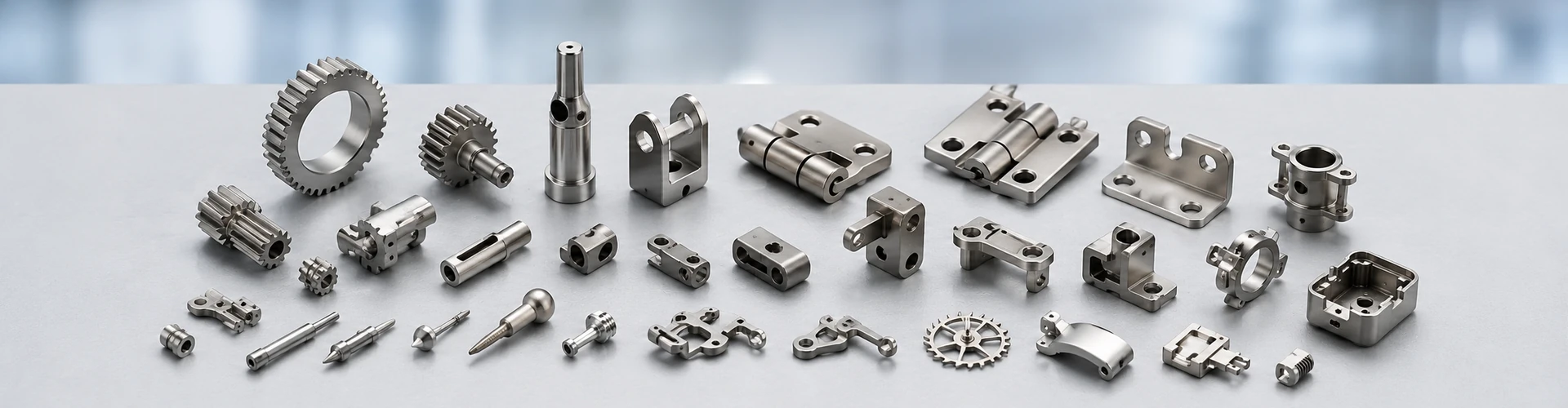
Hochpräzise MIM-Teile finden sich in Unterhaltungselektronik, medizinischen Geräten, Dentaltechnik, Robotik, Drohnen, Automobilmechanismen, Industrieanlagen und Wearables. Der Fokus der Seite liegt jedoch nicht auf der Branche selbst. Die gemeinsame technische Logik besteht darin, dass das Teil klein, komplex, wirtschaftlich schwer zu bearbeiten ist und Merkmale aufweist, die eine stabile Maßhaltigkeit erfordern.

Präzisions-Bewegungs- und Getriebeteile
Typische Teile umfassen MIM-Zahnräder, MIM-Mikrozahnräder und Ritzel, Segmenträder, Sperrradteile, Sperrklinken, Nocken, Hebel und Kleinstgetriebeteile.
Wichtige Aspekte sind Zahnprofil, Bohrungspassung, Rundlauf, Konsistenz der Gegenfläche, Ansprechen der Wärmebehandlung und Verschleißverhalten. Spezifische Design- und Anwendungsüberlegungen für Zahnräder finden Sie unter Präzisions-MIM-Zahnräder.
Präzisionswellen, -stifte und Drehteile
Typische Teile umfassen MIM-Wellen, Präzisionsstifte, Scharnierstifte, Drehstifte, Miniaturachsen, Führungsstifte und Schließstifte.
Wichtige Aspekte sind Durchmesser, Rundheit, Geradheit, Passfläche und Längen-zu-Durchmesser-Verhältnis. Ein kurzer Stift mit komplexen Formteilen kann für MIM geeignet sein; eine lange, schlanke Welle erfordert möglicherweise einen anderen Prozess oder eine gezielte Nachbearbeitung. Siehe MIM-Wellen und -Stifte mit kritischen Passflächen.
Präzisions-Scharnier- und Klappmechanismusteile
Typische Teile umfassen Scharnierzylinder, Scharnierarme, Drehgelenke, Laptop-Scharnierteile, Handy-Scharnierteile und Teile für kompakte Klappmechanismen.
Das eigentliche Problem sind nicht nur die einzelnen Teileabmessungen. Montageabstand, Reibungszone, Pinlochgenauigkeit, wiederholte Bewegungen und Verschleißflächen müssen gemeinsam betrachtet werden. Siehe MIM-Scharnierteile für kompakte Mechanismen.
Präzisionswinkel und Befestigungselemente
Typische Teile umfassen Miniaturwinkel, Montageplatten, Sensorwinkel, Stützarme, Positionierblöcke, Ausrichtungswinkel und Befestigungsklammern.
Wichtige Aspekte sind Lochposition, Ebenheit, Bezugsflächen, Stabilität von Schraubstöcken und Montageausrichtung. Dünne Wände oder große flache Bereiche können das Risiko von Sinterschwindung erhöhen. Siehe präzise MIM-Winkelteile.
Präzisions-MIM-Teile für Medizin und Zahntechnik
Typische Teile umfassen Endoskopteile, Teile für chirurgische Instrumente, zahnmedizinische Winkel, zahnmedizinische Werkzeugteile, kieferorthopädische Komponenten und Miniatur-Medizintechnik-Hardware.
Materialauswahl, Reinigungszugänglichkeit, Oberflächenbeschaffenheit und Inspektionsanforderungen sollten sorgfältig geprüft werden. Diese Seite behandelt Herstellbarkeit und Präzisionskontrolle, nicht die Zulassung von Medizinprodukten. Verwandte Seiten umfassen medizinische MIM-Teile, Endoskop-MIM-Teile und Zahnmedizinische MIM-Teile.
Elektronik-, Wearable-, Robotik- und Industrieteile
Typische Teile umfassen Metallteile für Mobiltelefone, Scharnierteile für Laptops, Hardware für Wearables, Gehäuseteile für Uhren, Gelenkteile für Roboter, Verriegelungsteile für Drohnen, Ventilteile und Sensorgehäuse.
Diese Teile kombinieren oft kompakte Geometrie, wiederholte Bewegungen, sichtbare Oberflächenbereiche und funktionale Schnittstellen. Verwandte Seiten sind MIM-Teile für Unterhaltungselektronik, MIM-Teile für Wearables, MIM-Teile für Robotik, MIM-Teile für Drohnen und MIM-Teile für Industrieanlagen.
Hochpräzise MIM-Teile: Beispiele und technische Herausforderungen
Die folgende Tabelle hilft bei der Identifizierung, ob ein Präzisionsteil für MIM geeignet ist und was vor der Werkzeugerstellung geprüft werden sollte. Sie ersetzt keine Zeichnungsprüfung, da derselbe Bauteilname sehr unterschiedliche Anforderungen an Toleranzen, Material, Oberfläche und Inspektion haben kann.
| Teiletyp | Häufige Präzisionsanforderungen | MIM-Eignung | Prüfung vor dem Werkzeugbau |
|---|---|---|---|
| MIM-Zahnräder | Zahnprofil, Bohrungspassung, Verzahnungsgenauigkeit | Hoch bei kleinen und komplexen Zahnrädern | Zahnraddatum, Bohrungstoleranz, Wärmebehandlung |
| Mikrozahnräder und Ritzel | Kleine Zähne, Rundlauf, Verschleißfläche | Gut für kompakte Mechanismen | Werkzeugmachbarkeit, Prüfverfahren |
| Wellen und Stifte | Durchmesser, Geradheit, Passfläche | Gut für kurze Teile mit zusätzlichen Merkmalen | Längen-zu-Durchmesser-Verhältnis, Bedarf an Nachbearbeitung |
| Scharniere | Stiftloch, Drehsitz, Reibzone | Gut für kompakte Scharnierbeschläge | Spiel, Verschleißfläche, Montageabstand |
| Halterungen | Lochposition, Ebenheit, Bezugsausrichtung | Gut für komplexe Montagegeometrien | Datumsschema, Wandstärke, Schraubensteg |
| Endoskopteile | Mikrostrukturen, dünne Abschnitte, kleine Schlitze | Gut für kleine komplexe Metallteile | Risiko kleiner Schlitze, Material, Oberflächenbeschaffenheit |
| Dentalteile | Passform, Miniaturgeometrie, Oberflächenbeschaffenheit | Gut bei Prüfung von Material und Toleranz | Oberflächengüte, Passflächen |
| Uhrengehäuseteile | Kosmetische Oberfläche, Passzonen, Tasten | Einzelfallprüfung | Trennlinie, Anschnittposition, Polierzugabe |
| Handy-Teile | Kompakte Struktur, dünne Wandstärke, Montagepassung | Gut für kleine strukturelle Hardware | Kosmetische Zone, Festigkeit, Montagepassung |
| Robotikteile | Fügestelle, wiederholte Bewegung, Lastpfad | Gut für kompakte belastete Teile | Lochposition, Verschleißzone, mechanische Last |
| Drohnenteile | Leichte Präzisionshardware | Gut für kompakte komplexe Teile | Gewicht, Wandstärke, Aufprallbereich |
| Ventil- und Pumpenteile | Abdichtung, Strömungspfad, Passung | Einzelfallprüfung | Dichtflächen müssen möglicherweise bearbeitet werden |
| Sensor-Gehäuse | Montagepassung, kleine Bohrungen, Ebenheit | Geeignet für kompakte Gehäuse | Bohrungsgenauigkeit, Ebenheit, Oberflächenanforderungen |
Wann MIM für Präzisionsteile geeignet ist
MIM wird nicht nur gewählt, weil ein Teil “präzise” ist. Es wird gewählt, wenn Präzision, Komplexität, Materialleistung und Produktionsvolumen den Prozess wirtschaftlich und technisch sinnvoll machen.
Geeignete Bedingungen
- Das Teil ist klein oder miniaturisiert.
- Die Geometrie ist komplex genug, um den Werkzeugbau zu rechtfertigen.
- Das Teil enthält Bohrungen, Schlitze, Stufen, Hinterschneidungen, dünne Wände oder kleine Merkmale.
- CNC-Bearbeitung würde mehrere Aufspannungen oder schwierigen Werkzeugzugang erfordern.
- Das Produktionsvolumen kann die anfänglichen Werkzeug- und Engineering-Kosten rechtfertigen.
- Das Teil benötigt Edelstahl, niedriglegierten Stahl, weichmagnetische Legierung, Titanlegierung, Kobalt-Chrom-Legierung oder ein anderes MIM-kompatibles Material.
- Nur ausgewählte funktionale Abmessungen erfordern eine enge Kontrolle.
- Nachbearbeitungen sind für kritische Merkmale akzeptabel, wenn die Genauigkeit im gesinterten Zustand nicht ausreicht.
Warum MIM die Kosten für Präzisionsteile senken kann
Für kleine, komplexe Metallteile kann die CNC-Bearbeitung mehrere Aufspannungen, spezielle Vorrichtungen, Kompromisse beim Werkzeugzugang und hohe Materialverschwendung erfordern. MIM kann die Stückkosten bei größeren Stückzahlen durch die Formgebung komplexer Geometrien in nahezu Endform reduzieren. Der Vorteil wird stärker, wenn ein MIM-Teil mehrere bearbeitete, gestanzte oder montierte Komponenten ersetzen kann.
Allerdings fallen bei MIM anfängliche Werkzeug- und Engineering-Kosten an. Es ist normalerweise nicht die beste Wahl für Einzelanfertigungen oder Teile mit sehr geringen Stückzahlen, es sei denn, das Design wird für die zukünftige Produktion entwickelt.
Wann MIM nicht für Hochpräzisionsteile verwendet werden sollte
Ein professioneller MIM-Lieferant sollte auch erklären, wann MIM nicht die beste Wahl ist. Dies vermeidet Werkzeugrisiken, unrealistische Toleranzerwartungen und unnötige Projektkosten.
| Nicht ideal für MIM | Grund |
|---|---|
| Prototyp mit sehr geringer Stückzahl | Die Werkzeugkosten sind in der Regel nicht gerechtfertigt. |
| Großer einfacher Blockteil | CNC, Guss, Schmieden oder Stanzen können besser geeignet sein. |
| Extrem enge Toleranz bei jeder Abmessung | MIM sollte sich auf kritische Abmessungen konzentrieren, nicht auf unnötig enge Toleranzen über die gesamte Zeichnung. |
| Langer, ungestützter dünner Teil | Das Risiko von Sinterschwindung kann hoch sein. |
| Große flache Dichtfläche | Sekundärbearbeitung oder ein anderer Prozess kann erforderlich sein. |
| Teil, das keine Anschnittmarkierung oder Trennlinie erfordert | Kosmetische und funktionale Oberflächen müssen vor der Werkzeugerstellung überprüft werden. |
| Konstruktion kann keine Schwindungskompensation akzeptieren | MIM hängt von Werkzeugkompensation und Sinterkontrolle ab. |
Was steuert die Maßgenauigkeit beim MIM-Verfahren?
Die Maßgenauigkeit beim MIM-Verfahren wird durch die gesamte Prozesskette gesteuert, nicht durch einen einzelnen Produktionsschritt. Dies ist wichtig, da ein Maßhaltigkeitsproblem, das nach den ersten Versuchsteilen festgestellt wird, von der Werkzeugkompensation, der Formteilstabilität, der Handhabung des Grünteils, dem Entbindern, der Sinterunterstützung, der Planung von Sekundärbearbeitungen oder der Prüfdefinition herrühren kann.

Werkzeugkompensation und Schwindungssteuerung
MIM-Teile schrumpfen während des Sinterprozesses. Der Werkzeugkavität wird daher größer als das Endteil ausgelegt, und das Werkzeug muss die erwartete Schwindung kompensieren. Diese Kompensation hängt vom Werkstoff, der Teilegeometrie, der Wandstärke, der Verteilung der Merkmale und dem Sinterverhalten ab.
Für Präzisionsteile sollte das Werkzeugdesign um Bezugsflächen, kritische Bohrungen, Passungen, Getriebelochungen, Wellenoberflächen und Schnittstellen für die Montage überprüft werden. Wenn kritische Merkmale vor der Werkzeugerstellung nicht identifiziert werden, kann eine spätere Korrektur eine teure Werkzeugmodifikation oder eine sekundäre Bearbeitung erfordern.
Feedstock, Spritzgießen und Grünteil-Stabilität
Der MIM-Feedstock besteht aus feinem Metallpulver und einem Binder. Die Konsistenz des Feedstocks beeinflusst die Spritzgießstabilität, die Dichteverteilung des Teils und die Wiederholgenauigkeit. Beim Spritzgießen können schlechter Materialfluss, eingeschlossene Luft, Fließgrate oder unvollständige Füllungen die lokale Geometrie und Festigkeit beeinträchtigen.
Grünteile sind vor dem Sintern zerbrechlich. Handhabung, Entgraten, Entfemen des Angusses und das Beladen der Sinterträger können die Kantenqualität, Verformung und Bruchgefahr beeinflussen. Bei kleinen Präzisionsteilen sollte die Handhabung der Grünteile nicht als nebensächlicher Schritt betrachtet werden.
Entbindern, Sintern und Stützstrategie
Die Entbinderung entfernt das Bindersystem vor dem Sintern. Wenn die Entbinderung nicht richtig kontrolliert wird, kann das Teil reißen, sich verformen oder Verunreinigungen aufnehmen. Während des Sinterns verdichtet sich das Teil und schrumpft. Lange dünne Abschnitte, ungestützte flache Oberflächen, freitragende Merkmale und ungleichmäßige Wandstärken können zu Verzug führen.
Sinterstützen und die Teileausrichtung sind wichtig für die Dimensionsstabilität. In einigen Fällen kann die Stützstrategie ebenso wichtig sein wie das Werkzeugdesign.
Sekundäre Operationen für kritische Abmessungen
Sekundäre Operationen können eingesetzt werden, wenn ausgewählte Merkmale eine engere Kontrolle erfordern, als der Prozess nach dem Sintern bieten kann. Gängige Optionen sind Kalibrieren, Hämmern, Bohren, Reiben, Gewindeschneiden, CNC-Bearbeitung, Schleifen, Polieren, Wärmebehandlung und Oberflächenveredelung.
Nicht jedes hochpräzise MIM-Teil benötigt sekundäre Operationen. Der beste Ansatz ist zu prüfen, welche Abmessungen funktionsrelevant sind und zu entscheiden, ob sie geformt, gesintert, kalibriert, bearbeitet oder mit einer Funktionslehre geprüft werden sollen.
Kritische Abmessungen, Toleranzen und sekundäre Operationen
Bei präzisen MIM-Teilen sollte die Toleranzstrategie merkmalbasiert sein. Das Ziel ist nicht, jede Abmessung eng zu tolerieren. Das Ziel ist, die Abmessungen zu schützen, die Passung, Bewegung, Abdichtung, Bezugsflucht, Sichtbereich oder Prüfakzeptanz steuern.

Präzisionsrisiko nach Merkmalstyp
| Merkmal | Präzisionsrisiko | Prüfpunkt |
|---|---|---|
| Kleine Löcher | Schwindung, Ovalität, unvollständige Formgebung | Lochgröße, -tiefe, Nachbearbeitungsbedarf |
| Dünne Wände | Verzug, unvollständige Füllung | Wandstärke, Fließweg, Stütze |
| Lange Stifte oder Wellen | Biegen, Geradheitsverlust | Längen-zu-Durchmesser-Verhältnis, Sinterstütze |
| Zahnräder | Zahnform, Bohrungskonzentrizität | Datum, Bohrung, Wärmebehandlung, Inspektion |
| Flache Montageflächen | Verzug, Ebenheitsabweichung | Stützstrategie, Sekundärbearbeitung |
| Schlitze und Nuten | Verformung, Eckenspannung | Radius, Tiefe, Formteilrichtung |
| Gewindemerkmale | Risiko für Festigkeit und Genauigkeit | Spritzgegossenes Gewinde vs. Gewindefräsen/Schneiden |
| Kosmetische Oberflächen | Angussstelle, Trennlinie, Poliereffekt | Definition der kosmetischen Zone |
| Dichtflächen | Leckagerisiko, Ebenheit, Oberflächengüte | Bearbeitungs- oder Schleifbedarf |
Praktische Fragen zur Toleranzprüfung
- Welche Maße beeinflussen die Funktion?
- Welche Oberflächen steuern die Montage?
- Welche Bohrungen oder Wellen erfordern Passungen?
- Welche Oberflächen sind kosmetisch?
- Welche Abmessungen können im gesinterten Zustand verbleiben?
- Welche Abmessungen erfordern möglicherweise Nachbearbeitungen?
- Welche Prüfmethode sollte angewendet werden?
Repräsentatives technisches Szenario: Enge Lochtoleranz in einer kompakten Halterung
Welches Problem ist aufgetreten: Eine kompakte MIM-Halterung hatte mehrere Befestigungslöcher. Der Kunde markierte alle Löcher mit sehr engen Toleranzen, obwohl nur zwei Löcher die Montageausrichtung bestimmten.
Warum es passiert ist: Die Zeichnung behandelte jedes Loch als gleich kritisch, sodass die anfängliche Kostenschätzung unnötige Nachbearbeitungen für alle Löcher annahm.
Was die eigentliche Systemursache war: Das Problem war nicht nur die Lochgenauigkeit. Die eigentliche Ursache war eine schlechte Klassifizierung kritischer Abmessungen. Die Zeichnung trennte keine Ausrichtungslöcher von Freibohrungen.
Wie wurde es korrigiert: Die beiden tatsächlichen Ausrichtungslöcher wurden als kritische Abmessungen bewertet und für eine engere Prüfung eingeplant. Die verbleibenden Freibohrungen erhielten realistischere Toleranzen.
Wie kann ein erneutes Auftreten verhindert werden: Vor dem Werkzeugbau sollten Zeichnungen kritische Löcher, Freibohrungen, Bezugspunkte und Prüfanforderungen klar identifizieren. Enge Toleranzen sollten dort angewendet werden, wo sie die Funktion beeinflussen, nicht über die gesamte Zeichnung hinweg.
Werkstoffe für hochpräzise MIM-Teile
Die Materialauswahl beeinflusst die Maßhaltigkeit, Festigkeit, Korrosionsbeständigkeit, das Verschleißverhalten, die Anlassbeständigkeit, die magnetische Leistung und die Planung von Nachbearbeitungen. Diese Seite bietet nur eine Auswahlansicht; detaillierte Materialeigenschaften sollten auf der MIM-Werkstoffseite für Präzisionsteile oder im Rahmen einer projektspezifischen Materialprüfung erörtert werden.
| Werkstofffamilie | Typische Präzisionsteile-Anwendung | Prüfpunkt |
|---|---|---|
| Edelstahl | Medizintechnik, Elektronik, Wearables, Uhren, Industrieteile | Korrosionsbeständigkeit, Polieren, Passivieren, Oberflächenbeschaffenheit |
| Niedriglegierter Stahl | Zahnräder, Wellen, Hebel, Schließenteile | Festigkeit, Wärmebehandlung, Verschleißfestigkeit |
| Weichmagnetische Legierungen | Elektromagnetische und sensorbezogene Teile | Magnetische Leistung und Dimensionsstabilität |
| Titanlegierungen | Leichte Präzisionsteile | Kosten, Sinterkontrolle, Anwendungsanforderung |
| Kobalt-Chrom-Legierungen | Präzisionsteile für Medizintechnik oder Verschleißanwendungen | Anwendungsspezifische Materialprüfung |
| Nickellegierungen | Wärme- oder korrosionsbezogene Präzisionsteile | Risiken, Kosten und Umwelteinflüsse der Verarbeitung |
Das Material sollte nicht nur nach dem Namen ausgewählt werden. Das Ingenieurteam sollte die Funktion des Teils, die Belastung, die Kontaktfläche, die Korrosionsumgebung, die Anforderungen an die Wärmebehandlung, die Sekundärbearbeitungen und die Prüfmethode prüfen. Wenn Korrosion, Festigkeit, Verschleiß oder magnetisches Verhalten der primäre Projektantrieb sind, können diese verwandten Seiten mit technischen Anforderungen spezifischer sein: korrosionsbeständige MIM-Teile, hochfeste MIM-Teile, verschleißfeste MIM-Teile und weichmagnetische MIM-Teile.
Hochpräzise MIM-Teile im Vergleich zu CNC-gefrästen Teilen
MIM und CNC sind nicht in jedem Fall Konkurrenten. Viele präzise MIM-Projekte verwenden nach dem Sintern immer noch CNC-Bearbeitung für ausgewählte kritische Merkmale. Die Entscheidung hängt von Geometrie, Produktionsvolumen, Material, Toleranz, Oberflächengüte und Kostenstruktur ab. Wenn eine bestehende bearbeitete Komponente für die Wiederproduktion bewertet wird, verwenden Sie die CNC-zu-MIM-Konvertierungsprüfung um Geometrien zu trennen, die sich für MIM eignen, von kritischen Merkmalen, die bearbeitet bleiben sollten.
| Faktor | MIM | CNC-Bearbeitung |
|---|---|---|
| Am besten geeignet für | Kleine komplexe Metallteile | Prototypen, einfache Präzisionsteile, extrem enge bearbeitete Merkmale |
| Werkzeugbau | Höhere anfängliche Werkzeugkosten | Niedrigere Werkzeugkosten |
| Stückkosten | Besser für mittlere bis hohe Stückzahlen | Höher für komplexe Teile mit mehreren Operationen |
| Geometrie | Komplexe Formen, kleine Merkmale, Hinterschneidungen | Begrenzt durch Werkzeugzugang |
| Toleranzstrategie | Gut für ausgewählte kritische Abmessungen | Stark für extrem präzise bearbeitete Oberflächen |
| Materialabfall | Niedriger Near-Net-Shape-Prozess | Höherer subtraktiver Abfall |
| Bester Hybridansatz | Nutzen Sie MIM für komplexe Near-Net-Shape-Teile und bearbeiten Sie anschließend nur die kritischen Merkmale | Nutzen Sie CNC für geringe Stückzahlen, einfache Geometrien oder vollständig bearbeitete Präzisionsteile |
| Beste Entscheidung | Komplexe Teile mit wiederkehrenden Stückzahlen | Geringe Stückzahlen, einfache Geometrien oder sehr präzise, vollständig bearbeitete Oberflächen |
Ein guter MIM-Kandidat ist nicht einfach nur ein “Präzisionsteil”. Es ist in der Regel ein kleines, komplexes Teil, bei dem MIM die schwierige Geometrie formen kann und Nachbearbeitungen nur dort eingesetzt werden, wo sie einen echten funktionalen Mehrwert bieten.
Repräsentatives Ingenieurszenario: Verzug eines langen, schlanken Stifts
Welches Problem ist aufgetreten: Ein kleiner rotierender Stift mit zusätzlichen Formteilen zeigte nach dem Sintern Instabilität in der Geradheit.
Warum es passiert ist: Das Design wies ein hohes Längen-zu-Durchmesser-Verhältnis und enge Geradheitsanforderungen auf. Das Teil wurde eher wie ein einfacher Präzisionsstift als eine gesinterte Komponente behandelt.
Was die eigentliche Systemursache war: Das Kernproblem war eine Diskrepanz zwischen Geometrie und Prozesserwartung. Der Stift benötigte sowohl komplexe Formmerkmale als auch schaftähnliche Präzision.
Wie wurde es korrigiert: Die technische Überprüfung trennte den komplexen Formteilbereich vom Schaftpassungsbereich. Der kritische Durchmesser wurde für die sekundäre Bearbeitung geplant und die Strategie für Sinterstützen überprüft.
Wie kann ein erneutes Auftreten verhindert werden: Lange, schlanke Merkmale sollten vor der Werkzeugerstellung überprüft werden. Wenn ein Design sowohl komplexe MIM-Geometrie als auch präzises Schaftverhalten erfordert, sollte die Zeichnung angeben, welche Oberflächen eine Nachbearbeitung nach dem Sintern erfordern.
Prüfmethoden für präzise MIM-Teile
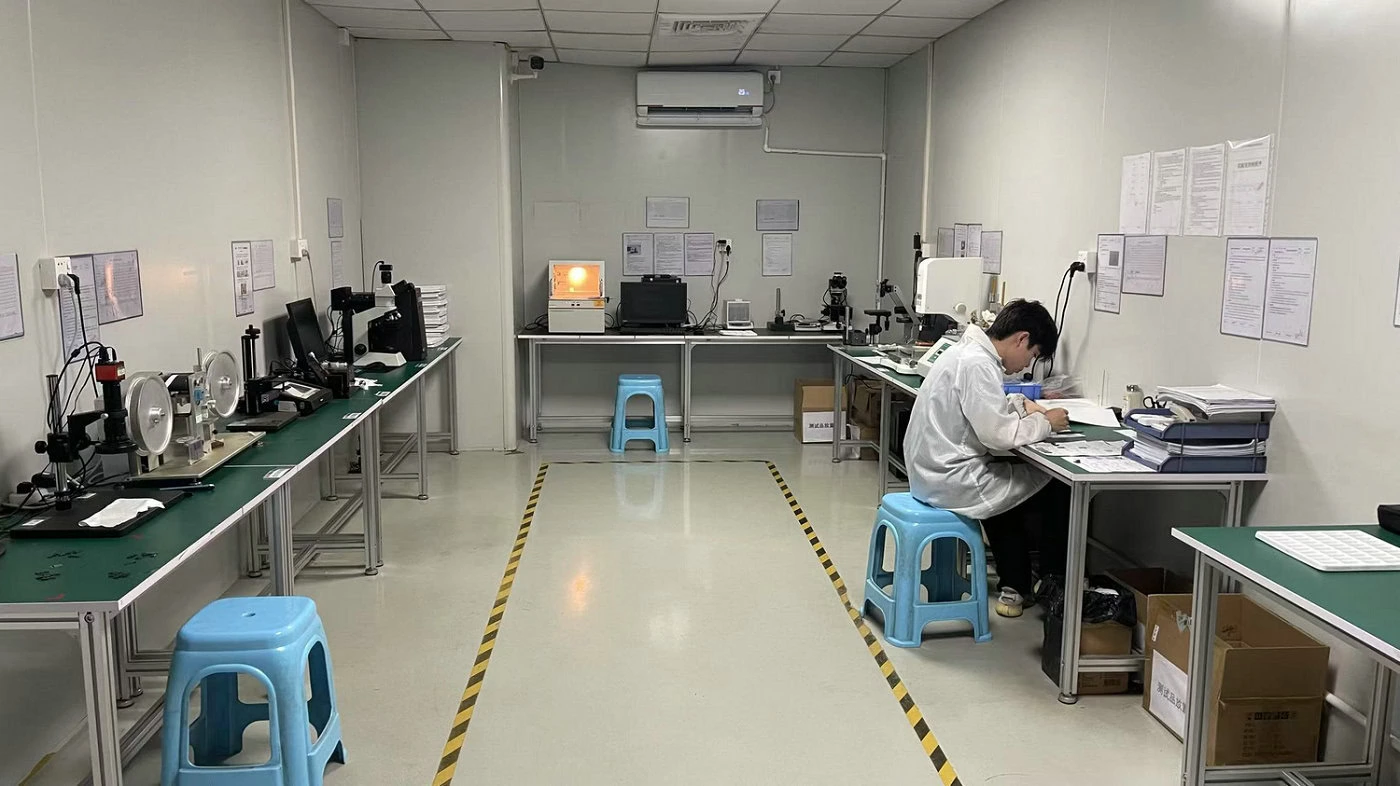
Die Prüfplanung sollte vor der Produktion festgelegt werden, nicht nachdem die Teile hergestellt wurden. Die richtige Methode hängt von der Teilegröße, dem Merkmalstyp, der Toleranz, der Bezugsstruktur, dem Material und der Funktion ab.

| Prüfmethode | Typische Anwendung |
|---|---|
| KMG-Messung | Bezugsbasierte Maßmessung |
| Optische Messung | Kleine Merkmale, Profil, Kantenform |
| Grenzlehrdorn / Prüfdorn | Lochgröße und funktionale Passung |
| Gut/Schlecht-Lehre | Schnelle Abnahme funktionaler Merkmale |
| Rundheits- / Geradheitsprüfung | Wellen, Stifte, rotierende Bauteile |
| Rauheitsmessung | Paarungs-, Dichtungs-, kosmetische oder Gleitflächen |
| Sichtprüfung | Angussstelle, Formtrennungslinie, Oberflächenfehler |
| Funktionale Montageprüfung | Scharniere, Zahnräder, Halterungen, passende Komponenten |
| Erstbemusterung | Erstmalige Produktionsvalidierung vor Serienproduktion |
Für hochpräzise MIM-Teile identifiziert der nützlichste Prüfplan kritische Abmessungen, Bezugsstrukturen, Prüfmittel, Stichprobenanforderungen, Oberflächenanforderungen, Funktionspassungsprüfungen und Kontrollpunkte für Sekundärbearbeitungen. Wenn die Zeichnung funktionale Merkmale nicht klar definiert, kann die Prüfung teuer werden, ohne die tatsächliche Teileleistung zu verbessern.
Die Inspektion sollte auch nach Produktionsstufen geplant werden. Einige Prüfungen sind im gesinterten Zustand nützlich, während kritische Passungsmaße nach dem Kalibrieren, Bearbeiten, Schleifen, Wärmebehandeln, Oberflächenveredeln oder der Validierung der Endmontage überprüft werden müssen. Für Fabrikausrüstung, Messmethoden und Projektgrenzen siehe XTMIM MIM-Inspektions- und Testkapazitäten Seite.
DFM-Checkliste vor Werkzeugbau
Vor dem Werkzeugbau sollte die technische Prüfung folgende Fragen beantworten:
- Ist das Teil klein genug für die MIM-Wirtschaftlichkeit?
- Ist die Geometrie komplex genug, um den Werkzeugbau zu rechtfertigen?
- Sind kritische Maße klar gekennzeichnet?
- Sind alle engen Toleranzen wirklich funktional?
- Gibt es lange, dünne Abschnitte, die sich verziehen könnten?
- Sind Ebenheitsanforderungen für MIM realistisch?
- Sind Bohrungen, Schlitze, Hinterschnitte und Nuten formbar?
- Ist das Material für MIM geeignet?
- Sind kosmetische Oberflächen von Anschnitt- und Trennlinienbereichen getrennt?
- Sind Nachbearbeitungen für kritische Merkmale erforderlich?
- Ist das Jahresvolumen ausreichend, um die Werkzeugkosten zu rechtfertigen?
- Sind Inspektionsmethoden definiert?
- Ist eine Wärmebehandlung oder Oberflächenveredelung erforderlich?
- Sind Teile für die Montage oder Einbaubedingungen zur Überprüfung verfügbar?

Wann Sie Ihre Präzisionsteilzeichnung zur Überprüfung einreichen sollten
Sie sollten Ihre Zeichnung zur technischen Überprüfung einreichen, wenn:
- Ihr Teil enge Toleranzbohrungen, Schlitze, Wellen, Hohlräume oder Passflächen aufweist.
- Die Konstruktion dünne Wände, kleine Merkmale oder komplexe Hinterschneidungen beinhaltet.
- Das Teil erfordert derzeit mehrere CNC-Einrichtungen.
- Sie benötigen Edelstahl, niedriglegierten Stahl, weichmagnetische Legierung, Titanlegierung oder eine andere technische Legierung.
- Sie sind sich nicht sicher, welche Abmessungen eine Sekundärbearbeitung erfordern.
- Dasselbe Teil hat kosmetische und funktionale Oberflächen.
- Das Design beinhaltet lange dünne Abschnitte oder Ebenheitsanforderungen.
- Ihr Projekt benötigt eine mittlere oder hohe Produktionsmenge.
- Ihr aktueller Prozess hat hohe Kosten oder eine instabile Wiederholbarkeit.
Verwandte MIM-Teilekategorien erkunden
Wenn Ihr Teil zu einer spezifischeren Familie gehört, können Ihnen diese Seiten bei der weiteren Überprüfung helfen. Für die vollständige Teilebibliothek starten Sie bei MIM-Teile Hub.
Präzisionsteilefamilien
Präzisionsanwendungen für die Industrie
Seiten für technische Anforderungen
Was XTMIM vor der Werkzeugerstellung prüft
Bevor ein hochpräzises MIM-Teil in die Werkzeugerstellung geht, konzentriert sich unsere technische Prüfung auf die Faktoren, die die Maßhaltigkeit, das Werkzeugrisiko, die Kosten für Nachbearbeitungen und die Produktionswiederholbarkeit am direktesten beeinflussen.

- Kritische Maße, Bezugspunkte und funktionale Passflächen.
- Materialeignung für MIM, Wärmebehandlung, Korrosions-, Verschleiß- oder Magnetanforderungen.
- Schwindungskompensation, Verzugsrisiko, Wanddickenbalance und Sinterstützen.
- Nachbearbeitungsbedarf für Bohrungen, Wellen, Dichtflächen, Gewinde oder kosmetische Oberflächen.
- Prüfmethode, Messmittelkonzept, Erststückanforderungen und Produktionsstichprobenlogik.
- Jahresvolumen, Werkzeugbegründung, Zielstückkosten und praktikabler Fertigungsweg.
Prüfung eines präzisen MIM-Teils anfordern
Wenn Ihr Teil klein, komplex, toleranzempfindlich oder derzeit teuer in der Bearbeitung ist, senden Sie uns Ihre 2D-Zeichnung, 3D-CAD-Datei, Materialanforderung, kritische Abmessungen, Anforderungen an die Oberflächenbeschaffenheit, Bedarf an Sekundärbearbeitungen und das geschätzte Jahresvolumen. XTMIM kann prüfen, ob das Teil für den Metallpulverspritzguss geeignet ist, welche Merkmale Sekundärbearbeitungen erfordern könnten, wo Risiken für Sinterschwindung auftreten können und was vor der Werkzeug- oder Produktionsplanung bestätigt werden sollte.
FAQ zu hochpräzisen MIM-Teilen
Kann MIM hochpräzise Metallteile herstellen?
Ja. MIM kann hochpräzise kleine Metallteile herstellen, wenn Geometrie, Material, kritische Maße, Werkzeugkompensation, Sinterschwindung, Sekundäroperationen und die Prüfstrategie korrekt überprüft werden. Es ist besonders nützlich für kleine komplexe Teile, die mehrere CNC-Aufspannungen erfordern würden. Enge Toleranzen sollten jedoch auf funktionale Merkmale angewendet werden, nicht auf jedes Maß in der Zeichnung.
Welche Toleranzen können hochpräzise MIM-Teile erreichen?
Als öffentliche Branchenreferenz gibt MIMA an, dass die durchschnittliche Toleranz für den MIM-Prozess bei etwa ±0,31 TP3T liegt. Dies ist keine universelle Garantie für jedes Merkmal oder jede Abmessung. Die tatsächliche Fähigkeit hängt vom Material, der Nennabmessung, der Geometrie, der Wandbalance, dem Schwindungsverhalten, der Sinterunterstützung, dem Werkzeugzustand, der Bezugsstrategie, der Inspektionsmethode und der Verwendung von Sekundärbearbeitungen ab. Kritische Bohrungen, Wellen, Dichtflächen, ebene Bezugsflächen oder Passmerkmale erfordern möglicherweise Kalibrieren, Reiben, Bearbeiten, Schleifen oder Funktionslehren.
Wie sollten Ingenieure Toleranzen für Präzisions-MIM-Teile definieren?
Ingenieure sollten Toleranzen funktionsbezogen definieren, anstatt enge Toleranzen auf die gesamte Zeichnung anzuwenden. Zuerst sollten funktionskritische Bohrungen, Aufnahmen, Wellen, Bezugsflächen, Dichtflächen und Passmerkmale identifiziert werden. Nicht-kritische Maße können oft mit realistischeren Toleranzen versehen werden, während ausgewählte kritische Merkmale nach dem Sintern möglicherweise Kalibrieren, Bearbeiten, Schleifen, Reiben oder funktionale Prüfung erfordern.
Benötigen hochpräzise MIM-Teile immer eine CNC-Bearbeitung?
Nein. Viele MIM-Teile können nahe an die Endmaße gesintert werden. CNC-Bearbeitung oder andere Sekundäroperationen werden in der Regel nur auf ausgewählte kritische Merkmale angewendet, wie enge Bohrungen, Wellendurchmesser, Dichtflächen, Gewinde, flache Bezugsflächen oder Oberflächen, die besondere Genauigkeit oder Oberflächengüte erfordern.
Ist MIM besser als CNC für Präzisionsteile?
MIM ist oft besser für kleine, komplexe Teile mit mittleren bis hohen Stückzahlen, bei denen die CNC-Bearbeitung mehrere Aufspannungen erfordert oder hohen Materialabfall verursacht. CNC ist in der Regel besser für Prototypen mit sehr geringen Stückzahlen, einfache Präzisionsgeometrien oder Teile, die auf vielen Oberflächen extrem enge Bearbeitungstoleranzen erfordern. Viele Projekte kombinieren beide Verfahren: MIM für die komplexe Form und CNC für ausgewählte kritische Merkmale.
Welche hochpräzisen Teile eignen sich für MIM?
Typische Beispiele sind Mikrozahnräder, Ritzel, Wellen, Stifte, Scharniere, Halterungen, Endoskopteile, Zahnteile, Handy-Hardware, Laptop-Scharnierteile, Uhrengehäuseteile, Robotikteile, Drohnenverriegelungsteile, Sensorgehäuse und kompakte industrielle Mechanismen. Die Eignung hängt von Geometrie, Material, Toleranzen, Funktion und Produktionsvolumen ab.
Was macht ein präzises MIM-Teil schwer herstellbar?
Zu den typischen Risikofaktoren gehören lange dünne Abschnitte, ungleichmäßige Wandstärken, tiefe kleine Löcher, enge Ebenheitsanforderungen, schmale Schlitze, scharfe Kanten, unkontrollierte kosmetische Oberflächen, unnötig enge Toleranzen und kritische Dichtflächen. Diese sollten vor dem Werkzeugbau geprüft werden, um Sinterschwindungsverzug, Bearbeitungskosten und Prüfprobleme zu reduzieren.
Was muss ich für ein präzises MIM-Angebot bereitstellen?
Bitte senden Sie eine 2D-Zeichnung, eine 3D-CAD-Datei, die Materialanforderung, kritische Toleranzen, Bezugsangaben, Oberflächengüteanforderungen, Wärmebehandlungs- oder Beschichtungsbedarf, kosmetische Oberflächenzonen, geschätzte Jahresstückzahl und den Anwendungshintergrund. Diese Angaben helfen dem Entwicklungsteam bei der Prüfung der Fertigbarkeit, des Toleranzrisikos, der Nachbearbeitung und der Prüfplanung.
Die Bewertung hochpräziser MIM-Teile sollte auf Zeichnungsanforderungen, Materialauswahl, Prozessfähigkeit und einer liegenschaftsspezifischen Ingenieurprüfung basieren. Öffentliche Branchenreferenzen wie der MIMA Metallpulverspritzguss-Prozessübersicht, Informationen zum EPMA Metal Injection Moulding, und MPIF Standard 35-MIM-Materialien Standardinformationen können die Material- und Prozessbewertung unterstützen, sollten jedoch die DFM-Prüfung auf Projektebene oder die liegenschaftsspezifische Toleranzbestätigung nicht ersetzen.
Für medizinische, zahnmedizinische, luftfahrttechnische oder regulierte Anwendungen sollten Materialspezifikationen, Qualitätsanforderungen, Prüfmethoden und Compliance-Verpflichtungen anhand der Zeichnung des Kunden, der Anwendungsumgebung, der Kaufspezifikation und der geltenden Projektstandards bestätigt werden.