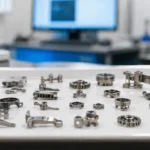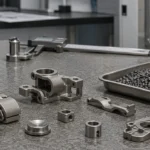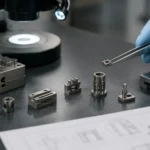
Home Blogs MIM材料選定の注意点 マルテンサイト系ステンレス鋼(MIM向け) MIM材料選定の注意点 簡潔な回答:マルテンサイト系ステンレス鋼は、焼入れ可能なステンレス鋼の一種で、小型で複雑な部品に硬度、耐摩耗性、機械的強度を適度な耐食性と同時に必要とする場合にMIMで使用されます。最大硬度のみで選定すべきではありません。エンジニアの皆様へ…
MIM材料選定ノート
クイックアンサー: Martensitic stainless steel is a heat-treatable stainless steel family used in MIM when small, complex parts need hardness, wear resistance and mechanical strength together with moderate corrosion performance. It should not be selected by maximum hardness alone. Engineers must also review corrosion exposure, impact and toughness needs, grade and feedstock availability, sintering response, heat-treatment movement, critical dimensions and the inspection plan. MIM 420 is commonly reviewed for a more balanced hardness, corrosion and toughness direction, while MIM 440C is reviewed when higher hardness and wear resistance dominate. Final selection must be made against the drawing, operating environment and functional failure mode.
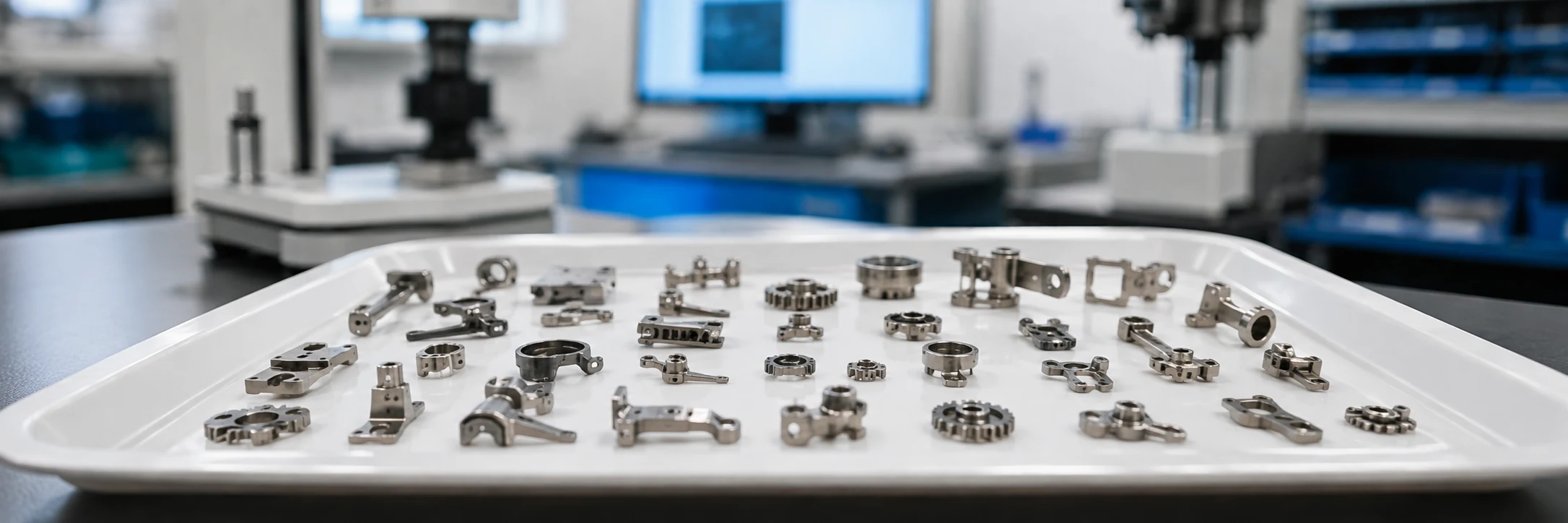
エンジニアリング上の要点: Material selection should connect component geometry, microstructure, heat treatment and the required inspection route.
MIMにおけるマルテンサイト系ステンレス鋼とは?
Martensitic stainless steels are chromium-containing stainless alloys that can develop a hardened martensitic structure through an appropriate thermal route. Their value in MIM is the combination of heat-treatment response and the ability to form small, intricate components through injection molding before debinding and sintering.
This material family is most useful when the component needs more than corrosion resistance alone. Contact surfaces, repeated sliding, local wear, compressive loading or retention features may create a genuine need for higher hardness. Increasing hardness, however, can reduce toughness and make distortion control, surface condition and dimensional verification more important.
レビューを検討すべき場合
- 摩耗または接触面を持つ、小型で複雑な部品
- 焼結後の硬化が必要な部品
- 個別に機械加工すると高価になる部品
- 専用金型を正当化できる生産量
- 適度なステンレス鋼の特性が依然として要求される用途
他の材料が適している場合
- 過酷な腐食環境への暴露が主要な要件である場合
- 硬度よりも高い延性または耐衝撃性がより重要である場合
- 部品が大きい、幾何学的に単純である、または少量のみ必要な場合
- 図面が焼結および熱処理による移動に対応できない場合
- 硬度要件は機能的に必須ではありません
より広範な材料ファミリーの概要については、以下を参照してください MIM用ステンレス鋼 . Grade selection should then be narrowed according to the component function, environment and required final condition.
組成、フィードストック、および冶金学的特性
Chromium supports stainless behavior, while carbon contributes to hardening potential. The finished result does not depend on nominal chemistry alone. Prepared feedstock, molding consistency, debinding, sintering atmosphere, carbon control and subsequent heat treatment all influence the final material condition.
The Metal Injection Molding Association lists 420 and 440 series materials within the ferritic and martensitic stainless steel family available for MIM, while also advising users to confirm actual alloy or substitute availability with the selected supplier. MIMA材料範囲
ASTM B883-24, the Standard Specification for Metal Injection Molded (MIM) Materials, includes MIM-420 and MIM-440 as martensitic stainless steel compositions. The standard confirms these as established ferrous MIM material designations, but the actual grade, condition and project requirements still need to be defined for the component. ASTM B883-24

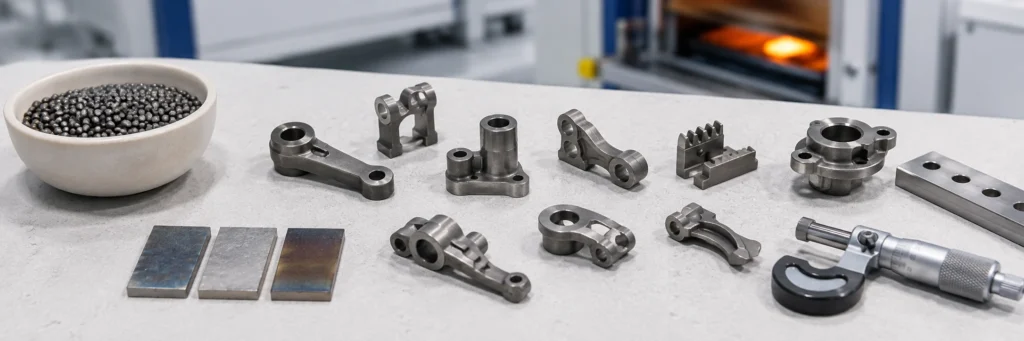
エンジニアリング上の要点: フィードストックの外観だけでは、その材料がMIM 420、MIM 440C、または他のステンレス鋼グレードであるかを確認することはできません。 .
材料とプロセスレビュー参照
| 材料またはプロセス変数 | 重要性 | エンジニアリングレビューアクション |
|---|---|---|
| 合金化学組成 | クロム、炭素、およびグレード固有の添加剤は、焼入れ性、耐食性、靭性、耐摩耗性に影響を与えます。 . | 「マルテンサイト系ステンレス鋼」のみを指定するのではなく、実際のグレードと最終状態を確認してください。 “ |
| 準備されたフィードストック | フィードストックは、意図した合金ルートと一致している必要があり、個々の研究で使用される改変材料とは異なる場合があります。 . | Confirm grade availability and the production feedstock route before final tooling release. |
| 脱脂、焼結雰囲気および炭素制御 | These variables influence density, porosity, shrinkage, surface decarburization, microstructure and the condition entering heat treatment. | Review the complete thermal route together with critical dimensions and support strategy rather than treating nominal chemistry as the only input. |
| 熱処理 | Develops the required hardened condition but can also change size, flatness, residual stress and toughness. | Define the functional hardness target and dimensional acceptance plan together. |
| 表面状態と二次加工 | 表面状態は、耐食性、外観、接触挙動、および最終的な嵌合に影響を与える可能性があります。 . | 研磨、不動態化処理、コーティング、機械加工、またはその他の二次加工が必要かどうかを明確にしてください。 . |
A published investigation of MIM 420 examined samples processed in graphite and molybdenum-lined furnaces and reported differences in surface decarburization, microstructure and hardness response. The study supports a practical RFQ rule: material chemistry, furnace environment and heat treatment must be reviewed as one process route. Study-specific feedstock chemistry should not be transferred directly to an unrelated production RFQ. MIM 420の事例をレビューする .
重要なエンジニアリングポイント: A datasheet can describe a material, but it does not determine whether the complete MIM route will meet a particular drawing. Geometry, thermal movement, inspection datums and the final hardness condition still require project-specific review.
硬度、耐摩耗性、強度、耐食性のトレードオフ
Martensitic stainless steel is usually selected because hardness and wear behavior matter to the component function. The highest attainable hardness is not automatically the best specification. A more aggressive hardened condition may increase dimensional-control difficulty, reduce impact tolerance or create an unnecessary processing and inspection burden.
| プロジェクト要件 | マルテンサイト系ステンレス鋼が適している理由 | 引き続き確認が必要な事項 |
|---|---|---|
| 摺動または繰り返し接触 | 熱処理による硬度向上は、局所的な耐摩耗性を改善します。. | 接触応力、潤滑、表面仕上げ、および対向材。. |
| 小型の保持またはロック機能 | 強度と硬度は、エッジや機能の耐久性を向上させる可能性があります。. | 衝撃荷重、ノッチ感度、熱処理による歪み。. |
| 腐食性動作環境 | 多くの低合金鋼を超えるステンレス挙動を提供します。. | 実際の化学薬品、水分、温度、洗浄サイクル、表面 状態。. |
| 厳密な寸法関係 | MIMは複雑な形状を1つの部品に統合できます。. | 焼結収縮、熱処理後の移動、基準面および二次 サイジング。. |
| 大量生産における複雑形状 | MIMは、繰り返し行われる機械加工や組立工程を削減できる可能性があります。. | 金型経済性、年間生産量、ゲート位置、および機能実現性。. |
The material choice should start with the functional failure mode: wear, deformation, corrosion, fracture, dimensional drift or surface damage. Specifying hardness without identifying the failure mode can drive the project toward an unnecessarily aggressive material condition.
摩耗が主要な破損モードである場合は、より広範な選択要因を確認してください 耐摩耗性MIM材料 特定のグレードを固定する前に。.
熱処理と硬度開発
Martensitic stainless steel reaches its intended properties through a controlled hardening and tempering route selected for the actual alloy and component geometry. The thermal cycle must be treated as part of the manufacturing plan, not as an isolated finishing step added after dimensional decisions are complete.
| レビュー段階 | エンジニアリング上の質問 | 無視した場合の潜在的な問題 |
|---|---|---|
| 焼結状態 | 密度と形状は、計画された熱処理ルートに適していますか? | Property variation, dimensional instability or inconsistent surface condition. |
| 焼入れルート | 実際に要求される最終硬度と機能性能は何ですか? | 過剰仕様、脆性、または不要な工程コスト。. |
| 焼戻し条件 | 硬度と靭性のバランスはどのように取るべきですか? | 十分な機能的靭性がない高硬度。. |
| 寸法管理 | 熱処理の前後にどの寸法を確認する必要がありますか? | 図面の要求範囲を超える重要なフィーチャー。. |
| 最終検査 | 硬度と寸法はどこでどのように検証されますか? | 実用的な許容方法がない公称仕様。. |
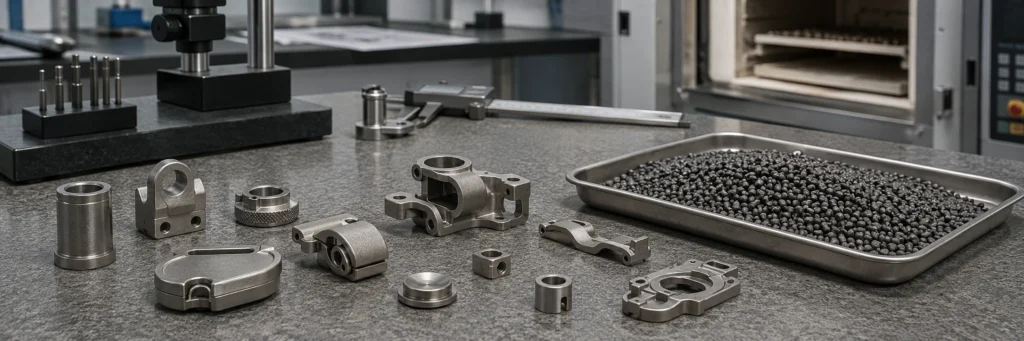
Thin sections, asymmetric mass distribution, long unsupported features and sharp transitions can respond differently during thermal processing. For critical dimensions, the project team may need to plan tooling compensation, sintering support, sizing, machining or a specific inspection sequence rather than relying on a single final measurement.
硬化可能な材料のより幅広い範囲を評価するエンジニアは、以下も確認できます 熱処理可能MIM材料 .
マルテンサイト系ステンレス鋼がMIM部品に使用される理由
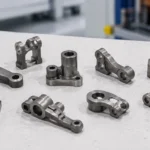
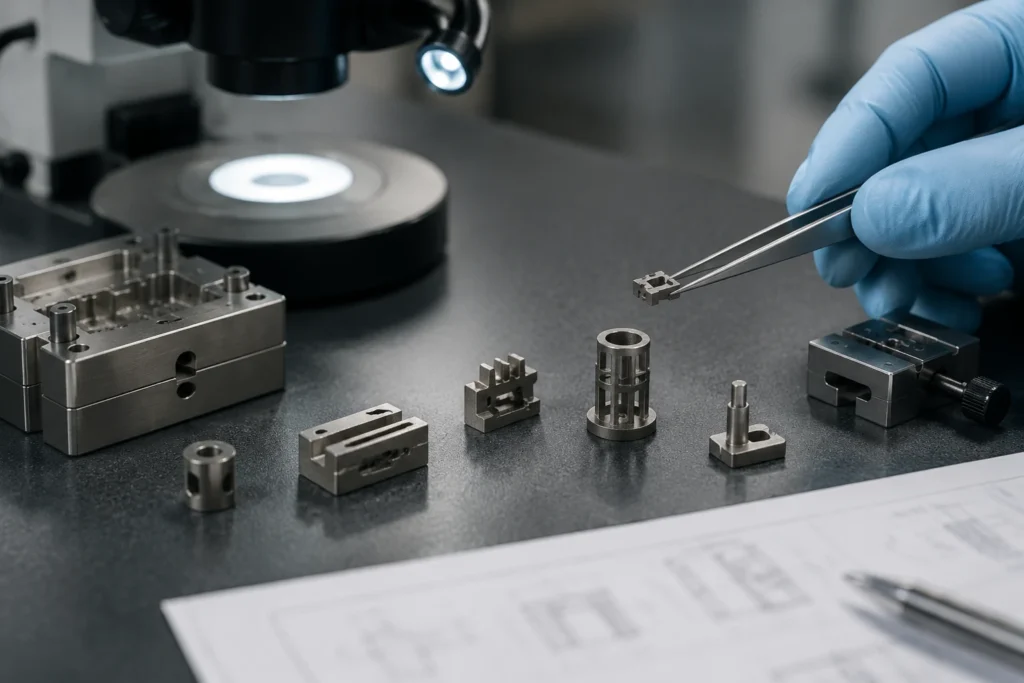
MIM is most relevant when a part combines complex shape, small dimensions, repeatable production volume and material-performance requirements that would otherwise require extensive machining or assembly. Martensitic stainless steels add a useful hardening route for components with wear surfaces, retaining features, local contact stress or durability requirements.

エンジニアリング上の要点: The illustration supports the geometry and part-consolidation discussion; it does not verify a specific alloy grade or depict a confirmed XTMIM production batch.
アプリケーションのアーキタイプとレビュー優先度
| コンポーネントのアーキタイプ | マルテンサイト系ステンレス鋼のレビュー対象となる理由 | 重要なレビュー質問事項 |
|---|---|---|
| ロック、保持、または関節部品 | Local contact edges and repeated movement may require hardness and mechanical durability. | Is impact toughness important? Which surfaces carry load? Can the geometry tolerate heat-treatment movement? |
| ガイド、基準面、タブ、摺動接触部 | Wear resistance and dimensional stability may be more important than high ductility. | What is the counterface material, lubrication condition, surface finish and permitted wear? |
| 小型医療機器機構部品 | MIMはコンパクトな形状を一体化でき、マルテンサイト系グレードは焼入れ可能な材料経路を提供します。 . | 実際のプロジェクトに適用される耐食性、洗浄性、生体適合性、表面処理、および規制要件は何ですか? |
| 精密フレームおよびサポートコンポーネント | 強度、剛性、およびコンパクトな統合機能により、部品の集約をサポートできます。 . | 焼結および熱処理を通じて、どの平面度、振れ、および基準関係を安定させる必要がありますか? |
| 摩耗に敏感な産業用メカニズム部品 | より高い硬度は、繰り返し機械加工が必要となる箇所での接触耐久性を向上させる可能性があります。 . | MIMのボリュームは商業的に正当化されますか? どの表面に二次的なサイジング、機械加工、または仕上げが必要ですか? |
Public MIMA case studies document MIM 420 in compact medical-device mechanism parts and precision frames, and 440C in industrial printer datums and support tabs. These examples demonstrate possible application directions; they do not establish automatic suitability for another drawing or operating environment. Review the association examples for 内視鏡デバイス部品 , MIM 420製コンプレッションフレーム および 440Cプリンターの基準点とタブ .
代表的なエンジニアリングシナリオ
A small actuator component may include a contact edge, a cross-hole, a thin arm and a locating surface. The drawing initially specifies only “martensitic stainless steel” and a high hardness target.
問題点: The specification does not identify whether wear, corrosion, compressive strength or edge retention is the real functional need.
考えられる原因: Material selection was made from a general datasheet before reviewing geometry, heat-treatment movement and the inspection datum strategy.
エンジニアリング対応: Confirm the operating environment, contact condition, required toughness, actual critical dimensions, preferred grade and final inspection method before tooling release. The team can then decide whether the feature should remain as-molded, be sized after sintering or receive a secondary operation after heat treatment.
このレビューは、硬度だけで合金を選択するよりもはるかに有用です。 プロジェクトの決定は、材料、形状、プロセスルート、および 受け入れ方法を結びつける必要があります。.
MIMにおけるマルテンサイト系ステンレス鋼グレードの選択
Grade selection should begin with the component’s functional priority rather than with a direct search for the hardest available martensitic grade. MIM 420 and MIM 440C are two common review directions within this material family: 420 is generally considered when hardness, corrosion behavior and toughness need a more balanced response, while 440C is reviewed when higher hardness and wear resistance carry greater weight. Geometry, impact risk and thermal movement can change that decision.

エンジニアリング上の要点: Grade selection should follow the component’s hardness, wear, toughness, corrosion and dimensional priorities rather than a preference for the highest possible hardness.
| 選定要素 | MIM 420 レビュー方向 | MIM 440C レビューの方向性 |
|---|---|---|
| 主要性能優先度 | 硬度、耐食性、靭性のバランス。. | より高い硬度と耐摩耗性が重視されます。. |
| 耐摩耗性要求 | 中程度の摩耗または接触要求。. | より厳しい摩耗またはエッジ保持条件。. |
| 靭性感度 | よりバランスの取れた応答が必要な場合に、最初に確認すべき方向性です。 . | 衝撃、薄肉部、応力集中が存在する箇所では、より詳細な検討が必要です。 . |
| 寸法リスク | 熱処理工程は依然として計画が必要です。. | 最終状態では、熱処理および検査のより厳密な管理が必要になる場合があります。 . |
詳細な材料ページをご参照ください MIM 420ステンレス鋼 および MIM 440Cステンレス鋼 特定の特性が必要な場合。直接比較するには、 次を使用してください 420 vs 440C ステンレス鋼比較 .
金型製作前のプロセスおよび品質リスクの検討
このセクションでは、材料および熱処理工程中に発生しうる問題に焦点を当てます。 目的は、金型製作前に故障メカニズムを特定し、最終検査で後から検出するのではなく、 工程計画でそれに対応できるようにすることです。.
| 潜在的リスク | 想定される工学的原因 | レビューまたは予防措置 |
|---|---|---|
| 機能要件外の硬さ応答 | 材料状態、断面厚さ、または熱経路のばらつき。. | 必要とされる最終状態を定義し、不要な脆性やプロセス負荷なしに達成できるルートであるかレビューしてください。 . |
| 熱処理による歪み | 非対称形状、残留応力、または支持されていない薄いフィーチャー。. | サポート、サイジング、機械加工代、および熱 および寸法制御操作のシーケンスをレビューしてください。. |
| 予期せぬ脆性 | 十分な靭性考慮なしに指定された硬さ。. | 硬化状態と衝撃、曲げ、応力集中 リスクとの関連性を確認してください。. |
| 期待を下回る耐食性能 | 環境、表面状態、またはグレードの選択が完全に定義されていません。. | Review the actual exposure conditions and whether another grade or surface route is more appropriate. |
| Dimensional mismatch after processing | Sintering shrinkage and heat-treatment movement evaluated as separate problems. | Build one dimensional-control strategy covering tooling compensation, sintering support, sizing and any post-treatment correction. |
Inspection Planning for Martensitic Stainless Steel MIM Parts
Inspection answers a different question from process-risk review: how will the finished part be verified against its functional requirements? The acceptance plan should connect each critical characteristic to a defined measurement stage, datum or test method instead of checking every part characteristic with the same routine.
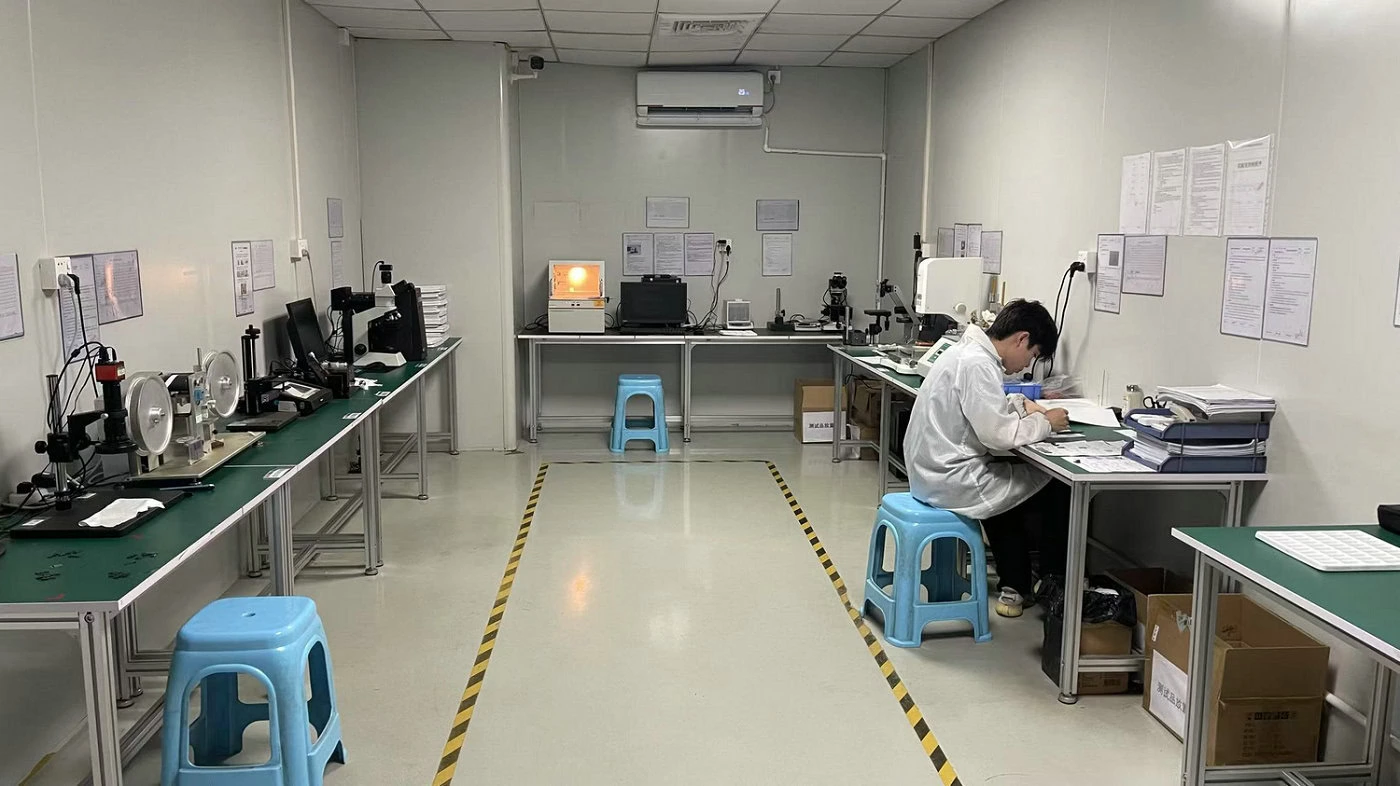
エンジニアリング上の要点: Inspection scope should be defined by the drawing, functional risks and required material condition rather than inferred from a generic grade name.
| 検査項目 | What It Verifies | Acceptance Planning |
|---|---|---|
| Hardness / final material condition | Confirms that the intended hardened condition was achieved. | Define the relevant measurement location, method and reporting requirement where hardness is functionally critical. |
| 重要寸法とデータム | Verifies final geometry after shrinkage, sizing and thermal processing. | Identify CTQ features, functional datums and the stage at which final acceptance is measured. |
| Flatness or runout | 熱に敏感な機能面における形状安定性を確認します。. | 機能面、基準面との関係、および許容限界を定義します。. |
| 表面状態 | 指定された接触、外観、または腐食に関連する仕上げを確認します。. | Match the check to the required as-sintered, polished, passivated, coated or machined condition. |
| 必要に応じて密度または内部状態 | 機能がそれを正当化する場合、材料とプロセスの整合性をサポートします。. | 図面、認定計画、または機能リスクによって要求された場合にのみ、この検証を追加してください。 . |
マルテンサイト系ステンレス鋼 MIM RFQ に含めるべき項目
The RFQ section should answer one practical question: what information must the supplier receive to review material suitability, tooling feasibility and the final acceptance route? Send the inputs that define function and manufacturing risk; detailed inspection methods can then be agreed during engineering review.
| RFQ入力項目 | エンジニアリングチームが必要とする理由 |
|---|---|
| 2D図面と3Dモデル | 実現可能性レビューのためのジオメトリ、公差、寸法基準、アンダーカット、および金型抜き勾配情報を提供します。 . |
| 要求されたグレードまたは性能目標 | Clarifies whether the project requires a specific alloy, a hardness range or a broader functional material outcome. |
| 動作環境と機能負荷 | Shows whether corrosion, wear, impact, bending, compression or edge retention is driving material selection. |
| 重要寸法、CTQ(重要品質特性)、および機能的データム | Identifies the features that must survive sintering, heat treatment, sizing and any secondary operation. |
| 年間生産量とプログラムライフ | Helps determine whether dedicated MIM tooling and process development are commercially appropriate. |
| 表面処理および二次加工の要件 | Clarifies machining, polishing, coating, passivation, assembly or other final-condition requirements. |
The MIM RFQ準備ガイド サプライヤーレビューのための、より広範なプロジェクト情報チェックリストを提供します。.
よくある質問
マルテンサイト系ステンレス鋼とオーステナイト系ステンレス鋼の違いは何ですか?
Martensitic stainless steel can be hardened through heat treatment and is usually selected when hardness, wear resistance and mechanical strength are important. Austenitic stainless steels are generally chosen for stronger corrosion resistance, ductility and non-hardening behavior. The correct family depends on the component function and environment.
マルテンサイト系ステンレス鋼は、あらゆる腐食環境に適していますか?
No. Martensitic stainless steel provides stainless behavior, but corrosion exposure still needs to be reviewed against the specific grade, surface condition, chemicals, moisture, temperature and cleaning process. A more corrosion-resistant material family may be preferable when corrosion is the dominant failure risk.
より高い硬度仕様は、常にMIM部品の性能を向上させますか?
No. Higher hardness can improve wear resistance, but it may reduce toughness, increase distortion sensitivity and create additional inspection requirements. The hardness target should be linked to an actual functional need such as wear, contact stress or edge durability.
エンジニアはMIM 420とMIM 440Cのどちらを選ぶべきか?
MIM 420 is generally reviewed for a more balanced combination of hardness, corrosion behavior and toughness. MIM 440C is reviewed when higher hardness and wear resistance are more important. Geometry, impact risk, thermal movement and the final inspection plan must also be considered.
マルテンサイト系ステンレス鋼は磁性がありますか?
Martensitic stainless steels are generally ferromagnetic because of their microstructure. Magnetic response should not be used as the only method for confirming a specific grade, material condition or finished-part performance. Where magnetic behavior is functionally important, define the required test condition and acceptance method in the drawing or RFQ. Worldstainlessはステンレス鋼の磁気特性の概要を提供します .
マルテンサイト系ステンレス鋼のMIMレビューには、どのような情報を提供する必要がありますか?
2D図面、3Dモデル、材質または性能要件、硬度 の期待値、動作環境、負荷または摩耗条件、重要 な寸法、年間生産量、および必要な二次加工または表面 処理をお送りください。.
技術参考文献
- ASTM B883-24 — 金属射出成形(MIM)材料に関する標準仕様 .。 マルテンサイト系ステンレス鋼組成物であるMIM-420およびMIM-440を含む、鉄系MIM材料の仕様です。 .
- 金属射出成形協会 — 材料範囲 . MIM material families, 420 and 440 series availability direction and supplier availability guidance.
- PIM International — A Microstructural Investigation of 420 Martensitic Stainless Steel Processed by MIM . Technical research covering feedstock chemistry, furnace environment, decarburization, microstructure and heat-treatment response.
- Nickel Institute — Design Guidelines for the Selection and Use of Stainless Steels . General engineering guidance for stainless steel family selection and property trade-offs.
- ステンレス鋼の機械的・物理的特性 — Worldstainless .ステンレス鋼ファミリーにおける磁気挙動を網羅したリファレンス概要。 .