- MIM-INDUSTRIELÖSUNGEN
Metallpulverspritzguss-Lösungen für komplexe Präzisionsteile
XT MIM unterstützt kundenspezifische Metallpulverspritzguss-Projekte für kleine, komplexe und hochvolumige Metallkomponenten. Wir helfen Käufern zu bewerten, ob MIM für ihre Teilekonstruktion, Materialanforderungen, Produktionsmenge und Anwendungsumgebung geeignet ist.
Unsere Arbeit geht über die Angebotserstellung hinaus. Von der DFM-Prüfung und Materialauswahl über Werkzeugbau, Spritzgießen, Entbindern, Sintern, Sekundäroperationen bis hin zur Inspektion helfen wir, Fertigungsrisiken vor der Serienproduktion zu reduzieren.
Entwickelt für Ingenieure, Produktteams und Beschaffungsteams, die mehr als einen Lieferanten benötigen – sie brauchen einen Fertigungspartner, der die Prozessrisiken hinter jeder Zeichnung versteht.
- Kundenspezifische MIM-Fertigungsunterstützung
Was wir tun
XTMIM unterstützt kundenspezifische Metallpulverspritzguss-Projekte von der frühen Teilebewertung bis zur kontrollierten Produktion und Inspektion. Unsere Arbeit umfasst die wichtigsten MIM-Prozessschritte, die erforderlich sind, um eine Zeichnung, ein Muster oder ein 3D-Modell in eine fertigbare Metallkomponente zu verwandeln.
Teilebewertung
Überprüfung von Geometrie, Material, Toleranz, Anwendung und Produktionsvolumen.
MIM-Werkzeugbau
Unterstützung bei Werkzeugentwicklung, Angusslogik, Kavitätslayout und Schwindungskompensation.
Spritzgießen
Kontrolle der Grünlingqualität, Füllstabilität, Oberflächenbeschaffenheit und Formgebungsrisiken.
Entbindern & Sintern
Steuerung der Binderentfernung, des Schwindungsverhaltens, der Auflagengeometrie und der Ofenreaktion.
Sekundäroperationen
Koordination von Wärmebehandlung, Zerspanung, Polieren, Beschichten und anderen Nachbearbeitungsschritten.
Prüfung
Unterstützung bei Maßprüfungen, Sichtprüfungen, Materialverifizierung und Berichten.
Von der Zeichnungsprüfung bis zur Produktionsfreigabe
Ein stabiles MIM-Projekt hängt von mehr als nur dem Spritzgießen ab. Frühe Entscheidungen über Bauteilgeometrie, Wandstärke, Toleranz, Materialauswahl, Entbinderungssicherheit und Sinterschwindung können das gesamte Produktionsergebnis beeinflussen.
Fertigungsunterstützung, ausgerichtet auf das Projektrisiko
Wir helfen Kunden, potenzielle Fertigungsrisiken vor dem Werkzeugbau, der Bemusterung und der Serienproduktion zu identifizieren. Dies ist besonders wichtig für kleine, komplexe Metallteile mit hohen Stückzahlen, die eine reproduzierbare Qualität erfordern.
Für wen wir arbeiten
XTMIM supports OEM and ODM customers developing small, complex metal parts for precision mechanisms, medical device components, consumer electronics, automotive systems, aerospace-related hardware, industrial robotics, UAV applications, and new energy equipment. Our role is not limited to producing parts; we help customers evaluate whether a geometry, material, tolerance requirement, and production volume are suitable for metal injection molding before tooling investment.
MIM-Teile für die Luft- und Raumfahrt
Für kompakte Struktur-, Verriegelungs-, Verbindungs- und mechanismusbezogene Teile, bei denen Materialstabilität, Rückverfolgbarkeit und reproduzierbare Fertigungskontrolle wichtig sind.
Luftfahrtanwendungen ansehen → AutomatisierungIndustrieroboterteile
Geeignet für kleine mechanische Teile in Aktuatoren, Getriebemodulen, Sensoren, Endeffektoren, kompakten Gelenken und Präzisionsbewegungsbaugruppen.
Robotikanwendungen ansehen → UAV-HardwareKomponenten für Drohnen & UAVs
Ermöglicht leichte, kompakte und geometrieintensive Metallkomponenten für UAV-Mechanismen, Halterungen, Verbindungselemente, Verriegelungsteile und Präzisionshardware.
Verwandte MIM-Unterstützung für die Luft- und Raumfahrt → Neue EnergieTeile für neue Energieanlagen
For compact metal parts used in energy storage, electrical hardware, thermal management assemblies, connectors, sensors, and durable mechanical modules.
Neue Energieanwendungen ansehen → MedizintechnikMedizintechnische Komponenten
Helps customers evaluate small metal parts that require stable material selection, clean geometry, dimensional repeatability, and inspection planning.
Medizinische MIM-Unterstützung anzeigen → ElektronikTeile für Unterhaltungselektronik
Used for compact hinges, brackets, housings, connector hardware, wearable device parts, and high-volume precision metal components.
Elektronikanwendungen anzeigen → AutomobilindustriePräzisionsteile für die Automobilindustrie
Supports compact parts used in sensors, transmission-related mechanisms, brackets, control modules, and other small high-volume automotive components.
Automobilanwendungen anzeigen → PräzisionsteilePräzisionsmechanikteile
For small gears, shafts, brackets, levers, pins, sliders, and complex metal parts where machining cost or geometry limitations need to be reviewed.
MIM-Teiletypen entdecken →Unser Fertigungshintergrund
XTMIM’s manufacturing background is built around practical metal injection molding production resources, including molding, debinding, sintering, production handling, and inspection support. For OEM and ODM projects, this background helps us review part feasibility, process risk, and production repeatability before customers move into tooling and batch manufacturing.
Fertigungsressourcen für kundenspezifische MIM-Projekte
Our production background supports the main stages of metal injection molding, from feedstock molding and furnace processing to secondary operations and inspection coordination. This allows project discussions to focus not only on price, but also on manufacturability, process stability, and final part acceptance.
Technische Unterstützung
XTMIM supports customers before mold investment by reviewing drawings, part geometry, material options, tolerance requirements, tooling feasibility, and production risks. For many custom MIM projects, early engineering review helps reduce repeated sampling, avoid unsuitable part designs, and improve the chance of a stable production launch.
Engineering Review Before Tooling
Our engineering support focuses on practical manufacturability, not only quotation. We review whether the part geometry is suitable for metal injection molding, where dimensional risks may appear, which material options are realistic, and whether secondary operations or inspection controls should be planned before tooling begins.
Quality Commitment
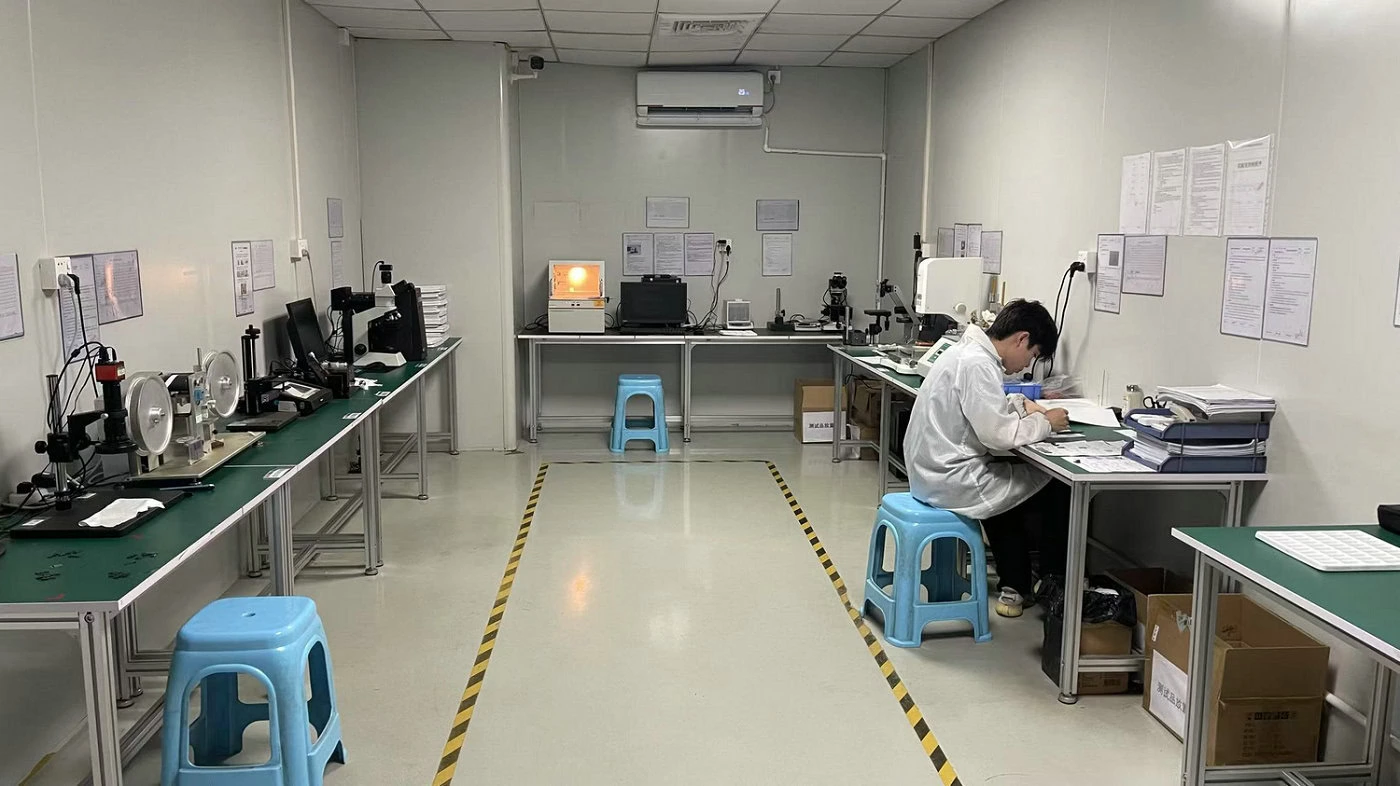
For custom metal injection molding projects, quality control is not limited to final inspection. We focus on dimensional verification, material consistency, visual inspection, process traceability, and production release review across the MIM project cycle.
Our quality work supports OEM and ODM buyers who need stable small metal parts for precision assemblies, functional mechanisms, medical device components, consumer electronics, automotive parts, robotics, drones, aerospace-related applications, and new energy systems.
- Dimensional inspection based on drawings and tolerance requirements
- Visual inspection for cracks, deformation, burrs, surface defects, and abnormal marks
- Material and hardness verification based on project requirements
- Inspection records and production traceability for batch control
For new MIM projects, early quality planning is especially important. Material choice, mold design, injection stability, debinding control, sintering shrinkage, and secondary operations can all affect the final part quality. Our role is to identify these risks before the project moves into mass production.
Future Supply Chain Planning
For international OEM and ODM customers, supply chain stability is becoming part of manufacturing risk management. XTMIM continues to improve its production coordination, engineering communication, quality documentation, and future regional supply planning to support long-term custom MIM projects.
Planning for More Stable Long-Term Supply
Custom metal injection molding projects usually involve tooling investment, material selection, sampling, inspection planning, and production release. Because of this, customers often need a supplier who can support not only one purchase order, but also long-term project continuity.
Our future supply chain planning focuses on improving production flexibility, project communication, quality traceability, and regional supply options. This helps customers reduce uncertainty when developing small, complex metal parts for international programs.
As part of this planning, XTMIM is also evaluating and developing cooperation resources in Vietnam. This is a future supply chain direction, not a replacement for engineering review, MIM process control, or quality inspection work that must be managed carefully for each project.
Support Beyond One-Time Orders
We support custom MIM projects from early review to sampling, production release, repeat orders, and quality follow-up, helping customers maintain continuity across the project lifecycle.
Supply Planning with Engineering Control
Future supply planning must still be based on part drawings, material requirements, process validation, inspection standards, and stable production control.
Vietnam Cooperation Under Development
Vietnam-related cooperation is part of our future regional supply chain planning. Project availability, process scope, and production suitability should be confirmed case by case.
Send Your Drawing for MIM Project Review
Share your 2D drawing, 3D model, material requirement, target quantity, tolerance needs, and application background. XTMIM will help review whether your part is suitable for metal injection molding and what engineering risks should be checked before tooling.
This early review helps customers reduce unsuitable design decisions, repeated sampling, unexpected secondary machining, and quality issues caused by material, geometry, shrinkage, or inspection planning.
What to Include for a Faster Review
- 2D drawing with critical dimensions, tolerances, and surface requirements
- 3D CAD model such as STEP, STP, IGS, or X_T file
- Target material, hardness, strength, corrosion, or magnetic requirements
- Estimated annual quantity, sample quantity, and production schedule
- Application environment, assembly function, and key quality concerns