
Onde é Utilizada a Moldagem por Injeção de Metal (MIM)?
A Moldagem por Injeção de Metal (MIM) é utilizada em dispositivos médicos, mecanismos automotivos, equipamentos aeroespaciais, eletrônicos, vestíveis, robótica, ferramentas industriais e outros mercados que necessitam de pequenas peças metálicas complexas selecionadas em produção repetida.
A surgical-instrument linkage, an EV parking-brake ratchet, a smartwatch band connector and a robotic gripper jaw all require compact metal features and repeatable assembly interfaces. Their loading, wear, material and inspection requirements differ by application.
MIM suitability is assessed at the part level: the geometry must be moldable and sinterable, the alloy must meet service requirements, and critical dimensions and production volume must support the full manufacturing route.
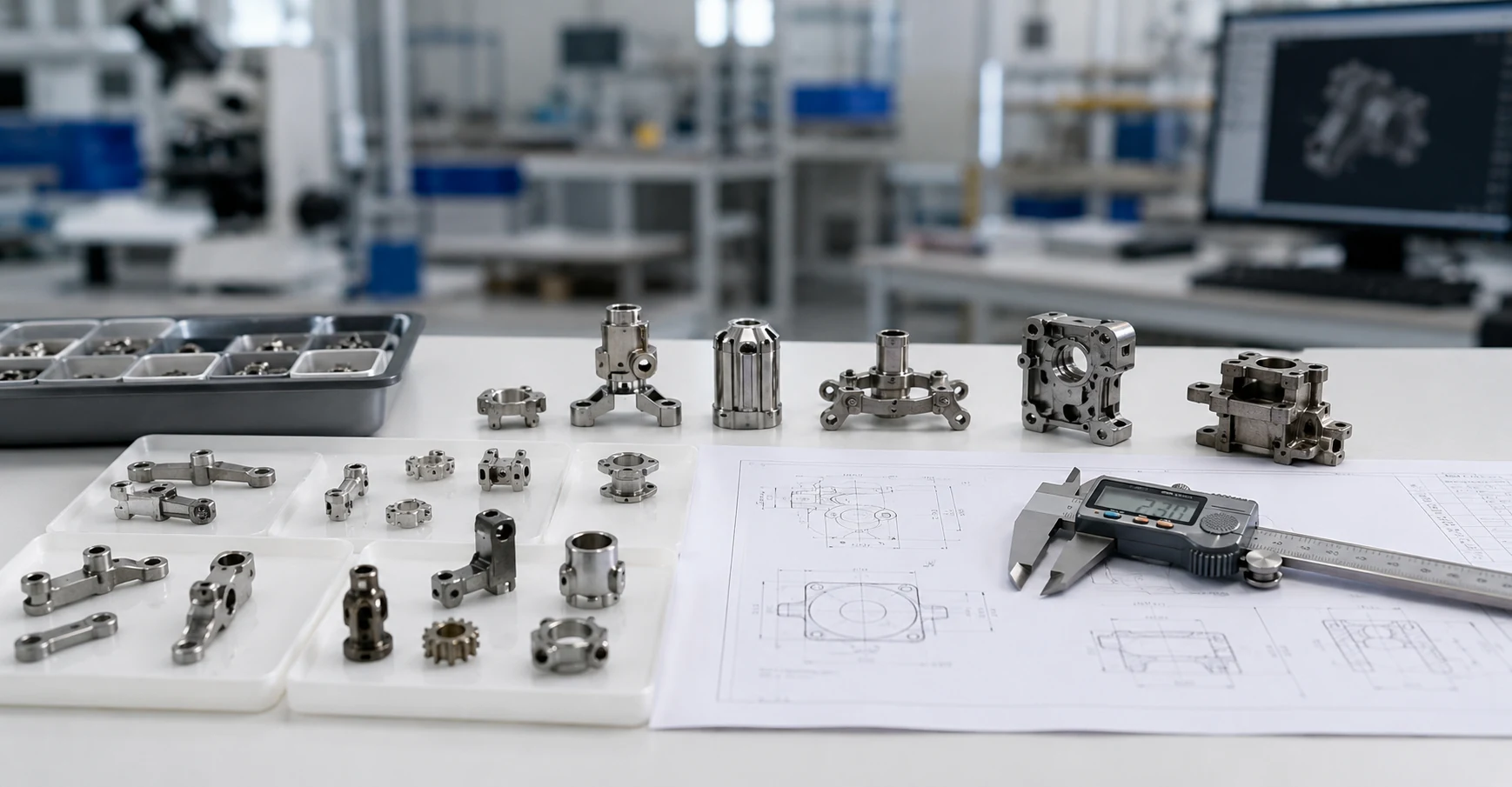
Indústrias MIM e Componentes Metálicos Típicos
Across industries, small metal components face different demands for load, wear, temperature, corrosion, critical fit and traceability. These conditions determine the alloy, secondary operations and inspection needed for each application.
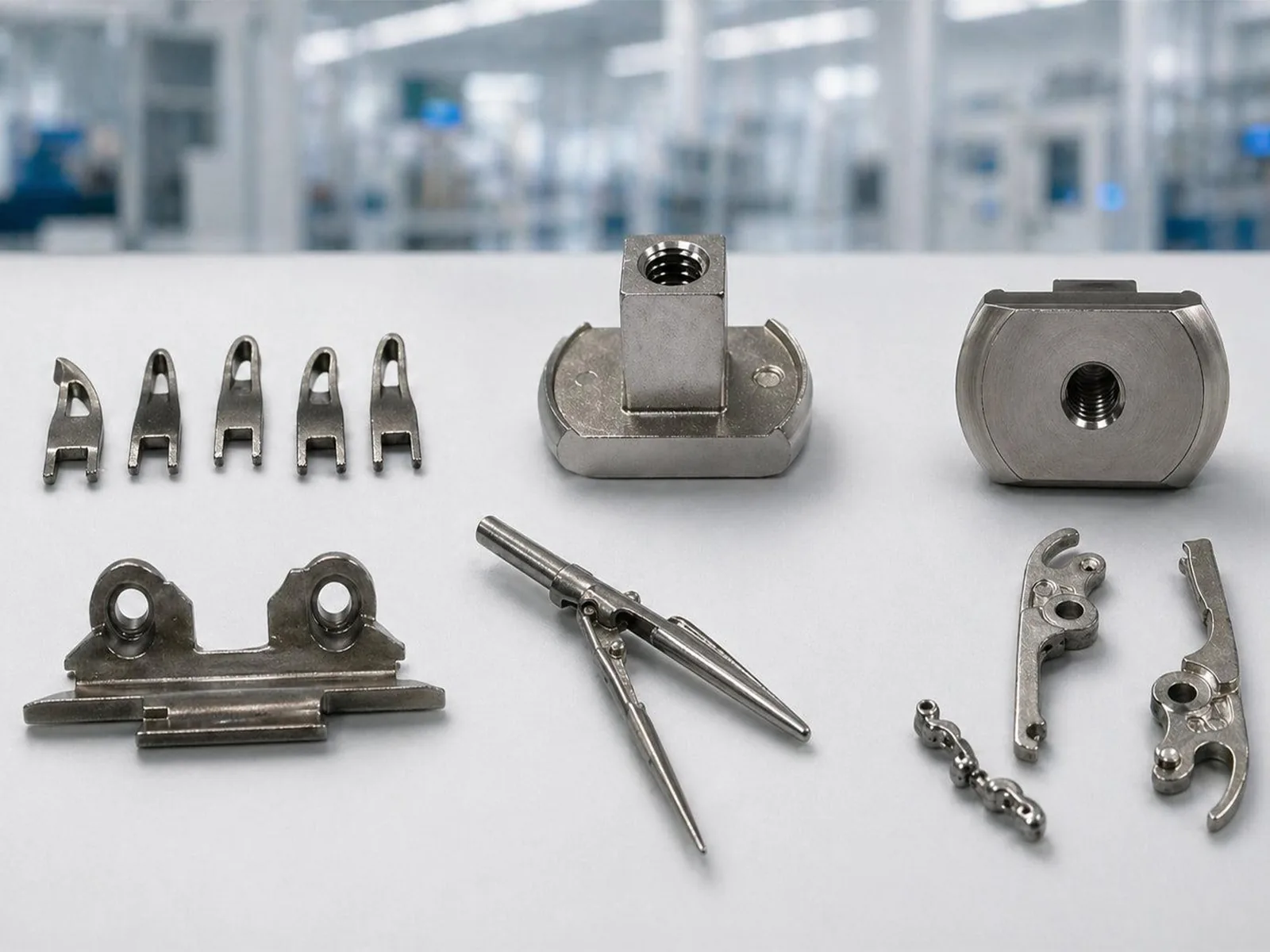
Dispositivos Médicos
Non-cutting surgical-instrument joints, endoscope linkages and miniature clamps can combine pivots, locating features and gripping interfaces in a compact part. MIM may reduce machining when volume supports tooling. Material condition, cleanability, contact surfaces, critical dimensions and inspection criteria must be specified for the intended device.
Explore Dispositivos Médicos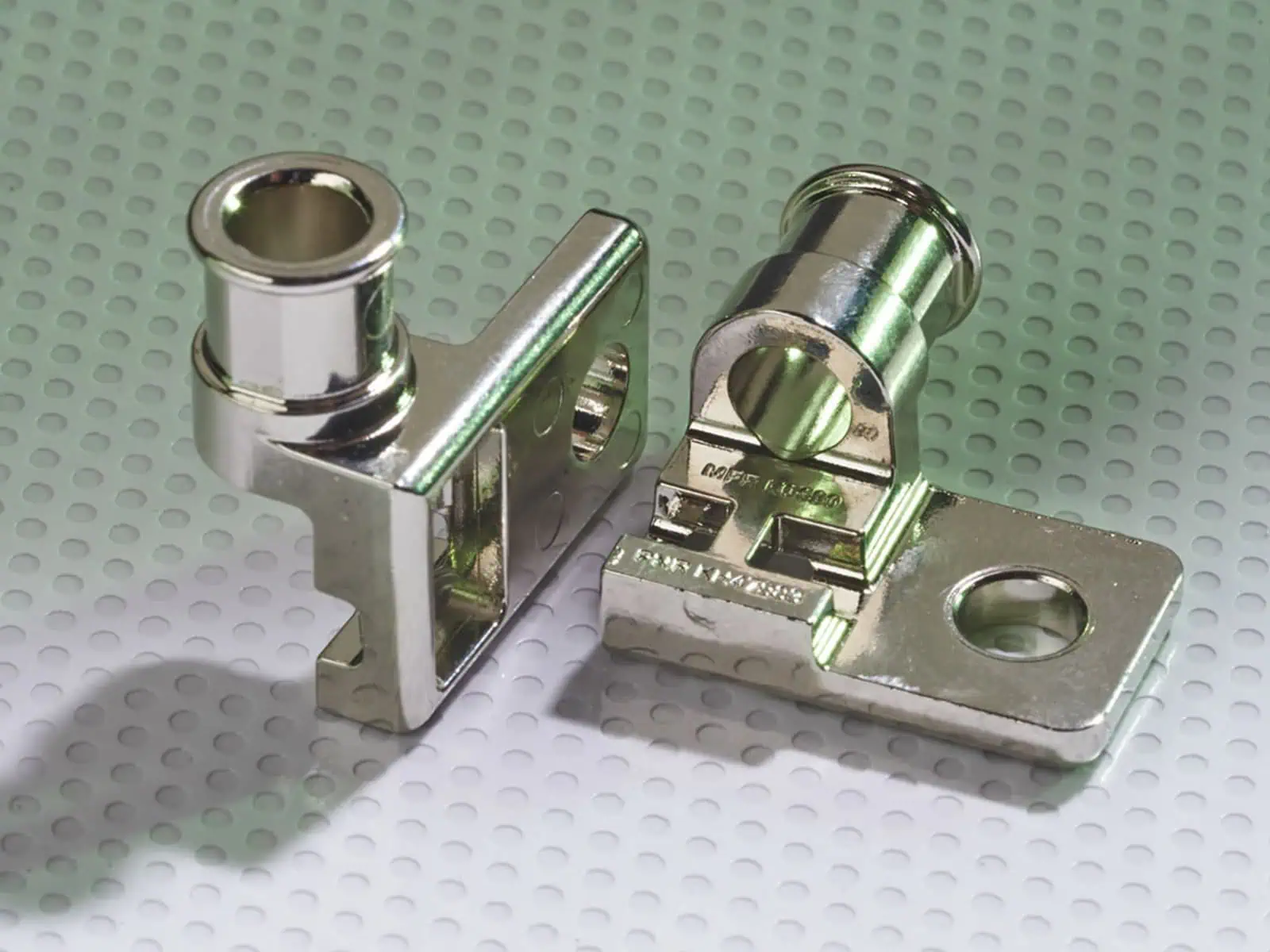
Aeroespacial
Microswitch-actuation arms in aircraft de-icing controls are examples of compact aerospace mechanisms that may be evaluated for MIM. Other candidates include valve linkages, latches and fittings. Alloy qualification, duty-cycle assessment, traceability and validation must match the part’s risk level.
Explore Aeroespacial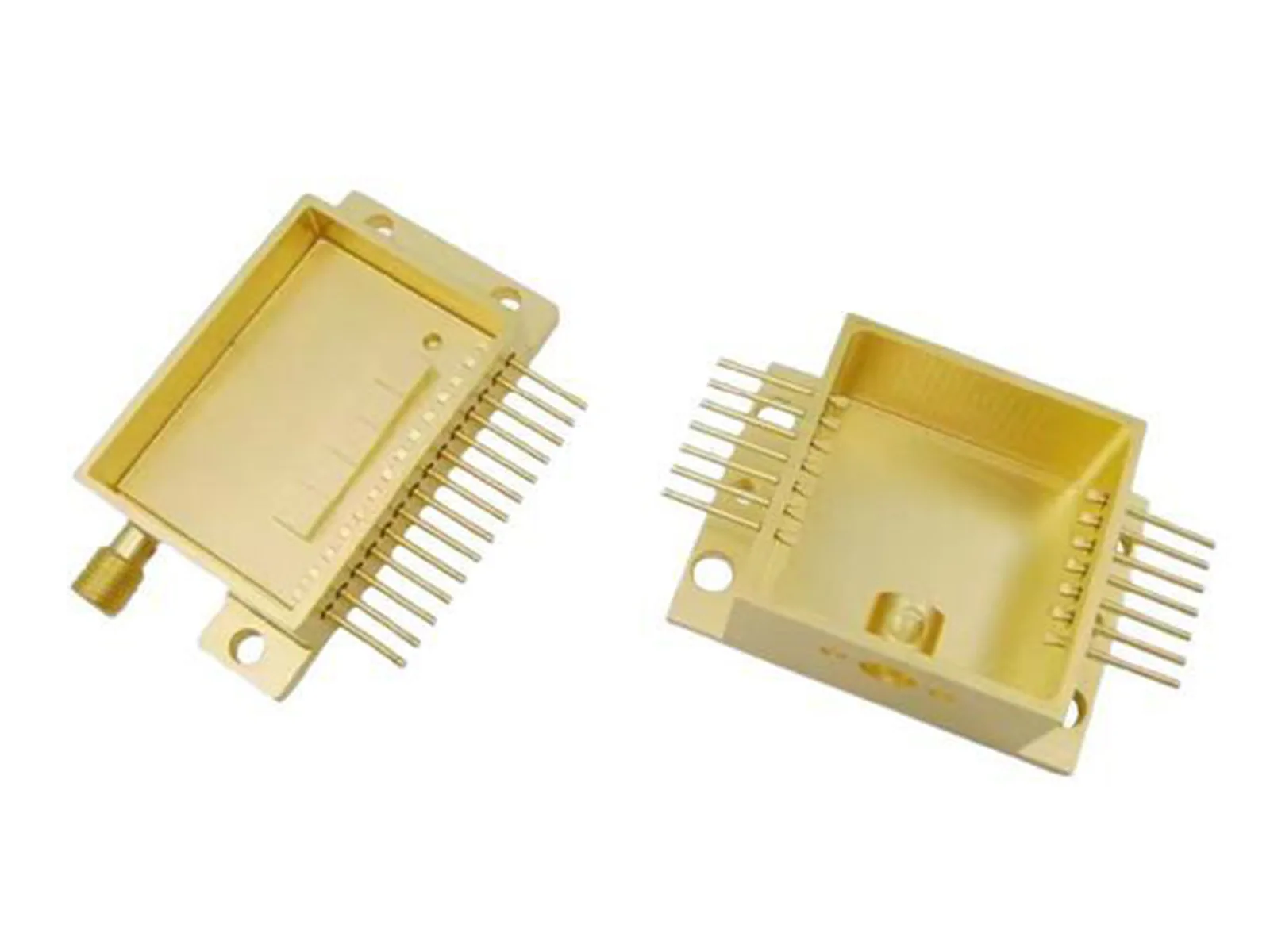
Equipamentos de Comunicações e Relacionados à Defesa
Gold-plated hermetic package housings in communications and optoelectronic assemblies require controlled interfaces for plating, joining and sealing. MIM is an option only if the alloy, geometry and post-processing route can meet those requirements; leak-tightness must still be verified on the finished assembly. Machining, stamping or joining may be preferable for other designs. Defense-related projects require end-use and compliance screening before technical evaluation.
Revise os Requisitos do Projeto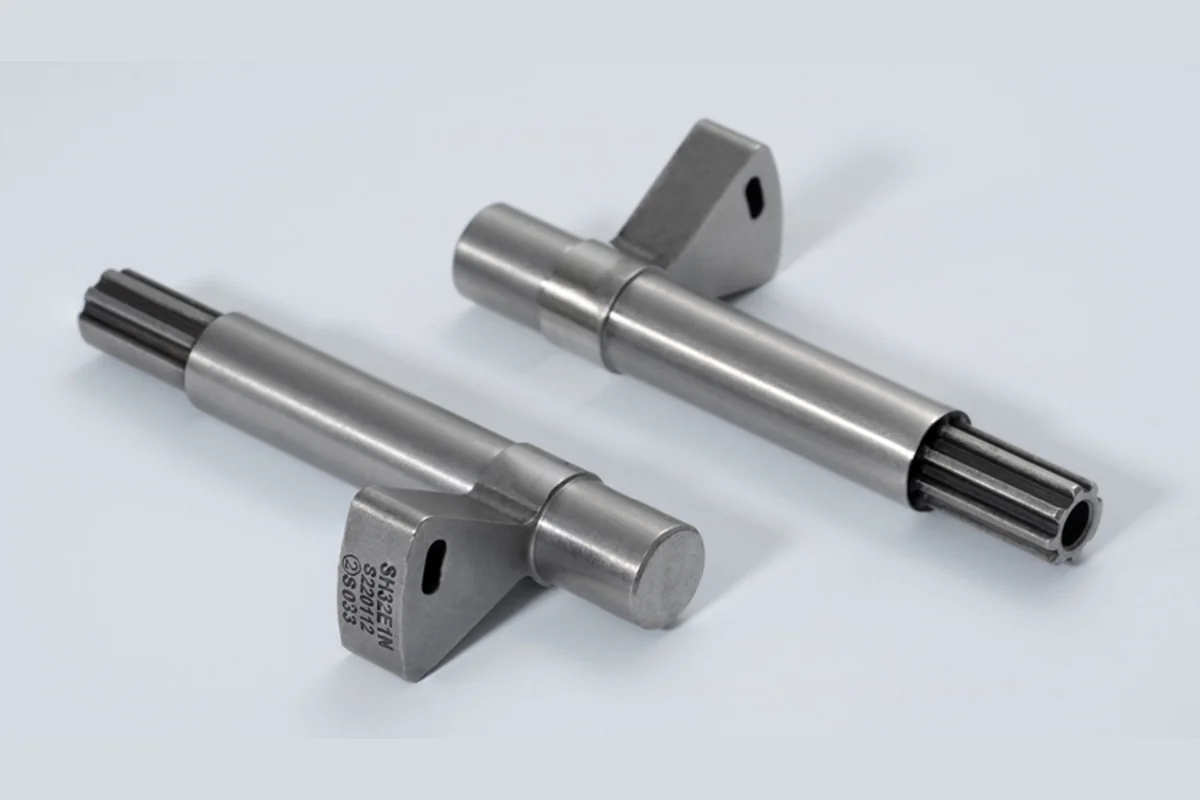
Automotivo
EV parking-brake ratchet shafts can combine splines, cam features and a cylindrical body in one compact component. Selected actuator and sensor-mechanism parts may also be MIM candidates at repeat volume. Load paths, contact wear, critical fit dimensions, alloy condition, testing and traceability govern feasibility.
Explore Automotivo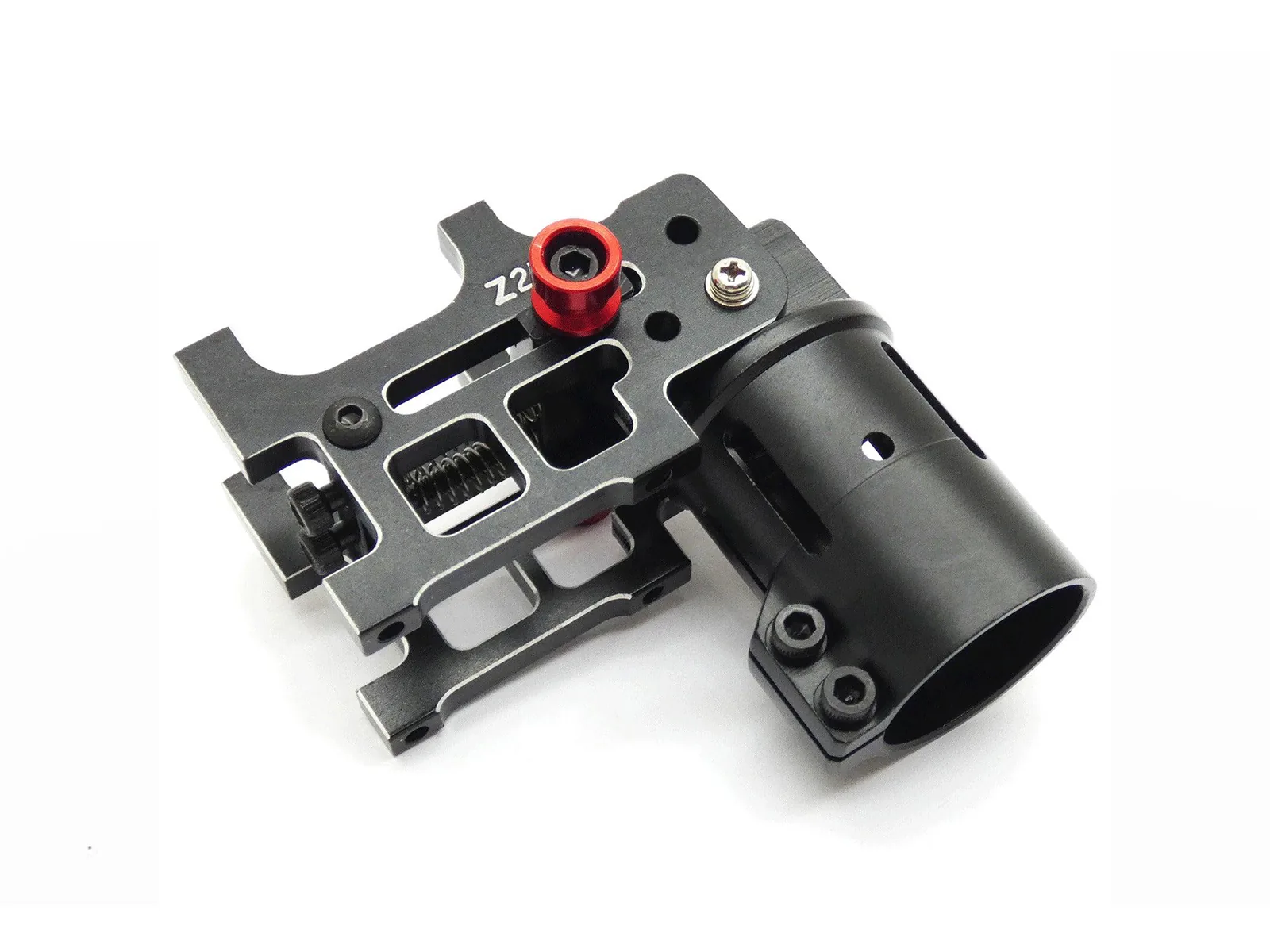
Drones Civis
Folding-arm hinges and locks in civilian drones must maintain position under vibration and repeated use. MIM may suit pins, links and locking features when molded geometry reduces machining or assembly. Weight, loading, fatigue, tolerances and production demand still need comparison with CNC and other processes.
Explore Drones Civis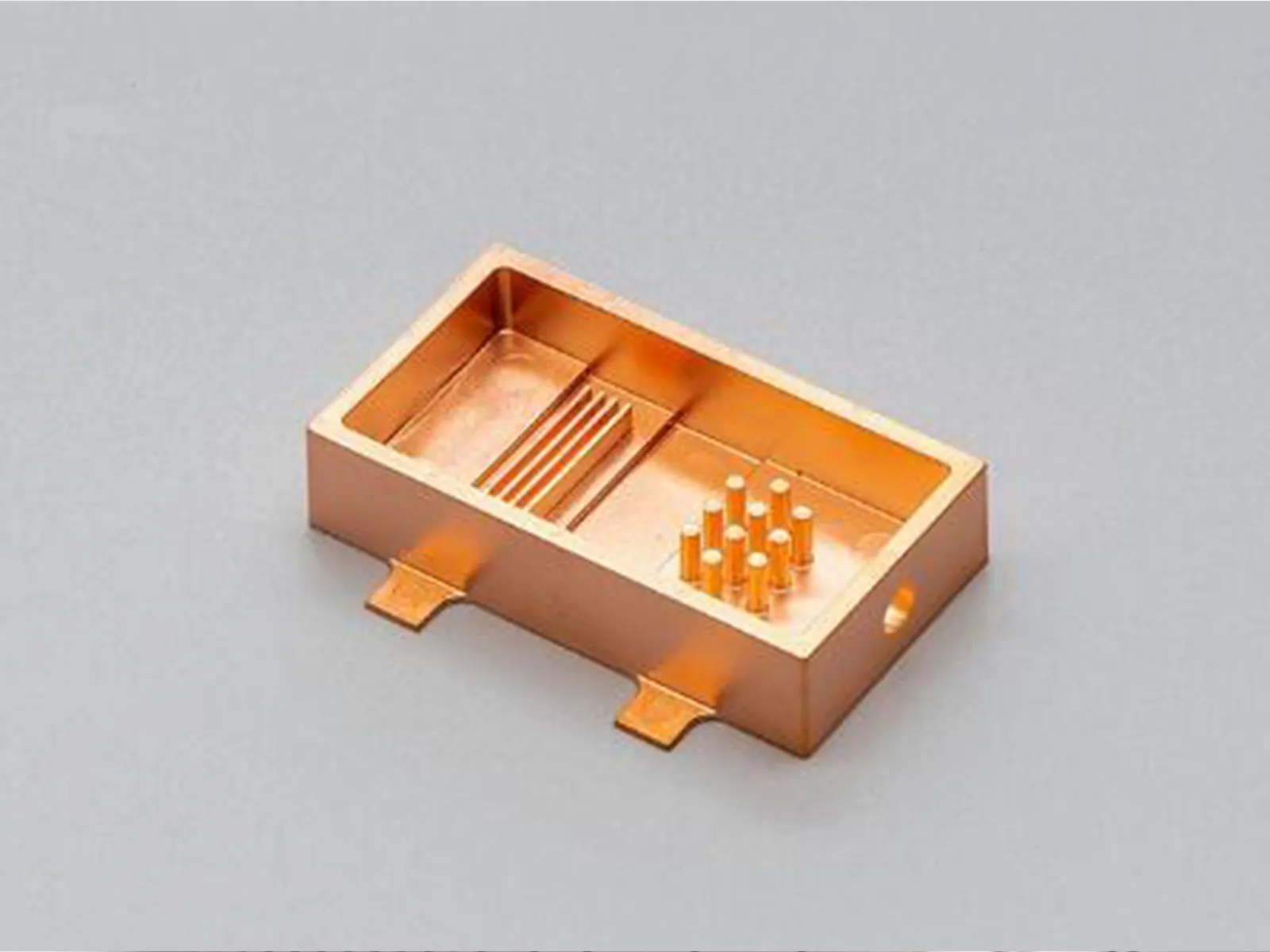
Novas Energias
Power-electronics equipment can use small sensor housings, connector hardware and soft-magnetic components. Copper cooling structures need separate scrutiny: MIM feasibility depends on copper powder availability, achieved sintered density, thermal performance and production economics. The manufacturing route must be validated against the actual cooling geometry and thermal test requirements.
Explore Novas Energias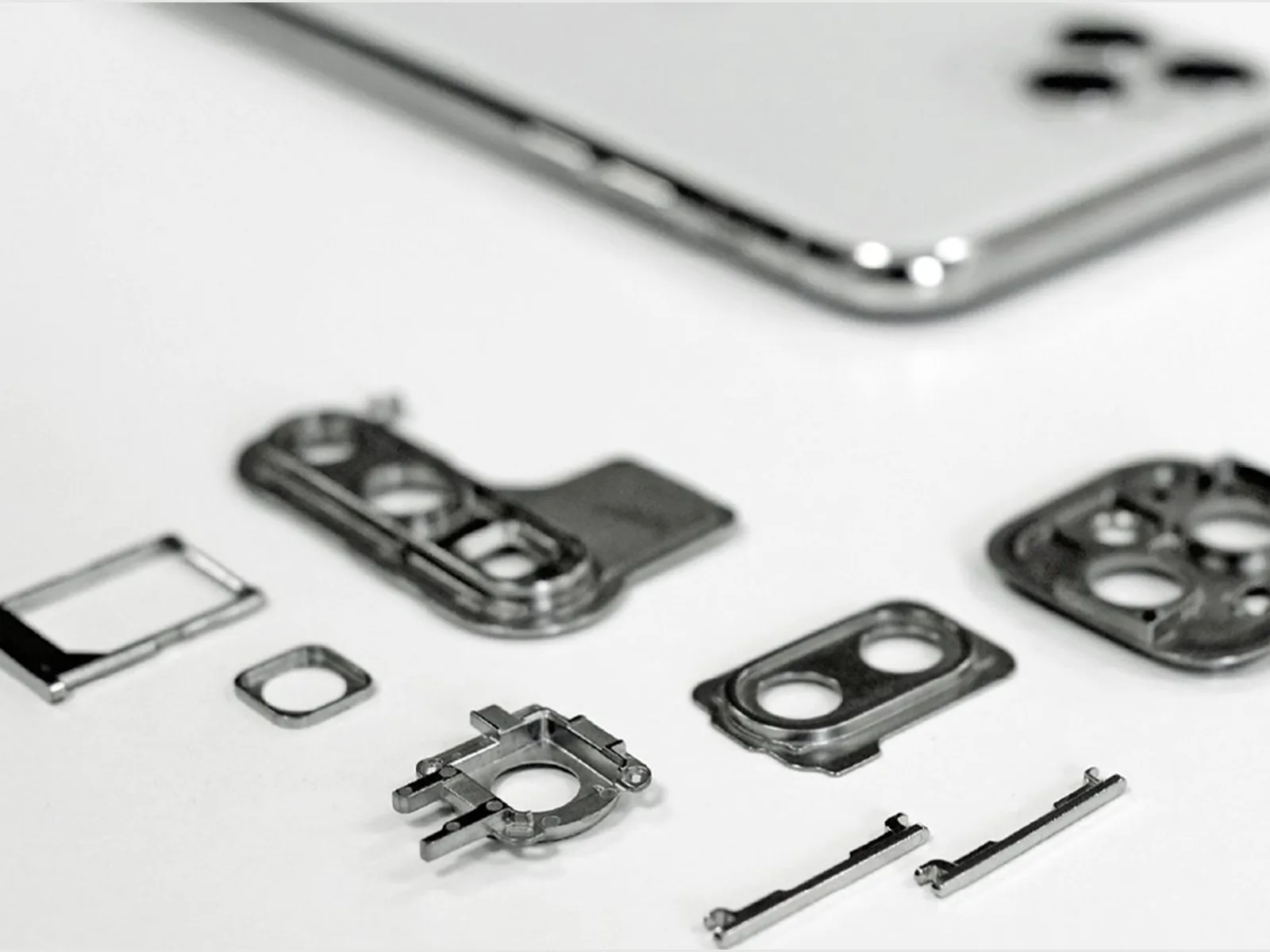
Eletrônicos de Consumo
Smartphones and compact devices use trays, camera frames, buttons, hinges and internal brackets. At repeat volume, MIM may integrate small features that would otherwise need multiple machining operations. Thin walls, cosmetic surfaces, assembly fits and selective machining requirements must be weighed against stamping, die casting and CNC.
Explore Eletrônicos de Consumo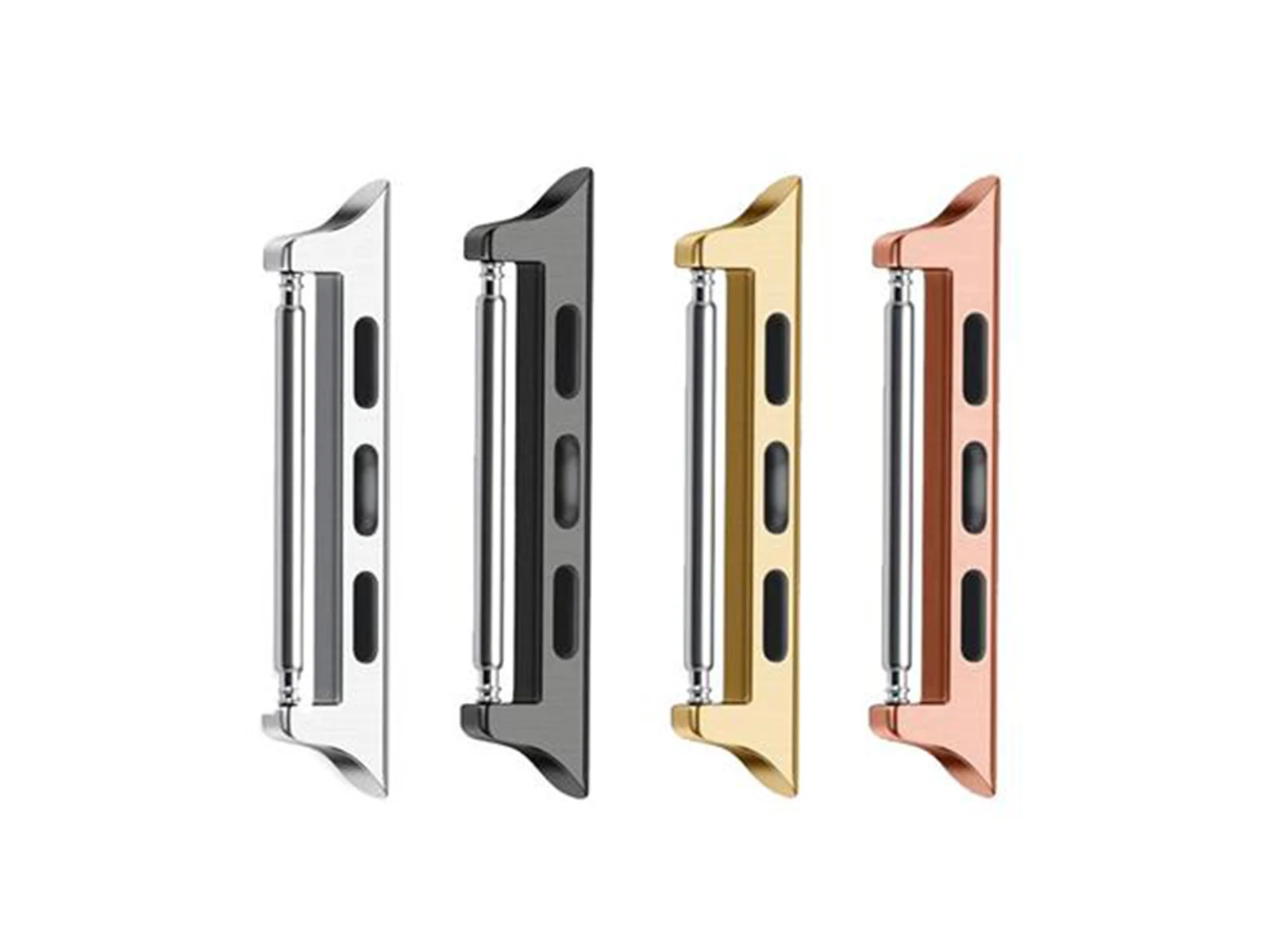
Dispositivos Vestíveis
Smartwatch band adapters, clasp parts and miniature connectors combine tight packaging, frequent handling and visible surfaces. MIM may integrate retention and alignment features in one component when production volume supports tooling. Specify corrosion requirements, any skin-adjacent contact, polishing or coating targets and assembly tolerances before tool design.
Explore Dispositivos Vestíveis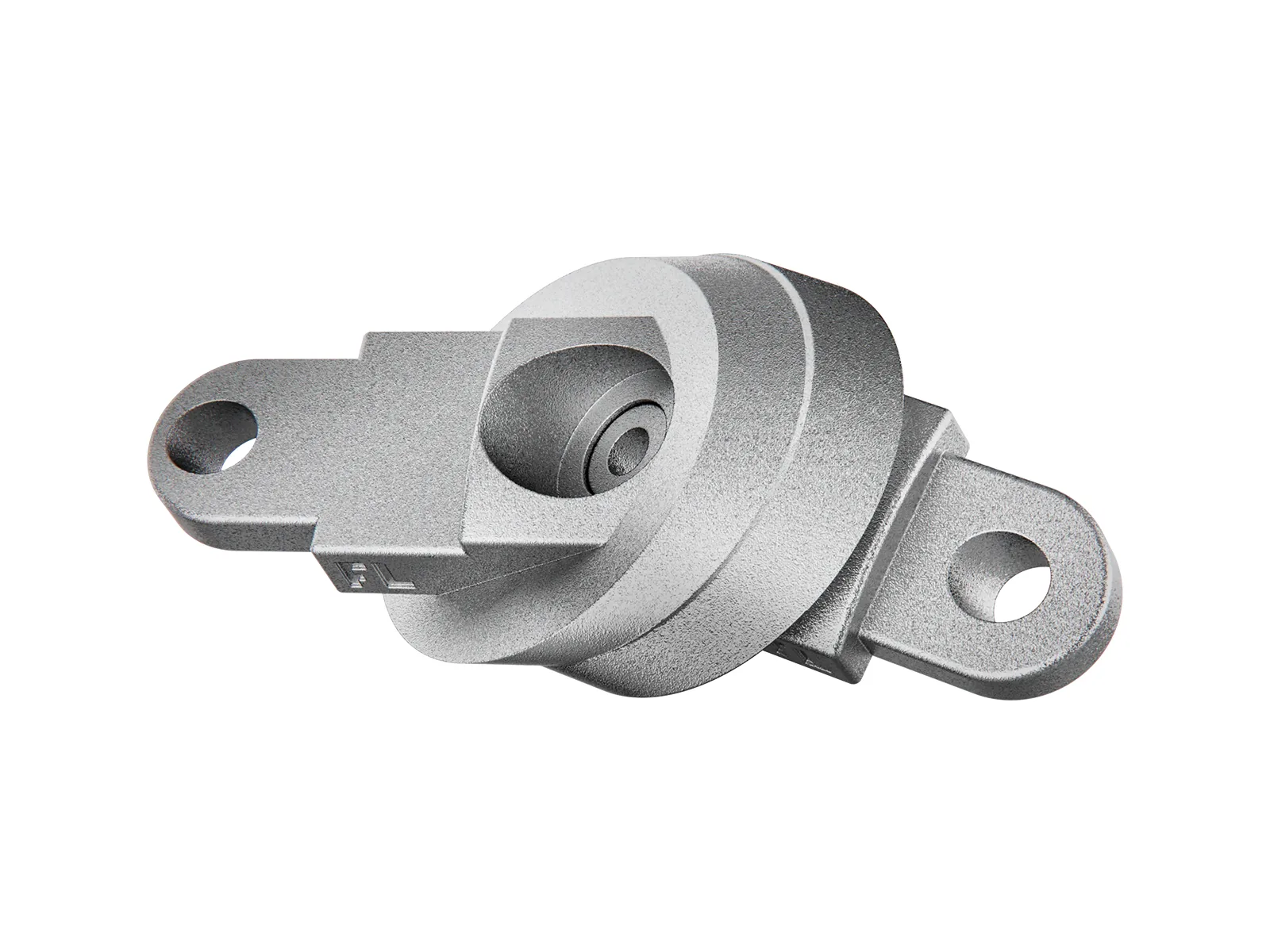
Bens de Consumo
Eyewear hinges, compact buckles and grooming-product mechanisms may be MIM candidates when small features are difficult to machine and production volume supports tooling. For an eyeglass hinge, pivot friction, wear, operating feel and visible finish matter as much as nominal dimensions.
Explore Bens de Consumo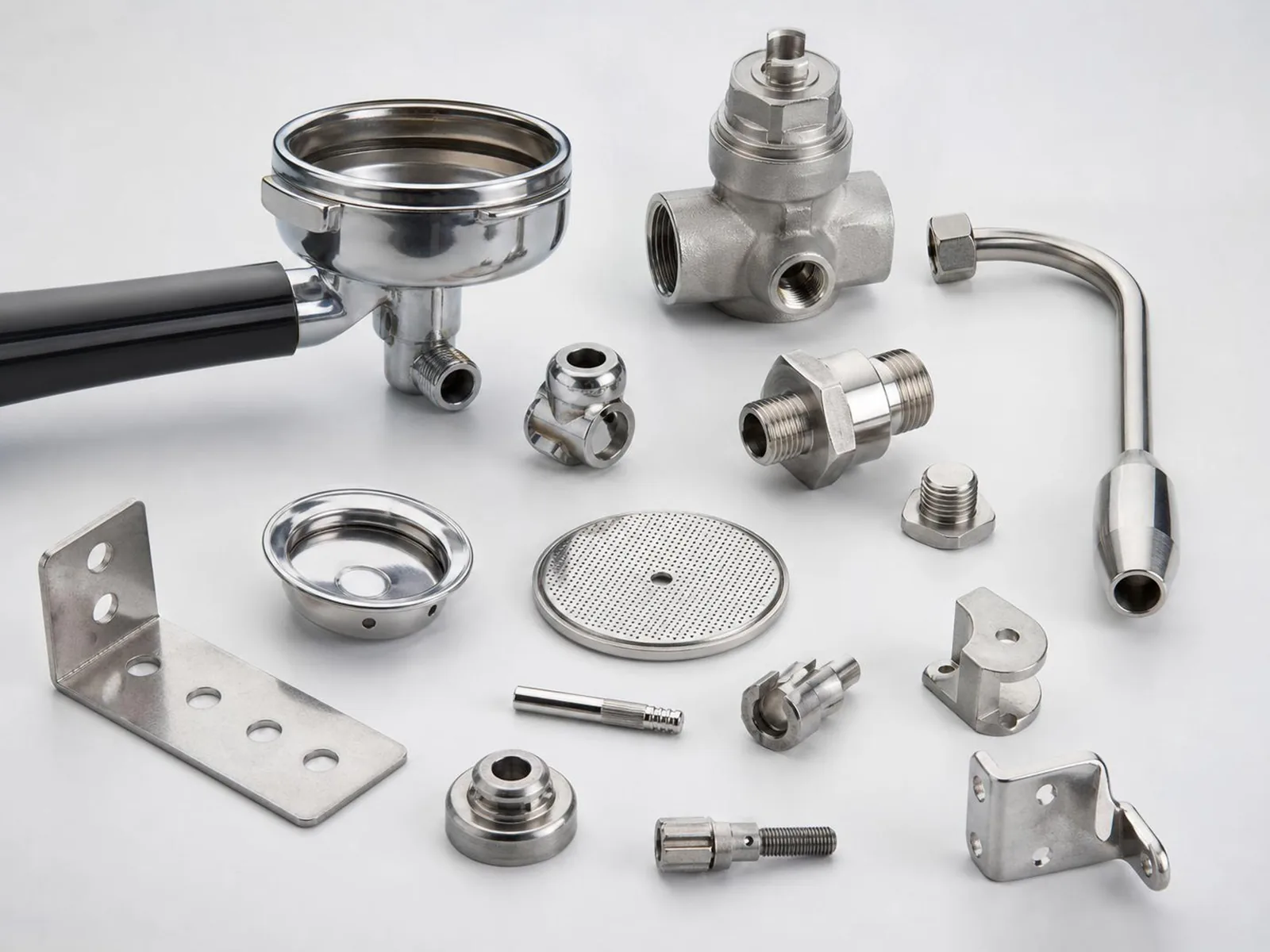
Eletrodomésticos
Coffee-machine mechanisms, latches, switch components and valve fittings can combine several machined features in a small part. MIM is worth evaluating when that geometry repeats at sufficient volume. Heat, moisture, cleaning chemicals, service cycles, assembly fit and target unit cost remain key selection criteria.
Explore Eletrodomésticos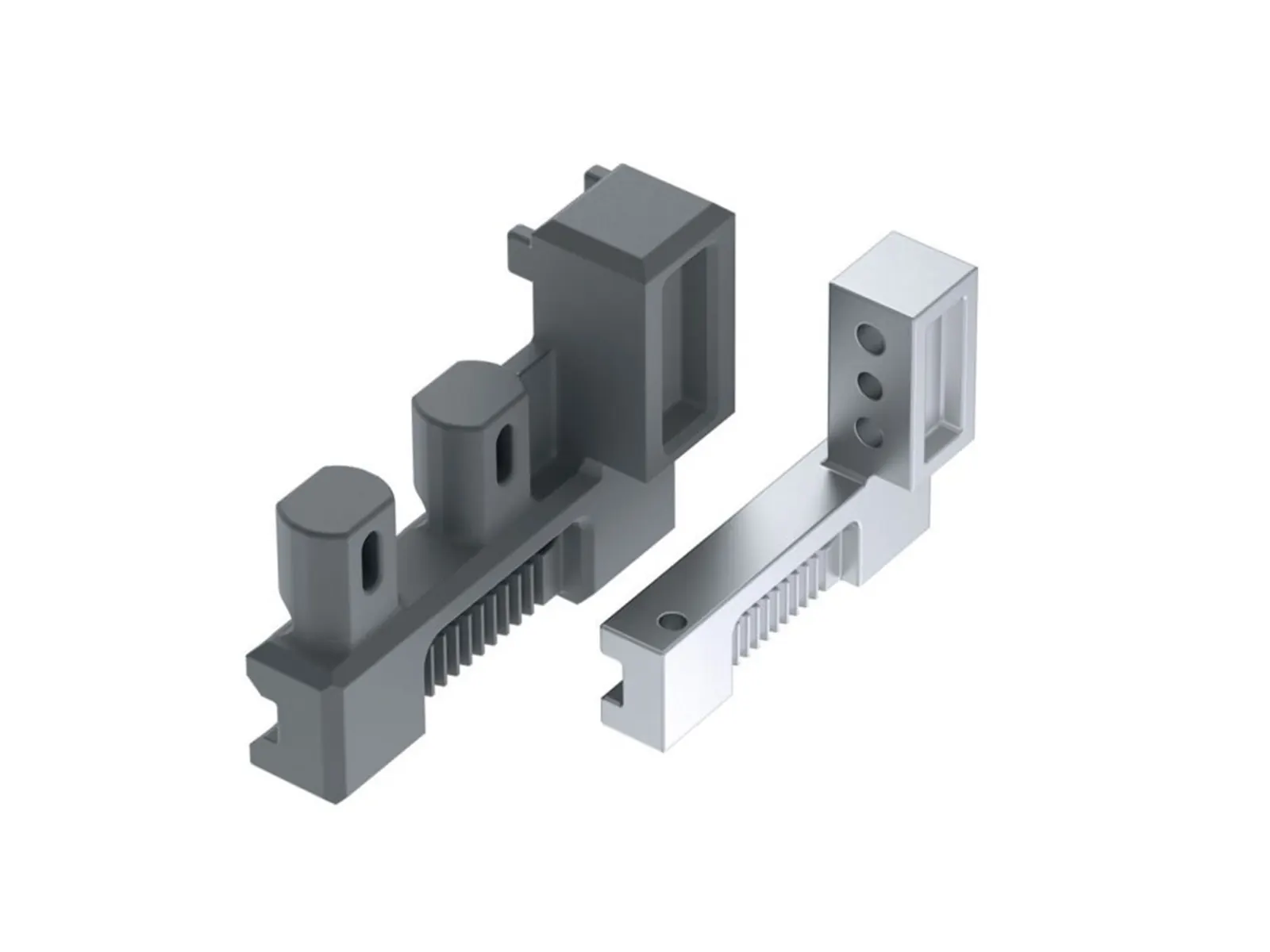
Robótica e Automação
Electric gripper jaws, actuator couplings, positioning pieces and miniature transmission elements may combine locating and motion features in one compact part. Positional repeatability, contact wear and assembly datums guide decisions about post-sintering machining or sizing of mating surfaces.
Explore Robótica e Automação
Ferramentas Industriais
Power-tool gears, gearbox elements and compact clamping parts face torque, impact, fatigue and wear. The tool-steel grade, heat-treatment route, required hardness and surface durability must be confirmed for the application. Loaded fits may still need secondary finishing or machining.
Explore Ferramentas IndustriaisAplicações Típicas de Peças em Moldagem por Injeção de Metal
Typical MIM parts can also be grouped by function: transmitting motion, supporting structures, locking assemblies, protecting electronics, operating precision instruments and carrying magnetic flux. Each group has different critical fits and performance requirements.
Gears & Motion Transmission
Micro gears and molded drive features transmit motion in compact assemblies. Tooth profile, mating fit and wear are critical.
Explore MIM gearsHinges & Structural Support
Hinges, pivots and miniature brackets support or guide movement. Pivot alignment, load paths and assembly tolerances matter.
Explore MIM hingesLocking & Positioning
Shafts, pins, cams and latches locate, lock or index assemblies. Mating dimensions and contact wear govern fit.
Explore shafts & pinsElectronic Connection & Protection
Connector hardware, frames and housings secure electronic assemblies. Critical interfaces and finish may require secondary work.
Explore electronic partsPrecision Instrument Mechanisms
Non-cutting joints, linkages and clamps need repeatable movement and suitable cleanability. Verify alloy condition and critical fits.
Explore instrument partsMagnetic Actuation & Sensing
Solenoid cores and sensor-related components require defined magnetic properties. Alloy choice and sintering condition affect performance.
Explore magnetic partsPor Que Diferentes Indústrias Usam MIM?
MIM is most useful when complex geometry, required alloy properties and repeat production justify tooling. Its potential savings come from molding features that would otherwise need machining or assembly, after accounting for debinding, sintering, finishing and inspection.
Geometria Complexa e Consolidação de Peças
Uma peça contendo estrias, furos angulados, perfis curvos, pequenos dentes ou várias características interativas pode exigir múltiplas configurações de usinagem. A MIM pode formar muitos desses detalhes juntos em um molde, potencialmente reduzindo a remoção de material e o número de peças separadas em uma montagem. Por exemplo, um elemento de travamento compacto com um eixo e recurso de came pode ser mais prático de moldar como um único componente quando o projeto e a quantidade de produção o justificam.
Complex geometry brings a cost benefit only if the part can be molded, debound and sintered reliably. Undercuts may require more complex tooling; fragile thin features and long unsupported sections can increase distortion risk, redesign effort or secondary work.
Desempenho do Material em Peças Metálicas Compactas
Material selection starts with service conditions. Tool components may need hardness and wear resistance, wearable hardware may prioritize corrosion and surface finish, and magnetic components need specified final magnetic properties. Achieved performance depends on alloy composition, sintered condition, heat treatment and finishing.
A grade suitable for watch hardware cannot be assumed to meet the hardness or fatigue requirements of a gearbox component. Confirm the finished-part properties against the actual load, environment and inspection specification.
Produção Repetível e Economia de Ferramental
A MIM requer ferramental e desenvolvimento de processo, portanto, seu caso de custo melhora quando um projeto estável é fabricado em quantidades repetidas. Um componente complexo que é caro de usinar em muitas operações pode se tornar atraente em escala de produção; a mesma peça em um programa de protótipo pequeno e em constante mudança pode permanecer mais adequada para CNC.
Compare the total cost per accepted part: tooling amortization, molding, debinding, sintering yield, critical-dimension machining, surface treatment and inspection. No fixed annual volume makes MIM the lowest-cost process in every case.
Como os Requisitos de MIM Variam Entre as Indústrias?
An eyewear hinge, a watch-band connector and a civilian-drone folding-arm lock all involve compact metal interfaces. Their inspection priorities differ: pivot wear and appearance, connection fit and corrosion, or locking strength and fatigue.
Cargas Mecânicas, Movimento e Desgaste
Em um mecanismo de catraca automotiva, o contato dos dentes, a carga repetitiva e o comportamento de travamento funcional podem orientar as decisões sobre material e inspeção. Em uma garra robótica, o movimento consistente, o ajuste posicional e o desgaste nas faces de contato podem ser mais importantes do que apenas a forma. Engrenagens de ferramentas elétricas ou elementos de acionamento podem exigir dureza específica, resistência ao impacto e uma rota de tratamento térmico. Esses requisitos determinam quais superfícies podem permanecer no estado sinterizado e quais podem exigir usinagem, calibração ou outro trabalho secundário.
Miniaturização, Acabamento Superficial e Ajuste de Montagem
Consumer electronics often impose tight space constraints around camera mechanisms, buttons and internal frames. Wearables add frequent handling, appearance and potentially skin-adjacent exposure. Everyday consumer goods such as eyeglasses place additional emphasis on operating feel, pivot friction and visible finish. Their drawings must distinguish functional datums and tight-fit interfaces from cosmetic inspection zones, even when the components are similar in size.
Ambiente Operacional, Materiais e Validação
Medical device hardware may require defined material condition, cleanability and application-specific verification. Aerospace mechanisms may be exposed to temperature changes or vibration and require a documented qualification route. Electronic packages can depend on thermal expansion, plating, joining and leak-tightness; the housing's shape alone does not prove a hermetic seal. New-energy components may instead be governed by magnetic, thermal or corrosion performance. Required qualification and acceptance tests must be specified before choosing the alloy and manufacturing route.
| Peça e indústria | Condição de uso primário | O que verificar |
|---|---|---|
| Dobradiça de óculos · Bens de Consumo | Abertura repetida, exterior visível, manuseio direto | Desgaste do pivô, sensação de movimento, acabamento superficial e aparência |
| Adaptador de pulseira de relógio · Dispositivos vestíveis | Interface de montagem pequena, manuseio frequente, exposição durante o uso | Ajuste de conexão, resistência à corrosão, condição do revestimento e superfície |
| Trava de braço dobrável · Drones Civis | Vibração, cargas estruturais, travamento e liberação repetidos | Resistência, fadiga, confiabilidade de travamento e estabilidade dimensional |
O MIM é adequado para sua peça?
Encontrar uma peça similar fabricada por MIM pode sugerir uma rota de fabricação possível, mas não estabelece a viabilidade. A decisão depende do desenho real, condições de serviço, dimensões críticas e demanda de produção.
O que verificar antes de escolher MIM
Identify the features that drive function or cost in the current design. Mark the mating dimensions, inspection datums and surface-finish zones that need tighter control; not every dimension needs the same tolerance.
- Geometria e tamanhoQuais furos, perfis, dentes ou funções integradas reduziriam a usinagem ou a montagem? A forma pode ser moldada, manuseada e sinterizada de forma confiável?
- Material e condições de serviçoQual desempenho de resistência, corrosão, desgaste, térmico ou magnético o componente acabado deve entregar, e qual rota de liga pode ser qualificada?
- Dimensões funcionais e acabamentoQuais interfaces são realmente críticas? A retração na sinterização deve ser considerada, e assentos de rolamento, roscas, faces de vedação ou zonas cosméticas podem necessitar de operações secundárias.
- Volume e custo totalO projeto é estável o suficiente para um molde? A quantidade anual esperada suporta os custos de ferramental, processamento, trabalho secundário e inspeção?
A drawing-based review helps separate as-sintered features from those needing redesign or selective machining. The Guia de projeto da Metal Injection Molding Association covers MIM geometry, material selection and tooling economics in greater detail.
Quando Outro Processo de Fabricação Pode Ser Melhor
Usinagem CNC é frequentemente mais flexível para protótipos de baixo volume, designs em constante mudança ou peças com usinagem crítica extensiva. Estampagem pode ser mais econômica para componentes de chapa metálica com formato adequado. Metalurgia do pó convencional pode ser adequada para formas simples prensáveis em volume, enquanto fundição ou fundição sob pressão pode valer a pena comparar para geometrias e materiais apropriados para essas rotas.
A large simple bracket, a low-volume part with a changing design or a component requiring machining on nearly every functional surface may not benefit from MIM. A small wear-critical component may still justify tooling when integrated geometry, alloy performance and repeat volume reduce the total finished-part cost.
For a meaningful process comparison, include tooling, expected yield, secondary machining, surface treatment and inspection cost per accepted part—not just the quoted molding or machining price.
Solicitar Revisão de Viabilidade MIM Baseada em Desenho
To request an MIM feasibility review, send a 2D drawing and 3D CAD file (preferably STEP), together with the material grade, critical dimensions, surface or performance requirements, intended application and estimated annual volume.
XTMIM can evaluate moldable features, debinding and sintering risks, and the fits or surfaces that may require machining or further verification before tooling is quoted.
Para projetos relacionados à defesa ou potencialmente controlados, confirme a elegibilidade do projeto antes de enviar desenhos ou outros dados técnicos.