Where Is Metal Injection Molding Used?
Metal Injection Molding (MIM) is used in medical devices, automotive mechanisms, aerospace equipment, electronics, wearables, robotics, industrial tools and other markets that need selected small, complex metal parts in repeat production.
A surgical-instrument linkage, an EV parking-brake ratchet, a smartwatch band connector and a robotic gripper jaw all require compact metal features and repeatable assembly interfaces. Their loading, wear, material and inspection requirements differ by application.
MIM suitability is assessed at the part level: the geometry must be moldable and sinterable, the alloy must meet service requirements, and critical dimensions and production volume must support the full manufacturing route.
MIM Industries and Typical Metal Components
Across industries, small metal components face different demands for load, wear, temperature, corrosion, critical fit and traceability. These conditions determine the alloy, secondary operations and inspection needed for each application.
Medical Devices
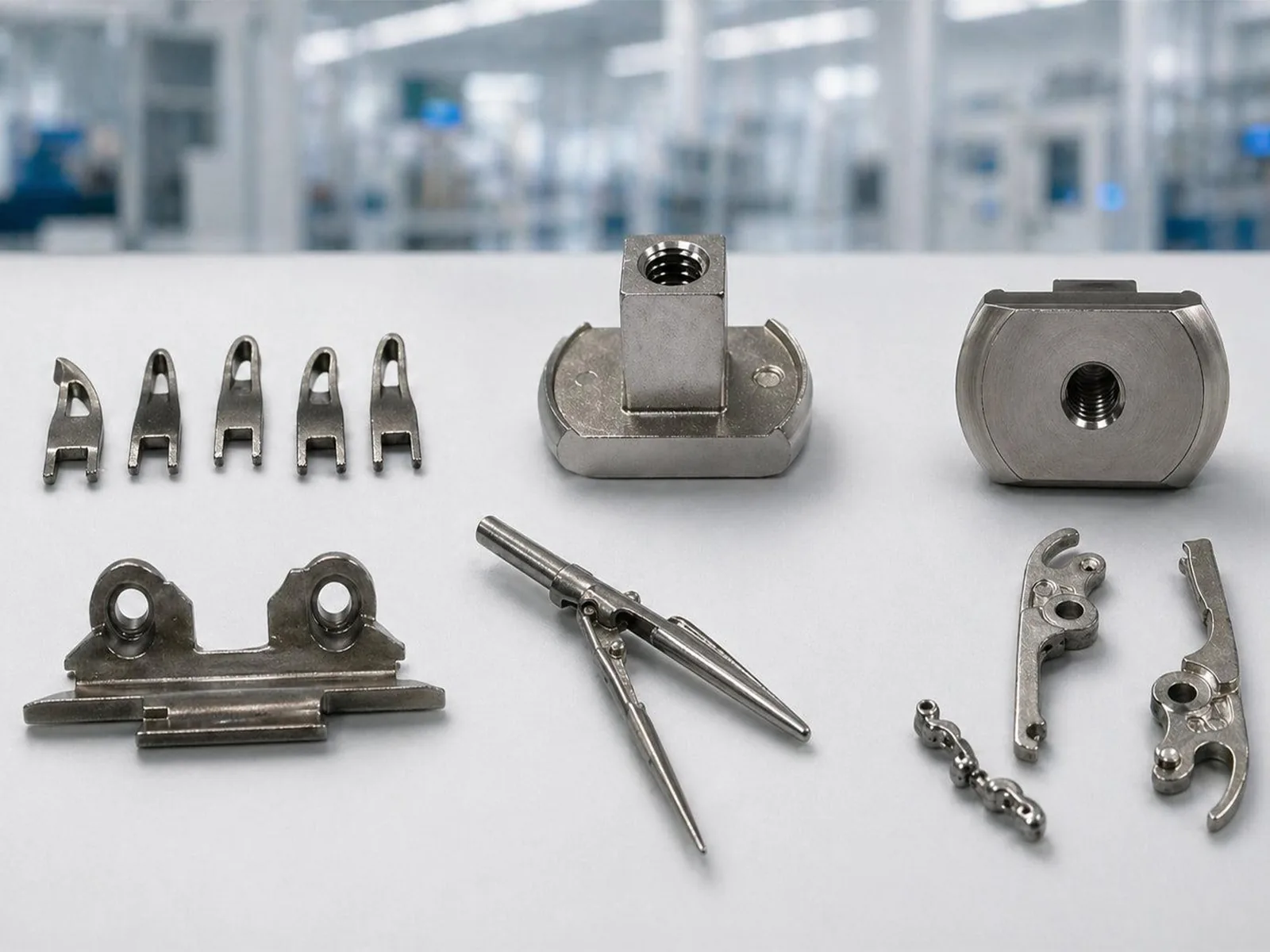
Non-cutting surgical-instrument joints, endoscope linkages and miniature clamps can combine pivots, locating features and gripping interfaces in a compact part. MIM may reduce machining when volume supports tooling. Material condition, cleanability, contact surfaces, critical dimensions and inspection criteria must be specified for the intended device.
Explore Medical Devices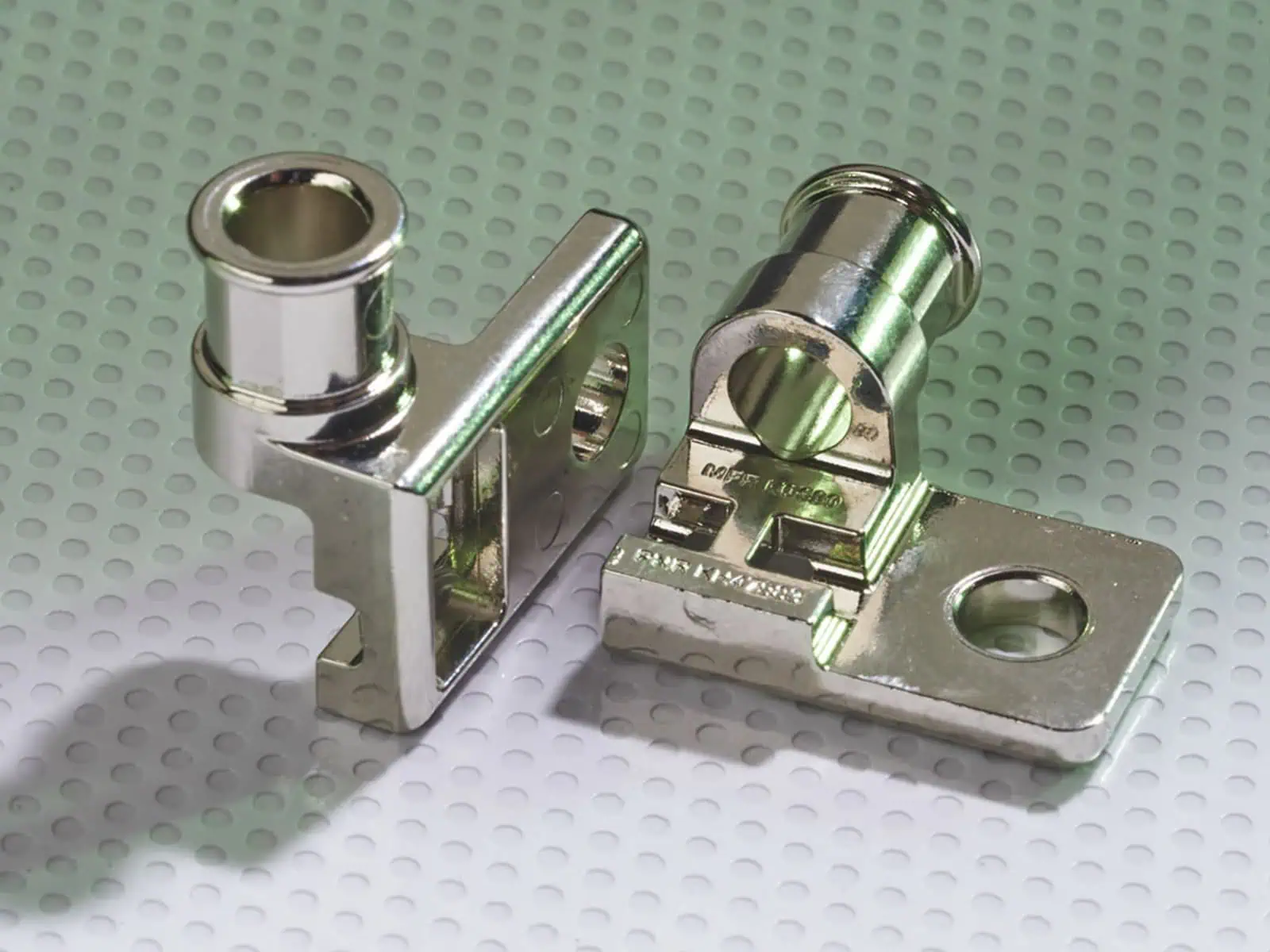
Aerospace
Microswitch-actuation arms in aircraft de-icing controls are examples of compact aerospace mechanisms that may be evaluated for MIM. Other candidates include valve linkages, latches and fittings. Alloy qualification, duty-cycle assessment, traceability and validation must match the part’s risk level.
Explore Aerospace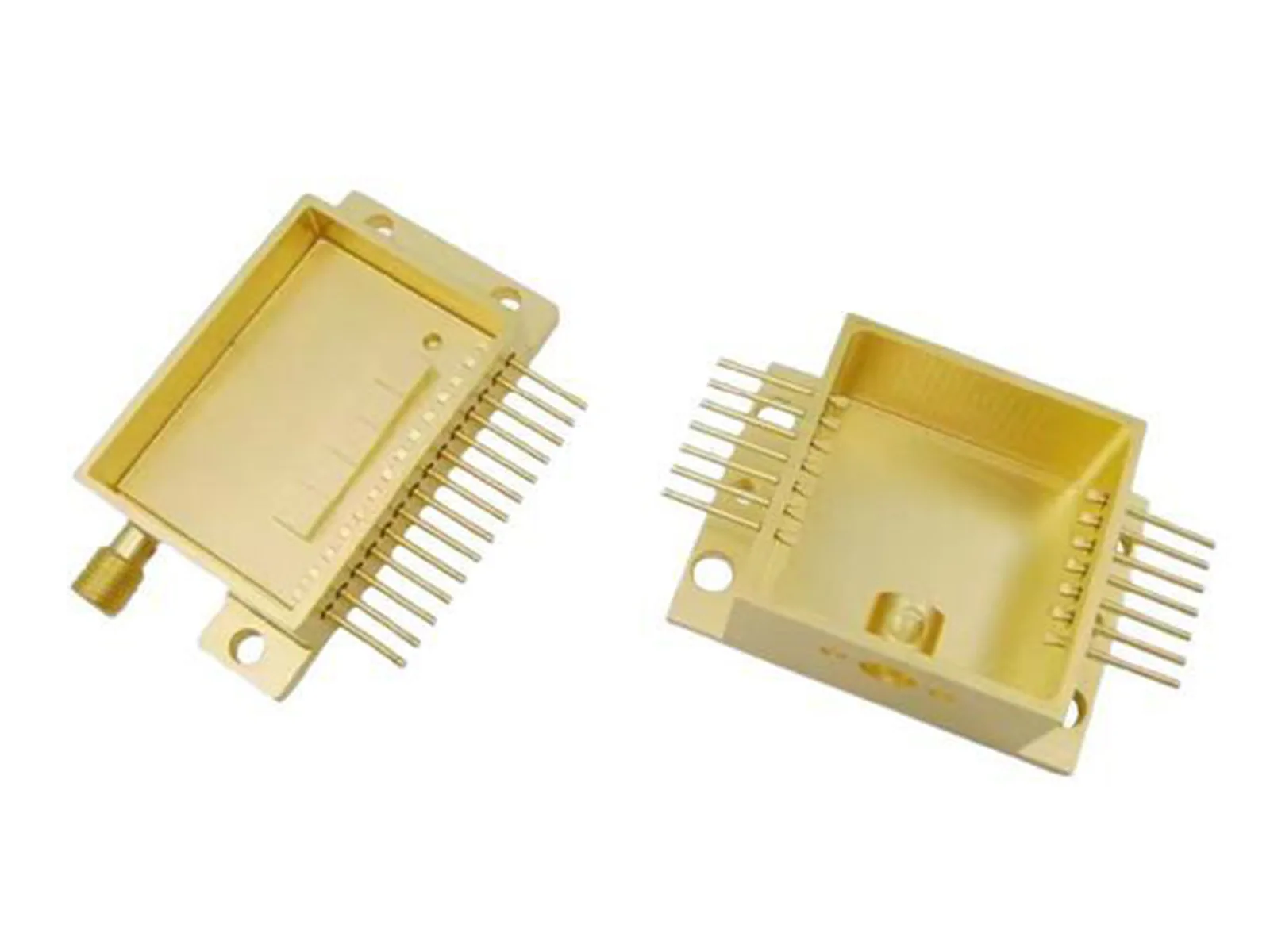
Communications & Defense-Related Equipment
Gold-plated hermetic package housings in communications and optoelectronic assemblies require controlled interfaces for plating, joining and sealing. MIM is an option only if the alloy, geometry and post-processing route can meet those requirements; leak-tightness must still be verified on the finished assembly. Machining, stamping or joining may be preferable for other designs. Defense-related projects require end-use and compliance screening before technical evaluation.
Review Project Requirements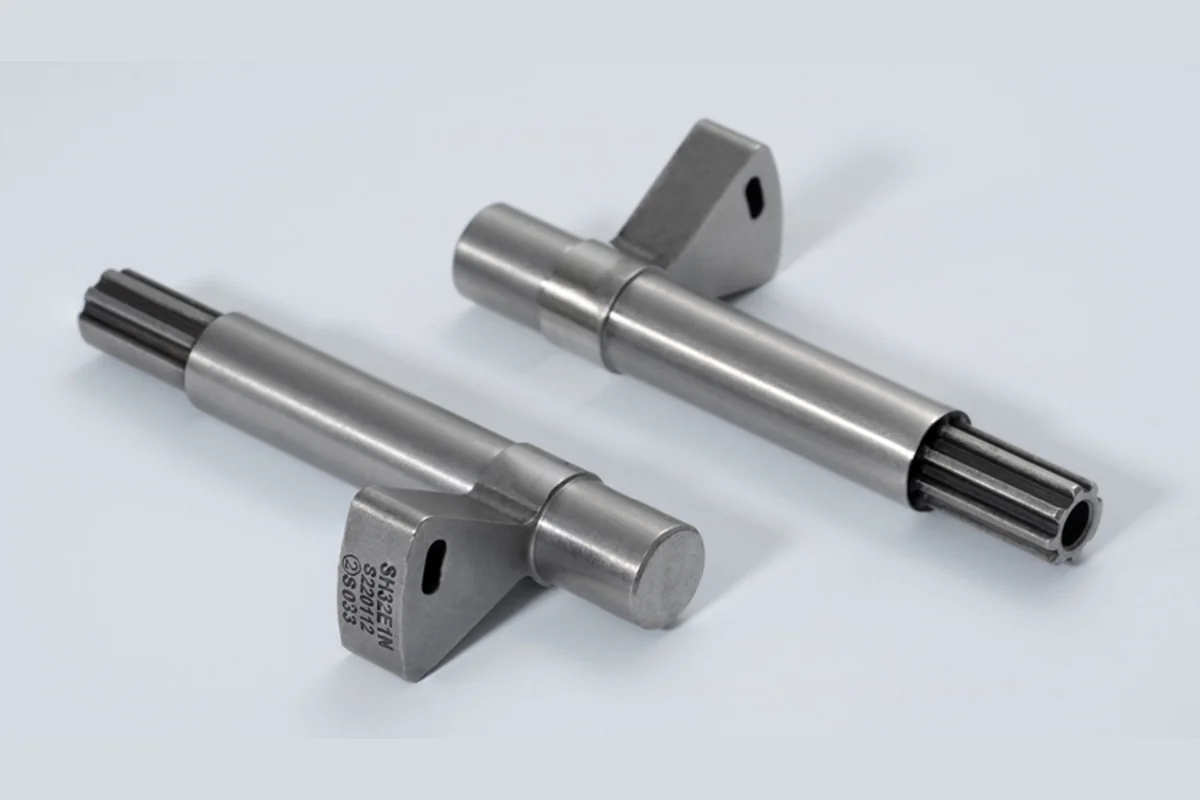
Automotive
EV parking-brake ratchet shafts can combine splines, cam features and a cylindrical body in one compact component. Selected actuator and sensor-mechanism parts may also be MIM candidates at repeat volume. Load paths, contact wear, critical fit dimensions, alloy condition, testing and traceability govern feasibility.
Explore Automotive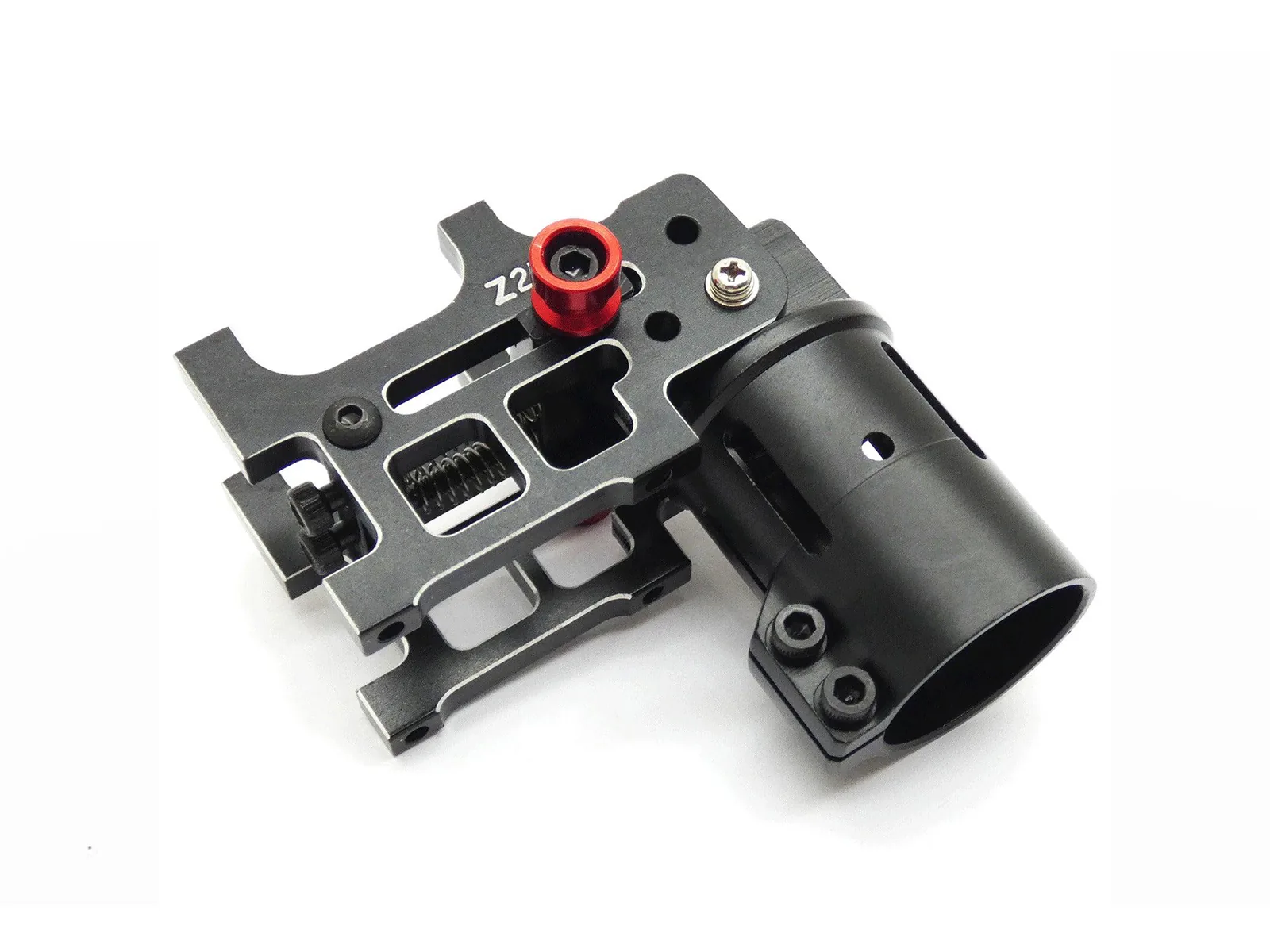
Civilian Drones
Folding-arm hinges and locks in civilian drones must maintain position under vibration and repeated use. MIM may suit pins, links and locking features when molded geometry reduces machining or assembly. Weight, loading, fatigue, tolerances and production demand still need comparison with CNC and other processes.
Explore Civilian Drones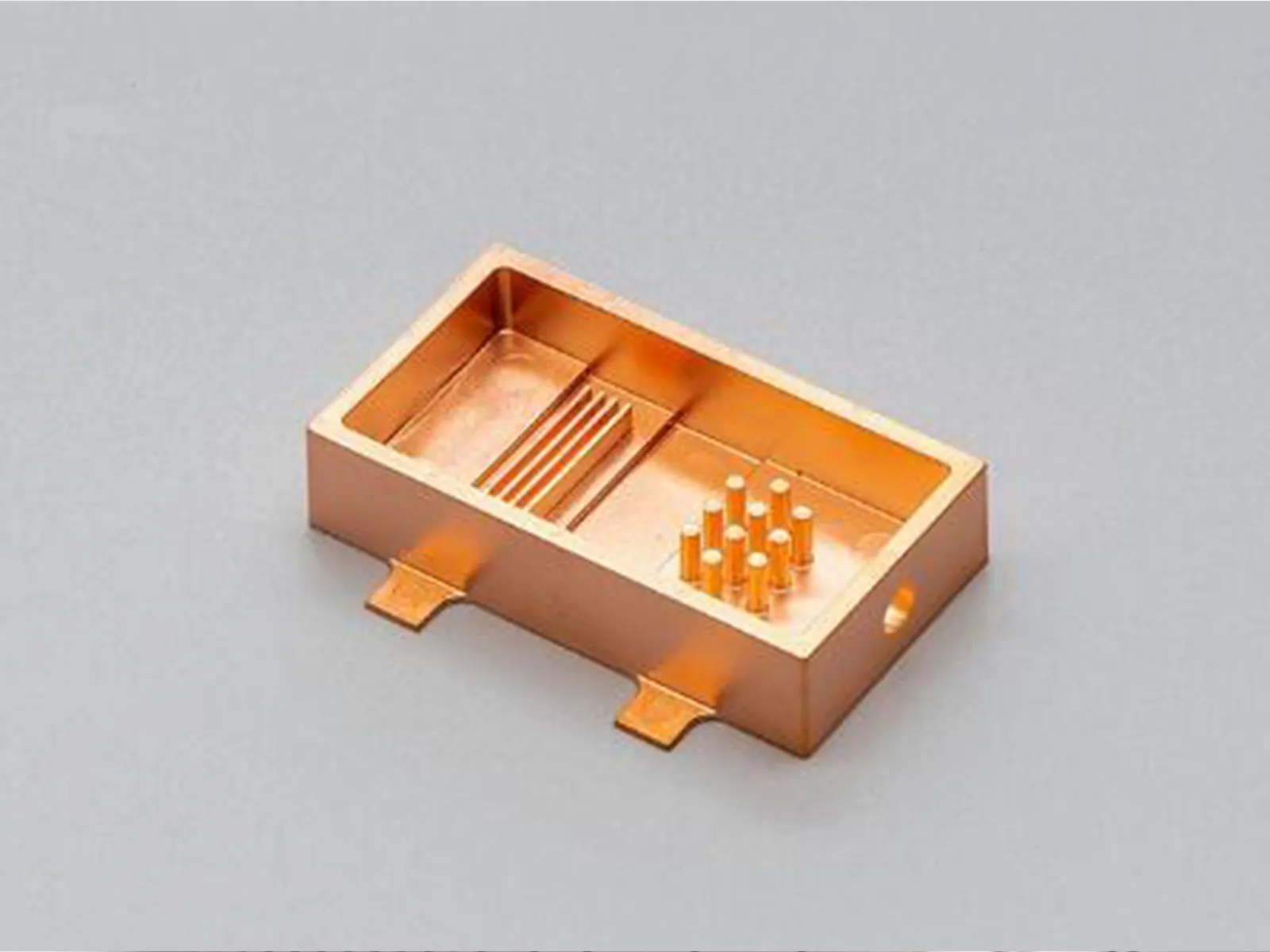
New Energy
Power-electronics equipment can use small sensor housings, connector hardware and soft-magnetic components. Copper cooling structures need separate scrutiny: MIM feasibility depends on copper powder availability, achieved sintered density, thermal performance and production economics. The manufacturing route must be validated against the actual cooling geometry and thermal test requirements.
Explore New Energy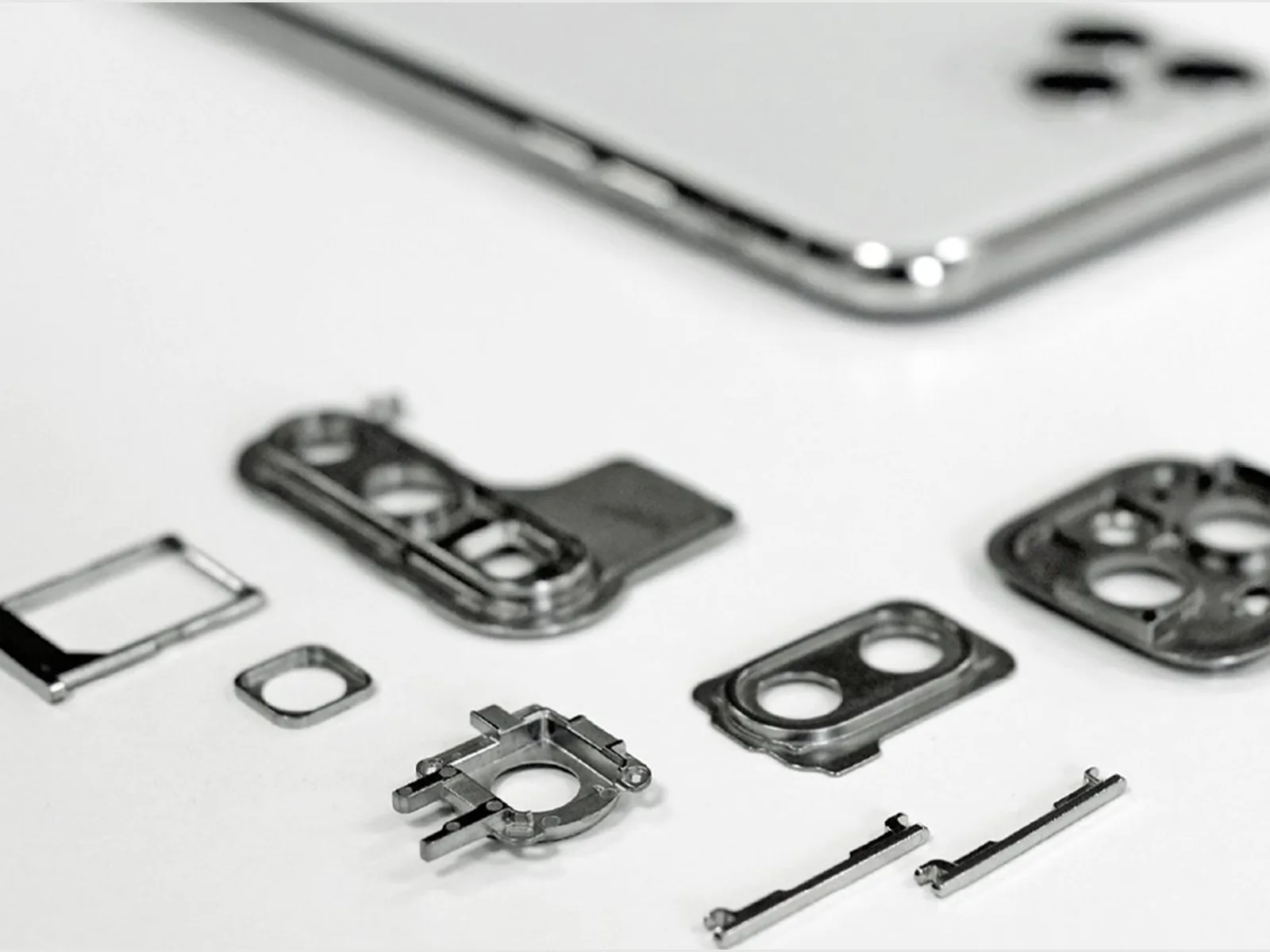
Consumer Electronics
Smartphones and compact devices use trays, camera frames, buttons, hinges and internal brackets. At repeat volume, MIM may integrate small features that would otherwise need multiple machining operations. Thin walls, cosmetic surfaces, assembly fits and selective machining requirements must be weighed against stamping, die casting and CNC.
Explore Consumer Electronics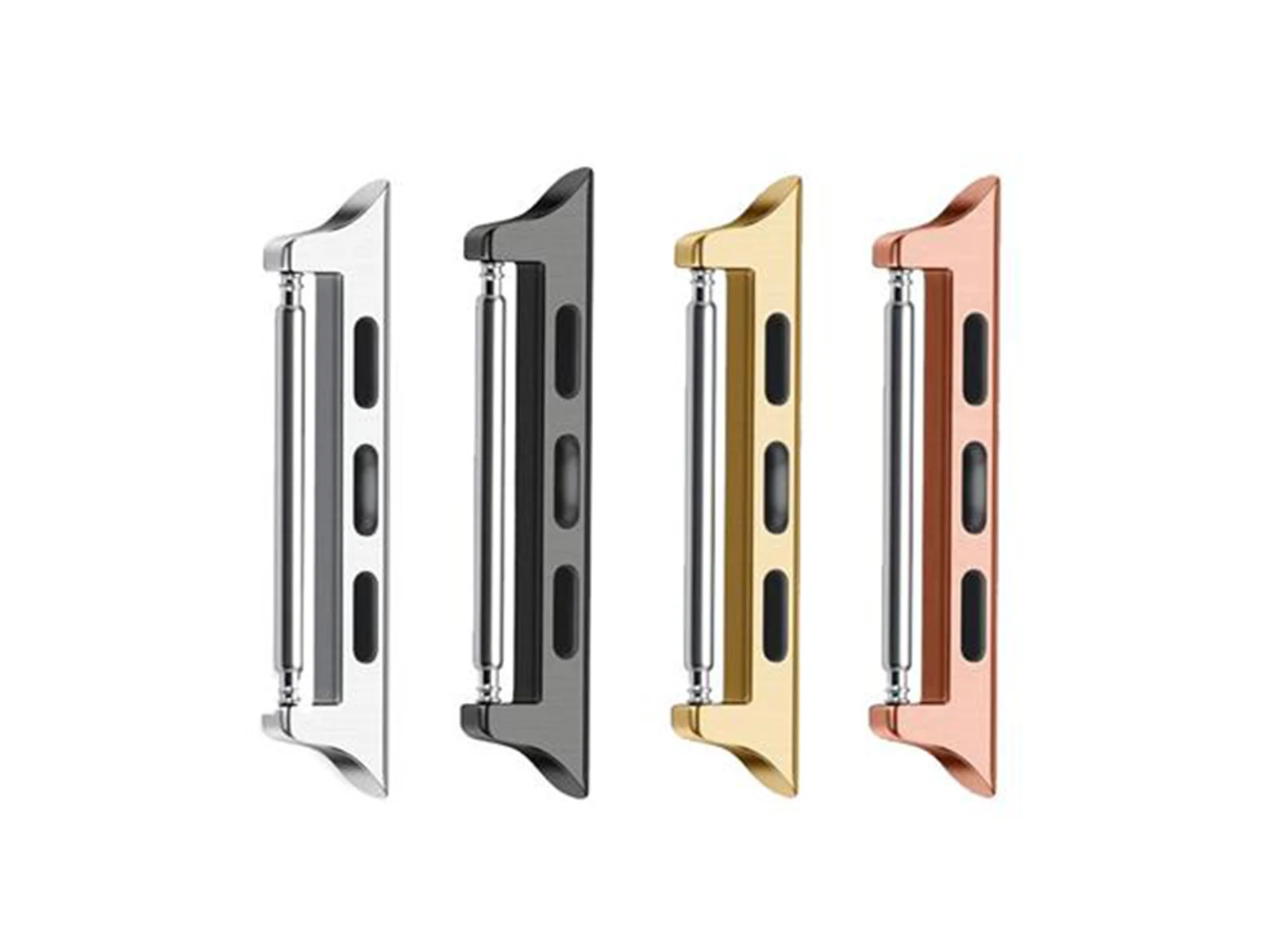
Wearable Devices
Smartwatch band adapters, clasp parts and miniature connectors combine tight packaging, frequent handling and visible surfaces. MIM may integrate retention and alignment features in one component when production volume supports tooling. Specify corrosion requirements, any skin-adjacent contact, polishing or coating targets and assembly tolerances before tool design.
Explore Wearable Devices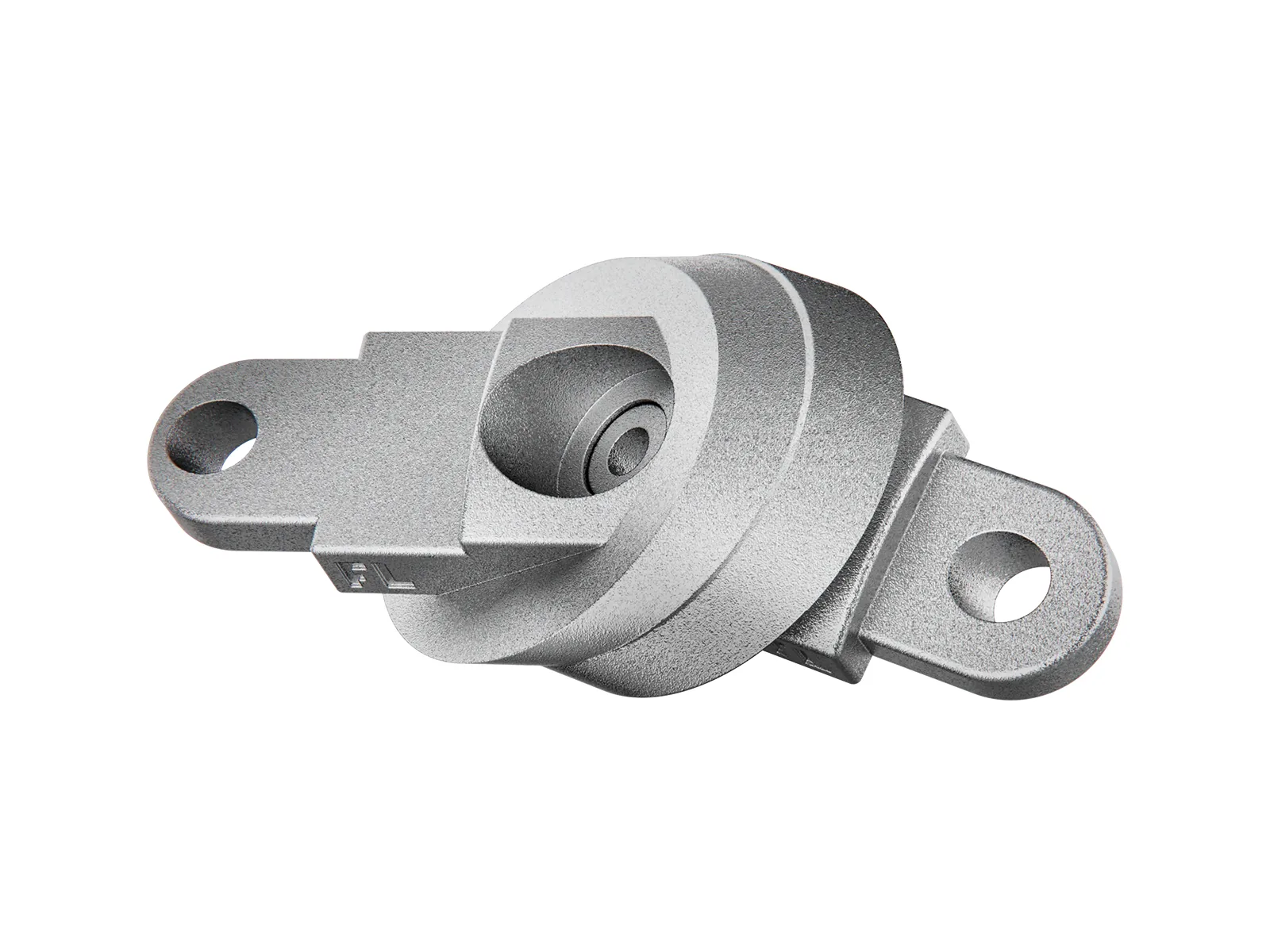
Consumer Goods
Eyewear hinges, compact buckles and grooming-product mechanisms may be MIM candidates when small features are difficult to machine and production volume supports tooling. For an eyeglass hinge, pivot friction, wear, operating feel and visible finish matter as much as nominal dimensions.
Explore Consumer Goods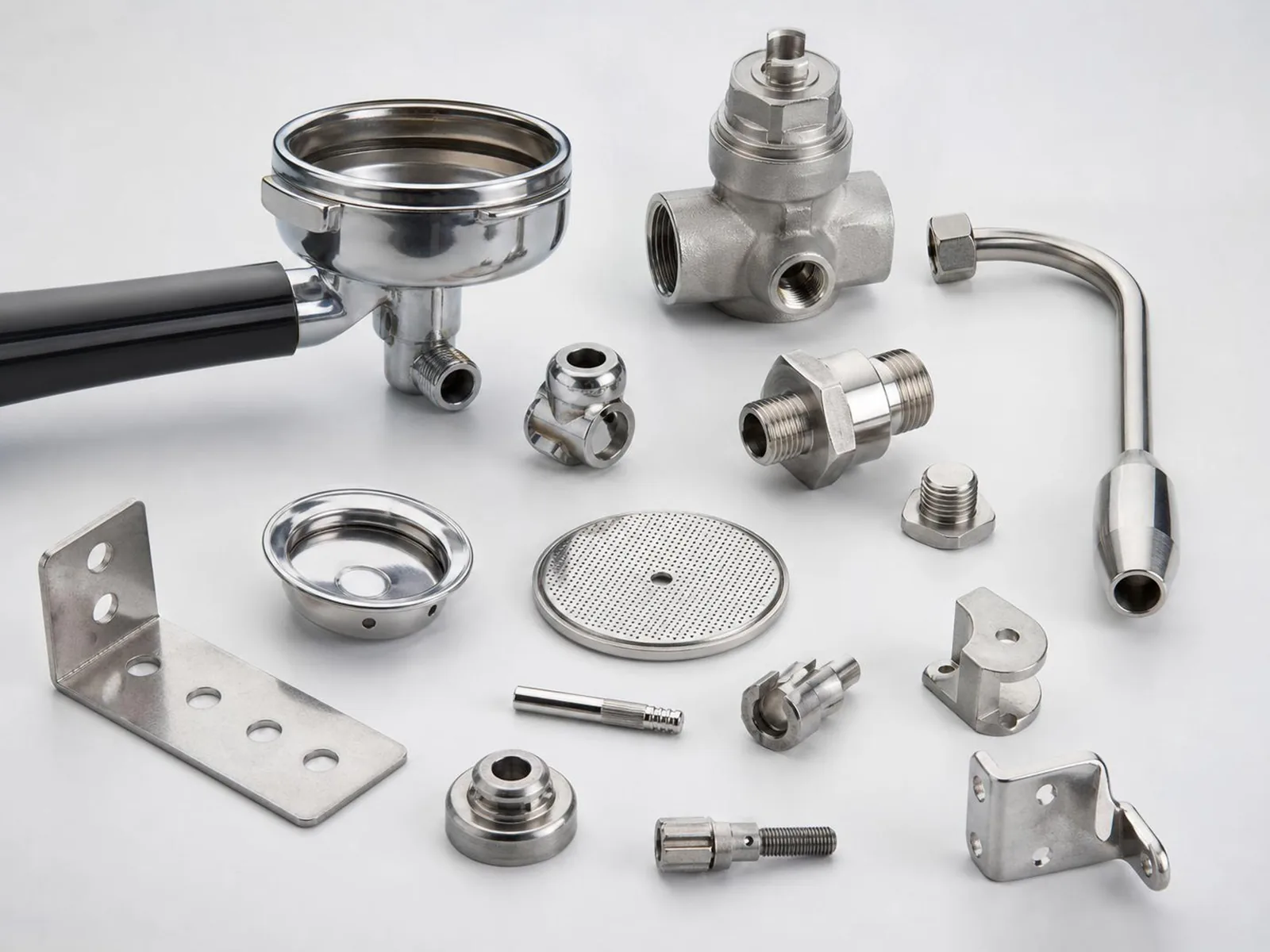
Home Appliances
Coffee-machine mechanisms, latches, switch components and valve fittings can combine several machined features in a small part. MIM is worth evaluating when that geometry repeats at sufficient volume. Heat, moisture, cleaning chemicals, service cycles, assembly fit and target unit cost remain key selection criteria.
Explore Home Appliances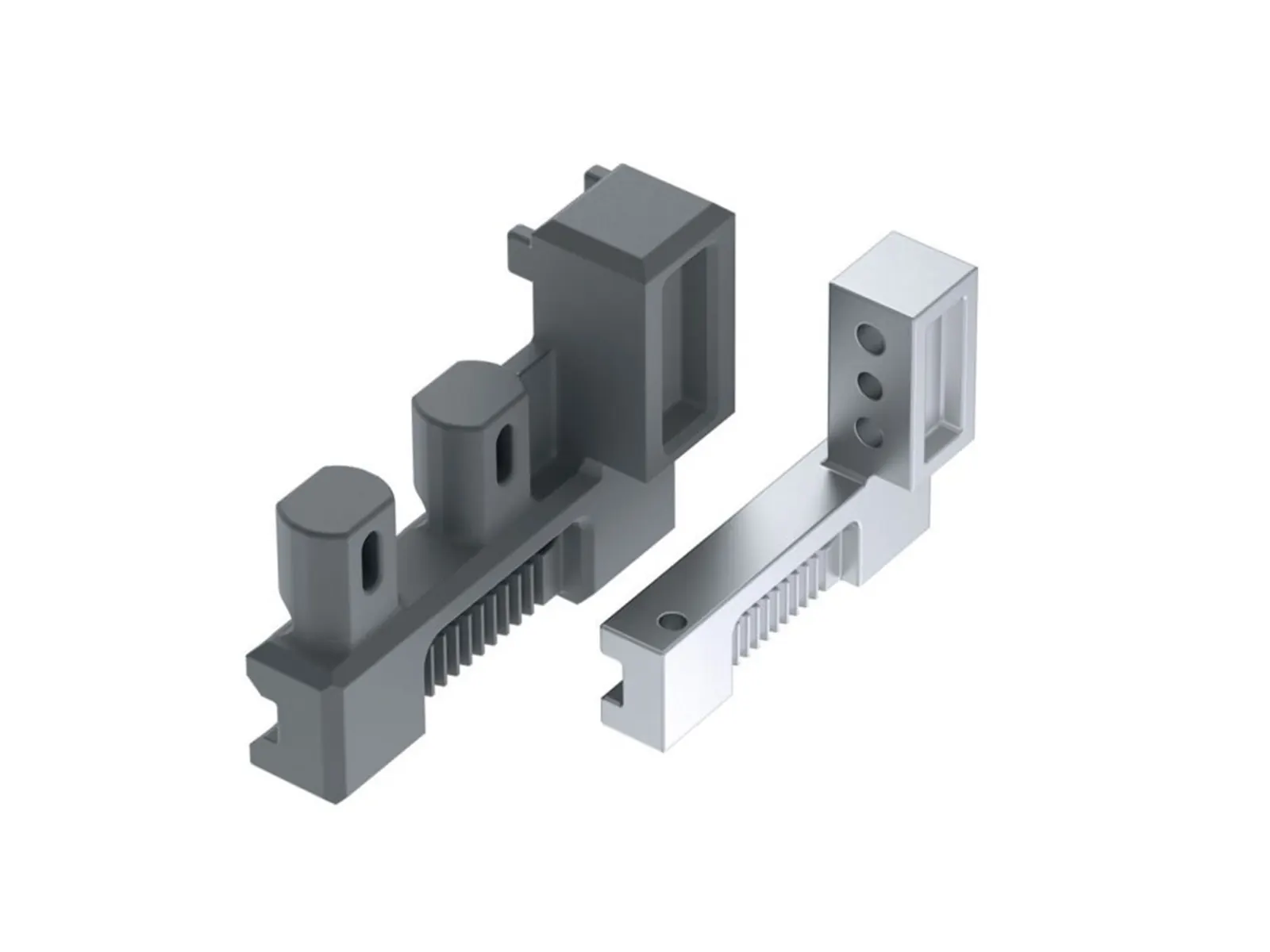
Robotics & Automation
Electric gripper jaws, actuator couplings, positioning pieces and miniature transmission elements may combine locating and motion features in one compact part. Positional repeatability, contact wear and assembly datums guide decisions about post-sintering machining or sizing of mating surfaces.
Explore Robotics & Automation
Industrial Tools
Power-tool gears, gearbox elements and compact clamping parts face torque, impact, fatigue and wear. The tool-steel grade, heat-treatment route, required hardness and surface durability must be confirmed for the application. Loaded fits may still need secondary finishing or machining.
Explore Industrial ToolsTypical Metal Injection Molding Part Applications
Typical MIM parts can also be grouped by function: transmitting motion, supporting structures, locking assemblies, protecting electronics, operating precision instruments and carrying magnetic flux. Each group has different critical fits and performance requirements.
Gears & Motion Transmission
Micro gears and molded drive features transmit motion in compact assemblies. Tooth profile, mating fit and wear are critical.
Explore MIM gearsHinges & Structural Support
Hinges, pivots and miniature brackets support or guide movement. Pivot alignment, load paths and assembly tolerances matter.
Explore MIM hingesLocking & Positioning
Shafts, pins, cams and latches locate, lock or index assemblies. Mating dimensions and contact wear govern fit.
Explore shafts & pinsElectronic Connection & Protection
Connector hardware, frames and housings secure electronic assemblies. Critical interfaces and finish may require secondary work.
Explore electronic partsPrecision Instrument Mechanisms
Non-cutting joints, linkages and clamps need repeatable movement and suitable cleanability. Verify alloy condition and critical fits.
Explore instrument partsMagnetic Actuation & Sensing
Solenoid cores and sensor-related components require defined magnetic properties. Alloy choice and sintering condition affect performance.
Explore magnetic partsWhy Do Different Industries Use MIM?
MIM is most useful when complex geometry, required alloy properties and repeat production justify tooling. Its potential savings come from molding features that would otherwise need machining or assembly, after accounting for debinding, sintering, finishing and inspection.
Complex Geometry and Part Consolidation
A part containing splines, angled holes, curved profiles, small teeth or several interacting features can require multiple machining setups. MIM can form many of these details together in a mold, potentially reducing material removal and the number of separate parts in an assembly. For example, a compact locking element with a shaft and cam feature may be more practical to mold as one component when the design and production quantity justify it.
Complex geometry brings a cost benefit only if the part can be molded, debound and sintered reliably. Undercuts may require more complex tooling; fragile thin features and long unsupported sections can increase distortion risk, redesign effort or secondary work.
Material Performance in Compact Metal Parts
Material selection starts with service conditions. Tool components may need hardness and wear resistance, wearable hardware may prioritize corrosion and surface finish, and magnetic components need specified final magnetic properties. Achieved performance depends on alloy composition, sintered condition, heat treatment and finishing.
A grade suitable for watch hardware cannot be assumed to meet the hardness or fatigue requirements of a gearbox component. Confirm the finished-part properties against the actual load, environment and inspection specification.
Repeatable Production and Tooling Economics
MIM requires tooling and process development, so its cost case improves when a stable design is manufactured in repeat quantities. A complex component that is expensive to machine in many operations may become attractive at production scale; the same part in a small, changing prototype program may remain better suited to CNC.
Compare the total cost per accepted part: tooling amortization, molding, debinding, sintering yield, critical-dimension machining, surface treatment and inspection. No fixed annual volume makes MIM the lowest-cost process in every case.
How Do MIM Requirements Differ Across Industries?
An eyewear hinge, a watch-band connector and a civilian-drone folding-arm lock all involve compact metal interfaces. Their inspection priorities differ: pivot wear and appearance, connection fit and corrosion, or locking strength and fatigue.
Mechanical Loads, Motion, and Wear
In an automotive ratchet mechanism, tooth contact, repetitive loading and functional locking behavior may drive material and inspection decisions. In a robotic gripper, consistent motion, positional fit and wear at contact faces can be more important than the shape alone. Power-tool gears or drive elements may need a particular hardness, impact resistance and heat-treatment route. These requirements determine which surfaces can remain as-sintered and which may need machining, sizing or other secondary work.
Miniaturization, Surface Finish, and Assembly Fit
Consumer electronics often impose tight space constraints around camera mechanisms, buttons and internal frames. Wearables add frequent handling, appearance and potentially skin-adjacent exposure. Everyday consumer goods such as eyeglasses place additional emphasis on operating feel, pivot friction and visible finish. Their drawings must distinguish functional datums and tight-fit interfaces from cosmetic inspection zones, even when the components are similar in size.
Operating Environment, Materials, and Validation
Medical device hardware may require defined material condition, cleanability and application-specific verification. Aerospace mechanisms may be exposed to temperature changes or vibration and require a documented qualification route. Electronic packages can depend on thermal expansion, plating, joining and leak-tightness; the housing's shape alone does not prove a hermetic seal. New-energy components may instead be governed by magnetic, thermal or corrosion performance. Required qualification and acceptance tests must be specified before choosing the alloy and manufacturing route.
| Part and industry | Primary use condition | What to verify |
|---|---|---|
| Eyewear hinge · Consumer Goods | Repeated opening, visible exterior, direct handling | Pivot wear, movement feel, surface finish and appearance |
| Watch band adapter · Wearables | Small assembly interface, frequent handling, exposure during wear | Connection fit, corrosion resistance, coating and surface condition |
| Folding-arm lock · Civilian Drones | Vibration, structural loads, repeated locking and release | Strength, fatigue, locking reliability and dimensional stability |
Is MIM Suitable for Your Part?
Finding a similar part made by MIM can suggest a possible manufacturing route, but it does not establish feasibility. The decision depends on the actual drawing, service conditions, critical dimensions and production demand.
What to Check Before Choosing MIM
Identify the features that drive function or cost in the current design. Mark the mating dimensions, inspection datums and surface-finish zones that need tighter control; not every dimension needs the same tolerance.
- Geometry and sizeWhich holes, profiles, teeth or integrated functions would reduce machining or assembly? Can the shape be molded, handled and sintered reliably?
- Material and service conditionsWhat strength, corrosion, wear, thermal or magnetic performance must the finished component deliver, and which alloy route can be qualified?
- Functional dimensions and finishWhich interfaces are truly critical? Sintering shrinkage must be accounted for, and bearing seats, threads, sealing faces or cosmetic zones may need secondary operations.
- Volume and total costIs the design stable enough for a mold? Does the expected annual quantity support tooling, processing, secondary work and inspection costs?
A drawing-based review helps separate as-sintered features from those needing redesign or selective machining. The Metal Injection Molding Association's design guidance covers MIM geometry, material selection and tooling economics in greater detail.
When Another Manufacturing Process May Be Better
CNC machining is often more flexible for low-volume prototypes, frequently changing designs or parts with extensive critical machining. Stamping can be more economical for suitably shaped sheet-metal components. Conventional powder metallurgy may suit simpler pressable shapes at volume, while casting or die casting can be worth comparing for geometries and materials appropriate to those routes.
A large simple bracket, a low-volume part with a changing design or a component requiring machining on nearly every functional surface may not benefit from MIM. A small wear-critical component may still justify tooling when integrated geometry, alloy performance and repeat volume reduce the total finished-part cost.
For a meaningful process comparison, include tooling, expected yield, secondary machining, surface treatment and inspection cost per accepted part—not just the quoted molding or machining price.
Request a Drawing-Based MIM Feasibility Review
To request an MIM feasibility review, send a 2D drawing and 3D CAD file (preferably STEP), together with the material grade, critical dimensions, surface or performance requirements, intended application and estimated annual volume.
XTMIM can evaluate moldable features, debinding and sintering risks, and the fits or surfaces that may require machining or further verification before tooling is quoted.
For defense-related or potentially controlled projects, confirm project eligibility before sending drawings or other technical data.