Get a Quote

Fill the form below to receive a personalized consultancy by our expert team.

Metal Injection Molding Manufacturing & Engineering Support

XT MIM supports custom metal injection molding projects from DFM review and tooling
to injection molding, debinding, sintering, secondary operations, inspection and export
delivery for complex precision metal parts.

A metal injection molding partner measured by process capability, not slogans.

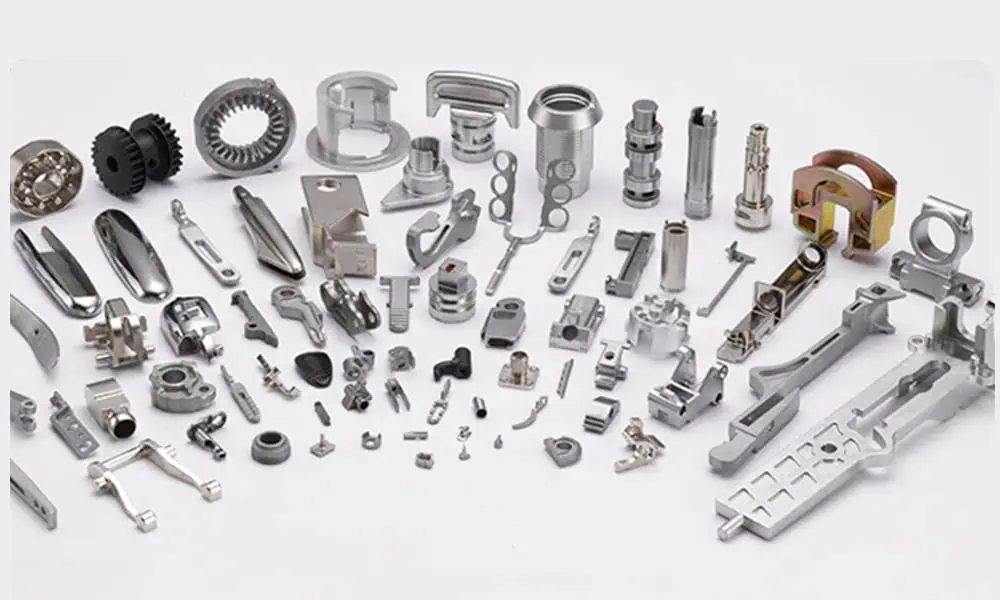
XT MIM focuses on custom metal injection molding for small, complex and high-precision metal parts. We support customers through DFM review, tooling evaluation, material selection, injection molding, debinding, sintering, secondary operations and inspection.

Instead of relying on broad claims, XT MIM presents practical information buyers can use during sourcing and project evaluation, including process workflow, engineering support, material options, inspection approach and typical application fields for MIM components.

Company Focus Custom metal injection molding for complex precision metal parts and long-term OEM/ODM manufacturing support.
Core Process DFM review, mold and tooling evaluation, feedstock selection, injection molding, debinding, sintering and secondary processing.
Engineering Support Drawing review, manufacturability analysis, tolerance evaluation, material recommendation and process route discussion before production.
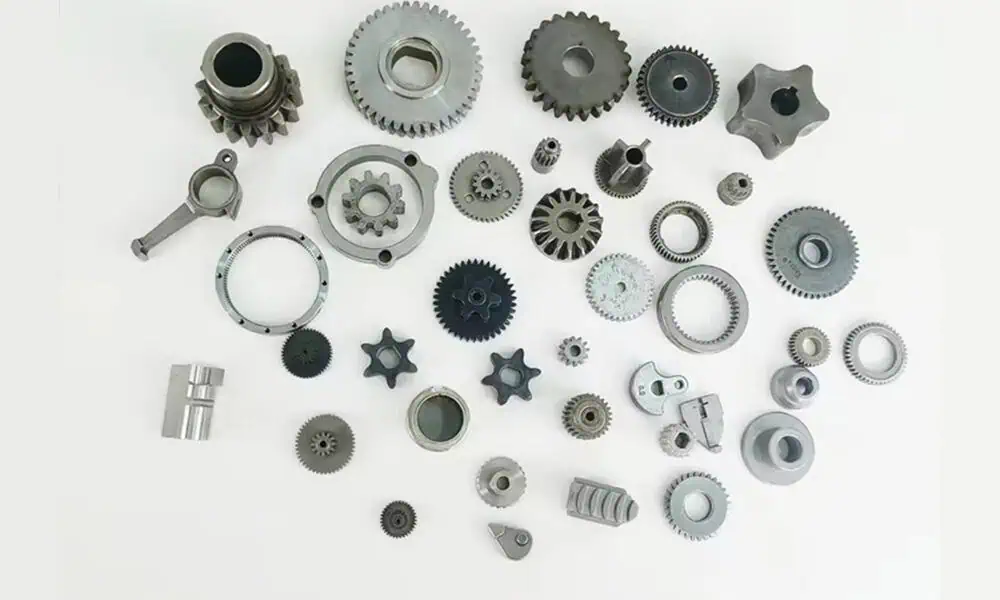
Materials Capability Stainless steel, low alloy steel, soft magnetic materials, titanium alloys and other MIM-suitable materials depending on project requirements.
Application Fields Consumer electronics, automotive, medical devices, industrial equipment, locks and hardware, tools, communication devices and precision mechanical assemblies.
Company Profile

A practical MIM partner for small, complex and high-volume metal components

XT MIM focuses on custom metal injection molding for parts that require complex geometry, repeatable dimensions, material performance and scalable production. Typical project inputs include 2D drawings, 3D models, material requirements, annual volume, tolerance expectations, surface requirements and application environment.

Our role is to help buyers evaluate whether MIM is suitable before investing in tooling. The team reviews geometry, wall thickness, holes, undercuts, sintering distortion risk, tolerance level, material options, secondary operation needs and expected production volume.

MIM Design Review Mold & Tooling Feedstock Selection Debinding & Sintering Secondary Operations Inspection Support
Company Focus Custom metal injection molding for complex precision metal parts and long-term OEM/ODM manufacturing support.
Core Process DFM review, mold and tooling evaluation, feedstock selection, injection molding, debinding, sintering and secondary processing.
Engineering Support Drawing review, manufacturability analysis, tolerance evaluation, material recommendation and process route discussion before production.
Materials Capability Stainless steel, low alloy steel, soft magnetic materials, titanium alloys and other MIM-suitable materials depending on project requirements.
Application Fields Consumer electronics, automotive, medical devices, industrial equipment, locks and hardware, tools, communication devices and precision mechanical assemblies.

Show verifiable factory information instead of generic claims

Legal Entity Add the registered company name, address and business license information.
Factory Photos Use real photos of tooling, injection molding, debinding, sintering and inspection areas.
Equipment List Add actual machine names, quantities, functions and inspection capability.
Certificates Publish certificate name, number, issuing body, scope and validity period.
Manufacturing Facility

MIM production capability from tooling review to sintered metal parts

MIM manufacturing quality depends on more than one machine. A reliable project needs controlled tooling design, stable feedstock, injection molding process control, debinding stability, sintering shrinkage management, secondary operations and inspection records.

01

Mold & Tooling Review

Gate position, parting line, ejector marks, draft angle, wall thickness and sintering support are reviewed before tooling investment.

02

Injection Molding Control

Injection parameters, feedstock flow, green part handling and dimensional consistency are controlled for repeatable batch production.

03

Debinding & Sintering

Debinding and sintering are managed to reduce cracking, deformation, contamination and inconsistent shrinkage.

04

Secondary Operations

CNC machining, tapping, polishing, heat treatment, surface treatment or assembly can be evaluated according to part requirements.

05

Inspection & Traceability

Dimensional inspection, material verification and production records help buyers confirm whether parts meet drawing and application requirements.

06

Export Packaging

Packaging, labeling and shipment documents can be prepared according to buyer requirements and international delivery needs.

Factory Tour

Use real factory photos to make the About page trustworthy

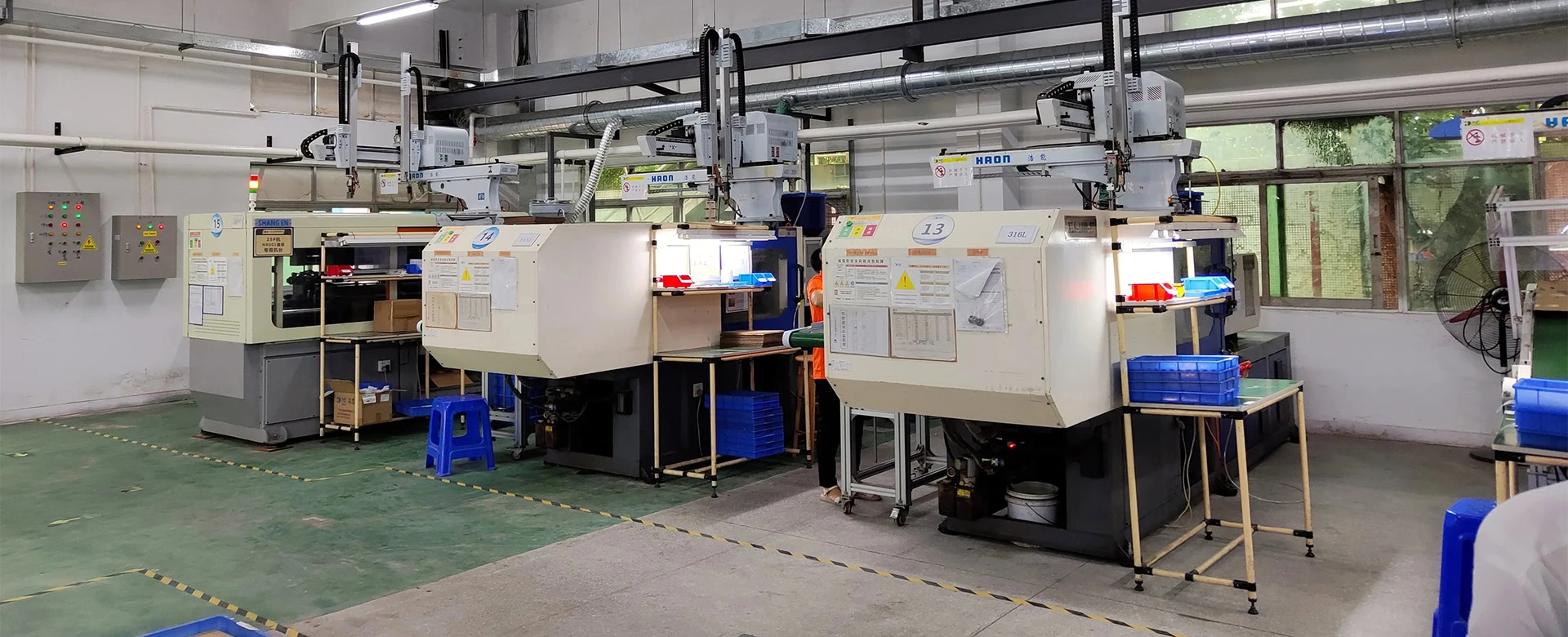
For MIM buyers, factory photos should not be decorative. They should show the actual process flow, equipment environment, operator workflow, inspection area and packaging area.

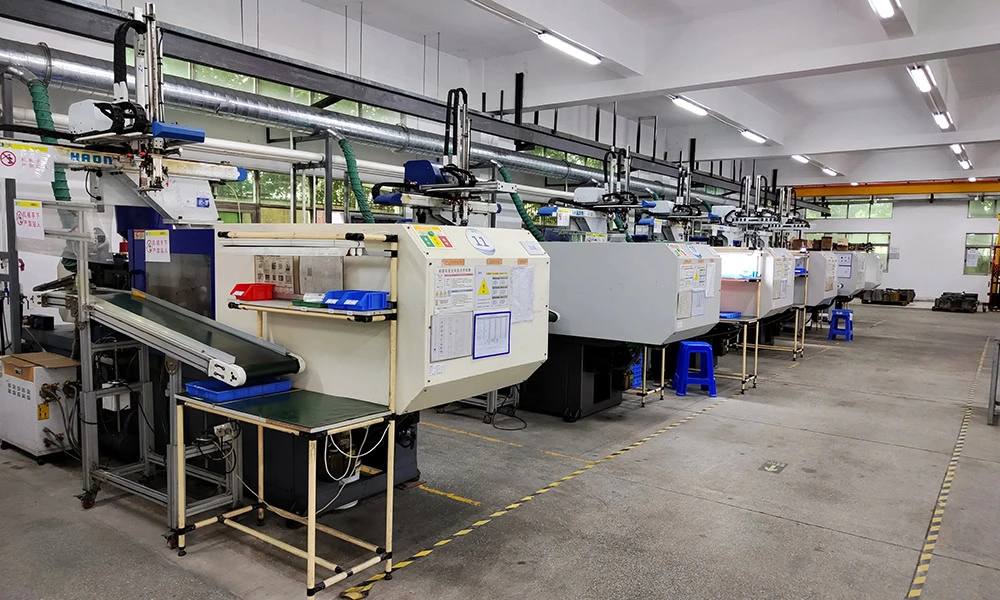
Replace with real injection molding workshop photo
Injection Molding Workshop
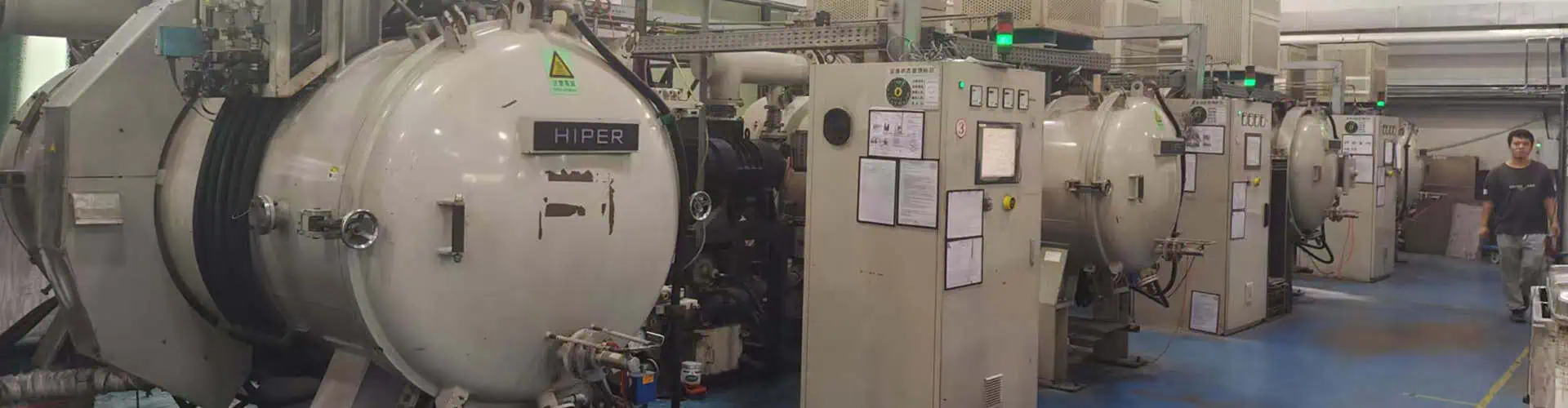
Replace with real debinding / sintering furnace photo
Debinding & Sintering
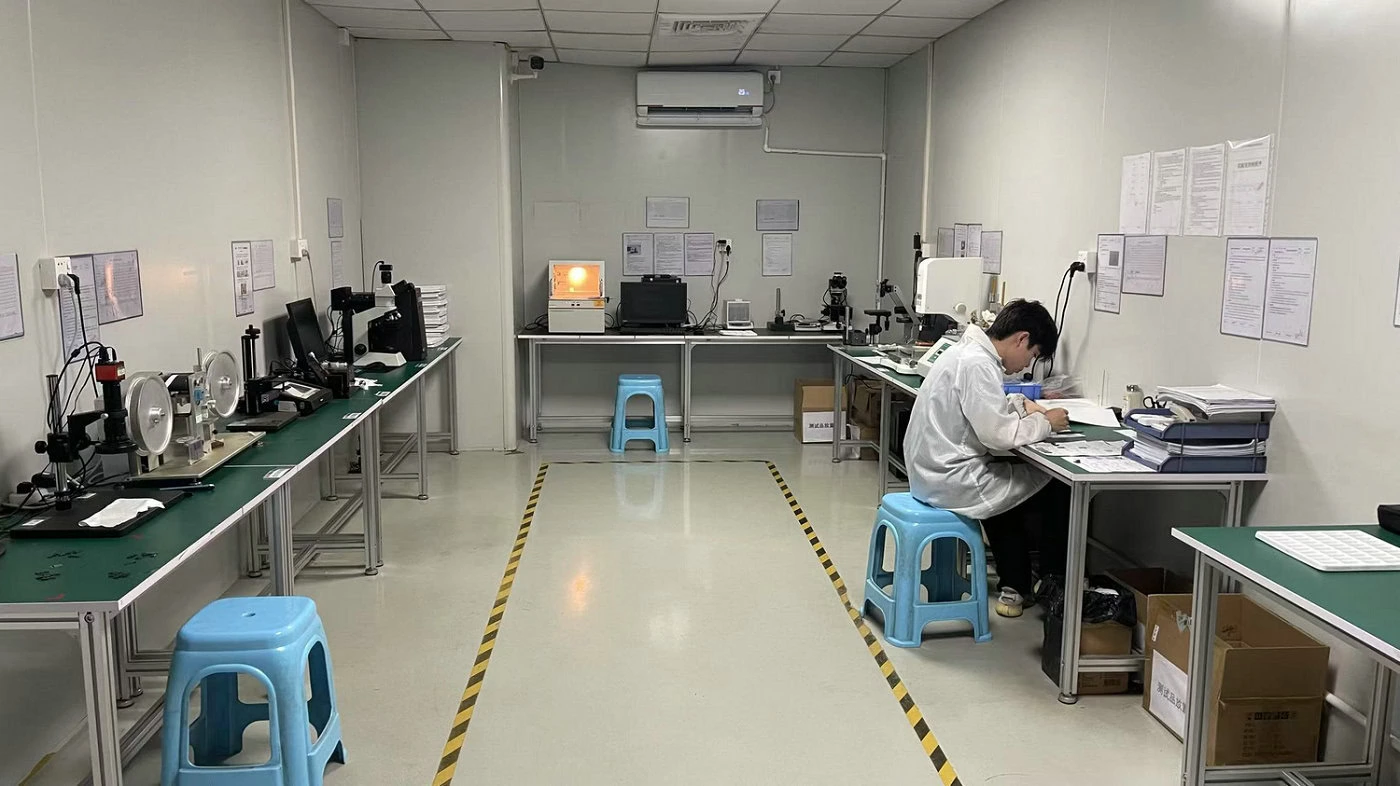
Replace with real inspection room photo
Inspection & QC
Recommended image evidence: factory exterior, mold workshop, MIM injection machines, debinding equipment, sintering furnace, inspection equipment, sample display, warehouse, packaging and shipment photos.
MIM Process

A controlled process for turning metal powder into finished precision parts

DFM Review

Evaluate whether the part is suitable for MIM before tooling.

Tooling

Design the mold around geometry, shrinkage and production volume.

Feedstock

Select metal powder and binder system based on material requirements.

Injection

Form green parts with controlled molding parameters.

Debinding

Remove binder while protecting part shape and internal structure.

Sintering

Densify parts and control shrinkage, deformation and final properties.

Materials & Applications

Material selection should match performance, environment and post-processing needs

MIM material selection depends on mechanical strength, corrosion resistance, wear resistance, magnetic performance, heat resistance, surface treatment, biocompatibility requirements and cost target.

Stainless Steel Low Alloy Steel Soft Magnetic Materials Titanium Alloys Copper Alloys Nickel Alloys
Consumer Electronics Small structural parts, hinges, brackets, connectors, wearable components and miniature precision parts.
Automotive Complex metal components where volume, consistency, mechanical performance and cost control are important.
Medical & Dental Small metal parts that require careful material selection, surface condition and inspection control.
Industrial & Tools Wear-resistant, high-strength or complex shaped parts used in equipment, tools and mechanical assemblies.
Robotics & Precision Devices Miniaturized parts, shafts, pins, gears, brackets and functional metal components with complex geometry.
Engineering Team

Engineering support for drawing review, material choice and production feasibility

For E-E-A-T, use real team photos and verified roles. If names cannot be published, use department responsibilities instead of creating fake biographies.

Replace with real DFM engineer photo

DFM Engineering

Part Feasibility & Tooling Review

Reviews geometry, wall thickness, tolerance expectations, gate location, shrinkage risk, sintering support and cost-related design issues before tooling.

Replace with real process engineer photo

Process Engineering

Molding, Debinding & Sintering Control

Supports feedstock evaluation, injection parameters, debinding stability, sintering schedule, distortion control and process improvement.

Replace with real QC engineer photo

Quality Engineering

Inspection, Records & Customer Documentation

Coordinates dimensional inspection, material confirmation, quality records, production traceability and shipment-related documentation.

Equipment & Inspection

Publish equipment details that buyers can verify

Replace the examples below with actual equipment names, models, quantities and functions. This section is important for E-E-A-T because it proves manufacturing and inspection capability with concrete evidence.

Tooling Equipment Replace with actual mold design, mold manufacturing, EDM, CNC, grinding or polishing equipment information.
MIM Injection Machines Replace with actual injection machine brands, tonnage range, quantity and applicable part size range.
Debinding Equipment Replace with actual catalytic, solvent or thermal debinding equipment information if applicable.
Sintering Furnaces Replace with actual furnace type, atmosphere capability, temperature range and batch control method.
Inspection Equipment Replace with actual CMM, projector, microscope, hardness tester, density tester, salt spray tester or material testing equipment.
Production Traceability Describe how batch number, material lot, process records, inspection records and shipment records are managed.
Certifications

Certificate information should be visible, readable and verifiable

Do not rely only on certificate images. Add certificate name, certificate number, issuing body, certified scope, issue date and expiry date in text. Only publish certificates that your company actually holds.

Important: If XT MIM does not hold a specific certificate, do not list it as certified. Use “available project documentation” or “supplier declaration” only when you can provide the actual document.
Quality Management Certificate Replace with actual certificate name, certificate number, issuing body, scope and validity period.
Environmental / Safety Management Certificate Replace only if the certificate exists. Otherwise remove this block before publishing.
Material Compliance Documents RoHS, REACH, material declaration or customer-specific documents should be listed only when available.
Customer / Industry-Specific Requirements Add automotive, medical, aerospace or other industry-related qualification only when verified.
Global Supply Capability

Supporting international MIM projects from technical review to shipment

XT MIM can support overseas buyers with drawing review, material discussion, quotation preparation, tooling development, sample approval, production scheduling, inspection records, packaging and shipment coordination.

Information needed for a reliable MIM quotation

A precise quotation normally requires 2D drawing, 3D model, material grade, estimated annual volume, tolerance requirements, surface treatment, heat treatment, application environment and target lead time.

2D Drawing 3D Model Material Grade Annual Volume Tolerance Surface Treatment Application Details
Replace with real export shipment photo, customer region map or packaging photo
Buyer Verification Checklist

What buyers can request before starting a MIM project

MIM projects require tooling investment, so buyers should verify engineering feasibility, material suitability, inspection capability and production risk before placing a mold order.

DFM feedback for part geometry and wall thickness
Mold design review and gate location discussion
Material recommendation and equivalent grade review
Tolerance feasibility and critical dimension review
Secondary operation plan if tight tolerance is required
Inspection method for critical dimensions
Sample approval plan before mass production
Packaging, labeling and shipment document requirements
FAQ

Common questions about XT MIM

What does XT MIM manufacture?

XT MIM manufactures custom metal injection molded parts for applications that require small size, complex geometry, repeatable production and metal material performance.

When is MIM suitable for a part?

MIM is usually considered when the part is small, geometrically complex, difficult or expensive to machine, and expected to be produced in medium to high volume. Final suitability should be confirmed through DFM review.

What files are needed for a MIM quotation?

Buyers should provide 2D drawings, 3D models, material grade, estimated annual volume, critical dimensions, tolerance requirements, surface treatment and application information.

Can XT MIM help convert CNC parts to MIM?

Yes. The team can review CNC parts for MIM conversion potential, including geometry changes, wall thickness, tooling feasibility, tolerance changes, secondary operation needs and cost drivers.

Does every MIM part need secondary operations?

No. Some parts can be used after sintering and finishing, while others may require machining, tapping, polishing, heat treatment, plating or other operations depending on tolerance and application requirements.

TALK TO XT MIM ABOUT

Your MIM Project Requirement

Request a Metal Injection Molding Quote

Share your drawing, material, annual volume, tolerance, surface finish, and application requirements. Our team will review your project and respond with the appropriate next step.