Instrument Mechanism Hardware
- Non-cutting pivots and links
- Compact levers and actuators
- Locking and latching details
- Small articulated interfaces

Metal injection molding is most relevant for selected non-implantable medical device hardware that combines compact size, feature-dense geometry, repeat production, and clearly defined final-condition requirements. The process should be evaluated against the drawing, expected annual volume, material requirement, critical dimensions, secondary operations, and inspection plan—not selected from the industry name alone.
Integrated pivots, slots, curved surfaces, ribs, interfaces, and small mechanism features can make MIM more practical than machining each feature separately.
Tooling is easier to justify when the component has stable repeat demand or belongs to a family of similar parts with consistent manufacturing requirements.
The material grade, heat treatment, passivation, polishing, coating, cleaning exposure, and required final performance should be defined before tooling.
Critical-to-quality dimensions, datums, mating surfaces, and acceptance methods must be identifiable so the route can be split between MIM, sizing, machining, and inspection.
This industry page covers manufacturing-fit screening for small metal components used inside medical devices and instruments. Detailed part-family pages should handle specific component types, while this page keeps the focus on application conditions, manufacturing risks, and pre-tooling decisions.
A useful review converts device requirements into manufacturing inputs before the mold is released. The goal is to determine whether MIM is appropriate, which features can remain as-sintered, where secondary operations are required, and what inspection and documentation inputs must be agreed.
MIM is generally more attractive when a compact component combines several molded features and is required in repeat production. Geometry and volume must be reviewed together because tooling economics do not follow complexity alone.
Small, feature-dense geometry with repeated demand, multiple machining setups, assembly-consolidation potential, or a stable component family.
Prototype-only demand, a large simple shape, uncertain annual volume, or a part whose functional surfaces would still require extensive machining.
The alloy name is only the starting point. The review should include the required final state after sintering, heat treatment, passivation, polishing, coating, cleaning exposure, or other customer-defined post-processing.
The customer defines the required grade, final condition, surface state, exposure environment, and the properties that must be verified after processing.
The material was inherited from an earlier design, but corrosion, wear, cleaning exposure, surface treatment, or final acceptance requirements remain undefined.
Not every dimension should be assigned the same process route. Critical-to-quality features should be separated from general geometry so sizing, machining, finishing, and inspection can be applied only where they add functional value.
Datums, mating surfaces, critical holes, functional seats, and surface requirements are identified, with realistic tolerance allocation between MIM and secondary operations.
The drawing treats every dimension as critical, applies machining-level tolerances to the full part, or leaves the secondary-operation route undefined.
Inspection planning should be agreed before tooling. The customer should define critical characteristics, acceptance criteria, measurement methods, traceability expectations, and the manufacturing records required for the project.
The project team can identify CTQs, sample and production inspection needs, lot-traceability inputs, and the documentation expected from the manufacturing process.
Device-level expectations exist, but they have not yet been translated into drawing notes, inspection criteria, record requirements, or supplier responsibilities.
Medical component sourcing is safer when manufacturing feasibility and device-level qualification are separated clearly. The table below shows what should be defined before tooling, what XTMIM can review as a MIM manufacturer, and what remains under the customer or regulatory owner.
| Review Area | Define Before Tooling | XTMIM Manufacturing Review | Customer / Regulatory Owner |
|---|---|---|---|
| Intended use and operating condition | Application background, loads, environment, interfaces, and relevant use conditions. | Reviews whether the supplied conditions create geometry, material, process, or inspection risks for MIM. | Owns device classification, clinical use definition, risk management, and final product approval. |
| Material and final condition | Required grade, heat-treatment state, surface condition, exposure environment, and acceptance properties. | Reviews feedstock and process availability, geometry response, secondary operations, and inspection feasibility. | Owns biocompatibility acceptance, cleaning or sterilization validation, and regulatory suitability. |
| Critical dimensions and interfaces | CTQs, datums, mating conditions, tolerance notes, and functional acceptance criteria. | Reviews the split between as-sintered dimensions, sizing, machining, finishing, and measurement methods. | Owns device-level functional limits and final acceptance criteria. |
| Surface and post-processing | Passivation, polishing, coating, roughness, appearance, cleaning, and packaging requirements. | Reviews manufacturing route, process interactions, dimensional impact, and available inspection checks. | Owns validation of the finished component in the final device and use environment. |
| Inspection, traceability, and records | Measurement methods, sampling expectations, lot logic, record format, and release documentation. | Confirms the manufacturing and inspection records available for the agreed project scope. | Owns supplier qualification, device release, regulatory submission, and retention requirements. |
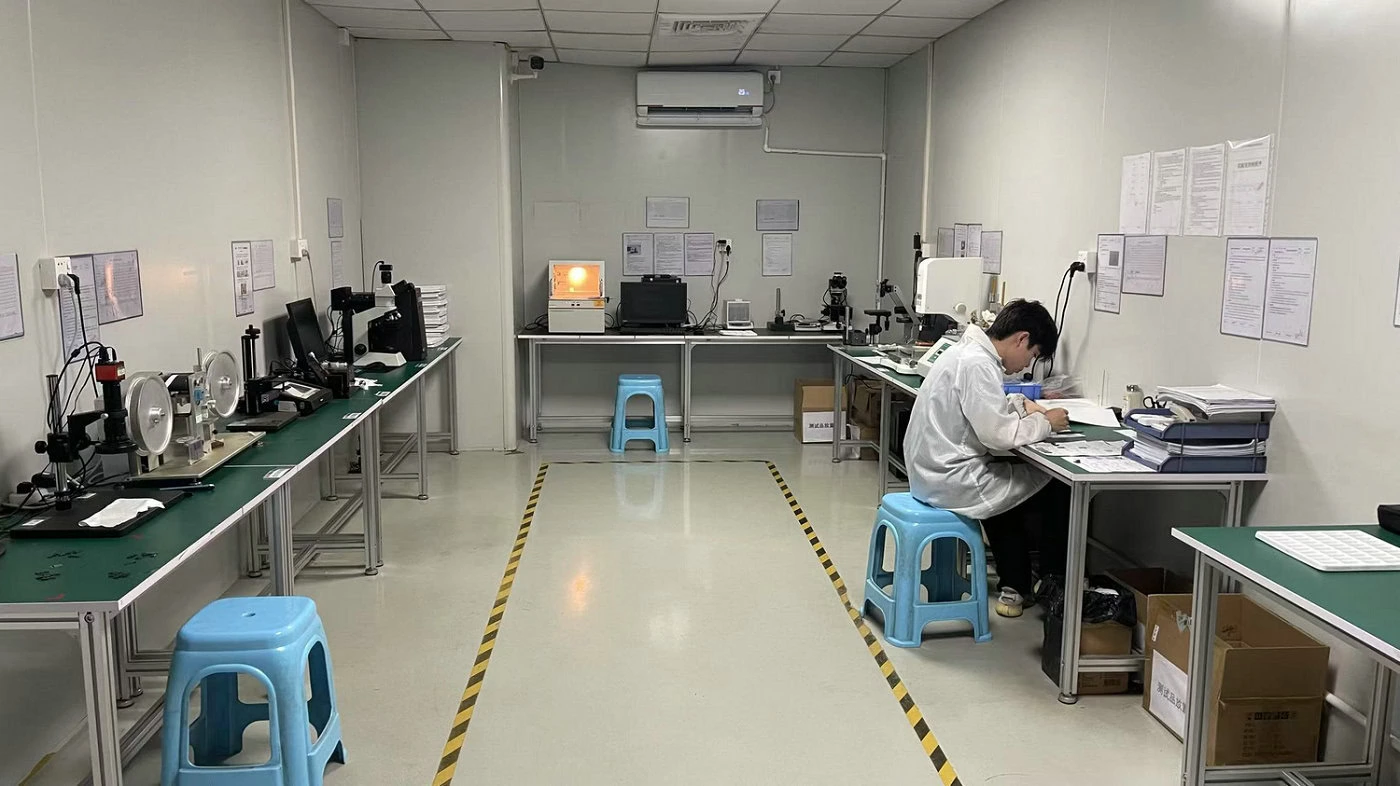
These images document XTMIM's general drawing-review and inspection capabilities used when translating component requirements into a manufacturable MIM route. They do not represent a specific medical customer project, device qualification, or regulatory approval.

These scenarios illustrate common design and sourcing decisions that should be resolved before tooling. They are representative engineering examples and are not presented as specific XTMIM customer projects.