Hinge and Latch Components
- Typical MIM fit
- Small locking, retention, pivot, or hinge details with multiple local features.
- Review point
- Load path, thin support areas, fit-critical interfaces, and wear at repeated-contact zones.
Metal injection molding is most relevant to small functional metal parts that combine compact geometry, repeated mechanical use, fit-sensitive interfaces, and repeat production demand. The review should consider the complete route—including material condition, sintering behavior, secondary operations, surface treatment, inspection, and tooling economics—not geometry alone.
Several working features, local contours, holes, or interfaces are consolidated into one small component that would otherwise require multiple machining or assembly steps.
Moisture, cleaning exposure, repeated contact, wear, and corrosion requirements are known early enough to guide alloy and finishing decisions.
General dimensions are separated from fit-critical holes, contact faces, or motion-related features that may require sizing or machining.
Expected volume, product life, and part-family demand are sufficient to justify tooling and controlled production development.
The categories below are representative engineering examples, not disclosed XTMIM customer projects. Final suitability depends on the drawing, alloy, annual volume, tolerance hierarchy, use environment, surface requirements, and secondary-operation plan.
Small parts can still be difficult when working details are concentrated beside thin supports or abrupt wall transitions. Molding fill, distortion, and shrinkage behavior should be reviewed together.
Moisture, cleaning agents, repeated contact, heat, and wear conditions should guide alloy and surface-treatment decisions before the route is fixed.
Assembly holes, motion interfaces, sealing areas, and contact faces normally require a clearer tolerance hierarchy than cosmetic or non-working geometry.
Sizing, machining, passivation, plating, coating, or other finishing steps can be necessary and should be evaluated before comparing MIM with another process.
A technically suitable part may still be a poor MIM program when annual demand, product life, or design stability cannot support the tooling route.
This matrix is an initial screening tool. It does not replace drawing review, material confirmation, tooling assessment, tolerance analysis, or production validation.
| Review factor | Stronger MIM signal | Needs deeper review | Poor initial fit |
|---|---|---|---|
| Geometry | Stronger signal Small part with several functional features or assembly-consolidation value. |
Review Feature-dense geometry with thin sections, abrupt transitions, or distortion-sensitive interfaces. |
Poor fit Large, simple geometry that another process can produce more directly. |
| Service environment | Stronger signal Moisture, cleaning, wear, heat, and contact conditions are defined. |
Review Use conditions are partly known but material or finishing requirements remain open. |
Poor fit Material is selected without a defined service environment. |
| Tolerance strategy | Stronger signal General and critical dimensions are separated, with post-processing allowed where needed. |
Review Several interacting working dimensions require process-capability and inspection planning. |
Poor fit Every dimension is expected directly from sintering with no hierarchy or secondary-operation plan. |
| Production demand | Stronger signal Stable annual demand, repeat programs, or a part family can support tooling. |
Review Technical fit is good, but product life or demand is uncertain. |
Poor fit Prototype-only or very low-volume demand without a justified development path. |
| Post-processing | Stronger signal Required sizing, machining, passivation, plating, or coating is identified early. |
Review Finishing or working-surface requirements are known but not yet linked to acceptance criteria. |
Poor fit Secondary operations are excluded before critical features and service conditions are reviewed. |
A home appliance application page should not rely only on representative component categories. The drawing, critical features, service exposure, material route, secondary operations, and inspection method must be reviewed against the actual project requirements before tooling or repeat production.

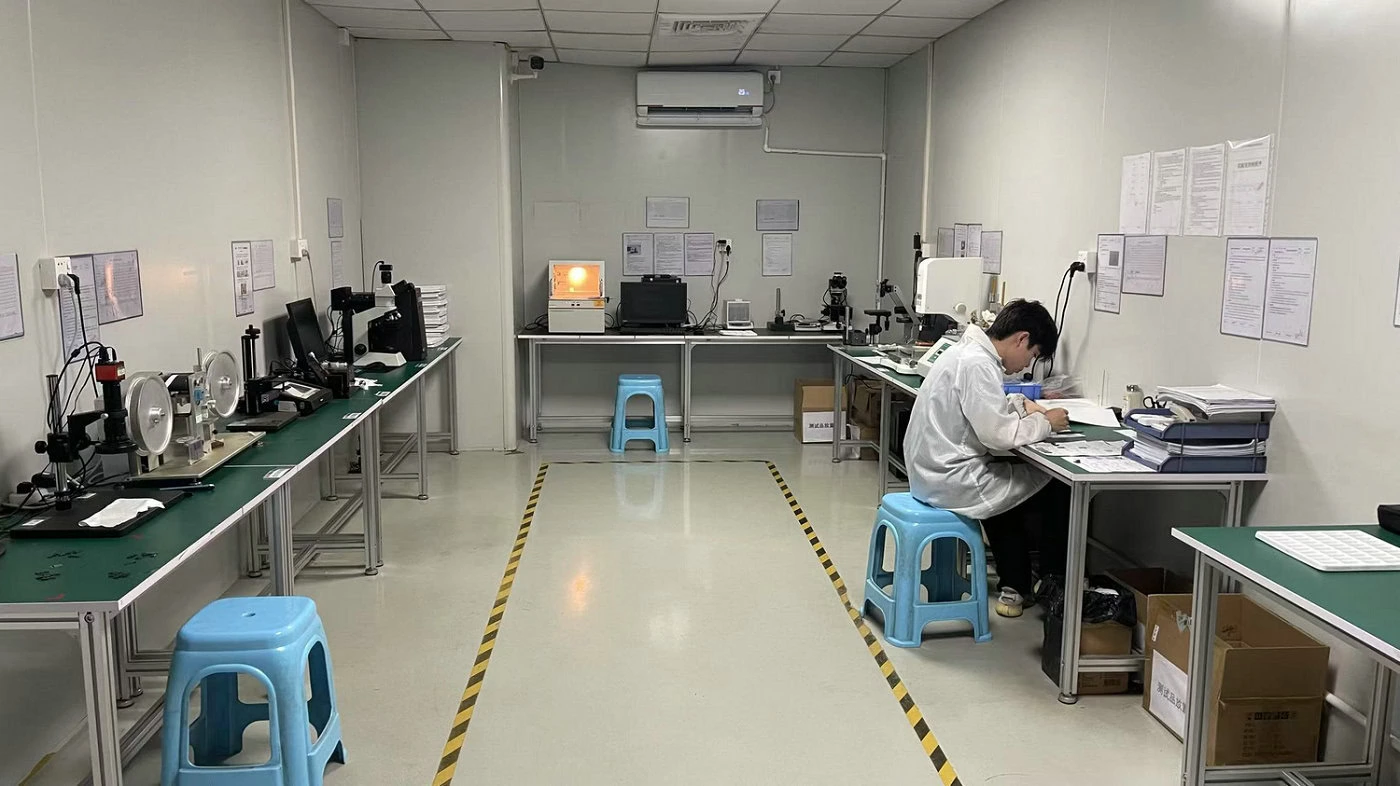
A home appliance MIM program should connect part suitability, material and tolerance decisions, tooling preparation, trial validation, inspection, and secondary operations before repeat production.
Confirm part size, geometry, annual demand, product life, working features, and the reason for considering MIM.
Connect alloy selection to corrosion, moisture, wear, contact, heat, and finishing requirements.
Separate general geometry from fit-critical dimensions and identify sizing, machining, or finishing needs.
Review molding behavior, shrinkage compensation, sintering support, critical dimensions, and acceptance methods through development trials.
Align inspection, secondary operations, surface condition, packaging, and repeat-run requirements before production release.
Small, functional, geometrically complex metal parts produced in repeat volumes are usually the strongest candidates. Representative examples include hinge details, latch parts, knob internals, valve-related hardware, motor-adjacent components, and fit-critical mechanism details.
No. Large, simple, low-complexity, or low-volume parts may be better served by machining, stamping, die casting, or another process depending on geometry, material, tolerance, and production demand.
Many appliance components operate around moisture, cleaning agents, kitchen environments, or repeated contact. Material choice, surface treatment, geometry, and acceptance criteria should be connected to those conditions before tooling approval.
Some dimensions can be controlled through molding and sintering, but fit-critical holes, contact faces, sealing areas, and motion-related features may require sizing, machining, or another secondary operation.
Review geometry, annual volume, service exposure, material, tolerance hierarchy, critical working features, secondary operations, inspection method, and acceptance requirements before tooling release.
Send the drawing, material requirement, annual demand, working conditions, and critical features. The first review should determine whether MIM is the right process and which risks need deeper engineering evaluation.