
Sinterleme sonrası işleme, seçilen MIM özelliklerinin, sinterlenmiş halin güvenilir bir şekilde sağlayabileceğinden daha sıkı yerel kontrole ihtiyaç duyduğunda kullanılır. Bu, bir MIM parçasını tamamen CNC ile işlenmiş bir parçaya dönüştürmekle aynı şey değildir. Mühendislik görevi, hangi özelliklerin net şekle yakın kalması gerektiğine ve hangi deliklerin, dişlerin, referans yüzeylerinin, birleşme yüzeylerinin, sızdırmazlık alanlarının veya pres geçme bölgelerinin sinterleme sonrası yerel olarak bitirilmesi gerektiğine karar vermektir. Bu karar, işleme payı, sinterleme büzülmesi, referans seçimi, sıkıştırma erişimi, duvar desteği, çapak kontrolü ve muayene yöntemi gibi tüm unsurların kalıplanmış geometriyi ve nihai proje maliyetini etkilemesi nedeniyle kalıplama öncesinde önemlidir. Çiziminizde hassas delikler, fonksiyonel dişler, referans kontrollü yüzeyler veya sıkı montaj uyumları varsa, sinterleme sonrası işleme, deneme parçalarından sonra geç bir düzeltme olarak ele alınmak yerine DFM sırasında gözden geçirilmelidir.
Hassas delikler, dişli özellikler, referans yüzeyleri, birleşme yüzeyleri, sızdırmazlık alanları ve pres geçme bölgeleri.
MIM'in maliyet ve geometri avantajını ortadan kaldıran tam yüzey işleme.
Çizim, tolerans, malzeme, işleme payı, referans stratejisi, sıkıştırma erişimi ve muayene yöntemi.
Bu sayfa, daha geniş kapsamdaki MIM sürecinin sinterleme sonrası seçilen özelliklerine odaklanmaktadır metal enjeksiyon kalıplama prosesi, genel CNC işleme hizmetlerine değil. Yüzeylerin çoğunun CNC ile bitirilmesi gerekiyorsa, MIM kalıplamasına karar vermeden önce üretim rotası gözden geçirilmelidir.
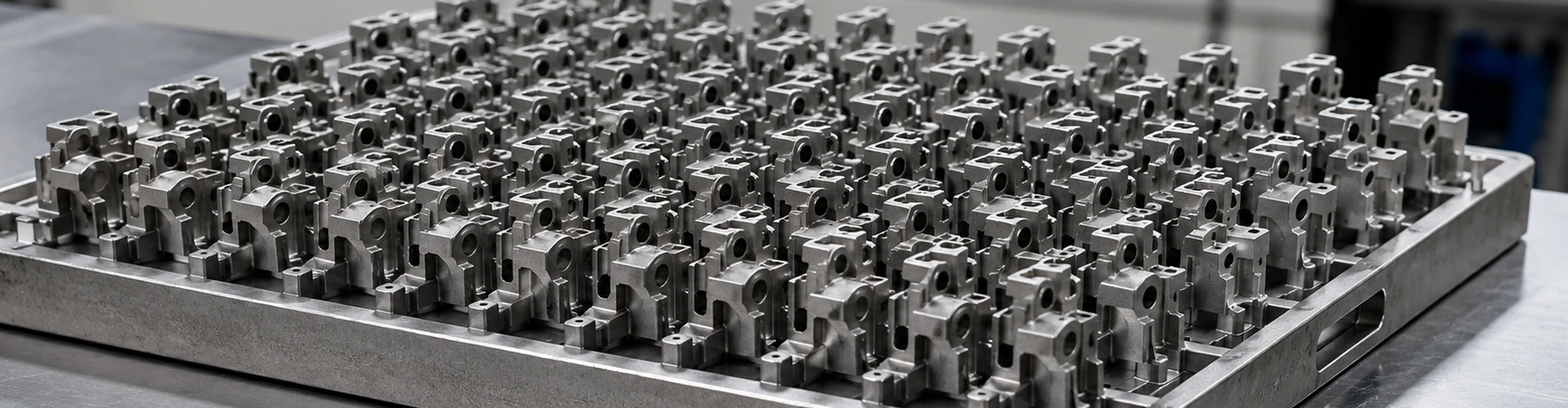
MIM Parçaları Ne Zaman Sinterleme Sonrası İşleme Gerektirir?
MIM parçaları genellikle, yalnızca belirli bir özelliğin normal sinterlenmiş durumdan daha sıkı veya daha tekrarlanabilir bir fonksiyonel gereksinimi karşılaması gerektiğinde, sinterleme sonrası işlemeye ihtiyaç duyar. Pratikte bu, genellikle seçilmiş delikler, iç dişler, konumlandırma özellikleri, referans yüzeyleri, birleşen yüzeyler, pres geçme bölgeleri, sızdırmazlık alanları veya kayar temas yüzeyleri için geçerlidir.
MIM'in maliyet ve geometrik avantajını korumak için birçok dış profil, nervür, yükselti, alt kesim ve kritik olmayan yüzeyler sinterlenmiş olarak bırakılmalıdır. Yaygın bir hata, prototipin orijinal olarak CNC ile işlenmiş olmasından dolayı çizimin tamamına işlenmiş gereksinimler uygulamaktır. Bu, parçanın gerçek işlevini iyileştirmeden maliyeti artırabilir.
| Özellik Türü | Genellikle Sinterlenmiş mi? | İşleme Gerekebilir mi? | Mühendislik Nedeni |
|---|---|---|---|
| Genel dış profil | Evet | Nadiren | MIM maliyet avantajını korur ve gereksiz ikincil işlemleri azaltır. |
| Kritik olmayan kozmetik yüzey | Genellikle | Nadiren | MIM parçaları için yüzey işlemesi Sorun görünüm, temizlik, pasivasyon, kaplama hazırlığı veya pürüzlülük ise daha uygun olabilir. |
| Hassas delik | Bazen | Sıklıkla | Uyum, yuvarlaklık, konum ve muayene yöntemi yerel işlemeyi gerektirebilir. |
| Dişli delik | Bazen | Sıklıkla | Diş yuvası, yük, çapak kontrolü ve mastar muayenesi sinterleme sonrası kılavuz çekmeyi gerektirebilir. |
| Referans yüzeyi | Bağlıdır | Sıklıkla | Yüzeyin muayeneyi, montajı veya başka bir işlenmiş özelliği kontrol ettiği durumlarda işleme gerekebilir. |
| Sızdırmazlık veya birleşme yüzeyi | Bağlıdır | Sıklıkla | Düzlük, temas deseni ve oturma uyumu işlevi etkileyebilir. |
| Presle geçme özelliği | Bağlıdır | Sıklıkla | Sıkı geçme, tolerans yığını kontrolüne ve malzeme davranışına bağlıdır. |
Bu kararlar, MIM sinterleme prosesi anlaşıldıktan sonra gözden geçirilmelidir, çünkü sinterleme sonrası büzülme, çarpılma riski, malzeme davranışı ve muayene yöntemi, bir özelliğin sinterlenmiş haliyle kalıp kalmayacağını etkiler.
Neden Sinterleme Sonrası İşleme MIM Sürecinin Başarısız Olduğu Anlamına Gelmez
Sinterleme sonrası işleme, MIM sürecinin bir hatası olarak otomatik olarak görülmemelidir. İyi tasarlanmış bir MIM projesinde, geometrinin çoğu besleme stoğu enjeksiyonu, bağlayıcı giderme, sinterleme ve büzülme telafisi yoluyla oluşturulur. Sinterleme sonrası işleme, yalnızca yerel fonksiyon, sinterlenmiş haldeki pratik yetenekten daha sıkı bir kontrol gerektirdiğinde kullanılır.
Asıl sorun, işlemenin var olup olmadığı değildir. Asıl sorun, işlemenin doğru planlanıp planlanmadığıdır. Kritik bir delik, diş veya referans yüzeyi DFM sırasında biliniyorsa, kalıplanmış ve sinterlenmiş geometri uygun tolerans, erişim ve fikstür stratejisi ile tasarlanabilir. İşleme gereksinimi yalnızca deneme parçalarından sonra keşfedilirse, proje yeniden işleme, kararsız referans kontrolü, kalıp ayarlaması veya gereksiz maliyetlerle karşı karşıya kalabilir.
Sinterleme sonrası işleme, sinterleme sonrası MIM parçaları için ikincil işlemler. kapsamına girer. Yalnızca kötü tasarım planlamasını, gerçekçi olmayan tolerans gereksinimlerini veya kalıplamadan önce yeniden tasarlanması gereken özellikleri telafi etmek için kullanıldığında sorun haline gelir.
Sinterlenmiş Haldeki Özellikler ve İşlenmiş Fonksiyonel Özellikler
Kalıplama öncesinde, teknik resimde sinterlenmiş olarak bırakılacak özellikler ile sinterleme sonrası işlenmesi amaçlanan özellikler ayrılmalıdır. Bu sınıflandırma kalıp tasarımını, sinterleme büzülme telafisini, işleme payını, fikstür tasarımını, çapak kontrolünü ve muayene planlamasını etkiler.

| Özellik / Gereksinim | Sinterlenmiş Olarak Bırakılması Daha İyi | Sinterleme Sonrası İşlenmesi Daha İyi | Mühendislik Nedeni |
|---|---|---|---|
| Kritik olmayan dış profil | Evet | Hayır | Gereksiz işleme maliyetini önler. |
| Genel et kalınlığı ve nervür geometrisi | Evet | Hayır | MIM, karmaşık net şekle yakın geometrileri zaten desteklemektedir. |
| Kozmetik, fonksiyonel olmayan yüzey | Genellikle | Hayır | Görünüm veya temizlik ana endişe ise yüzey işlemesi yeterli olabilir. |
| Kritik delik çapı | Bazen | Evet | Büzülme, yuvarlaklık ve uyum için daha sıkı yerel kontrol gerekebilir. |
| Konumlandırma pimi deliği | Bazen | Evet | Konum ve çap, montaj tekrarlanabilirliğini kontrol edebilir. |
| Dişli delik | Bazen | Evet | Diş formu, kavrama, yük ve mastar muayenesi kılavuz çekme gerektirebilir. |
| Referans yüzeyi | Bağlıdır | Evet | Ölçüm ve montaj tekrarlanabilirlik gerektirir. |
| Sızdırmazlık yüzeyi | Bağlıdır | Sıklıkla | Yerel temas koşulu, sızdırmazlık veya eşleşme performansını etkileyebilir. |
| İnce kozmetik yüzey | Evet | Genellikle hayır | İşleme, ince kesitlere zarar verebilir veya bozabilir. |
Bir tasarım incelemesi perspektifinden, her dar boyut otomatik olarak işlenmiş bir özellik haline gelmemelidir. Bazı gereksinimler şunlar aracılığıyla ayarlanabilir: MIM tolerans planlaması, referans noktası seçimi veya tasarım değişikliği. Diğerleri, işlevsel risk tamamen sinterlenmiş olarak bırakmak için çok yüksek olduğu için işleme gerektirebilir.
Sinterleme Sonrası İşleme Gerektirebilecek Yaygın MIM Özellikleri
En yaygın sinterleme sonrası işleme kararları, parçanın tamamıyla ilgili değildir. Montajı, uyumu, muayeneyi veya servis performansını etkileyen belirli işlevsel özelliklerle ilgilidir.

Hassas Delikler ve Rektifiye Edilmiş Bohrlar
Hassas delikler, sinterleme sonrası işleme gerektiren en yaygın nedenlerden biridir. MIM, delikleri ve karmaşık iç özellikleri oluşturabilir, ancak sinterleme büzülmesi, geometri, duvar desteği ve delik derinliği nihai boyutu, yuvarlaklığı ve fonksiyonel uyumu etkileyebilir.
Bir konumlandırma deliği, şaft boşluğu, pim deliği veya rulmanla ilgili boşluk, sinterleme sonrası delme, rektifiye etme veya yerel yüzey işlemesi gerektirebilir. Bu, özellikle deliğin montaj konumunu, dönme uyumunu, presle sıkma davranışını veya fonksiyonel hizalamayı kontrol ettiği durumlarda önemlidir. Tasarım incelemesi, delik çapını, derinliğini, delik çevresindeki duvar kalınlığını, kenarlardan uzaklığını ve nihai yüzey işlemi için yeterli malzeme olup olmadığını kontrol etmelidir.
Dişli Delikler ve İç Dişler
Bazı MIM projeleri dişli özellikler içerir, ancak fonksiyonel iç dişler genellikle dikkatli bir inceleme gerektirir. Küçük dişler, derin dişler, yük taşıyan dişler veya tekrarlanan montajlarda kullanılan dişler sinterleme sonrası diş çekme gerektirebilir.
Yaygın bir hata, tüm dişleri basit kalıplanmış özellikler olarak ele almaktır. Üretimde, diş kalitesi diş boyutuna, kavrama uzunluğuna, malzeme mukavemetine, erişim yönüne, çapak kontrolüne ve muayene yöntemine bağlıdır. Teknik resimde diş boyutu, diş derinliği, uygun olduğu yerlerde uyum beklentisi ve dişin fonksiyonel olup olmadığı veya yalnızca hafif tutma için kullanılıp kullanılmadığı açıkça gösterilmelidir.
Referans Yüzeyleri ve Birleşen Yüzeyler
Referans yüzeyleri, parçanın işlenmesini, muayene edilmesini ve monte edilmesini etkiler. Bir MIM parçası, kritik olmayan geometri için kabul edilebilir birçok sinterlenmiş yüzeye sahip olabilir, ancak muayene veya montaj için kullanılan bir referans yüzeyi yerel yüzey işlemi gerektirebilir.
Bu önemlidir çünkü kararsız referans seçimi, gerçek parça fonksiyonu kabul edilebilir olsa bile ölçüm varyasyonuna neden olabilir. Referans yüzeyi küçük, eğimli, deforme olmuş veya fikstürlenmesi zorsa, işleme ve muayene sonuçları tekrarlanabilir olmayabilir. Kalıplama takımı öncesinde, özellikle işlenmiş bir delik veya birleşen yüzey bu referansa bağlı olduğunda, referans sırası gözden geçirilmelidir.
Sızdırmazlık, Kayma ve Presle Sıkma Alanları
Sızdırmazlık, kayma ve presle sıkma alanları sıradan kozmetik yüzeyler değildir. Performansları temas geometrisine, uyuma, yüzey durumuna, yüke, aşınmaya ve montaj yöntemine bağlıdır. Bu alanların bazıları sinterlenmiş olarak kalabilir. Diğerleri, fonksiyonel teması kontrol etmek için yerel işleme veya taşlama gerektirebilir.
Örneğin, presle sıkma özelliği, çevresindeki geometriden daha kararlı bir çapa ihtiyaç duyabilir. Kayma alanı, kontrollü yerel geometri gerektirebilir. Sızdırmazlık yüzeyi düzlük ve temas durumu açısından inceleme gerektirebilir. Bu kararlar, her yüzeyin işlenmesi gerektiği genel varsayımına değil, gerçek uygulama gereksinimlerine dayanmalıdır.
Delikler, yuvalar ve iç boşluklar içeren özellikler için, işleme kararı aynı zamanda daha geniş bir MIM delikleri, yuvaları ve iç boşluk tasarımı stratejisiyle de kontrol edilmelidir.
İşleme Payı MIM Kalıplamasından Önce Planlanmalıdır
İşleme payı, proje henüz erken bir deneme aşamasındaysa, sinterlemeden sonra karar verilmemelidir. Bir özellik sinterlemeden sonra işlenecekse, pay tasarım ve kalıp planına dahil edilmelidir.
Çok küçük bir pay, temizlik için yetersiz malzeme bırakabilir. Çok büyük bir pay, kesme süresini artırabilir, çapak oluşturabilir, ince kesitleri zayıflatabilir veya sıkma sırasında deformasyon riskini artırabilir. Doğru pay malzeme, geometri, özellik boyutu, sinterleme büzülme davranışı, fikstür yöntemi ve muayene gereksinimine bağlıdır.

| İnceleme Kalemi | Neden Kalıplamadan Önce Onaylanmalı |
|---|---|
| İşlenmiş özellik listesi | Hangi yüzeylerin ekstra stok gerektirdiğini ve hangi yüzeylerin sinterlenmiş haliyle kalacağını tanımlar. |
| İşleme payı | Yetersiz temizlik stoku veya aşırı malzeme çıkarılmasını önler. |
| Referans stratejisi | İşlemeyi stabilize eder, tekrarlanabilir incelemeyi ve daha net tolerans yorumunu destekler. |
| Kelepçeleme alanı | İşleme sırasında hareketi, iz bırakmayı veya deformasyonu azaltır. |
| İşlenmiş alanın yakınındaki et kalınlığı | İnce kesitlerin etrafındaki delinmeyi, yerel zayıflığı veya bozulmayı önler. |
| Erişim yönü | Takımların bitişik geometriye zarar vermeden özelliğe ulaşıp ulaşamayacağını doğrular. |
| Yıllık hacim | Fikstür yatırımının ve ek çevrim süresinin ekonomik kalıp kalmadığını belirler. |
Pratik bir MIM DFM incelemesi (kalıplama öncesi) çizimi üç bölgeye ayırmalıdır: sinterlenmiş özellikler, işlenmiş özellikler ve daha fazla tartışma gerektiren özellikler. Bu basit sınıflandırma genellikle önlenebilir kalıp değişikliklerini önler. Pay planlaması ayrıca dikkate almalıdır MIM sinterleme büzülmesi, çünkü büzülme davranışı hem stok dağılımını hem de nihai işleme tutarlılığını etkiler.
Küçük MIM Parçaları İçin Referans Noktası, Fikstürleme ve Kelepçeleme Riskleri
İnce, kompakt, düzensiz veya yoğun özelliklere sahip olabilen küçük MIM parçaları, sinterleme sonrası işlenmesi zor olabilir. Zorluk sadece malzemeyi kesmek değil, aynı zamanda parçayı hasar görmeden tutarken referans noktasının tekrarlanabilirliğini sağlamaktır.
Sıkma alanı çok zayıfsa, işleme sırasında parça hareket edebilir. Sıkma kuvveti çok yüksekse, ince bölümler deforme olabilir. Referans noktası stabil değilse, aynı delik işleme ve son muayene arasında farklı ölçülebilir. Bu riskler, üretim sorunları ortaya çıktıktan sonra değil, kalıplama öncesinde gözden geçirilmelidir.
| Risk Noktası | Mühendislik Endişesi | İncelenecek Konu |
|---|---|---|
| Zayıf sıkma alanı | İşleme sırasında parça hareketi | Mümkünse stabil bir tutma yüzeyi ekleyin veya koruyun. |
| İşlenmiş deliğe yakın ince duvar | Delinme veya deformasyon | Duvar kalınlığını, delik derinliğini ve bitirme sonrası kalan malzemeyi kontrol edin. |
| Net referans noktası yok | Kötü tekrarlanabilirlik | Kalıplama öncesinde referans noktası sırasını tanımlayın. |
| Diş veya delik çevresinde çapak | Montajda sıkışma | Çapak alma ve kabul kontrollerini planlayın. |
| Küçük parça boyutu | Taşıma ve fikstür zorluğu | Üretim hacmini, fikstür maliyetini ve muayene yöntemini gözden geçirin. |
Bu riskler genellikle geometri ve sinterleme davranışı ile ilgilidir, bu nedenle fikstür planlaması birlikte gözden geçirilmelidir MIM parçalarında sinterleme deformasyonu.
İşleme Sonrası Dengesiz Delik Konumu
- Hangi sorun oluştu: Küçük bir MIM bileşeni, sinterleme sonrası ream ile hassaslaştırılmış bir yerleştirme deliği gerektiriyordu. Deneme parçaları, muayene sırasında tutarsız delik konumu gösterdi.
- Neden oldu: Delik, orijinal olarak stabil bir referans noktası olarak tasarlanmamış küçük bir sinterlenmiş yüzeyden işlenmişti. Kelepçeleme alanı dardı ve işleme sırasında küçük parça hareketleri meydana geldi.
- Gerçek sistem nedeni neydi: Sorun sadece işleme doğruluğu değildi. Gerçek sorun, referans noktası ve fikstür stratejisinin kalıplama öncesinde tanımlanmamış olmasıydı.
- Nasıl düzeltildi: İşlenmiş özellik listesi revize edildi, referans noktası stratejisi netleştirildi ve kalıp incelemesi, işleme ve muayene için daha stabil bir referans alanı ekledi.
- Tekrarını önlemek için: Kalıplama öncesinde, tüm fonksiyonel delikleri sınıflandırın, işleme referans noktalarını tanımlayın ve sinterleme sonrası işleme sırasında parçanın nasıl tutulacağını teyit edin.
Delme, Raybalama, Kılavuz Çekme, Taşlama ve Lokal CNC Son İşlemleri: Her Operasyon Ne İçin Kullanılır
Sinterleme sonrası işleme, yalnızca işlem adıyla değil, amacına göre tanımlanmalıdır. Bir delme işlemi, bir raybalama işlemi ve bir kılavuz çekme işlemi farklı mühendislik sorunlarını çözer. Fonksiyonel gereksinim tanımlanmadan işlem seçimi, montaj veya muayene güvenilirliğini artırmadan ek maliyete yol açabilir.
| İşlem | MIM Parçalarında Tipik Kullanım | Ana İnceleme Noktası |
|---|---|---|
| Delme | Seçili delikleri açma veya bitirme | Delik derinliği, erişim, etrafındaki destek ve çapak konumu. |
| Radyal delik işleme | Delik boyutunu ve yuvarlaklığını iyileştirme | Uyum toleransı, delik boyu, malzeme davranışı ve muayene yöntemi. |
| Kılavuz çekme | Fonksiyonel iç dişler oluşturma | Diş boyutu, derinliği, bağlantısı, erişimi ve yük gereksinimi. |
| Lokal CNC son işlem | Referans noktası veya birleşen yüzeyleri bitirme | Boşluk payı, fikstür stabilitesi ve referans yüzey sırası. |
| Lokal taşlama | Seçili fonksiyonel yüzeyleri iyileştirme | Boyutsal veya fonksiyonel olmalı, kozmetik amaçlı olmamalıdır. |
Lokal taşlama yalnızca fonksiyonel bir boyut, datum, uyum veya temas alanı için kullanıldığında bu sayfada yer alır. Amaç görünüm, pürüzlülük iyileştirme, kaplama hazırlığı, pasivasyon, PVD hazırlığı veya kozmetik tutarlılık ise, konu şunlar altında yer alır: MIM parçaları için yüzey işlemesi yerine.
Mil ve pim projeleri için, yuvarlaklık, düzlemsellik, fonksiyonel miller ve seçici taşlama kalıplama öncesinde birlikte nasıl değerlendirilmesi gerektiğini inceleyin. kalıplama öncesinde birlikte nasıl değerlendirilmesi gerektiğini inceleyin.
Sinterleme Sonrası İşleme İyi Bir Çözüm Olmadığında
Sinterleme sonrası işleme, seçici ve planlı olduğunda kullanışlıdır. Çizimi karşılamak için hemen hemen her yüzeyin veya özelliğin işlenmesi gerektiğinde iyi bir çözüm değildir. Bu durumda, MIM'in maliyet avantajı azalabilir veya kaybolabilir.
Parça güvenli bir şekilde mengenelemek için çok inceyse, gerekli özellik stabil bir datuma sahip değilse, işleme erişimi engellenmişse veya tasarım kalıplamadan önce düzeltilse daha iyi olacaksa işleme de kötü bir çözüm olabilir. Yıllık hacim düşükse ve parça kalıplamadan sonra kapsamlı işleme gerektiriyorsa, çubuk veya kütükten CNC işleme daha pratik olabilir.
İyi bir MIM tasarım incelemesi şunu sormalıdır: işleme, az sayıda kritik özelliğin işlevini koruyor mu, yoksa uygun olmayan bir tasarımı MIM'e zorlamak için mi kullanılıyor? Yüzeylerin çoğu CNC ile bitirilmeye ihtiyaç duyuyorsa, daha geniş incelemeyi gözden geçirin MIM vs CNC üretim kararı kullanın.
CNC Prototip Çiziminden Kopyalanan Çok Fazla İşlenmiş Yüzey
- Hangi sorun oluştu: Önerilen bir MIM parçası, çoğu dış yüzeyde sıkı tolerans gereksinimleri, birkaç işlenmiş delik ve birden fazla bitirilmiş eşleşen alan içeriyordu.
- Neden oldu: Orijinal çizim, CNC ile işlenmiş bir prototipe dayanıyordu ve aynı tolerans yaklaşımı, fonksiyonel ve fonksiyonel olmayan yüzeyler ayrılmadan MIM RFQ'ya taşındı.
- Gerçek sistem nedeni neydi: Sorun sadece parça toleransı değildi. Çizim, bir MIM üretim stratejisini yansıtmıyordu. MIM parçasına tamamen işlenmiş bir bileşen gibi davranılıyordu.
- Nasıl düzeltildi: Çizim, özellik özellik incelendi. Kritik olmayan yüzeyler sinterlenmiş gereksinimlere dönüştürülürken, yalnızca fonksiyonel delikler ve referans yüzeyler işlenmiş olarak kaldı.
- Tekrarını önlemek için: Teklif istemeden önce, hangi boyutların montajı, sızdırmazlığı, kaymayı, pres geçmeyi veya muayeneyi etkilediğini belirleyin. Kozmetik veya kritik olmayan geometriye işlenmiş toleranslar atamayın.
Sinterleme Sonrası İşleme Maliyeti, Teslim Süresini ve Muayeneyi Nasıl Etkiler
Sinterleme sonrası işleme, maliyeti etkiler çünkü işlenen her özellik kurulum, çevrim süresi, fikstür planlaması, takım aşınması, çapak kontrolü ve muayene işi ekler. İşleme birkaç fonksiyonel özellikle sınırlı olduğunda maliyet etkisi genellikle kabul edilebilirdir. Birçok yüzeyin işlenmesi gerektiğinde daha önemli hale gelir.
Muayene de erken gözden geçirilmelidir. Raybalanmış bir delik, pim ölçerleri, delik ölçümü veya CMM kontrolleri gerektirebilir. Bir diş, diş ölçerleri gerektirebilir. Bir referans yüzey, tüm parçanın nasıl ölçüldüğünü etkileyebilir. Deliklerin veya dişlerin etrafındaki çapaklar, ölçülen boyut kabul edilebilir olsa bile montajı etkileyebilir.

| Faktör | RFQ veya Üretim Üzerindeki Etki |
|---|---|
| İşlenen özellik sayısı | Çevrim süresini ve kurulum planlamasını artırır. |
| Dar delikler veya iç çaplar | Rемеление ve ek muayene gerektirebilir. |
| Dişler | Tapping süresi ve diş muayenesi ekleyin. |
| Referans (Datum) yüzey işleme | Ölçüm tekrarlanabilirliğini iyileştirir ancak kurulum süresi ekler. |
| Çapak kontrolü | Çapak alma, görsel kontroller veya fonksiyonel kabul incelemesi gerektirebilir. |
| Yıllık hacim | Fikstür yatırımının makul olup olmadığını belirler. |
| Muayene yöntemi | CMM, mastarlar, diş mastarları veya fonksiyonel kontrolleri etkiler. |
Teklif incelemesi için, işleme maliyeti birlikte değerlendirilmelidir MIM maliyet faktörleri. Kabul planlaması için, işlenmiş özellikler şunlarla uyumlu olmalıdır MIM muayene ve test gereksinimler.
XTMIM Teklif Öncesi Sinterleme Sonrası İşleme İncelemeleri
Sinterleme sonrası işleme gerektirebilecek bir MIM parçasına teklif vermeden önce XTMIM, teknik resmi, CAD modelini, malzemeyi, tolerans gereksinimlerini, fonksiyonel özellikleri, yıllık hacmi ve uygulama geçmişini inceler. Bu, MIM mühendislik incelemesi hangi özelliklerin sinterlenmiş olarak kalabileceğini, hangi özelliklerin sinterleme sonrası işleme gerektirdiğini ve projenin hala MIM'in maliyet ve üretim mantığına uygun olup olmadığını belirlemeye yardımcı olur.
| Gönderilecek Bilgiler | Neden Önemlidir |
|---|---|
| Toleranslı 2D çizim | İşlenmesi gereken kritik boyutları belirler ve fonksiyonel toleransları kritik olmayan geometriden ayırır. |
| 3D CAD dosyası | İşleme erişimini, fikstür tasarımını ve yerel duvar desteğini değerlendirmeye yardımcı olur. |
| Malzeme gereksinimi | İşlenebilirliği, diş mukavemetini, çapak davranışını ve yüzey kalitesi riskini etkiler. |
| Kritik özellikler | Fonksiyonel yüzeyleri kozmetik veya kritik olmayan alanlardan ayırır. |
| Diş spesifikasyonu | Diş açma derinliğini, kavrama oranını, yük beklentisini ve muayene yöntemini teyit eder. |
| Yüzey veya çapak gereksinimi | Çapak alma işlemini, kabul kontrollerini ve montaj riskini etkiler. |
| Beklenen muayene yöntemi veya mastar gereksinimi | CMM, pin gauge, diş mastarı, delik ölçümü veya fonksiyonel denetimin gerekip gerekmediğini doğrulamaya yardımcı olur. |
| Yıllık hacim | Fikstür yatırımını, işleme maliyeti mantığını ve üretim planlamasını belirler. |
| Uygulama geçmişi | Uyum, yük, aşınma, sızdırmazlık, kayma veya montaj riskini değerlendirmeye yardımcı olur. |
Bu detaylar ne kadar erken incelenirse, kalıp değişikliklerinden, kararsız işleme kurulumlarından, gereksiz maliyetlerden ve belirsiz denetim beklentilerinden kaçınmak o kadar kolay olur. Ekibiniz hala çizimleri, toleransları ve uygulama notlarını düzenliyorsa, güvenilir bir MIM RFQ paketi hazırlamak için bu rehberi kullanın teklif istemeden önce.
SSS: MIM Parçaları İçin Sinterleme Sonrası İşleme
Tüm MIM parçalarının sinterleme sonrası işlenmesi gerekir mi?
Hayır. Birçok MIM parçası, sinterleme sonrası çoğu özelliğin olduğu gibi kalacak şekilde tasarlanır. Sinterleme sonrası talaşlı işleme, yalnızca hassas delikler, dişli delikler, referans yüzeyleri, birleşme yüzeyleri, sızdırmazlık alanları veya daha sıkı yerel kontrol gerektiğinde presle geçme bölgeleri gibi seçilmiş fonksiyonel özellikler için kullanılır.
MIM parçalarında dişli delikler olabilir mi?
Evet, dişli özellikler MIM projelerinde incelenebilir, ancak işlevsel iç dişler genellikle sinterleme sonrası kılavuz çekme gerektirir. Karar, diş boyutu, diş derinliği, kavrama uzunluğu, malzeme, yük gereksinimi, erişim ve muayene yöntemine bağlıdır.
Sinterleme sonrası işlenmesi daha zor olan MIM malzemeleri hangileridir?
İşlenebilirlik, malzeme kalitesine, sertlik durumuna, ısıl işlem planına, parça boyutuna, diş derinliğine ve çapak hassasiyetine bağlıdır. Paslanmaz çelikler, düşük alaşımlı çelikler, yumuşak manyetik malzemeler ve sertleştirilebilir kaliteler, birbirinin aynı davranacağı varsayılmak yerine, teknik resim gereksinimlerine göre incelenmelidir.
Kalıplama öncesinde işleme payı planlanmalı mıdır?
Evet. Sinterleme sonrası işlenecek bir özellik varsa, işleme payı kalıplama öncesinde gözden geçirilmelidir. Bu, kalıplanmış ve sinterlenmiş geometrinin, yetersiz stok, aşırı malzeme kaldırma, kararsız referans kontrolü veya yerel duvar zayıflığı olmadan nihai işleme için desteklenmesine yardımcı olur.
Sinterleme sonrası işleme, yüzey kaplama ile aynı mıdır?
Hayır. Sinterleme sonrası işleme, delikler, dişliler, referans noktaları, birleşme yüzeyleri ve uyum alanları gibi fonksiyonel boyutları kontrol eder. Yüzey kaplama, görünüm, pürüzlülük, temizlik, korozyon davranışı, kaplama hazırlığı, pasivasyon, PVD, kaplama veya kozmetik tutarlılığa odaklanır.
Sinterleme sonrası işleme MIM'i çok mu pahalı hale getirir?
İşlem gerektiren özellik sayısına bağlıdır. Seçilen fonksiyonel özellikler üzerinde yerel işleme pratik olabilir. Ancak, yüzeylerin çoğu CNC ile bitirme gerektiriyorsa, MIM'in maliyet avantajı azalabilir ve proje CNC işleme veya diğer işlemlerle karşılaştırılmalıdır.
XTMIM'in işlenmiş MIM özelliklerini incelemesi için ne göndermeliyim?
2B çizimleri, 3B CAD dosyaları, malzeme gereksinimleri, kritik toleranslar, diş detayları, yüzey veya çapak gereksinimleri, muayene yöntemi veya mastar gereksinimleri, yıllık hacim ve uygulama geçmişini gönderin. Bu detaylar, kalıplama ve fiyat teklifi öncesinde sinterlenmiş özellikler ile işlenmiş özelliklerin ayrılmasına yardımcı olur.
Sinterleme Sonrası İşleme İncelemesi İçin Çiziminizi Gönderin
Hassas delikler, dişli özellikler, referans yüzeyler, birleştirme yüzeyleri, presle geçme alanları veya sızdırmazlık yüzeyleri içeren MIM parçaları için XTMIM, hangi özelliklerin sinterlenmiş olarak kalması gerektiğini ve hangilerinin sinterleme sonrası işleme gerektirebileceğini inceleyebilir.
Lütfen 2B çizimleri, 3B CAD dosyalarını, malzeme gereksinimlerini, kritik toleransları, diş spesifikasyonlarını, yüzey veya çapak gereksinimlerini, beklenen muayene yöntemini, tahmini yıllık hacmi ve uygulama geçmişini sağlayın. XTMIM, işleme payını, referans stratejisini, fikstür erişimini, işlenmiş alanlara yakın et kalınlığını, muayene yöntemini ve projenin kalıplama veya üretim planlamasından önce MIM için uygun olup olmadığını inceleyecektir.
Standartlar ve Teknik Referans Notu
MIMA, MIM'i net şekil veya net şekle yakın bir proses olarak tanımlar ve daha sıkı toleranslar veya geliştirilmiş gereksinimler gerektiğinde ikincil işlemlerin kullanılabileceğini açıklar. Bu, sinterleme sonrası işlemenin ana üretim rotası yerine seçici bir ikincil işlem olarak konumlandırılmasını desteklemektedir.
- MIMA Süreç Genel Bakışı: Metal Enjeksiyon Kalıplama — MIM'in net şekle yakın bir işlem olarak anlaşılması ve makine işlemenin neden seçici kalması gerektiğini açıklamak için önemlidir.
- MIMA İkincil İşlemler — işleme, kılavuz çekme, delme, boyutlandırma, taşlama ve diğer ikincil operasyon bağlamı için önemlidir.
- MPIF Standartları — MIM malzeme tanımlaması ve malzeme özellikleri beklentileri için önemlidir. MPIF malzeme standartları malzeme incelemesini destekleyebilir, ancak işleme payı, datum stratejisi, fikstür erişimi veya muayene yöntemi gibi çizim düzeyindeki incelemelerin yerini tutmaz.