
Küçük, Karmaşık Metal Bileşenler için MIM Parçaları
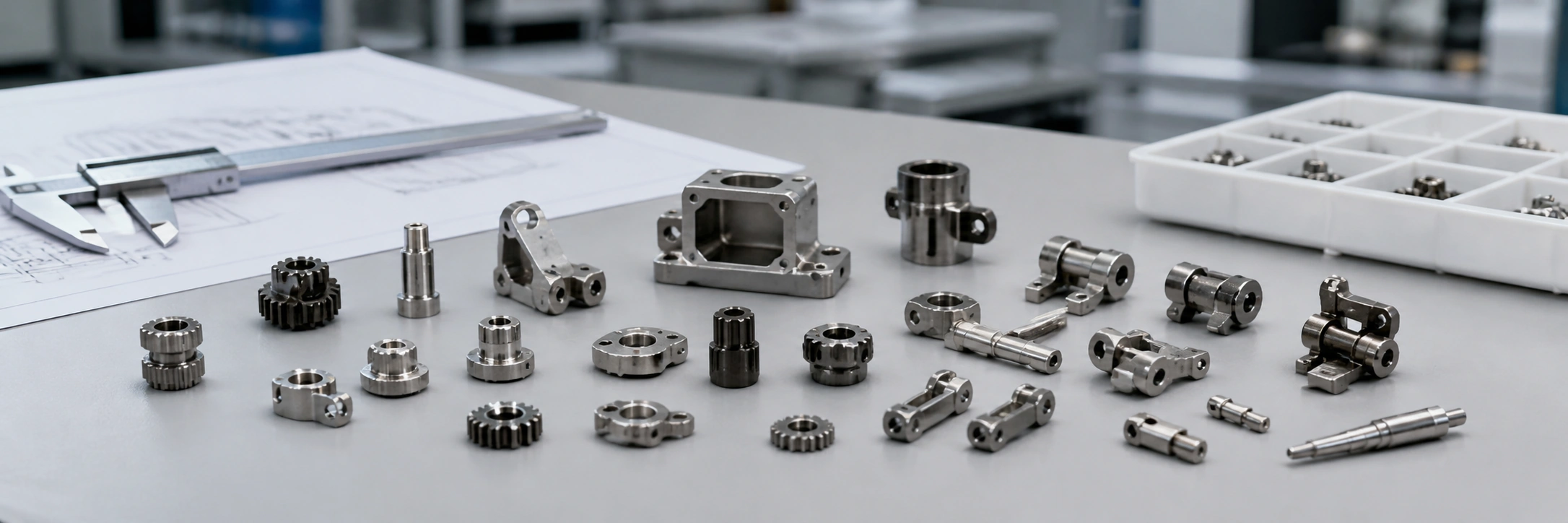
MIM parçaları, işleme, döküm, presleme veya geleneksel toz presleme yöntemlerinin geometrik, tekrarlanabilirlik ve malzeme gereksinimlerini verimli bir şekilde karşılayamadığı üretim programları için metal enjeksiyon kalıplama (MIM) yoluyla üretilen küçük, karmaşık metal bileşenlerdir. Bu sayfa, ayrıntılı bir tanım makalesi değil, bir MIM Parçaları merkezidir. Yaygın MIM parça türlerine göz atmak ve endüstriye, ürüne veya cihaza, yapısal aileye veya performans gereksinimine göre doğru kategori sayfasına ulaşmak için kullanın.
Bu merkez, dişliler, menteşeler, braketler, miller, pimler, konektörler, minyatür gövdeler, tıbbi bileşenler, saat parçaları ve elektronik parçalar gibi MIM parçalarını doğru sayfa yoluyla bulmanıza yardımcı olur. Tam tanım, işlem geçmişi ve temel açıklama için MIM parçaları nedir, bu toplama sayfasının yerine destekleyici blog makalesini kullanın.
Bu Merkez MIM Parçalarını Bulmanıza Nasıl Yardımcı Olur
“MIM parçaları” araması genellikle kullanıcının örnekler, kategoriler ve doğru sayfaya pratik bir yol istediği anlamına gelir. Bu merkez kısa bir yanıt verir, ardından kullanıcıları yaygın parça türlerine, sektör sayfalarına, ürün veya cihaz sayfalarına, yapısal parça ailelerine, performansa dayalı sayfalara ve çizim incelemesine yönlendirir.
Göz atmak için bu sayfayı kullanın
Dişliler, menteşeler, braketler, miller, pimler, medikal parçalar, saat parçaları, elektronik parçalar ve kompakt yapısal metal bileşenler gibi yaygın MIM bileşenlerini bulun.
Tanımlar için blogu kullanın
Bu merkez, tam MIM sürecini ayrıntılı olarak açıklamaz. Tanım düzeyindeki konu için şunları okuyun: MIM Parçaları Nedir? bir kategori seçmeden önce.
Projeler için teknik resim incelemesi kullanın
Eğer elinizde bir teknik resim, CAD modeli, malzeme gereksinimi, tolerans notu veya yıllık hacim tahmini varsa, kalıplama öncesinde MIM uygunluk incelemesi için gönderin.
Yaygın MIM Parça Türleri
Bu bölüm, sayfa detaylı kategori mantığına girmeden önce ana “mim parçaları” göz atma amacına hizmet eder. Teknik resminize en uygun parça ailesini veya uygulama yolunu belirlemek için kullanın.
| Yaygın MIM parça tipi | Tipik örnekler | En uygun sonraki sayfa yolu |
|---|---|---|
| Dişliler | Mikro dişliler, kompakt dişli özellikleri, hassas diş profilleri | MIM Dişli Parçaları veya Mikro Dişliler |
| Menteşeler | Dizüstü bilgisayar menteşeleri, giyilebilir cihaz menteşeleri, kompakt döner yapılar | MIM Menteşe Parçaları |
| Braketler | Montaj braketleri, destek braketleri, kompakt yük taşıyan parçalar | MIM Braket Parçaları |
| Miller ve pimler | Pivot pimleri, konumlandırma pimleri, mikro şaftlar, hassas silindirik parçalar | MIM Miller ve Pimler |
| Tıbbi bileşenler | Endoskop parçaları, dental parçalar, cerrahi alet bileşenleri | Medikal MIM Parçaları |
| Elektronik bileşenler | Cep telefonu parçaları, dizüstü bilgisayar parçaları, giyilebilir cihaz bileşenleri, minyatür gövdeler | Tüketici Elektroniği MIM Parçaları, Giyilebilir Cihaz Parçaları, veya Drone Parçaları |
| Saat parçaları | Saat kasası parçaları, toka ile ilgili parçalar, minyatür hassas mekanizmalar | Saat MIM Parçaları |
| Performans bazlı parçalar | Aşınmaya dayanıklı, korozyona dayanıklı, yüksek mukavemetli, yüksek hassasiyetli ve yumuşak manyetik parçalar | Yüksek Hassasiyetli MIM Parçaları, Aşınmaya Dayanıklı MIM Parçaları, veya Yumuşak Manyetik MIM Parçaları |
Doğru MIM Parçaları Sayfası Nasıl Seçilir
Aynı bileşen sektör, ürün, şekil veya performans gereksinimi ile aranabilir. Bu merkez, kullanıcıların yinelenen içerik okumadan en kullanışlı sayfayı seçebilmeleri için bu yolları ayrı tutar.
Sektöre göre başlayın
Uygulama pazarının ana bağlam olduğu durumlarda kullanın, örneğin tüketici elektroniği, medikal, otomotiv, saat, robotik veya endüstriyel otomasyon parçaları.
Ürüne göre başlayın
Çizimin bilinen bir montaja ait olduğu durumlarda kullanın, örneğin cep telefonu, dizüstü bilgisayar, giyilebilir cihaz, sivil drone, endoskop, cerrahi alet, dişçilik cihazı veya saat ürünü.
Yapıya göre başlayın
Parça adının veya geometrisinin ana sorun olduğu durumlarda kullanın, örneğin dişliler, menteşeler, braketler, miller, pimler, konektörler veya kompakt yapısal bileşenler.
Performansa göre başlayın
Yüksek hassasiyet, aşınma direnci, korozyon direnci, yüksek mukavemet, ısı direnci veya yumuşak manyetik davranışın temel gereksinim olduğu durumlarda bu yolu kullanın.
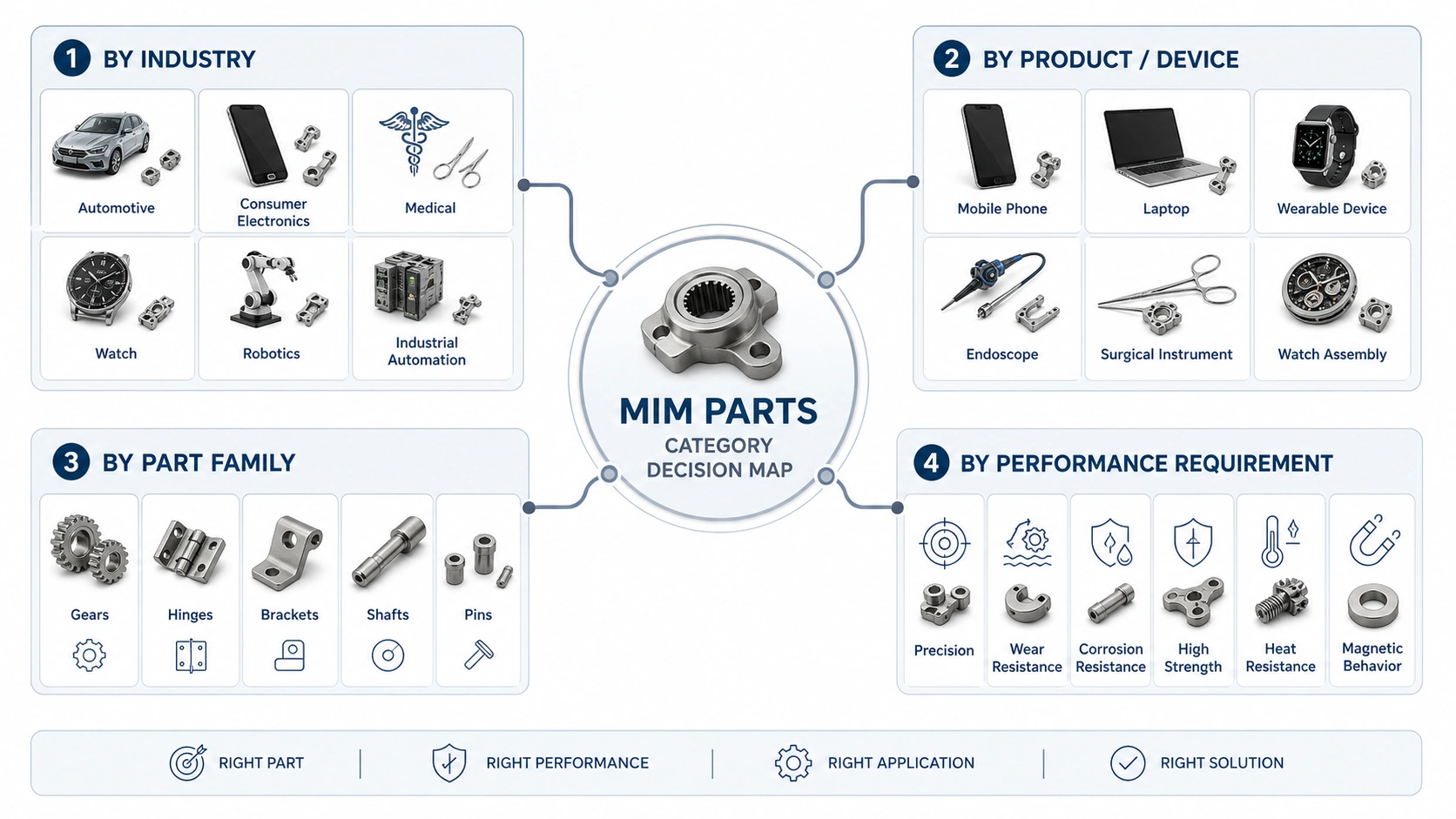
| Şuna göre ara... | Bu kategoriyle başlayın | Örnek giriş sayfaları |
|---|---|---|
| Endüstri | Sektöre Özel MIM Parçaları | Tüketici Elektroniği Parçaları, Tıbbi Parçalar, Otomotiv Parçaları, Robotik Parçalar, Endüstriyel Ekipman Parçaları |
| Ürün veya cihaz | Ürün / Cihaza Özel MIM Parçaları | Cep Telefonu Parçaları, Dizüstü Bilgisayar Parçaları, Giyilebilir Cihaz Parçaları, Drone Parçaları, Endoskop Parçaları |
| Yapı veya geometri | MIM Parça Aileleri | Dişliler, Menteşeler, Braketler, Miller ve Pimler |
| Performans veya malzeme gereksinimi | Performans / Malzeme Bazlı MIM Parçaları | Aşınmaya Dayanıklı Parçalar, Korozyona Dayanıklı Parçalar, Yumuşak Manyetik Parçalar |
Sektöre Özel MIM Parçaları
Sektör bazlı sayfalar, belirli bir uygulama alanında hangi MIM parçalarının yaygın olarak kullanıldığını gösterir. Bu sayfalar, endüstri çözüm sayfalarının yerini almamalıdır. Görevleri, o sektördeki parça örneklerini, yapısal desenleri, malzeme ihtiyaçlarını, tolerans endişelerini, yüzey gereksinimlerini ve üretim uygunluğunu göstermektir.
Daha geniş sektör düzeyinde tarama için, metal enjeksiyon kalıplamanın hangi sektörlerde kullanıldığını ve uygulama ortamı, doğrulama beklentileri, yüzey kalitesi, malzeme seçimi, tolerans planlaması ve inceleme gereksinimlerinin MIM parça incelemesini nasıl etkilediğini anlamak için MIM endüstrileri hub'ı kullanın.
Otomotiv MIM Parçaları
Güç ve tekrarlanabilirliğin önemli olduğu kompakt kilit bileşenleri, sensörle ilgili parçalar, küçük braketler, miller, pimler ve hassas yapısal bileşenler.
Tüketici Elektroniği MIM Parçaları
Telefonlar, dizüstü bilgisayarlar, giyilebilir cihazlar, dronlar, kompakt menteşeler, braketler, konektörler, minyatür muhafazalar ve görünüşe duyarlı bileşenler için küçük metal parçalar.
Medikal MIM Parçaları
Minyatür yapısal parçalar, cerrahi alet bileşenleri, endoskopla ilgili parçalar, diş parçaları, korozyona dayanıklı bileşenler ve muayene açısından kritik özellikler.
Saat MIM Parçaları
Küçük saat bileşenleri (kasa detayları, toka parçaları, dişli parçaları, minyatür mekanizmalar ve kompakt hassas metal yapılar).
Robotik MIM Parçaları
Kompakt mekanizmalar, küçük dişliler, miller, pimler, konumlandırma bileşenleri, eklem parçaları ve robotik montajlar için küçük yapısal metal özellikler.
Endüstriyel Ekipman MIM Parçaları
Endüstriyel ekipman ve otomasyon sistemlerinde kullanılan hareket, kilitleme, montaj, hizalama, sensör, aşınma, akış kontrolü ve takım mekanizması bileşenleri.
Ürün ve Cihaz Bazlı MIM Parçaları
Ürün ve cihaz bazlı sayfalar, endüstri kategorisi altında yer alır. Pratik bir mühendislik sorusunu yanıtlarlar: Bu ürün veya cihazda hangi MIM parçaları kullanılır ve kullanıcı daha sonra hangi yapısal sayfaları ziyaret etmelidir?
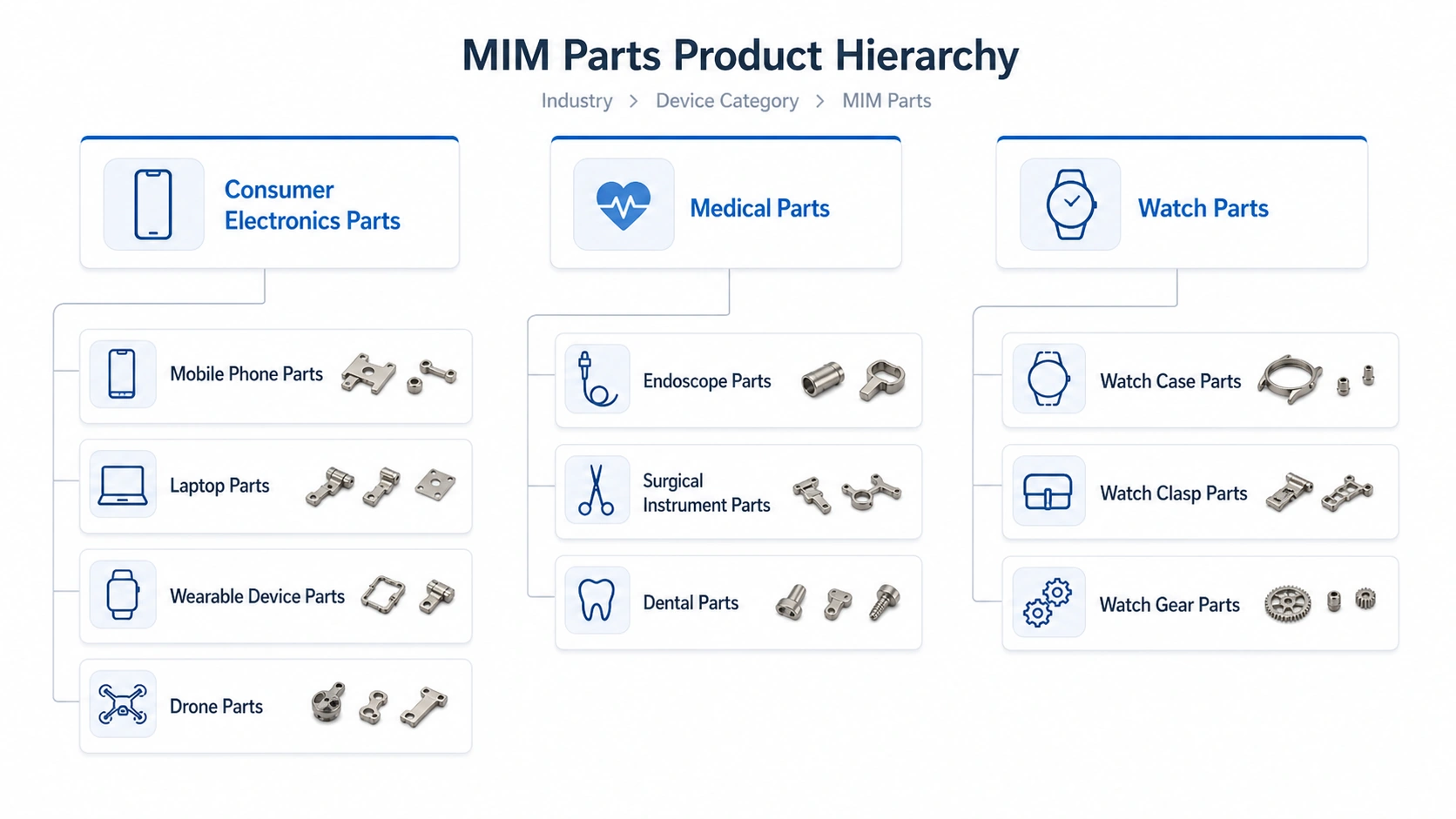
Tüketici Elektroniği Ürün Parçaları
Bu sayfalar, ürün türüne göre MIM parça örneklerini gösterirken, belirli yapısal parçaları doğru parça ailesi ana sayfalarına bağlar.
Tıbbi Cihaz Parçaları
Bu sayfalar minyatür yapılara, fonksiyonel metal bileşenlere, korozyon direncine, montaj gereksinimlerine ve muayene ihtiyaçlarına odaklanır.
Saat Ürün Parçaları
Saat ürün sayfaları, kompakt hassas bileşenleri gösterirken, arama amacı yapısal olduğunda dişliye özgü içeriği MIM dişli ailesine bağlamalıdır.
MIM Parça Aileleri ve Yapısal Özellikler
Parça aile sayfaları, MIM parçalarını geometri ve yapıya göre düzenler. Bu önemlidir çünkü MIM üretilebilirliği genellikle et kalınlığı, kesit geçişleri, ince özellikler, delikler, yolluk konumu, bağlayıcı giderme stabilitesi, sinterleme büzülmesi ve sinterleme sonrası inceleme ile kontrol edilir. Bu parça ailelerinin arkasındaki üretim rotası için, şunları içeren MIM süreciyle ilgili incelemeyi gözden geçirin tipik MIM parçalarının arkasındaki MIM süreci, besleme stoğu, enjeksiyon kalıplama, bağlayıcı giderme, sinterleme, boyutlandırma, ikincil işlemler ve son inceleme dahil.

Uygulamada, bir parça ailesi sayfası yalnızca parça adlarını görüntülemek yerine üretilebilirliği açıklamalıdır. Dişli detayları artık ayrı bir hub düzeyinde dişli modülü yerine parça ailesi yolu içinde tutulmaktadır, bu nedenle bu sayfa toplama ve kategori yönlendirmesine odaklanmaktadır.
Performans ve Malzeme Bazlı MIM Parçaları
Bazı kullanıcılar sektör veya şekil yerine performans gereksinimine göre arama yapar. Bu sayfalar, hangi parçaların belirli bir özelliğe ihtiyaç duyduğunu ve bu gereksinimin malzeme seçimini, kalıp incelemesini, ikincil operasyonları ve muayeneyi nasıl etkilediğini açıklamalıdır. Daha derin MIM malzemeleri sayfalarını tekrarlamamalıdır.

| Performans ihtiyacı | Tipik MIM parça örnekleri | İnceleme odağı | Giriş sayfası |
|---|---|---|---|
| Yüksek hassasiyet | Mikro dişliler, konumlandırma pimleri, kompakt mekanizmalar | Referans stratejisi, sinterleme büzülmesi kontrolü, muayene yöntemi | Yüksek Hassasiyetli MIM Parçaları |
| Aşınma direnci | Dişliler, pimler, mandal bileşenleri, hareketli parçalar | Malzeme seçimi, ısıl işlem, sürtünme yüzeyleri | Aşınmaya Dayanıklı MIM Parçaları |
| Yüksek mukavemet | Braketler, miller, yapısal bileşenler | Alaşım seçimi, yoğunluk, kesit kalınlığı | Yüksek Mukavemetli MIM Parçaları |
| Korozyon direnci | Tıp, elektronik, dış mekan kullanım parçaları | Paslanmaz çelik seçimi ve yüzey durumu | Korozyona Dayanıklı MIM Parçaları |
| Isı direnci | Yüksek sıcaklığa maruz kalan cihaz parçaları | Alaşım kararlılığı, oksidasyon riski, uygulama sınırları | Isıya Dayanıklı MIM Parçaları |
| Yumuşak manyetik davranış | Manyetik bileşenler, aktüatör parçaları, sensörle ilgili parçalar | Manyetik alaşım seçimi ve proses kontrolü | Yumuşak Manyetik MIM Parçaları |
| Paslanmaz çelik veya düşük alaşımlı çelik | Tıp, elektronik, saat, yapısal ve aşınmaya maruz parçalar | Korozyon direnci, mukavemet, ısıl işlem, maliyet dengesi | Paslanmaz Çelik Parçalar / Düşük Alaşımlı Çelik Parçalar |
Parçanız MIM için Uygun mu?
Her metal parça MIM ile üretilmemelidir. Süreç genellikle parçanın küçük boyut, karmaşık geometri, üretim hacmi ve malzeme performans gereksinimlerini bir araya getirdiğinde değerlendirilir. Parça basit, çok büyük, çok düşük hacimli veya çoğu yüzeyinde işleme gerektiriyorsa, başka bir üretim yöntemi daha pratik olabilir.

| İnceleme maddesi | MIM için uygun | Mühendislik incelemesi gerektirir | Başka bir proses gerekebilir |
|---|---|---|---|
| Geometri | Küçük, karmaşık, çok özellikli geometri | Yerel kalın kesitler, derin delikler, ince özellikler | Basit preslenebilir, damgalanabilir veya işlenebilir şekiller |
| Boyut | Küçük hassas metal bileşenler | Sınırda boyut veya ağırlık | Büyük ağır parçalar |
| Üretim hacmi | Orta ila yüksek üretim hacmi | Belirsiz yıllık talep | Tek seferlik veya çok düşük hacimli projeler |
| Tolerans | Ana referans kontrolü ile MIM seviyesinde tolerans | Çok dar lokal özellikler | Çoğu yüzeyde ultra sıkı tolerans |
| Malzeme | MIM uyumlu paslanmaz çelik, düşük alaşımlı çelik veya manyetik alaşım | Özel malzeme talebi | Besleme stoğu veya sinterleme için uygun olmayan malzeme |
| İkincil işlemler | Sınırlı işleme, ısıl işlem veya yüzey bitirme | Kritik özellikler işleme gerektirir | Çoğu yüzeyde kapsamlı işleme |
Kalıp Öncesinde Kategori Seçimi Neden Önemlidir
Mühendislik eğitimi için bileşik alan senaryosu: küçük bir dizüstü bilgisayar menteşe bileşeni ilk olarak genel bir tüketici elektroniği parçası olarak ele alındı. İnceleme sırasında, gerçek üretim riski endüstri etiketi değildi. Menteşe yapısı, dönüş boşluğu, aşınma yüzeyi ve tolerans birikimiydi.
| İnceleme adımı | Mühendislik bulgusu |
|---|---|
| Ne sorunu oluştu | Parça yalnızca bir dizüstü bilgisayar parçaları sayfası altında gruplandırıldığından, menteşeye özgü üretilebilirlik soruları yeterince erken incelenmedi. |
| Neden oldu | Ekip, ürün uygulamasına göre arama yaptı ancak yapısal amacı ürün amacından ayırmadı. |
| Gerçek sistem nedeni | Birincil URL ve inceleme yolu net bir şekilde atanmamıştı. Parçanın hem uygulama bağlamına hem de menteşe ailesi mühendislik incelemesine ihtiyacı vardı. |
| Nasıl düzeltildi | Ürün sayfası menteşe ailesi sayfasına bağlandı ve menteşe incelemesi dönüş boşluğunu, referans yüzeylerini, aşınma bölgelerini ve sinterleme sonrası boyutsal kontrolü kontrol etti. |
| Tekrar oluşması nasıl önlenir | İçerik oluşturmadan önce bir ana URL atayın: uygulama bağlamı için sektör sayfası, cihaz düzeyinde örnekler için ürün sayfası ve yapısal üretilebilirlik için parça ailesi sayfası. |
XTMIM, Kalıp Öncesi Bir MIM Parçasını Nasıl İnceler
XTMIM için bir MIM parça incelemesi, genel bir parça adından değil, çizimden başlar. Aynı dişli, menteşe, braket, şaft, pim veya minyatür muhafaza, et kalınlığına, malzemeye, toleransa, kesit değişikliklerine, yüzey kalitesine, ikincil işlemlere ve yıllık hacme bağlı olarak farklı üretim risklerine sahip olabilir.

Mühendislik Ekibimiz Neleri İnceler
- 2D çizim ve 3D CAD geometrisi
- Et kalınlığı, delikler, yuvalar, alttan kesikler ve ince detaylar
- Malzeme ve performans gereksinimleri
- Kritik boyutlar, referans noktası stratejisi ve tolerans riskleri
- Sinterleme büzülmesi, destek ve distorsiyon endişeleri
- İkincil işlemler ve muayene gereksinimleri
İnceleme İçin Ne Gönderilmeli
- 2D çizim
- 3D CAD dosyası
- Malzeme gereksinimi veya performans hedefi
- Kritik boyutlar ve toleranslar
- Yüzey kalitesi, ısıl işlem, kaplama veya pasivasyon ihtiyaçları
- Tahmini yıllık hacim ve uygulama geçmişi
XTMIM Mühendislik Ekibi
Bu sayfa, MIM parça DFM, malzeme uygunluğu, kalıp riski, sinterleme büzülmesi, ikincil işlemler, muayene planlaması ve üretim fizibilitesi perspektifinden düzenlenmiştir. Amacı, mühendislerin ve tedarik ekiplerinin çizimleri incelemeye göndermeden önce doğru sayfa yoluna girmelerine yardımcı olmaktır. Daha derin DFM kuralları için, MIM tasarım kılavuzu en uygun parça kategorisi seçildikten sonra.
Teknik Referanslar ve Sınırlar
MPIF ve MIMA'dan alınan genel referanslar, genel MIM sürecini anlamak için faydalıdır, ancak proje özelindeki mühendislik incelemesinin yerini tutmazlar. Kritik toleranslar, düzenlenmiş uygulamalar, özel malzemeler ve manyetik performans hedefleri, kalıplamadan önce çizimden, malzeme spesifikasyonundan, muayene planından ve müşteri gereksinimlerinden doğrulanmalıdır.
MIM Parçaları SSS
MIM ile hangi parçalar üretilebilir?
MIM, dişliler, menteşeler, braketler, miller, pimler, konektörler, minyatür gövdeler, tıbbi cihaz bileşenleri, saat parçaları, sensörle ilgili parçalar ve kompakt yapısal bileşenler gibi küçük, karmaşık metal parçalar için kullanılabilir. Temel tanım ve işlem açıklaması için şurayı okuyun MIM Parçaları Nedir?.
Hangi tür parçalar MIM için en uygundur?
MIM genellikle çoklu özelliklere, ince detaylara, üretim hacmi talebine ve malzeme performans gereksinimlerine sahip küçük, karmaşık metal bileşenler için uygundur. Yaygın örnekler arasında dişliler, menteşeler, braketler, miller, pimler, konektörler, minyatür gövdeler ve kompakt yapısal parçalar bulunur.
Bir parça ne zaman MIM ile üretilmemelidir?
Bir parça çok büyük, çok basit, çok düşük hacimli, kritik yüzeyleri çoğunlukla işlenmiş veya besleme stoğu hazırlama ve sinterleme için pratik olmayan bir malzemeden yapılmışsa MIM için uygun olmayabilir. Sınırda olan parçalar kalıplamadan önce incelenmelidir.
Sektör sayfaları ile parça ailesi sayfaları arasında nasıl seçim yapmalıyım?
Tüketici elektroniği, tıbbi cihazlar, otomotiv, saatler, robotik veya endüstriyel otomasyon gibi bir pazarda MIM parçalarının hangilerinin kullanıldığını görmek istediğinizde sektör sayfalarını kullanın. Ana sorunuz dişliler, menteşeler, braketler, miller veya pimler gibi bir yapı hakkında olduğunda parça ailesi sayfalarını kullanın.
Mikro dişliler dişliler altında mı listelenmeli yoksa ayrı bir üst düzey sayfa olarak mı olmalı?
Mikro dişliler dişli ailesine ait olmalıdır. Doğru yapı, üst sayfa olarak MIM Dişli Parçaları ve alt tür sayfası olarak MIM Mikro Dişliler şeklindedir. Bu, URL hiyerarşisini net tutar ve düz, kafa karıştırıcı parça listelerinden kaçınır.
Bir MIM parçası birden fazla kategoride görünebilir mi?
Evet. Bir dizüstü bilgisayar menteşesi, tüketici elektroniği parçaları, dizüstü bilgisayar parçaları ve menteşe ile ilgili içeriklerde yer alabilir. Ancak yalnızca bir ana URL'si olmalıdır. İlgili sayfalar, aynı amaca sahip kopya sayfalar oluşturmak yerine, dahili bağlantılar aracılığıyla bu sayfaya referans vermelidir.
Paslanmaz çelik MIM parçaları ile paslanmaz çelik MIM malzemeleri aynı mıdır?
Hayır. Paslanmaz çelik MIM malzemeleri sayfaları, malzeme sistemlerini, kaliteleri, özellikleri ve işleme hususlarını açıklamalıdır. Paslanmaz çelik MIM parçaları sayfaları ise hangi parçaların yaygın olarak paslanmaz çelik kullandığını, malzemenin neden seçildiğini ve hangi tasarım, yüzey ve uygulama faktörlerinin gözden geçirilmesi gerektiğini açıklamalıdır.
MIM parça teklifi için hangi bilgileri göndermeliyim?
2D çizim, 3D CAD dosyası, malzeme gereksinimi, kritik toleranslar, yüzey kalitesi ihtiyaçları, ikincil işlem gereksinimleri, tahmini yıllık hacim ve uygulama geçmişini gönderin. Bu, mühendislik ekibinin kalıp ve teklif öncesinde MIM uygunluğunu değerlendirmesine olanak tanır.
MIM Parça İncelemesi İçin Çiziminizi Gönderin
Parçanız küçük, karmaşık, metal ve üretim hacmine yönelikse, üretim yolunu kesinleştirmeden önce MIM'i değerlendirmek faydalı olabilir. XTMIM, çiziminizi süreç uygunluğu, malzeme seçimi, tolerans planlaması, büzülme riski, ikincil işlemler ve muayene gereksinimleri açısından değerlendirebilir.
Çiziminizi, CAD dosyanızı, malzeme gereksiniminizi, tolerans ihtiyaçlarınızı, yüzey kalitesi gereksiniminizi, tahmini yıllık hacminizi ve uygulama geçmişinizi gönderin. İnceleme, parçanın bir MIM projesi olarak ilerlemesi, üretilebilirlik için değiştirilmesi veya başka bir süreç için değerlendirilmesi gerektiğini belirlemeye yardımcı olacaktır.