Request a Metal Injection Molding Quote

Share your drawing, material requirements, annual volume, tolerance needs, or application details. Our engineering team will review your MIM project and respond with technical feedback or a quotation.

MIM Engineering Blog

Explore practical MIM engineering notes for part design, material selection, process suitability, RFQ preparation, quality risks, and industry applications. These articles are written for engineers, sourcing teams, and OEM project managers who need to evaluate whether metal injection molding is suitable before tooling, quotation, or supplier selection.

Home/Blogs
MIM Blog Categories

Explore MIM Articles by Engineering Question

Choose a blog category based on the project issue you are reviewing, from DFM questions and material selection to process comparison, RFQ preparation, quality risks, industry applications, and factory capability updates.
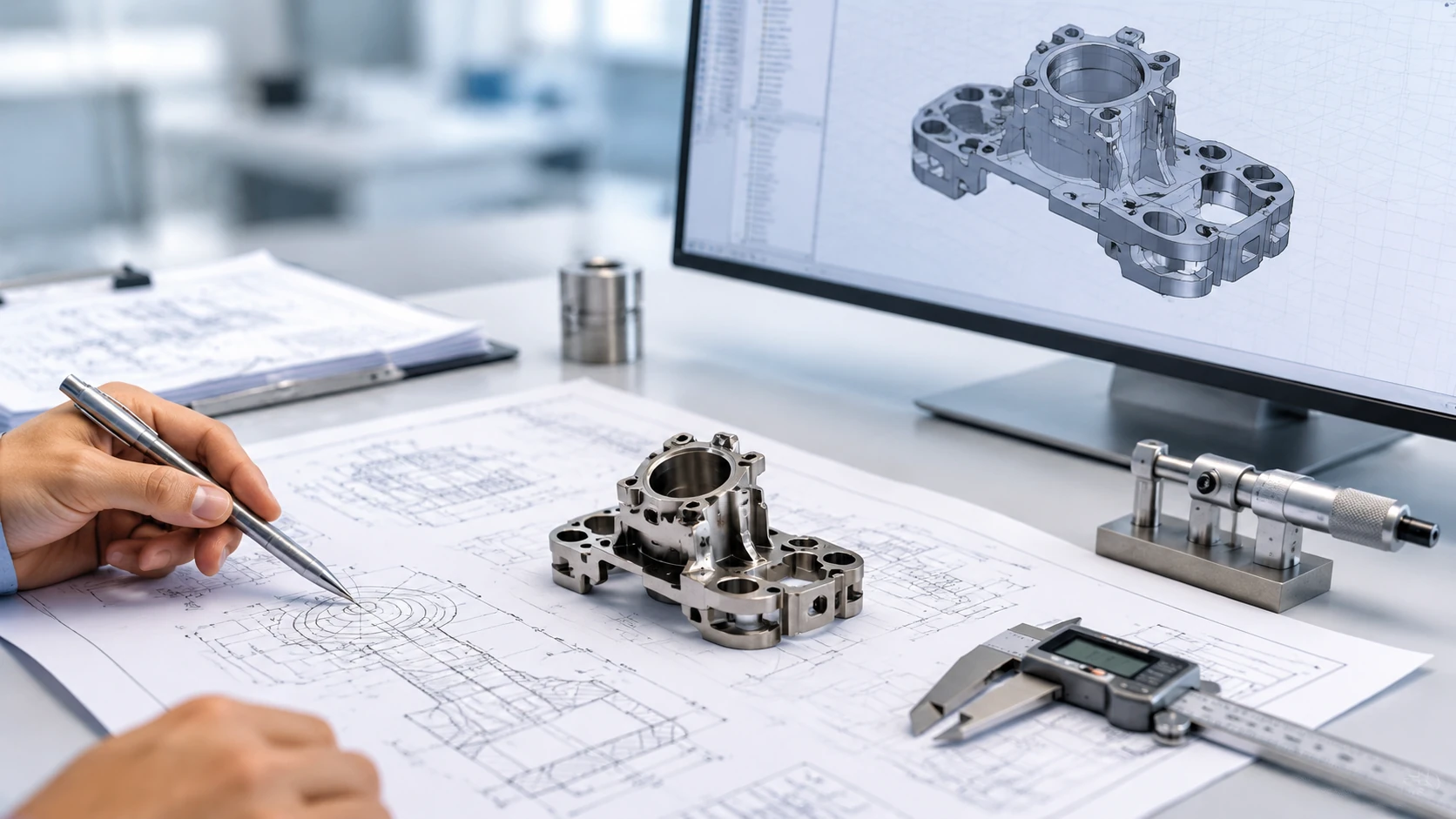
MIM drawing and DFM review scene with a complex metal part, CAD model, and engineering inspection tools
Design Review

MIM Drawing & DFM Questions

Review drawing-based issues such as wall thickness, holes, slots, undercuts, critical dimensions, gate marks, tooling risk, and pre-tooling manufacturability.

View DFM articles
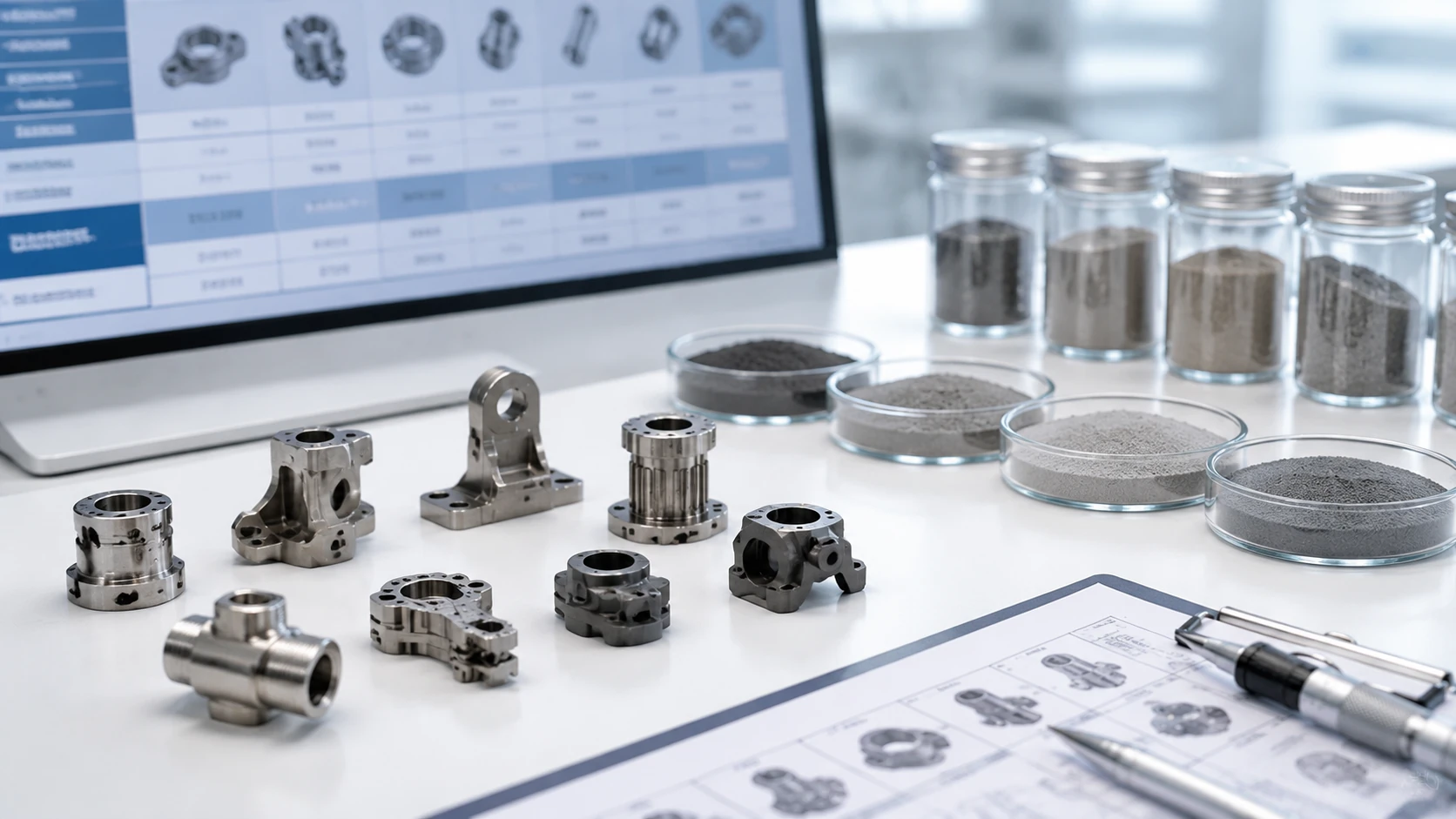
MIM material selection scene with precision metal parts, powder samples, and engineering comparison context
Material Choice

MIM Material Selection Notes

Compare material choices for stainless steel, low-alloy steel, magnetic response, corrosion resistance, heat exposure, strength, hardness, and application risks.

View material articles
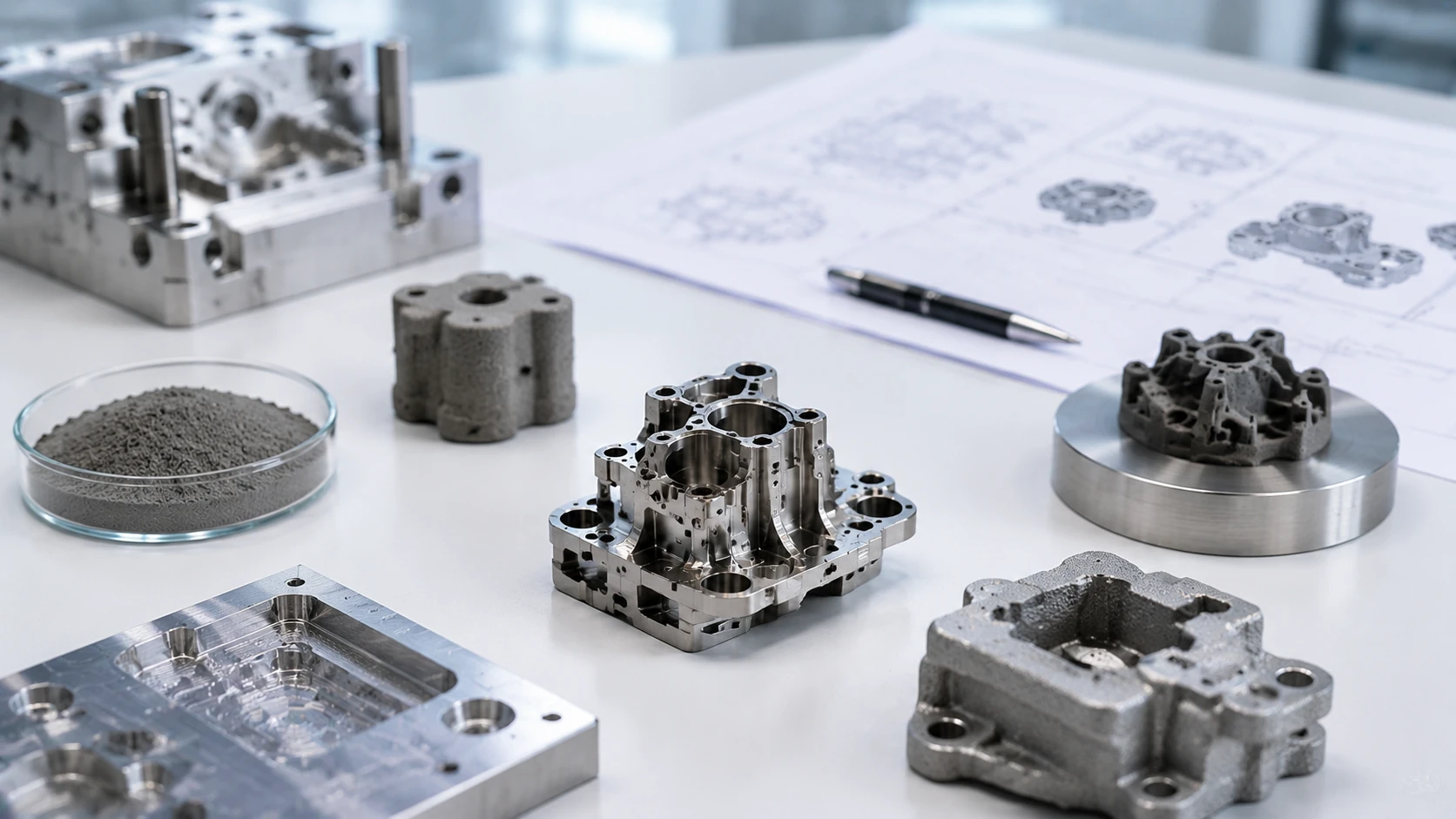
Process selection review scene for MIM with a complex metal part and different manufacturing context cues
Process Fit

MIM Process Selection Insights

Understand when MIM is suitable, when CNC, PM, casting, die casting, stamping, or metal 3D printing may be better, and how process choice affects project risk.

View process articles

MIM cost and RFQ preparation scene with metal parts, tooling cue, and engineering quotation review setup
RFQ Preparation

MIM Cost & RFQ Decisions

Learn how tooling cost, part complexity, material choice, tolerances, secondary operations, inspection needs, and annual volume affect MIM quotation decisions.

View RFQ articles
MIM quality inspection scene with precision metal part measurement and failure prevention context
Quality Control

MIM Quality & Failure Prevention

Explore practical notes on cracking, distortion, short shots, gate marks, dimensional variation, sintering risk, inspection logic, and defect prevention.

View quality articles
Representative MIM application parts displayed in a clean industrial arrangement for different industries
Applications

MIM Industry Insights

Read application-focused notes for medical devices, automotive systems, consumer electronics, industrial equipment, wearable devices, and precision assemblies.

View industry articles
Clean MIM factory capability scene with engineering review and inspection environment
Factory Support

Factory & Capability Updates

Follow practical updates related to drawing review, manufacturing support, inspection workflow, process control, engineering communication, and factory capability.

View capability articles
Tip: If you already have a part drawing, start with DFM, material, process, cost, or quality articles based on your main project question before submitting details for engineering review.
Choose by Project Question

Start with the MIM Question You Need to Solve

Different MIM projects start from different concerns. Use this question-based guide to move directly to the article category that matches your design, material, process, cost, quality, application, or supplier evaluation issue.

01

Is my part design suitable for MIM?

Check geometry, wall thickness, holes, slots, undercuts, critical dimensions, gate marks, and tooling-related DFM risks.

Recommended Category MIM Drawing & DFM Questions
02

Which MIM material should I choose?

Compare materials by corrosion resistance, strength, hardness, magnetic response, heat exposure, and application environment.

Recommended Category MIM Material Selection Notes
03

Should I use MIM or another manufacturing process?

Review when MIM fits better than CNC machining, PM, casting, die casting, stamping, or metal 3D printing.

Recommended Category MIM Process Selection Insights
04

Why does my MIM quote depend on tooling, volume, and tolerances?

Understand how mold requirements, part complexity, material choice, inspection needs, secondary operations, and annual volume affect quotation.

Recommended Category MIM Cost & RFQ Decisions
05

How can MIM defects be prevented before production?

Review cracking, distortion, short shots, gate marks, dimensional variation, sintering-related risks, and inspection logic.

Recommended Category MIM Quality & Failure Prevention
06

Which industries commonly use MIM parts?

Explore MIM use in medical devices, automotive systems, consumer electronics, industrial equipment, wearable devices, and precision assemblies.

Recommended Category MIM Industry Insights
07

What can XTMIM support before quotation or production?

See notes related to drawing review, engineering communication, inspection workflow, process control, and manufacturing support.

Recommended Category Factory & Capability Updates
Core MIM Resource Links

Continue from Blog Articles to Core MIM Resource Hubs

Blog articles answer specific project questions. For a more complete engineering review, continue to XTMIM’s core resource hubs for design, materials, process, parts, factory capability, and RFQ preparation.

Engineering Review CTA

Have a MIM Part Drawing to Review?

If you are evaluating a small, complex, or high-precision metal part for MIM production, XTMIM can review your drawing, material requirements, tolerance needs, surface finish expectations, and estimated annual volume before tooling decisions.

Helpful Information to Send

  • 2D drawing with critical dimensions and tolerances
  • 3D CAD file for geometry and manufacturability review
  • Target material or application environment
  • Surface finish, heat treatment, or secondary operation needs
  • Estimated annual volume and project stage
  • Quality, inspection, or functional requirements