Manufacturing value
What Manufacturing Problems Does MIM Solve in Robotics?
For small robotics components, MIM is most useful when it solves a specific forming or machining difficulty, rather than simply replacing CNC machining.
Complex geometry within limited space
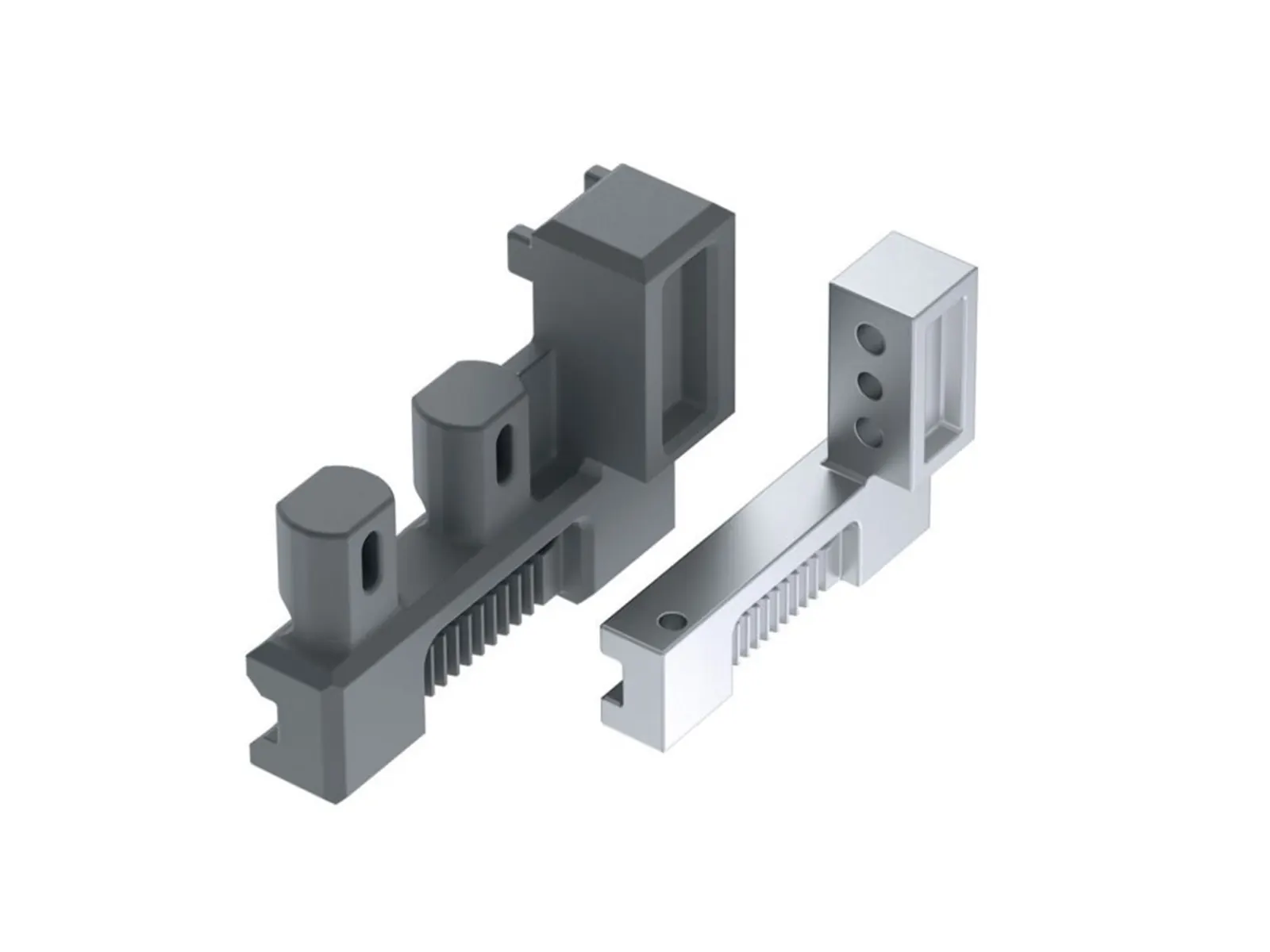
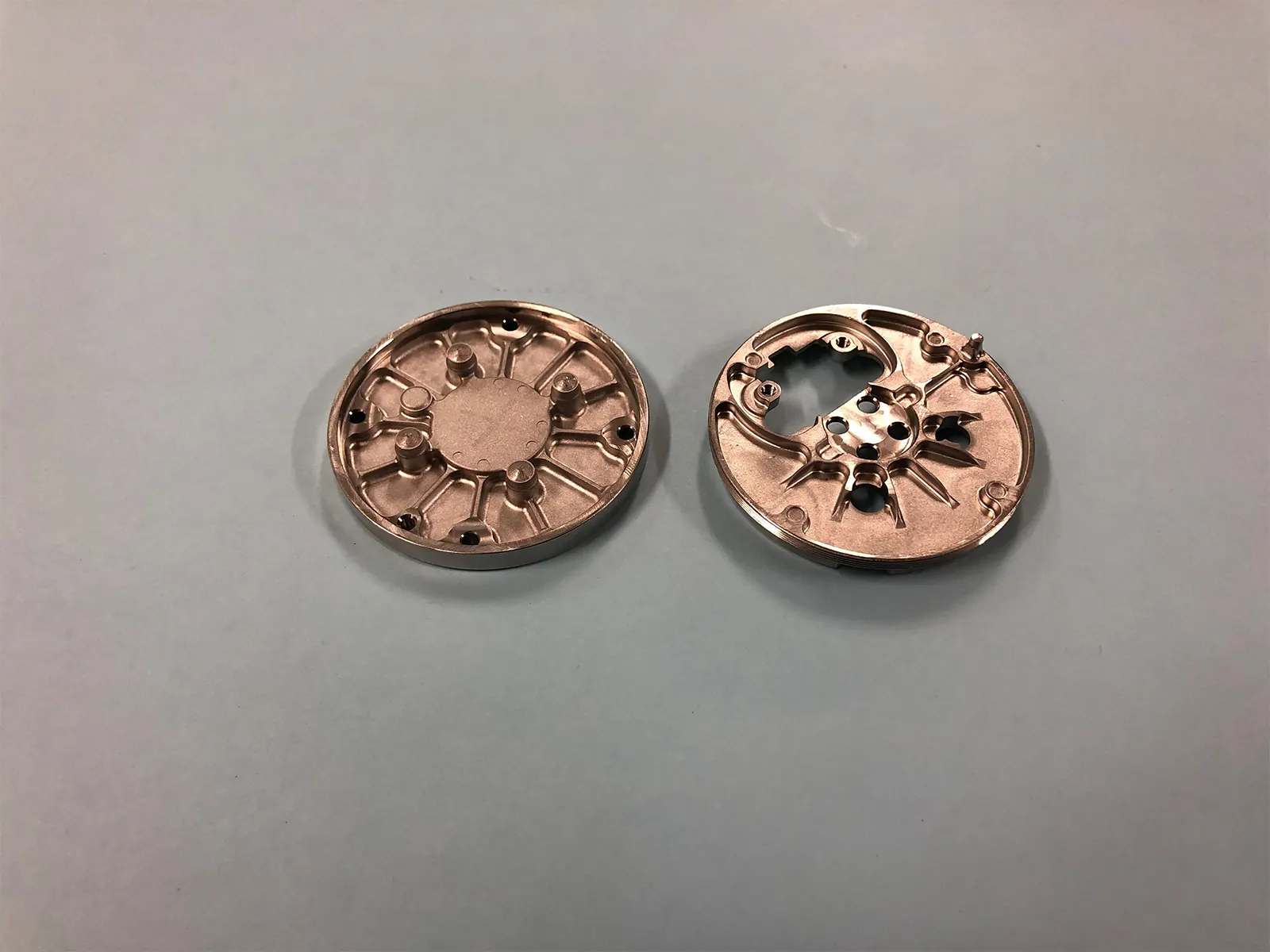
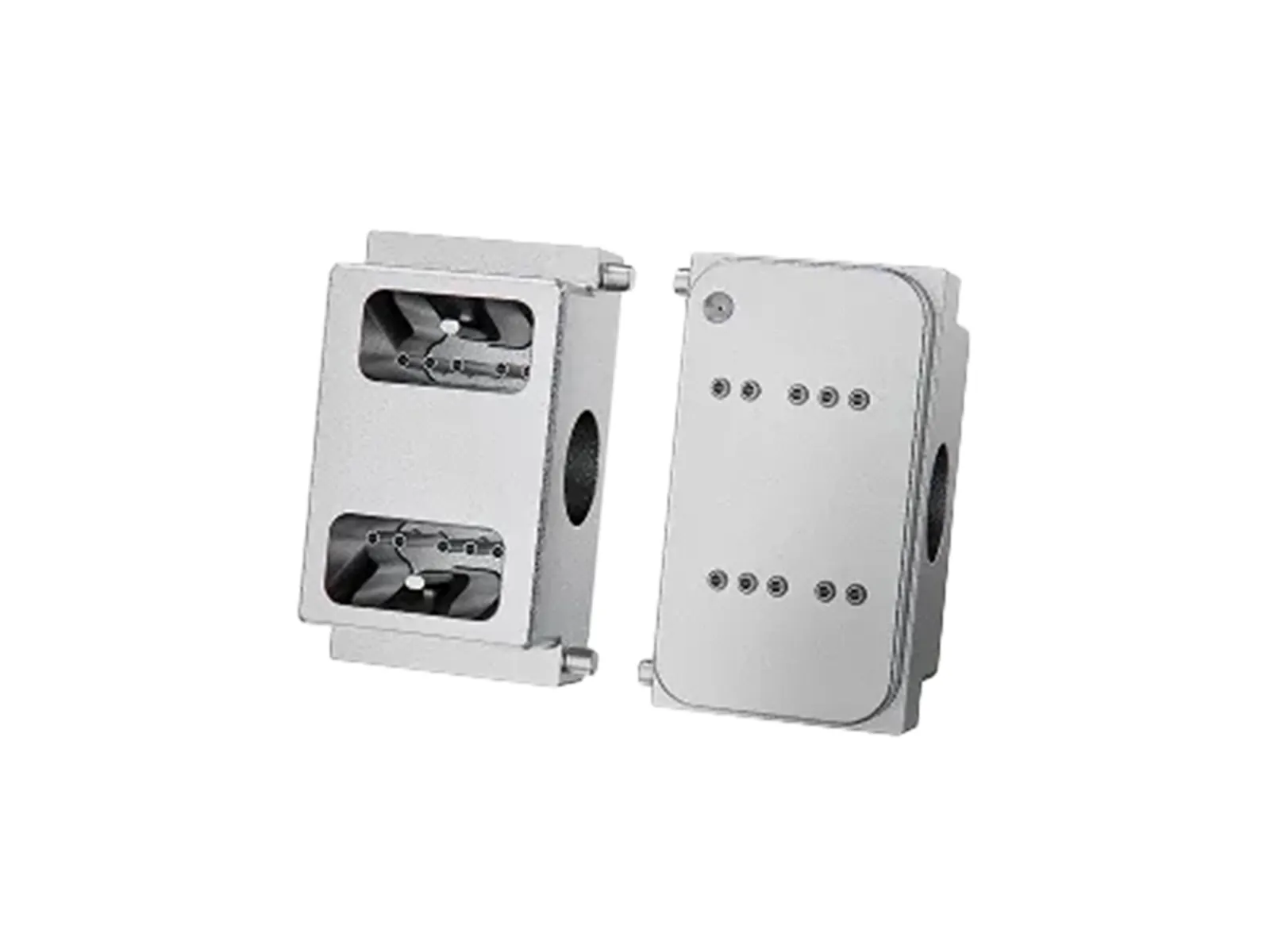
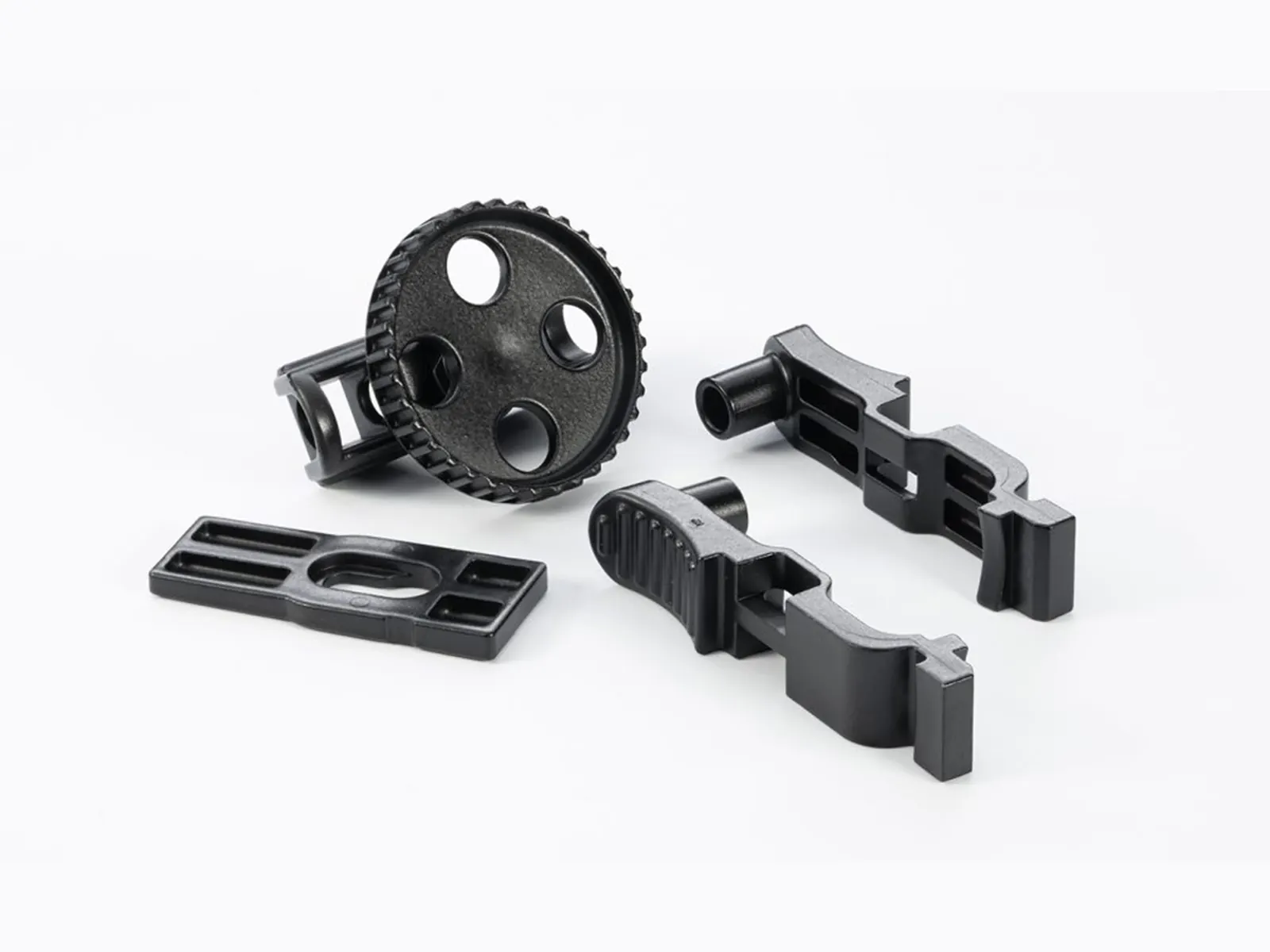
Robotic mechanisms often need several functions within a compact component. Recessed teeth, mounting features, locating surfaces, ribs, and retention geometry can be difficult to machine efficiently, especially when cutting tools cannot reach important features easily. MIM can form multiple features in one molding operation, provided the geometry is compatible with tooling, debinding, and sintering.
Integration of functional features
Some components can be redesigned to incorporate features that would otherwise need separate machining or assembly operations. This may simplify the manufacturing route, reduce handling, or remove unnecessary material. Fine Sinter's collaborative robot component shows why wall thickness, reinforcing ribs, and machining allowances should be reviewed together when converting a machined design to MIM.
Economics of repeat production
MIM requires tooling and process development, so its economic advantages generally depend on producing enough stable components to distribute those initial costs. The potential benefit should be judged against the complete manufacturing route, including tooling, material usage, sintering, secondary operations, inspection, and assembly.
Near-net-shape manufacturing does not mean every finished surface will meet its final functional tolerance directly after sintering.
A robot component may retain many of its molded and sintered features while using secondary machining for a precision bore, mating face, gear interface, or locating surface. This combination can be economically sensible when MIM removes enough difficult machining work elsewhere in the component.
The objective is not to maximize the number of features produced entirely without machining. It is to select a manufacturing route that meets the required function, quality, and production economics.
For detailed design principles, see MIM design guidelines.