Eyewear and Lifestyle Hardware
- Small hinges and connectors
- Decorative-functional metal details
- Compact locks, catches, and retainers
- Polished, plated, or coated components

Metal injection molding is most relevant to non-electronic durable consumer products that use small, multi-feature metal parts in repeat production. The strongest candidates combine mechanical function with visible-surface, touch-feel, assembly-fit, wear, or corrosion requirements that would be inefficient to create feature by feature through machining or by assembling several smaller pieces.
Locks, clasps, hinges, retainers, inserts, and small mechanisms are stronger candidates than large simple hardware.
Visible zones, user-touch edges, polishing, coating, and mechanical interfaces must be reviewed as one production route.
MIM may be worth reviewing when one near-net-shape part can replace several machined, stamped, or assembled details.
Tooling and process development need a credible annual-volume, product-life, or part-family case.
MIM is commonly evaluated for the following non-electronic consumer components, especially where compact geometry, functional integration, surface requirements, and repeat production occur together. Final suitability still depends on geometry, material condition, finishing route, critical dimensions, inspection requirements, and repeat volume.
MIM suitability depends on how geometry, surface requirements, assembly function, material, production demand, and secondary operations work together. A part can fit the product category and still be a poor MIM candidate if those requirements conflict.
| What to Evaluate | Good MIM Candidate | Needs Engineering Review | Consider Another Process |
|---|---|---|---|
| Geometry | Small part with several local features, complex contours, or part-consolidation value. | Dense features, long thin sections, abrupt wall transitions, or difficult support conditions need DFM review. | Large, simple, low-complexity hardware that another process can make more directly. |
| Production demand | Stable repeat demand or a part family that can justify tooling and process development. | Product life, SKU mix, or annual demand is uncertain. | Prototype-only or very low-volume demand with no credible repeat-production case. |
| Appearance | Visible and hidden zones are defined, with a realistic polishing, plating, passivation, coating, or tumbling route. | Geometry fits MIM, but cosmetic zones, edge feel, color consistency, or acceptance criteria remain undefined. | Mirror-cosmetic expectations with no allowance for parting lines, finishing, handling, or inspection variation. |
| Fit and tolerance | General geometry is separated from selected hinge, clasp, lock, insert, or moving interfaces. | Critical dimensions may require sizing, machining, polishing allowance, or a defined datum strategy. | Every feature is treated as equally critical and expected directly from sintering without a secondary-operation plan. |
| Material and use environment | Strength, corrosion exposure, wear, touch conditions, and final material condition are defined. | Cleaning agents, humidity, sweat, outdoor exposure, or coating compatibility still need review. | The alloy is selected only for appearance or price without checking use conditions and finishing compatibility. |
| Process economics | MIM can reduce feature-by-feature machining, assembly count, or multi-step handling across repeat production. | Tooling, finishing, selective machining, inspection, packaging, and scrap risk must be compared together. | The decision is based only on the lowest initial piece price or on MIM being technically possible. |
Compare MIM with machining, stamping, die casting, or another route using geometry, volume, assembly count, and final-condition requirements.
Confirm strength, corrosion, wear, cleaning exposure, touch conditions, and the required final material condition.
Mark visible surfaces, user-touch edges, parting-line sensitivity, fit-critical interfaces, and hidden geometry on the drawing.
Identify where sizing, machining, polishing, coating, passivation, visual inspection, or packaging protection may be required.
Align expected annual demand, product life, SKU strategy, sampling, acceptance criteria, and inspection scope before ramp-up.
Consumer goods components often combine visible surfaces, user-touch edges, moving interfaces, and repeat-use requirements. Inspection planning should therefore separate cosmetic acceptance from dimensional and functional acceptance before tooling release, rather than treating every feature under one general tolerance statement.
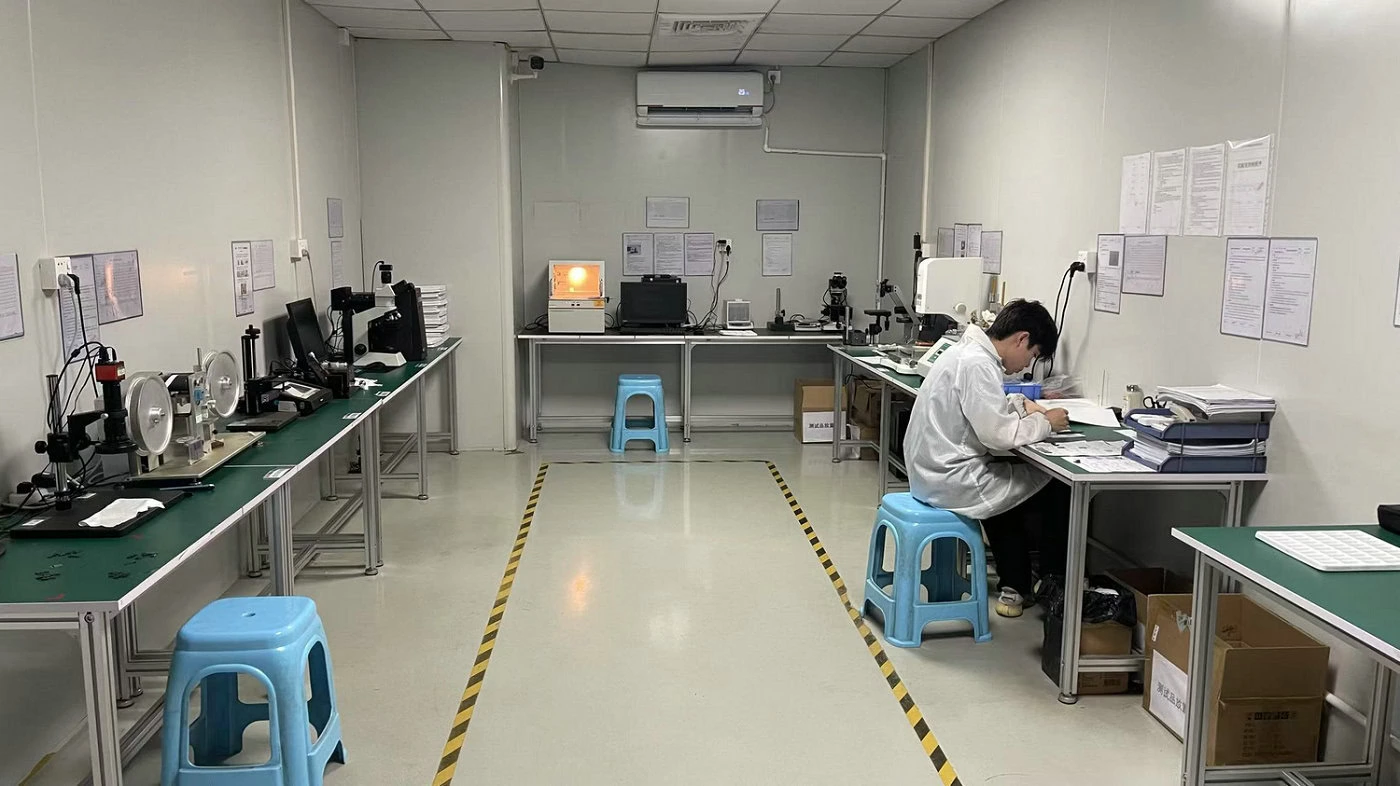
Identify visible faces, user-touch edges, parting-line sensitivity, polishing direction, coating allowance, and acceptable appearance variation.
Separate hinge holes, clasp faces, locking features, inserts, pivots, and assembly datums from general non-critical geometry.
Define which features require dimensional measurement, visual inspection, functional checks, coating review, or agreed reference samples.
Plan protection for polished, plated, passivated, or coated surfaces so approved appearance is maintained through packing and shipment.
Inspection requirements vary with geometry, material, surface finish, coating route, assembly function, and customer acceptance criteria.
Consumer electronics, connected wearables, appliance mechanisms, and part-family-specific components have more specific engineering requirements. Use the category below that best matches the product.
Phones, audio devices, laptops, compact electronic mechanisms, and appearance-sensitive device hardware.
Smart watches, fitness trackers, health-monitoring devices, hearables, and wearable electronics.
Internal appliance mechanisms, repeated-use functional hardware, and household equipment components.
For hinges, gears, brackets, shafts, locks, and other component families, start from the part type and its specific geometry and performance requirements.
Higher-duty applications: components with substantially higher load, wear, or service-life demands are better evaluated as industrial-tool components rather than general consumer hardware.
Small, complex, repeat-volume metal parts are usually the strongest candidates. Examples include clasps, locks, hinges, retainers, inserts, personal-care hardware, luggage hardware, household mechanisms, and other decorative-functional components.
They are evaluated separately because phones, audio devices, laptops, smart watches, fitness trackers, and other connected products have different product and assembly requirements. Consumer electronics should be evaluated under Consumer Electronics requirements, while smart watches, fitness trackers, and other connected wearables follow the Wearables application path.
It can be, but visible and user-touch surfaces need early planning. Parting-line location, polishing, plating, coating, passivation, edge condition, color consistency, handling, and cosmetic inspection should be reviewed before tooling.
Some dimensions can be controlled through molding and sintering, but hinge holes, clasp interfaces, locking faces, inserts, and moving features often need a planned tolerance split with selective sizing, machining, or finishing.
Provide the drawing and 3D data, material target, visible and critical surfaces, finishing route, fit-critical dimensions, use environment, inspection requirements, expected annual volume, and product-life assumptions.
A drawing-based review can confirm whether the part is a practical MIM candidate and where redesign, selective machining, sizing, polishing, coating, passivation, or another manufacturing route may be needed.